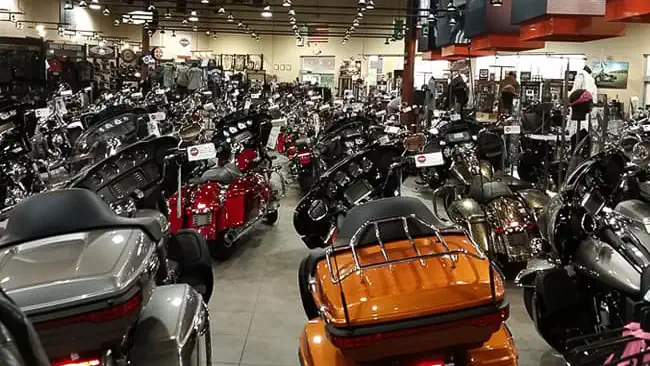
Have you ever walked into a motorcycle dealership, found the bike you wanted, agreed on a price, and then watched the final number climb by $1000 or more before you signed anything? If so, you are not alone.
Freight charges. Setup fees. Documentation fees. Dealer prep. These are real costs that have quietly been added to vehicle purchases for decades. They often show up for the first time on the final paperwork, after you’ve mentally committed to the deal. The Federal Trade Commission (FTC) is in the process of ending that practice.
Last month, the FTC sent formal warning letters to 97 automotive dealer groups operating more than 1,000 dealership locations across the United States. Dealers were told that the advertised price must be the price the customer pays, plus taxes and any options they choose to add.
For years, vehicle advertising showed a low “starting” price, then added additional charges later in the buying process. By that point, many buyers feel too far along to walk away.
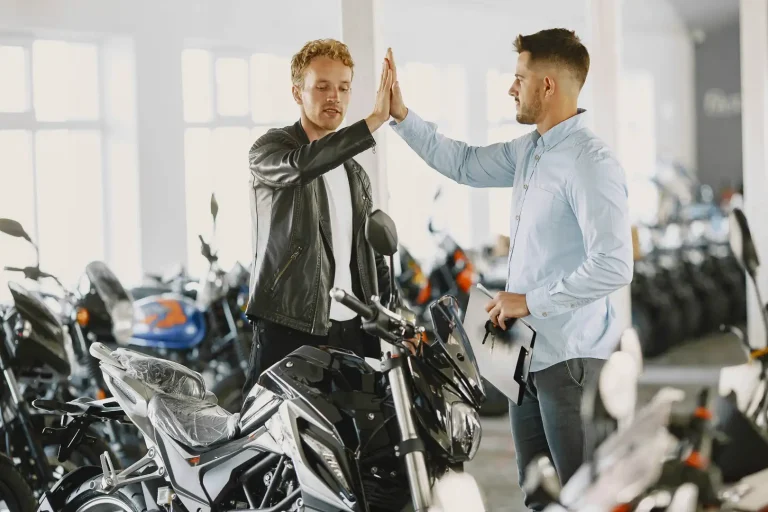
Photograph by Yi Ren.
The FTC’s warning letters cite several enforcement cases to underscore the seriousness of the matter, including one that resulted in more than $75 million in potential consumer refunds. The FTC is making it clear to the vehicle retail industry that dealers can no longer hide fees from customers until the last minute.
The FTC has spent years developing the CARS Rule, short for Combating Auto Retail Scams. It would have required dealers to show the full price upfront, banned a long list of misleading tactics, and made it illegal to charge customers for add-ons they hadn’t agreed to. However, a federal appeals court threw out the rule last year, saying the FTC hadn’t followed the proper process in creating it.
In response, the FTC used previously established consumer protection laws to go after dealers for doing the same things the CARS Rule would have banned. The warning letters to those 97 dealer groups are that strategy in action.
Up to this point, most of the news coverage has focused on car dealerships. Regardless, if you have bought a new motorcycle, you have likely had the same experience.
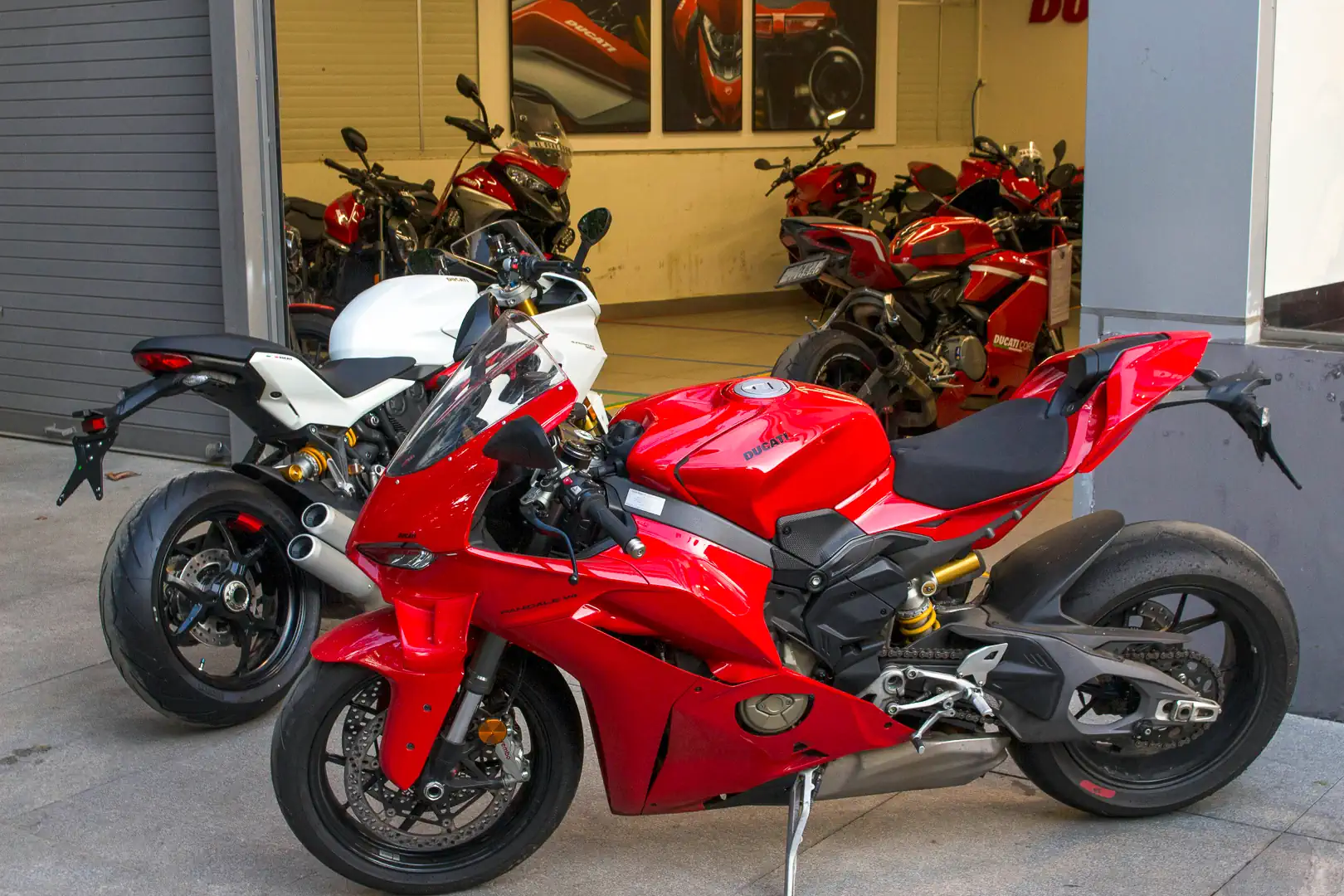
Photograph by Abhishek Navlakha.
For example, you see a new motorcycle advertised at $12,499. You go in. You’re excited. Then you find out there’s a freight charge, destination, or handling charge of $500 or more. There’s a setup fee on top of that, which can add another $300 or more. You may see a documentation fee on the final paperwork. By the time you’re sitting at the finance desk, that $12,499 bike might have a real out-the-door price closer to $14,000 or more, before taxes and registration.
None of those charges are fake. Freight is real. It costs money to ship a motorcycle from a factory to a dealer in your town. Setup is real. Someone at the dealership has to uncrate the bike, assemble it, inspect it, and get it ready to ride. These are legitimate costs.
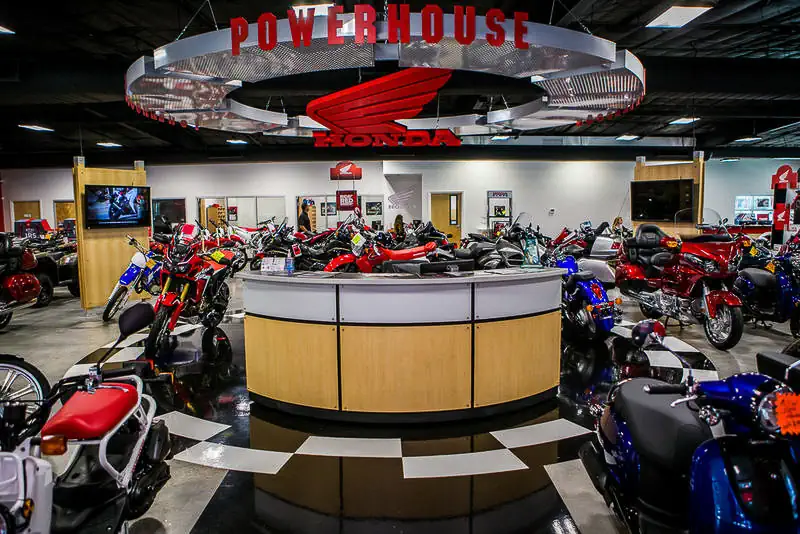
Photograph by Aasim.
The problem isn’t that the charges exist. It’s that they’re hidden until the very end. This makes it nearly impossible to comparison-shop or to know what you’ll pay to take the motorcycle home.
The National Powersports Dealers Association (NPDA), the main trade group representing motorcycle and powersports dealers, published a detailed report last month that openly acknowledged this problem.
The report pointed out that motorcycle and ATV manufacturers continue to publish MSRP in advertisements that deliberately omit freight, setup, and other markups. That puts dealers in a tough spot. If they advertise the true all-in price, they look more expensive than a competitor who shows a lower price, with fees buried for later. Dealers who continue hiding fees the old way are putting themselves at greater risk of facing the same FTC scrutiny now aimed at car dealers.
Photograph by Ritratto Visual.
“Dealers did not create this problem,” NPDA director Michael Maledon pointed out in connection with the report, “but they are the ones being held accountable.”
The NPDA is now pushing motorcycle and powersports manufacturers to change how they structure pricing. They would like freight costs baked into MSRP, the way the automotive industry already does with the destination charge printed on the window sticker alongside the base price. If that happens, the price a powersports dealer advertises would be the number you’d start from, with no surprises waiting for you inside the dealership.
Keep in mind that freight and setup fees are not going away. They represent real work and real costs. The FTC wants those fees to show up in the advertised price rather than as a surprise at the end. If a dealer is charging you $600 in freight and $400 in setup, the advertised price must include those costs. That makes it easier to comparison shop, and you’ll have a better idea of the final price.
Any dealer that sends you a price in writing, whether through a website, email, text, or a printed advertisement, should give you a number that reflects what you will have to pay, rather than a teaser number designed to get you in the door. The FTC’s position is that advertising a lower price and then padding it at the end is deceptive.
If you’re in the market right now, it pays to ask directly and early, “What is the out-the-door price on this bike, including freight, setup, and dealer fees, before taxes and registration?” A dealer that gets cagey about answering that question is worth being cautious about. A dealer who answers it clearly, directly, and in writing is one you can trust to do business with.
This initiative is part of a broader shift in how the federal government is thinking about consumer pricing transparency. While the FTC’s focus on vehicle dealers is specific, the underlying principle applies everywhere. If a price shown to the buyer isn’t the price paid, that’s an issue regulators are increasingly willing to act on.
For anyone buying a motorcycle, this is good news. Manufacturers will likely change their pricing structures, dealers will adapt their advertising practices, and the industry will adjust to a new, more buyer-friendly normal.
In the meantime, the best thing you can do as a buyer is what experienced riders already know how to do: ask every question, get everything in writing, and don’t let excitement about a new motorcycle rush you past the fine print. Although the days of the surprise freight charge are not over yet, they are numbered.
Hello and welcome again to the Motos and Friends Podcast. This episode is brought to you by Leod Escapes.
* * * * *
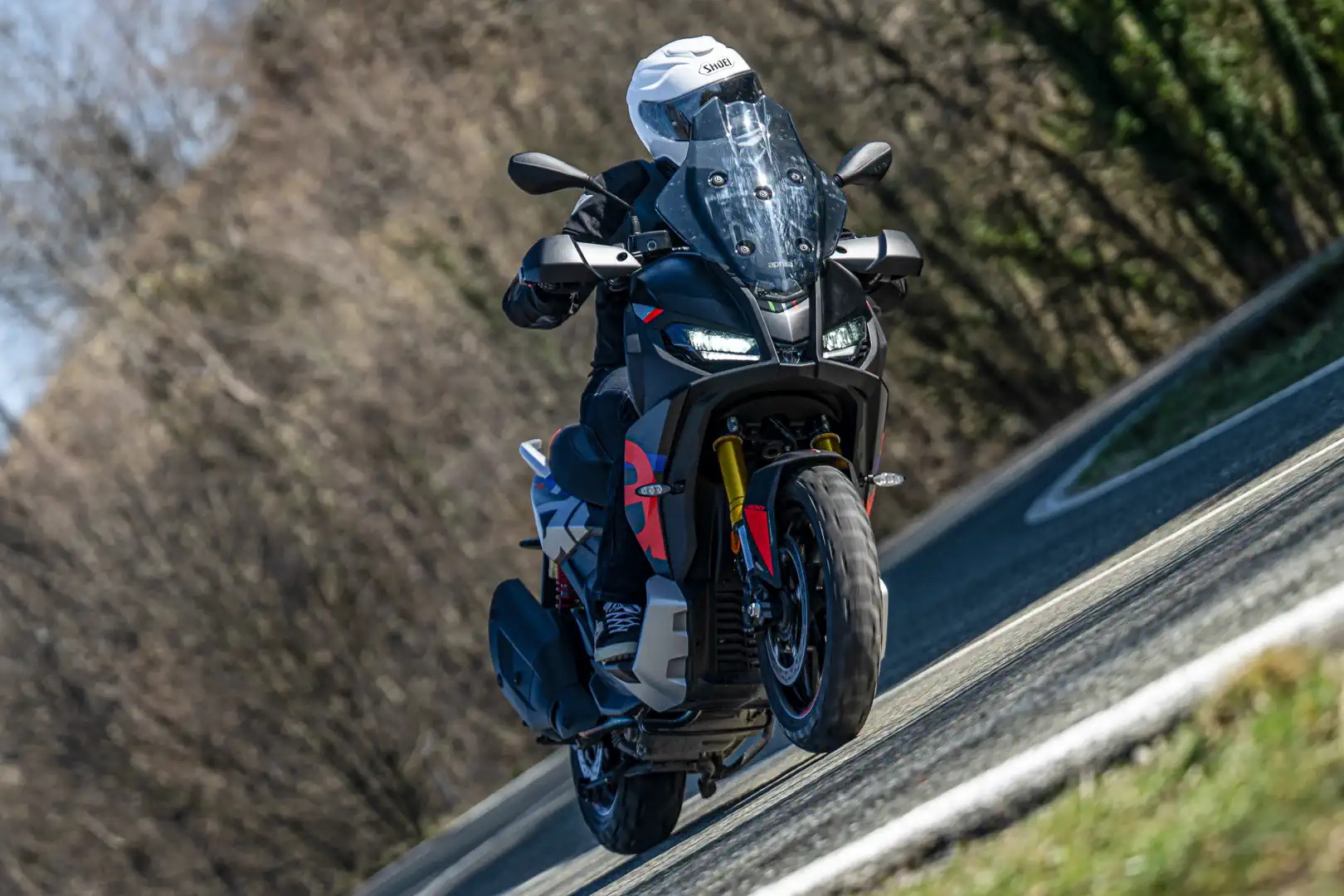
Aprilia is bringing a scooter to North America, and it’s one designed to appeal to adventure motorcyclists. The SR GT 400 is a mid-size scooter built around a steel motorcycle-style frame, a 399cc single, and off-road-ready hardware. It reaches US dealers as soon as this month. Don Williams and Kelly Callan spent some time riding the Aprilia and were surprised by what they discovered. Is this a real motorcycle or just a good-looking urban scooter?
* * * * *
Cat McLeod is founder and owner of Leod Escapes, the ultimate tour company for sport-minded motorcycle riders. Cat talks to us this segment about some of his amazing European experiences and tours that include of course, riding some amazing MotoGP tracks on new BMW S1000RRs. If you like what you hear, now is the time to book your trip of a lifetime, so visit LeodEscapes.com to find out more.
* * * * *
Our guest this episode is Terry Vance, the multiple Motorcycle and Motorsports Hall-of-Famer. Terry is of course the former professional motorcycle drag racer, team owner, and co-founder of the high-performance parts company Vance & Hines. Teejay Adams chats with Terry about his incredible career that includes being the first rider to hit 200 mph in the standing quarter-mile.
Having won this year’s MotoAmerica Mission King of the Baggers championship with Hayden Gillim riding the Vance & Hines factory Indian Challenger, and with Harley-Davidson’s recent withdrawal, Terry gives us his thoughts on where the series might go from here.
* * * * *
Here’s quick reminder to check out our monthly digital magazine. It’s filled with everything you want to read on motorcycling, including some things you’ve probably not seen elsewhere. It’s absolutely free and you will find it on the Apple App Store and of course on Google Play as well.
Don’t forget to leave us your comments on our social media—we’re on all the usual platforms at Ultimate Motorcycling. We love hearing your feedback… so good or bad, please let us know what you think. If there’s something you’d like us to cover, we’d love to hear those ideas too!
We use cookies and browser activity on this website
Functional
Always active
The technical storage or access is strictly necessary for the legitimate purpose of enabling the use of a specific service explicitly requested by the subscriber or user, or for the sole purpose of carrying out the transmission of a communication over an electronic communications network.
Preferences
The technical storage or access is necessary for the legitimate purpose of storing preferences that are not requested by the subscriber or user.
Statistics
The technical storage or access that is used exclusively for statistical purposes.The technical storage or access that is used exclusively for anonymous statistical purposes. Without a subpoena, voluntary compliance on the part of your Internet Service Provider, or additional records from a third party, information stored or retrieved for this purpose alone cannot usually be used to identify you.
Marketing
The technical storage or access is required to create user profiles to send advertising, or to track the user on a website or across several websites for similar marketing purposes.
Advertising helps us keep our content available for free, so adjusting your ad blocking settings will help us.
We appreciate your support!
i
How to Allow Ads on This Site
Depending on your setup, ads may be blocked by a browser extension, VPN, antivirus software, or other application. Here are some common ways to allow ads:
Browser Extensions (e.g., Adblock, uBlock, etc.)
Click the extension icon in your browser toolbar.
Look for an option like "Don't run on pages on this site" or "Pause on this site".
Save the change and refresh the page.
VPNs with Ad Blocking (e.g., NordVPN, Proton VPN, etc.)
Open your VPN app.
Go to settings or features.
Disable any ad blocking or tracking protection features.
Refresh the page.
Antivirus Software or Other Privacy Tools
Check for web protection, ad filtering, or browser privacy settings.
Click the power button to disable it for this site.
Refresh the page.
Not sure what's blocking ads? Look for tools with privacy or filtering features, or check your browser extensions. We only use respectful, non-intrusive advertising.