Imagine the modern superbike category without the Suzuki GSX-R. Remove the iconic namesake from history, and surely the landscape shifts. Maybe one of the other Big Four Japanese brands fills that space, but history tells us that Suzuki pioneered the race replica as we know it.
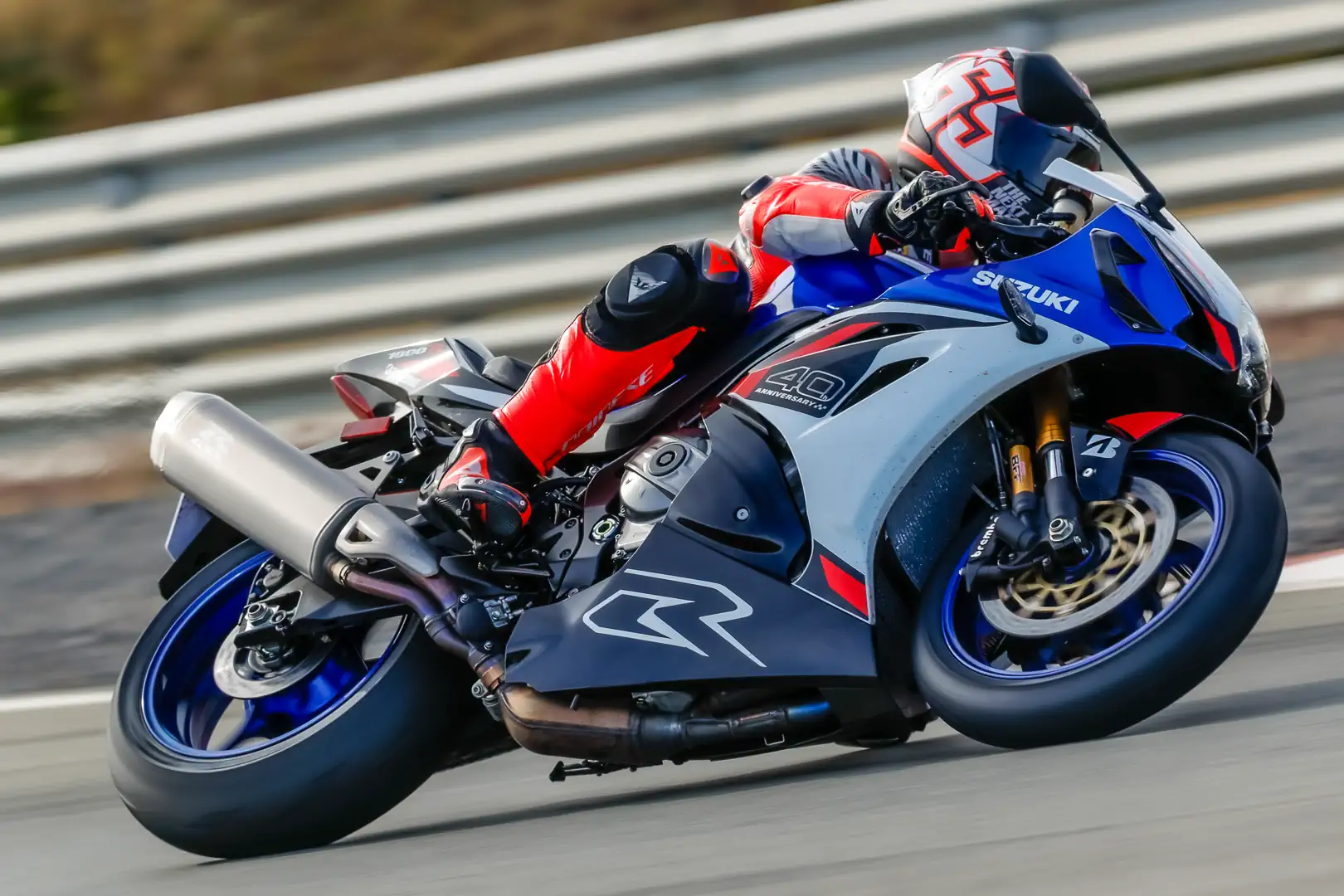
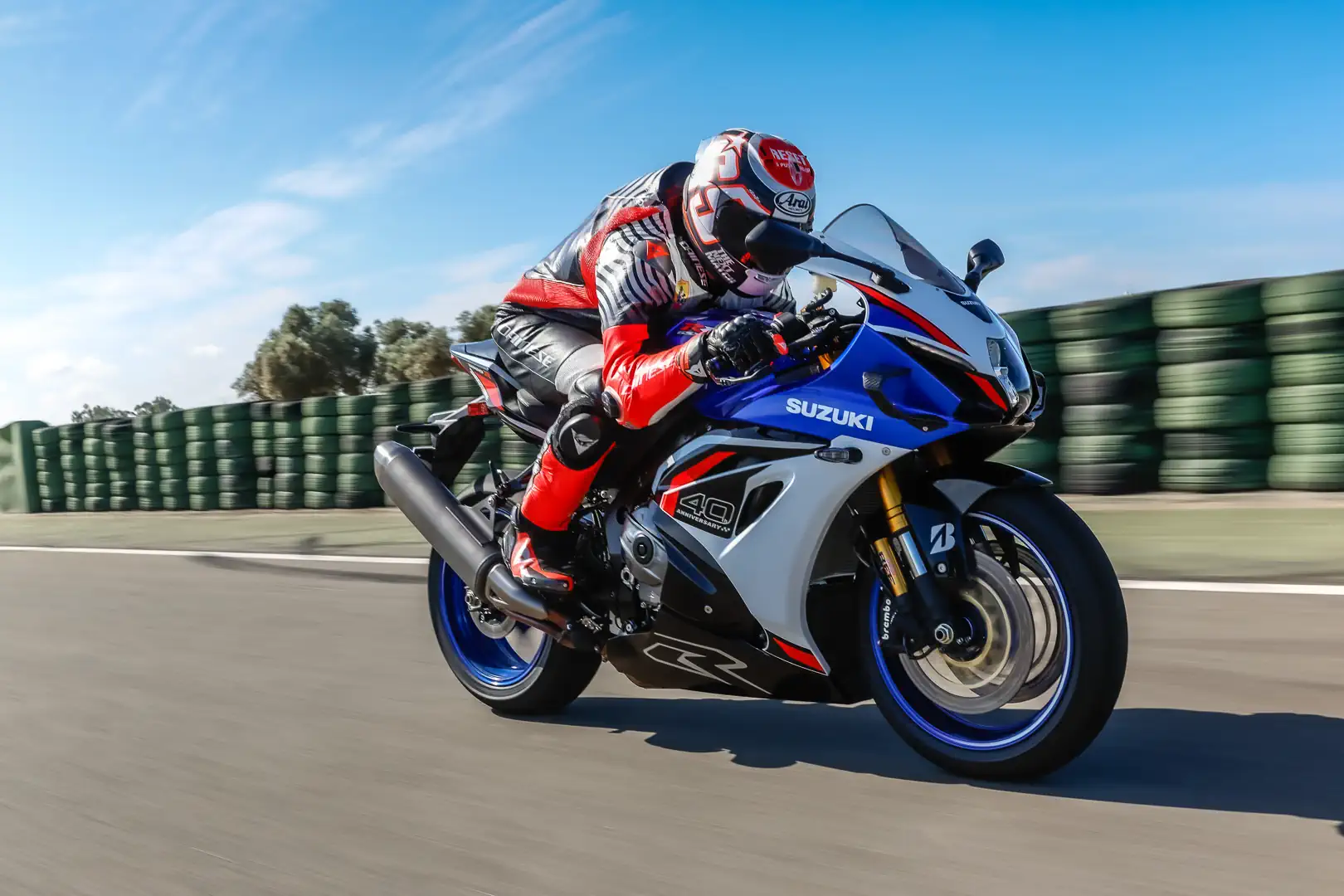
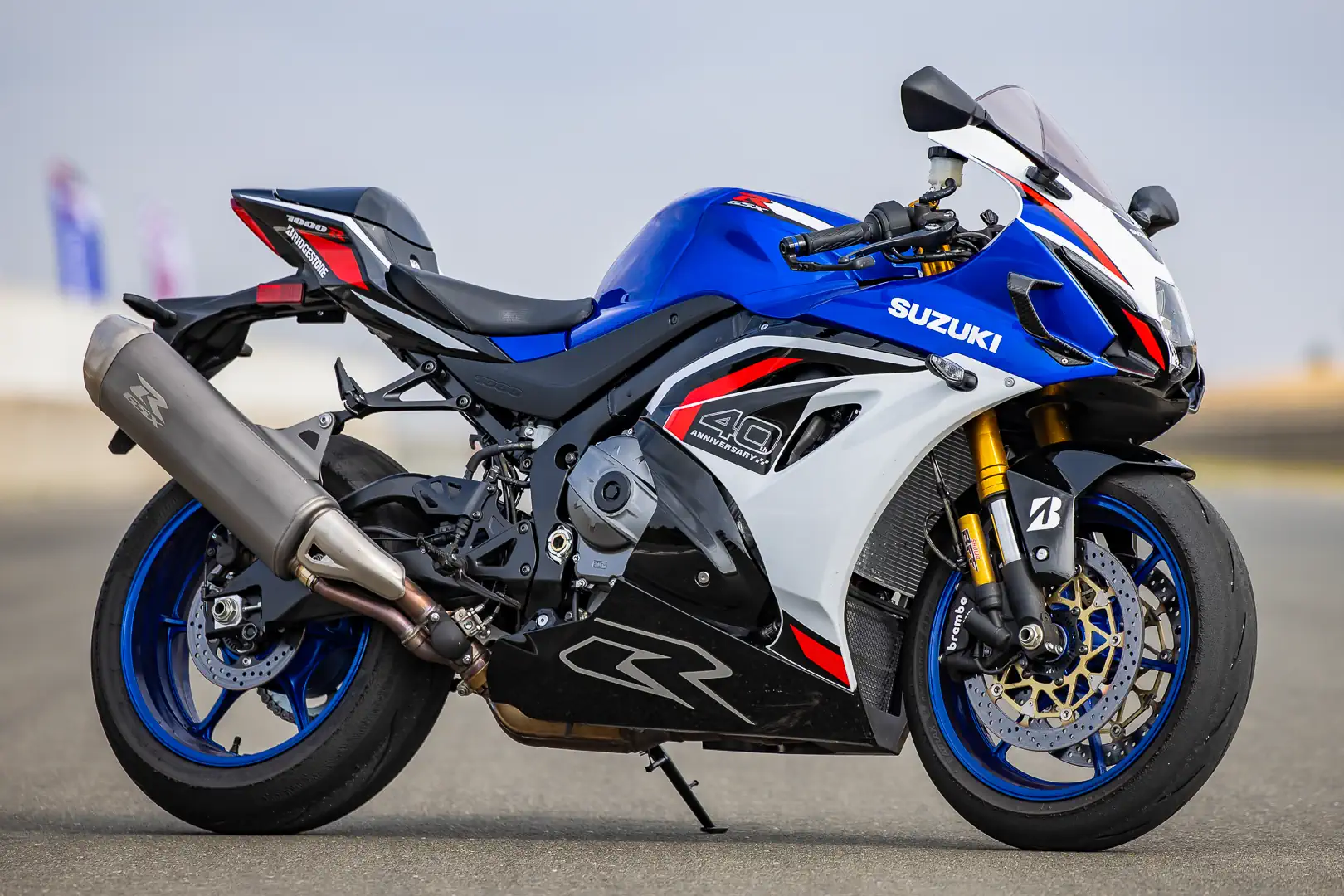
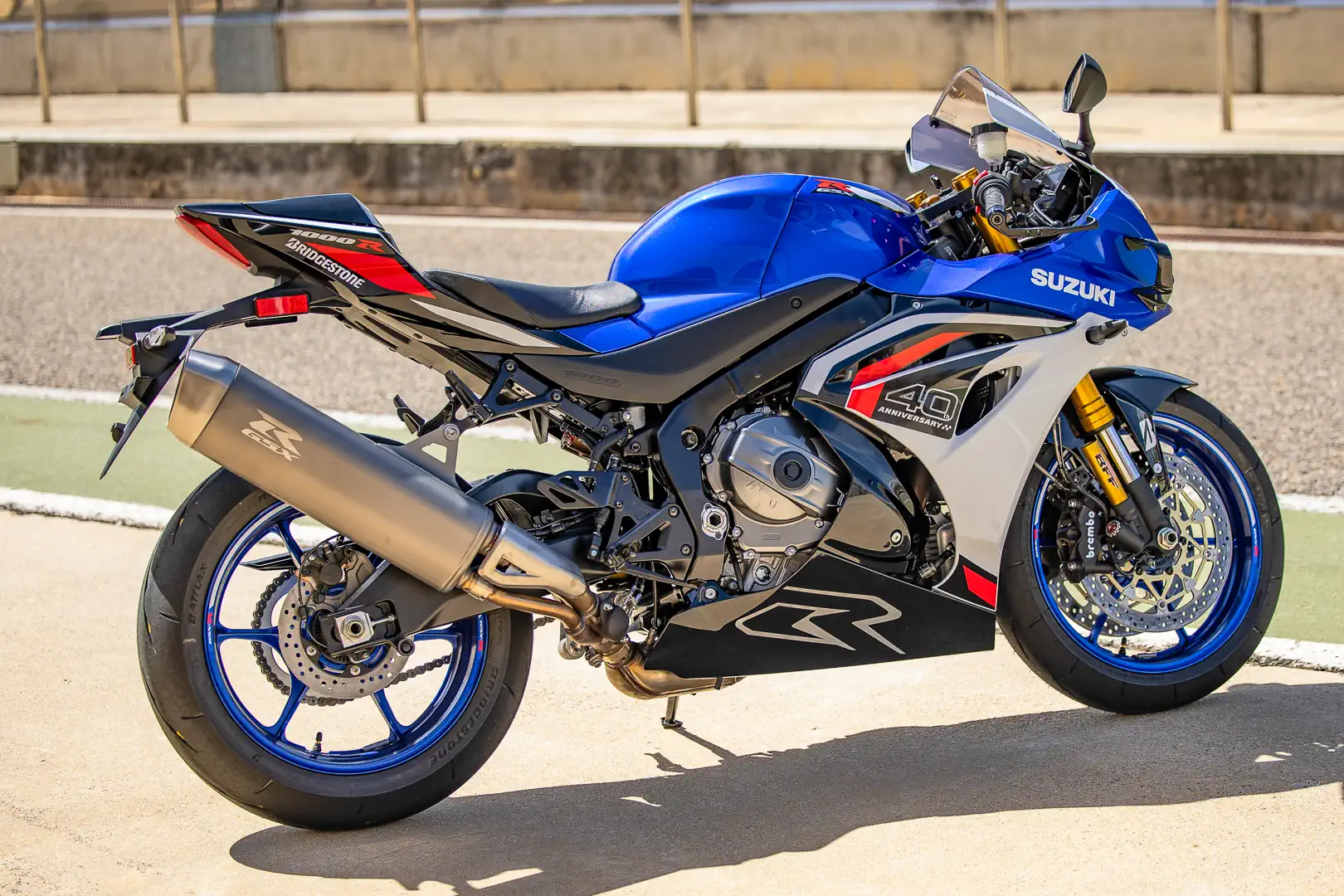
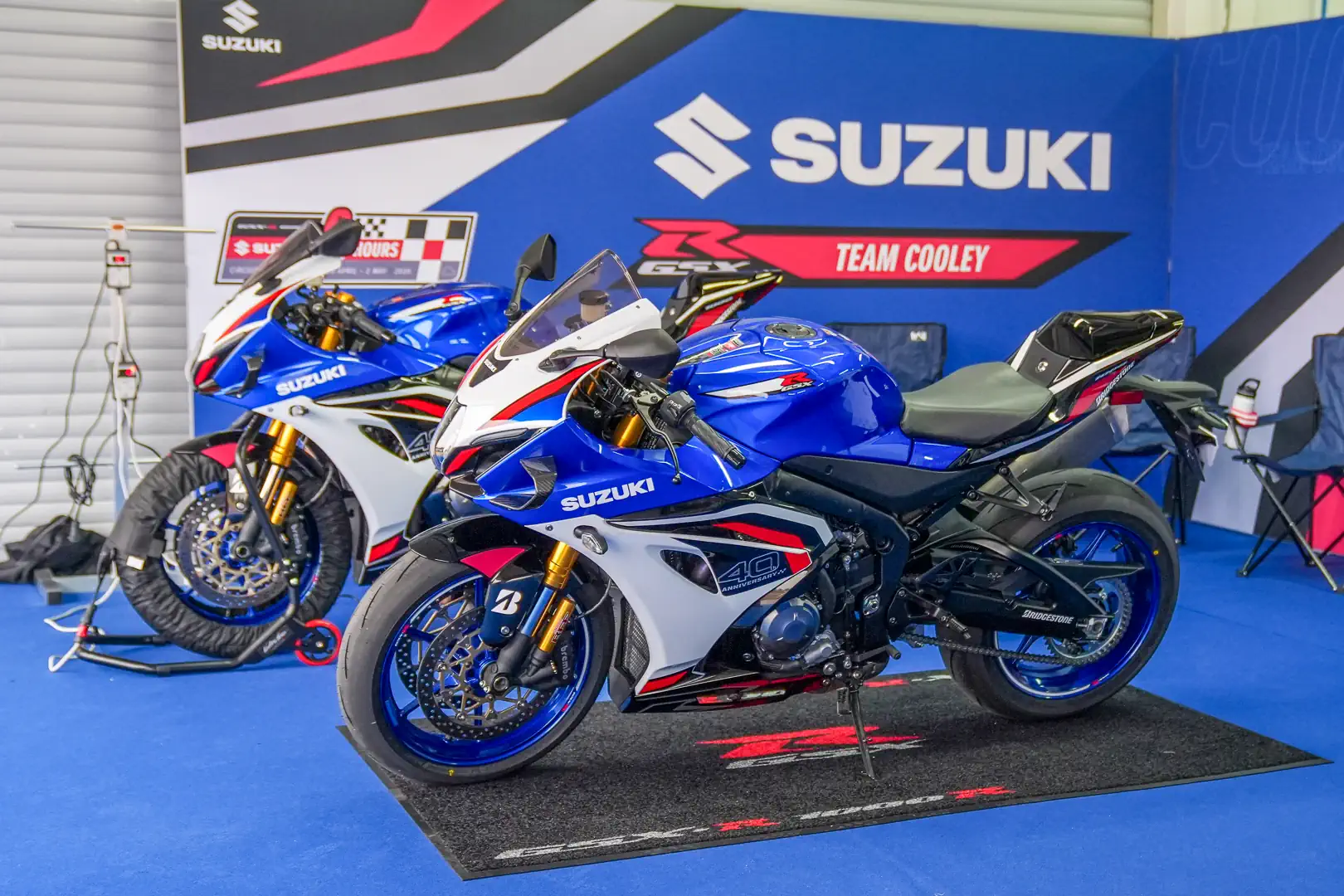
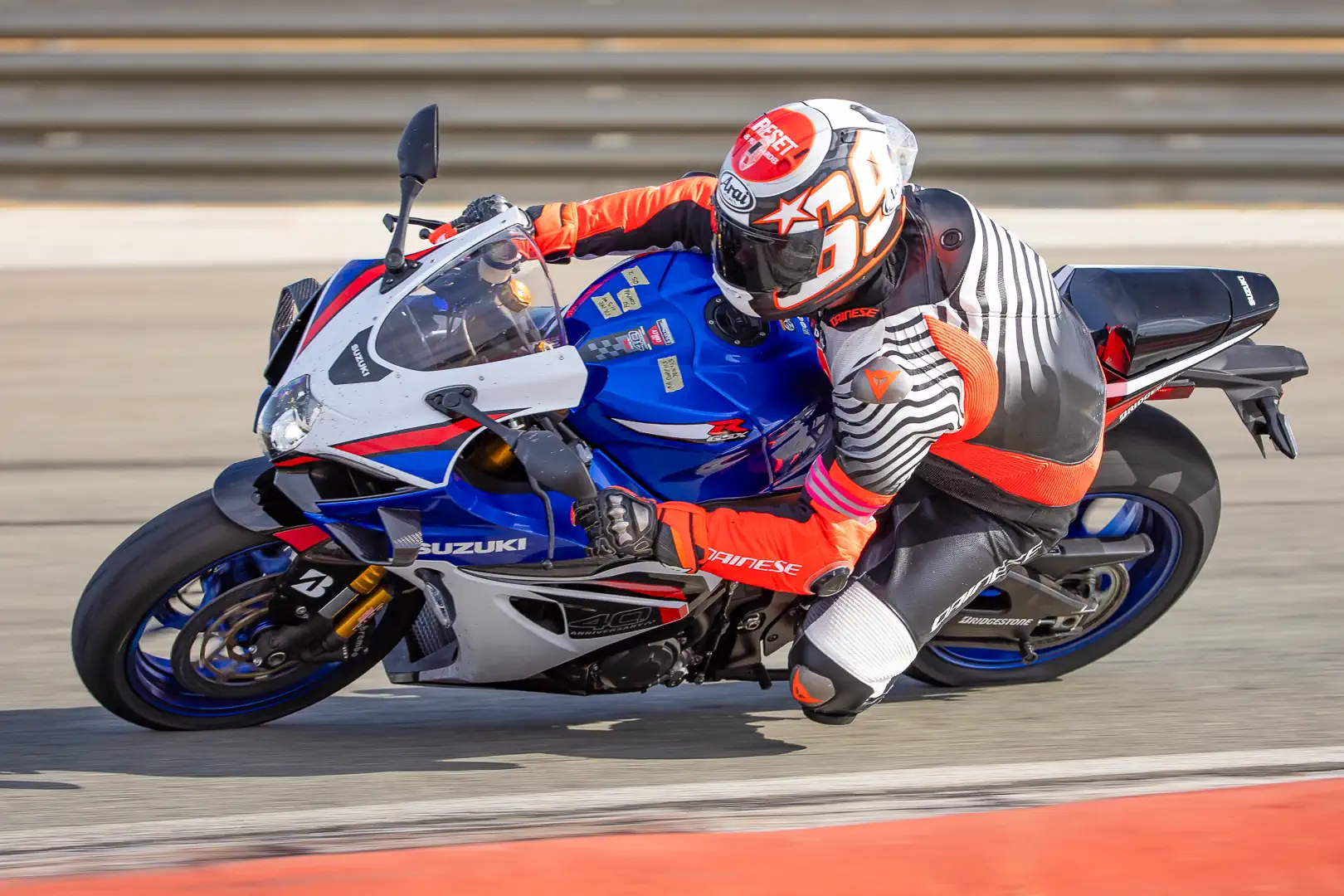
When the original GSX-R750 debuted in 1985, it fundamentally altered sportbike design trajectory by introducing a racetrack-aimed machine that truly embodied the “Win on Sunday, sell on Monday” mantra. Fully faired, loaded for bear with a potent inline-four-cylinder screamer powerplant, and a direct connection to what was dominating race paddocks made it a household name almost overnight. The GSX-R1000, introduced in 2001, ran with that race-winning philosophy and quickly established itself as one of the defining superbikes of the early 21st century. Now, here to celebrate its 40th anniversary, the 2027 Suzuki GSX-R1000R returns with a host of meaningful updates.
The GSX-R1000 set its name in stone by claiming victories in every production-based racing series it has battled in. It dominated the AMA Superbike series shortly after its arrival on American shores, and its success has continued into today’s MotoAmerica Superbike Championship. It has won races and titles in the British Superbike Championship, claimed victories in the Senior TT and Superstock TT at the Isle of Man TT, establishing itself as a force in paddocks worldwide.
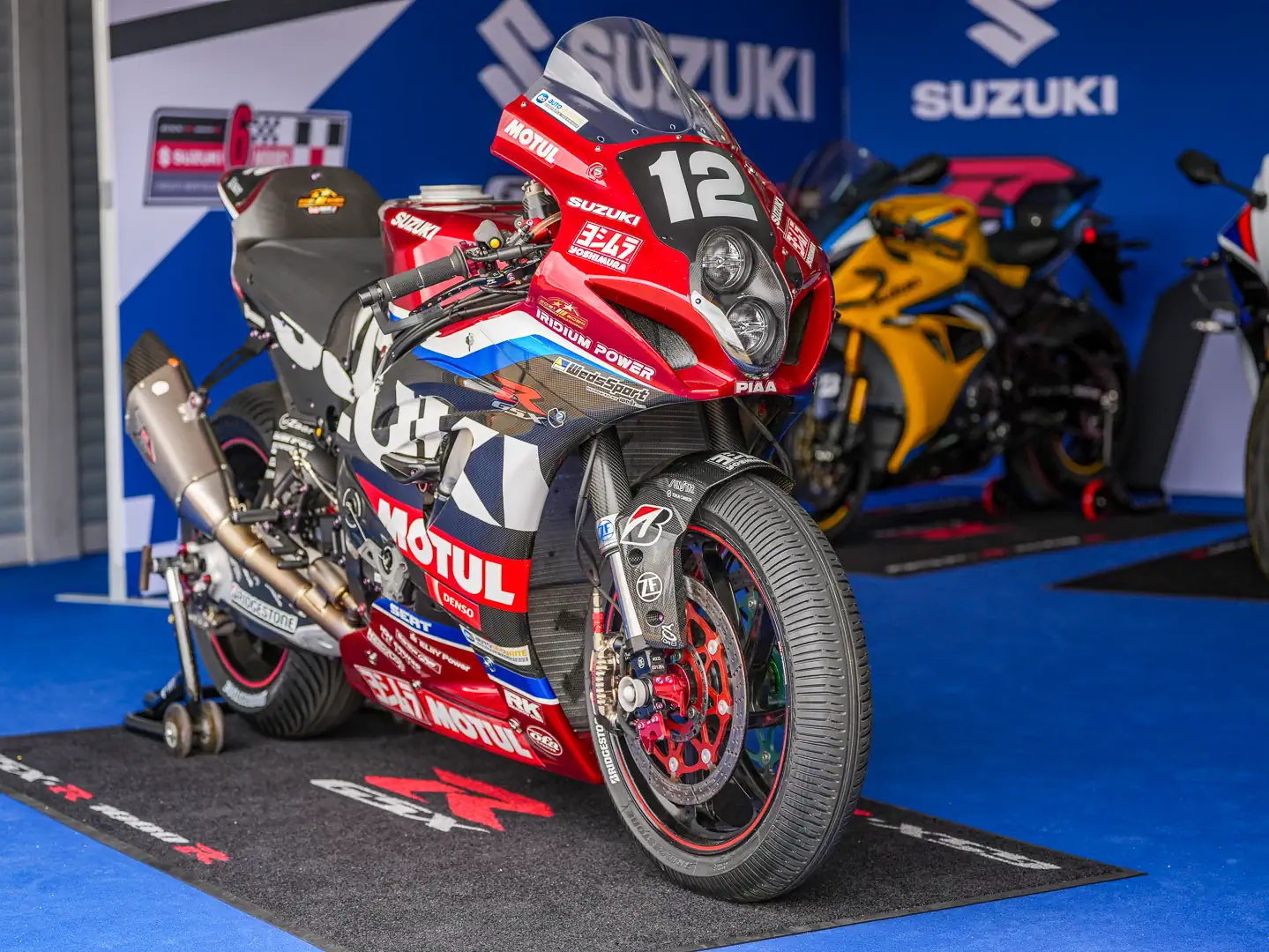
The official Suzuki GSX-R1000R ridden by Yoshimura SERT Motul in the FIM Endurance World Championship.
Above MotoGP, above World Superbike, above all else, the Big Four Japanese manufacturers view the FIM Endurance World Championship (EWC) as something more than racing, elevating it to the point of cultural pride. They should, as it takes a special blend of performance and bona fide reliability to survive hours of relentless punishment. Hence, some of the brightest spots of the GSX-R’s rich résumé are tied to the brand’s successes in EWC. Suzuki holds 21 EWC manufacturer titles, with 15 won aboard the GSX-R1000 platform.
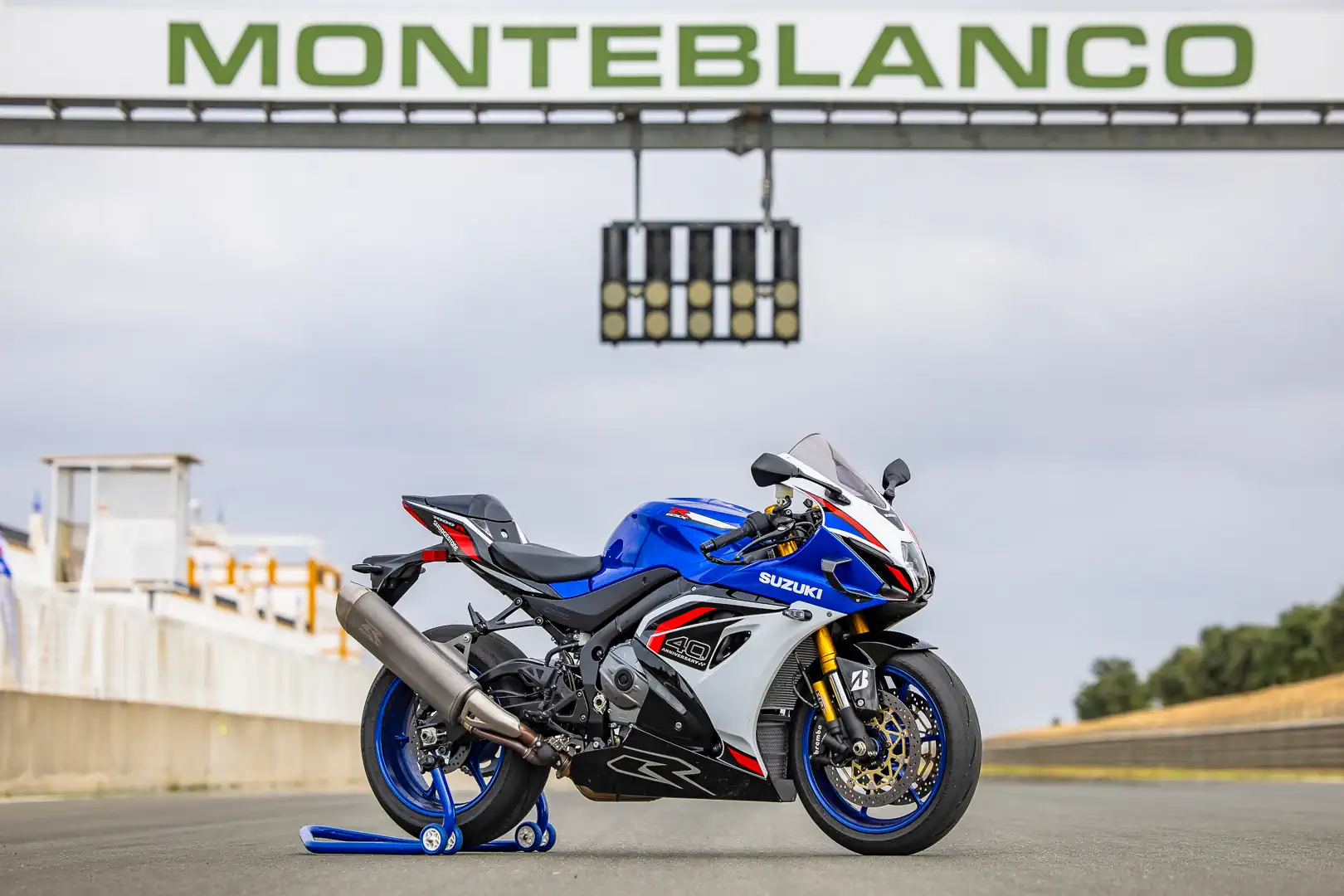
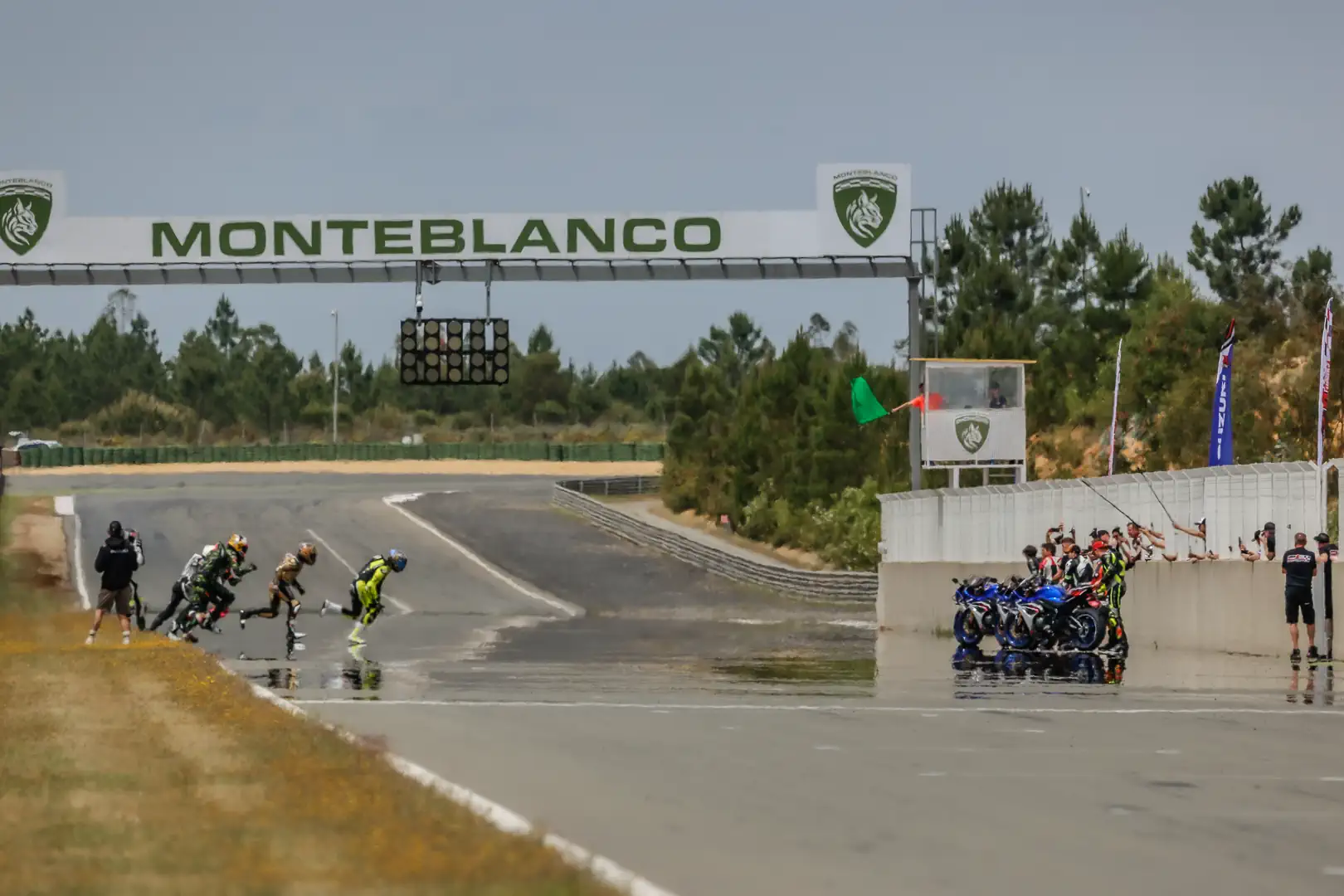
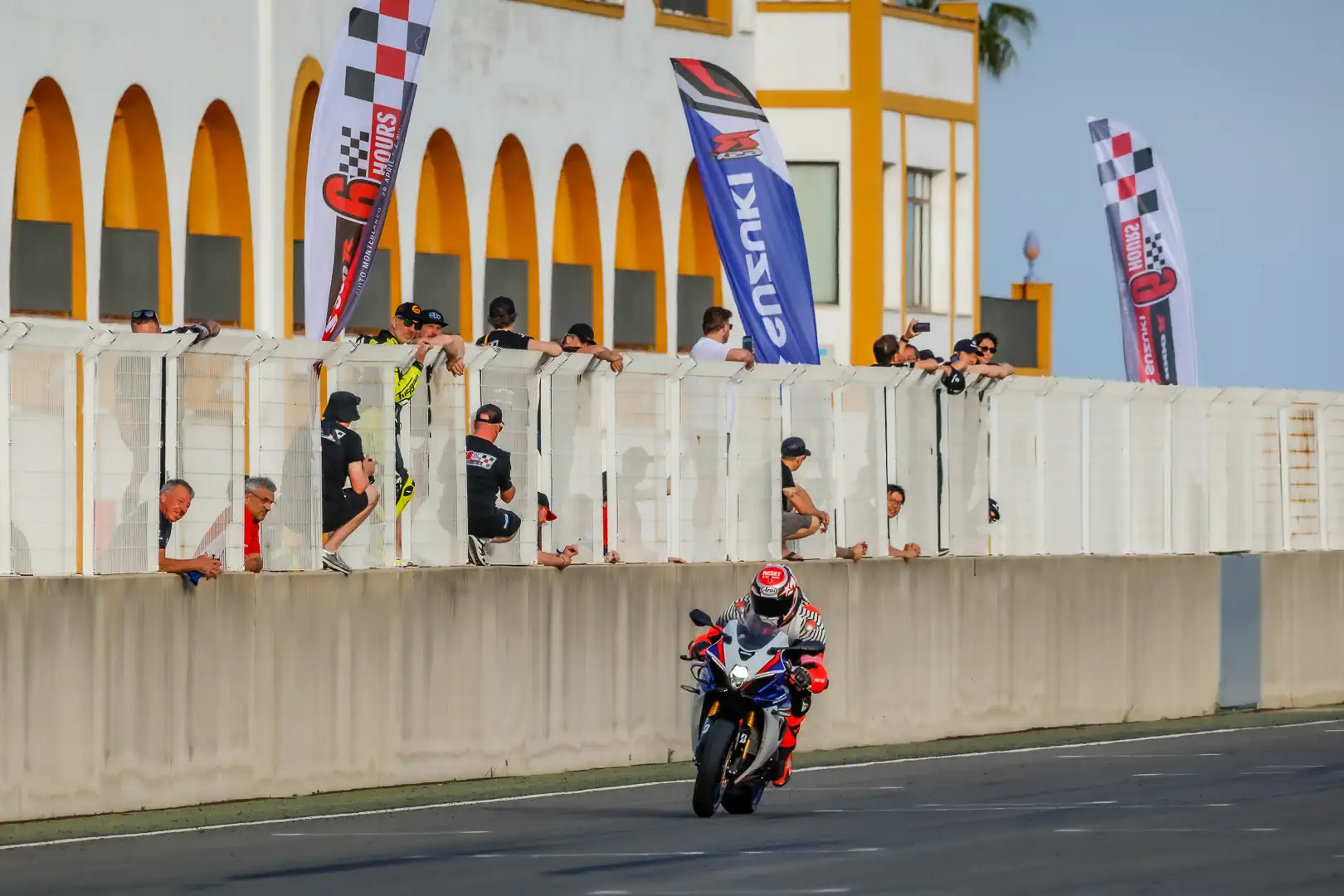
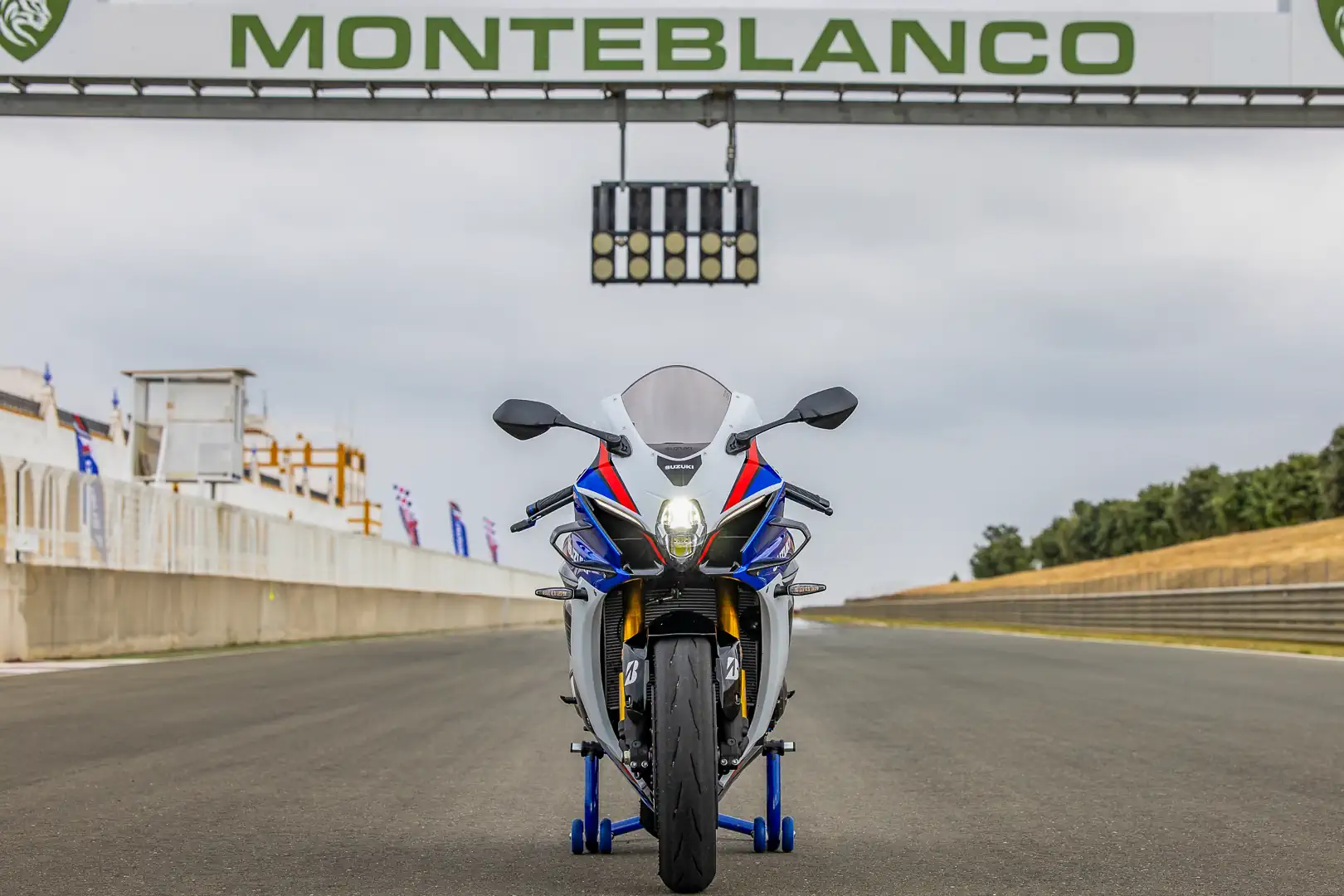
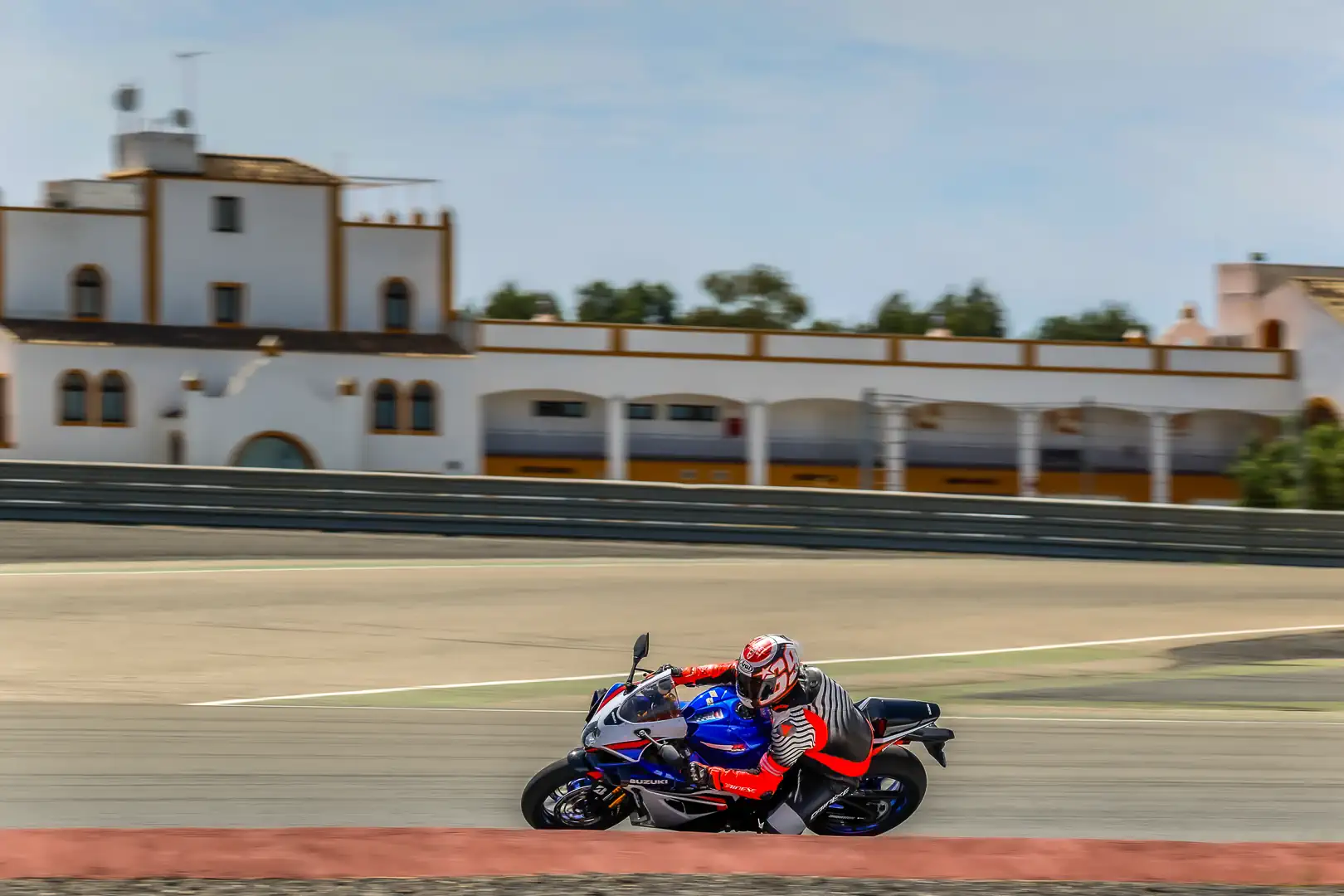
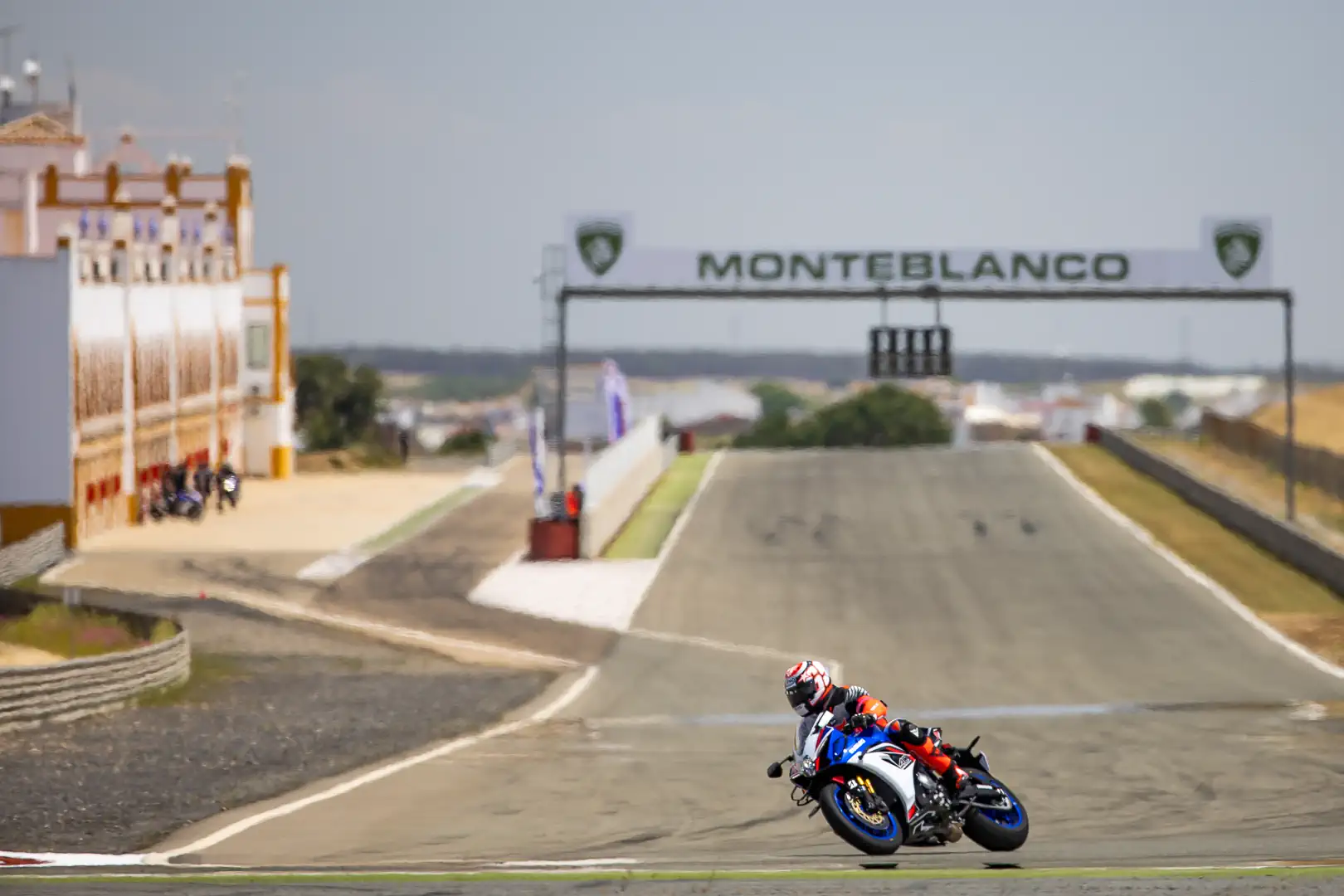
That legacy frames Suzuki’s launch for the 2027 Suzuki GSX-R1000R, which also marks its triumphant return to the European market. Rather than organize another tidy international press ride featuring a handful of sessions, Suzuki invited journalists to Circuito Monteblanco, 35 miles east of Seville, Spain, for the Suzuki 6 Hours — a play on the legendary Suzuka 8 Hours endurance race.
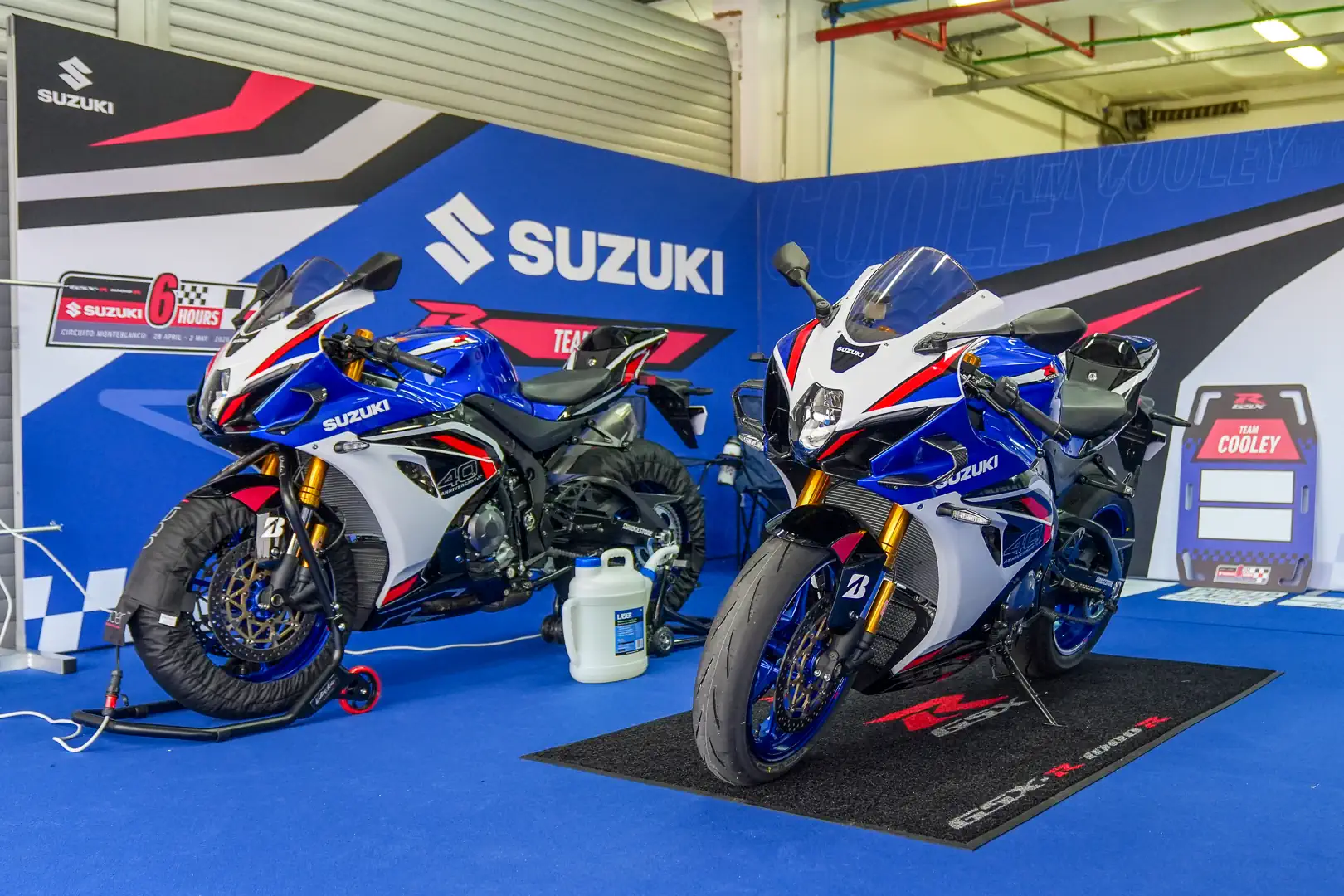
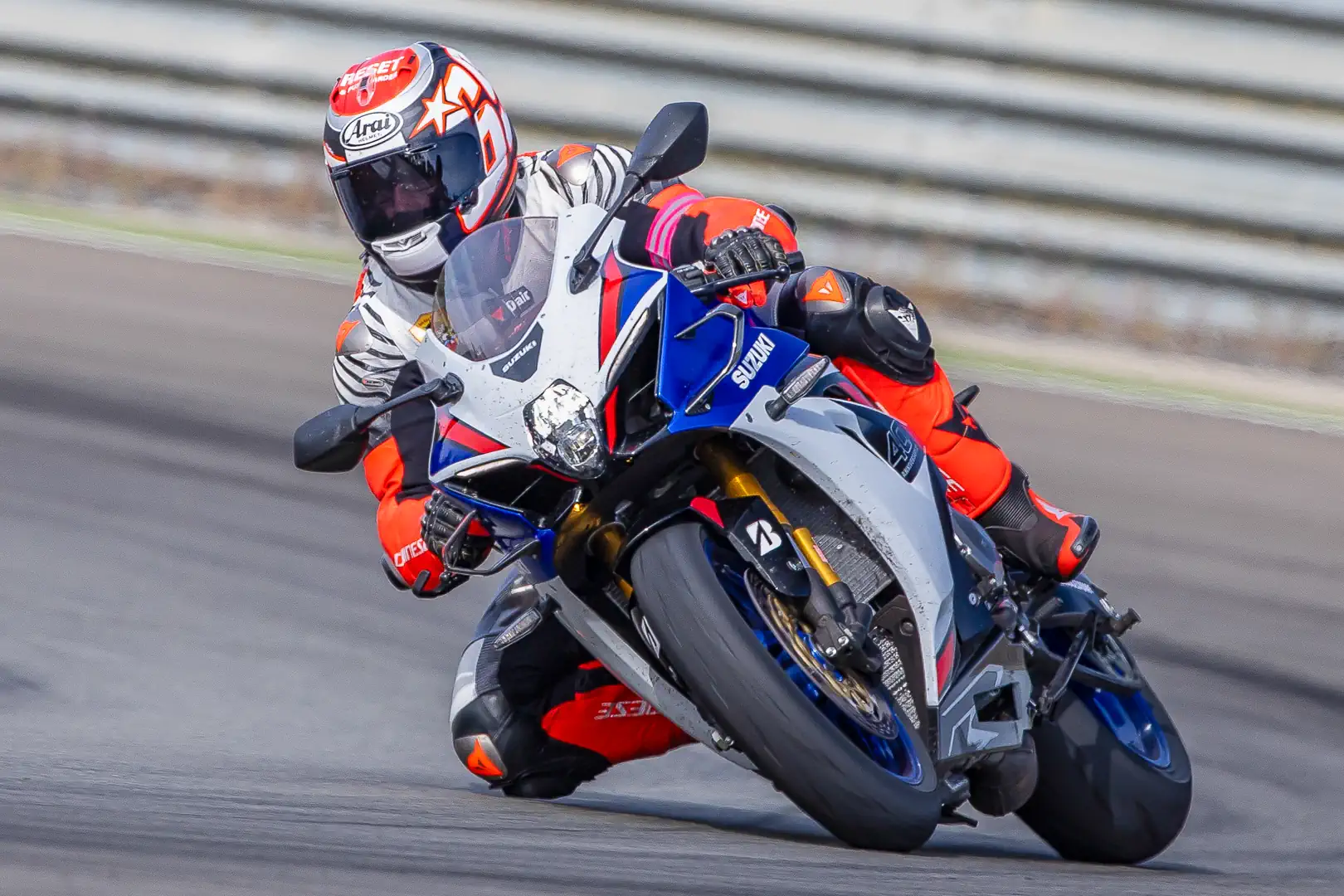
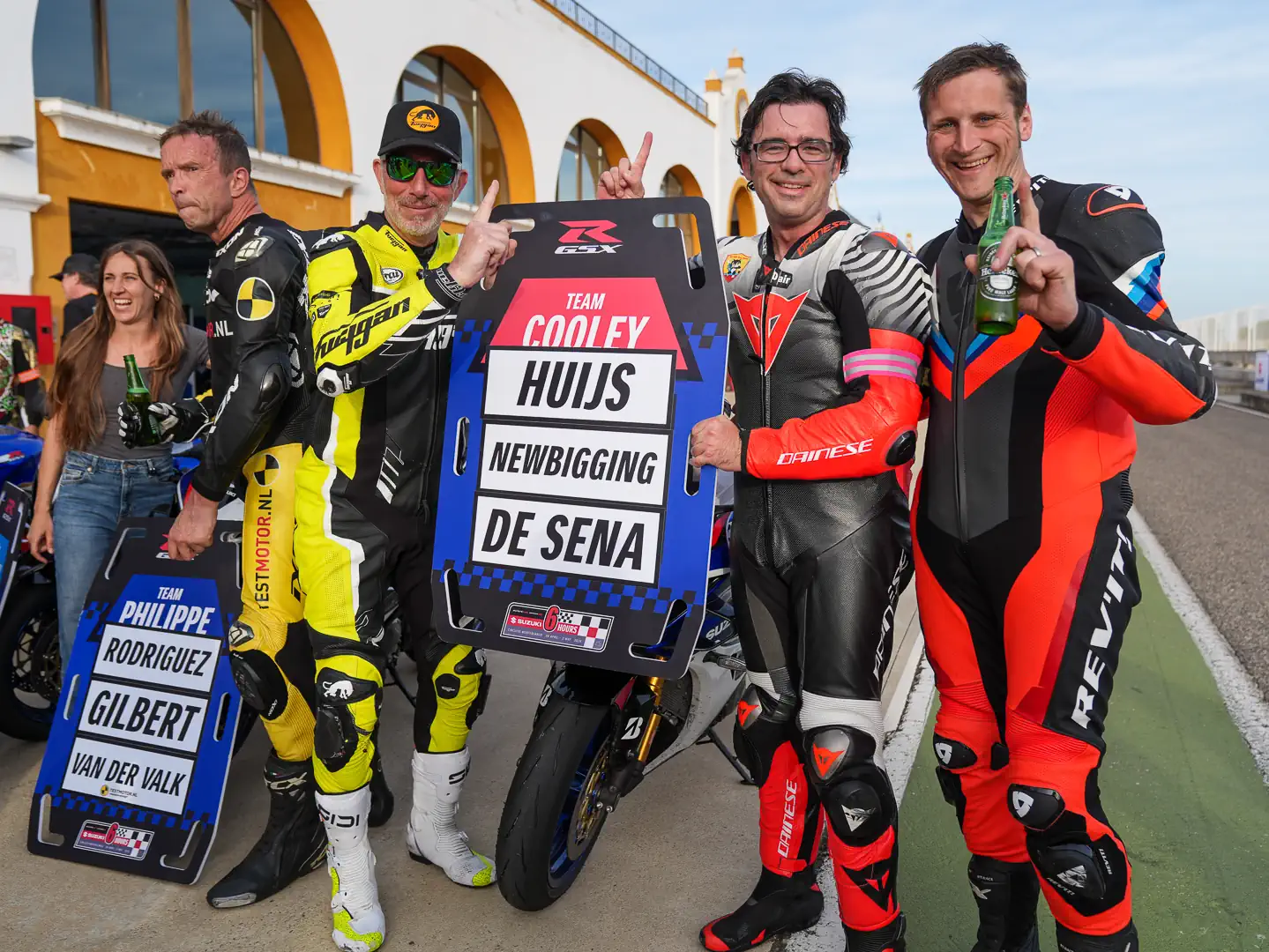
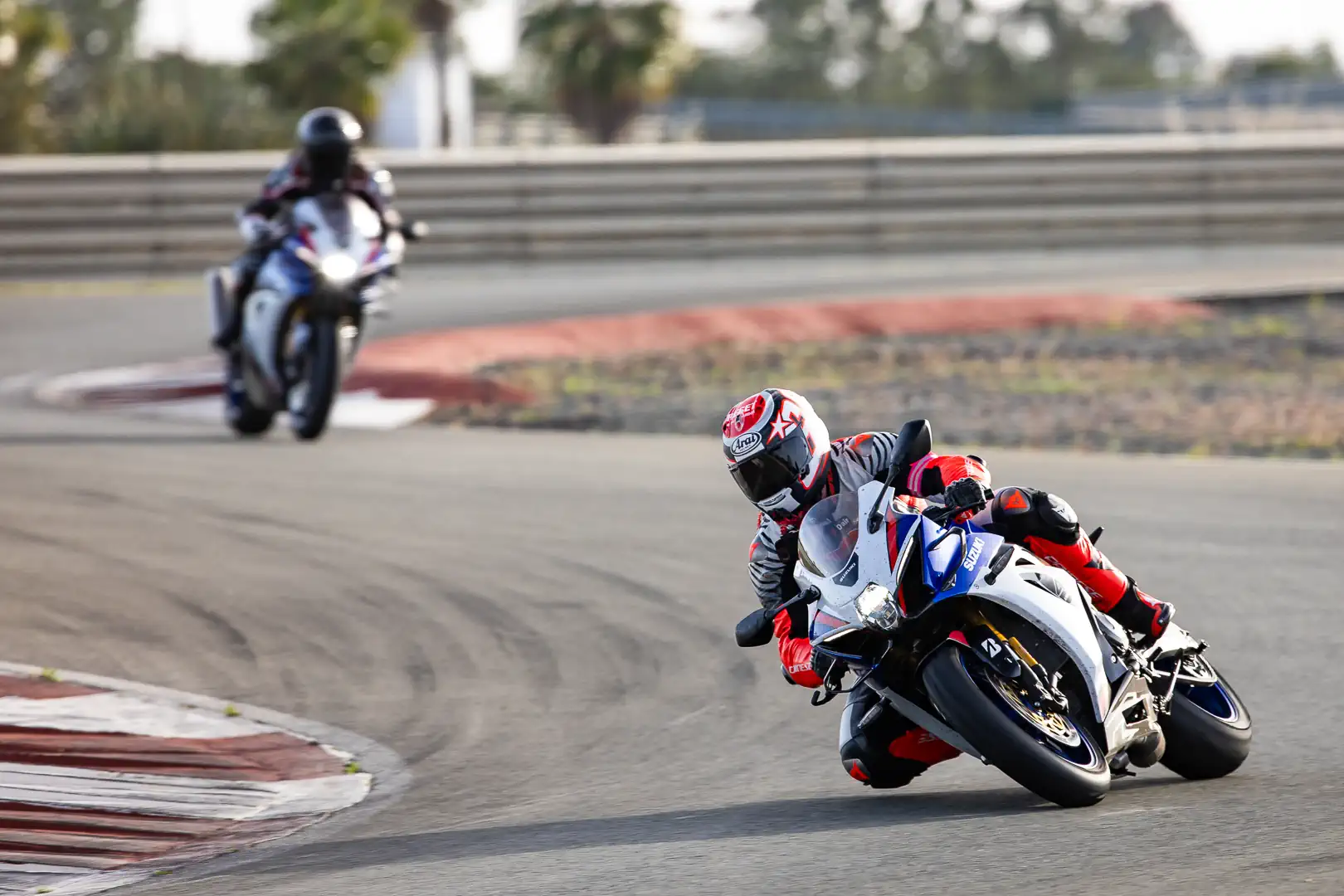
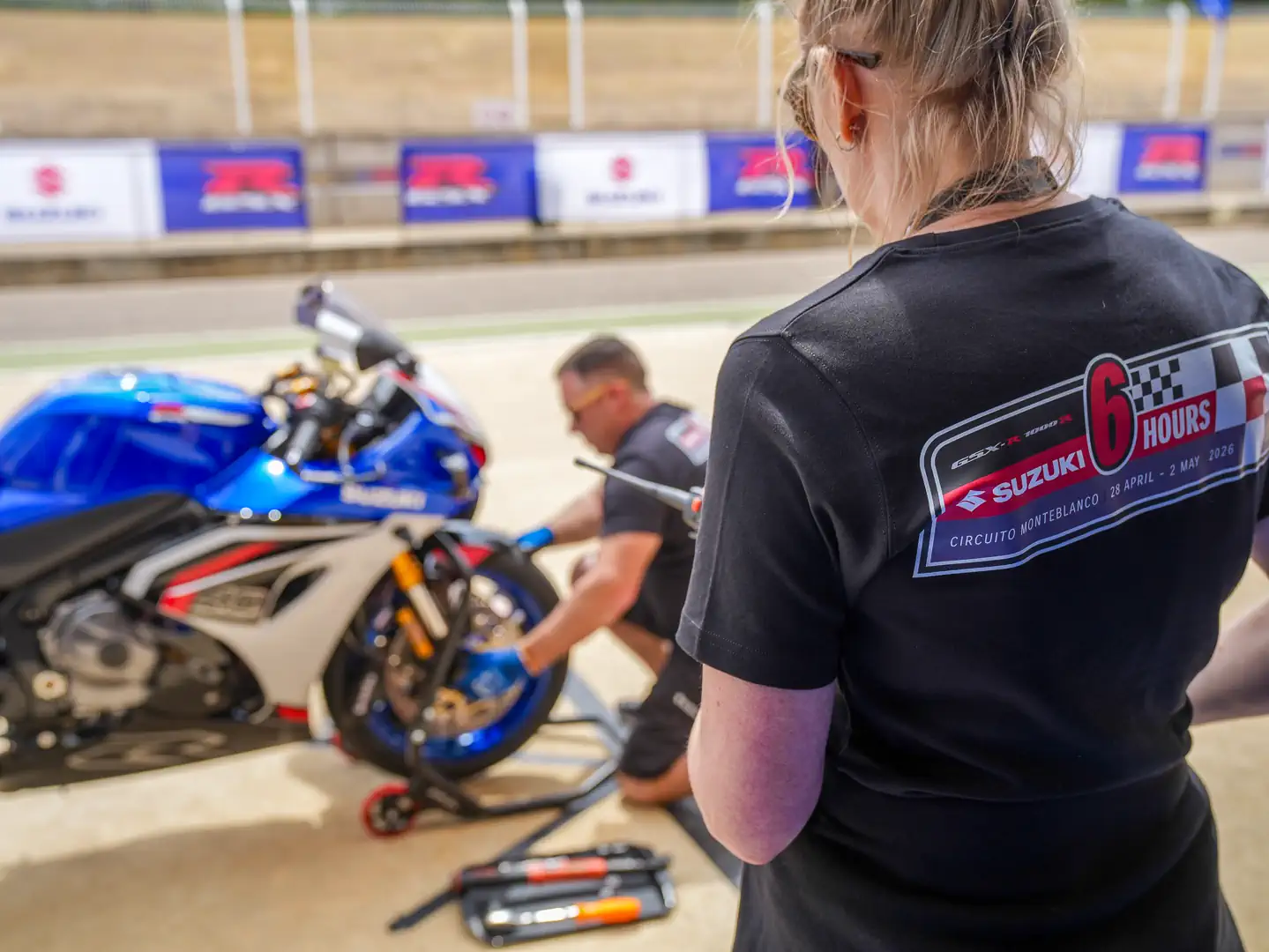
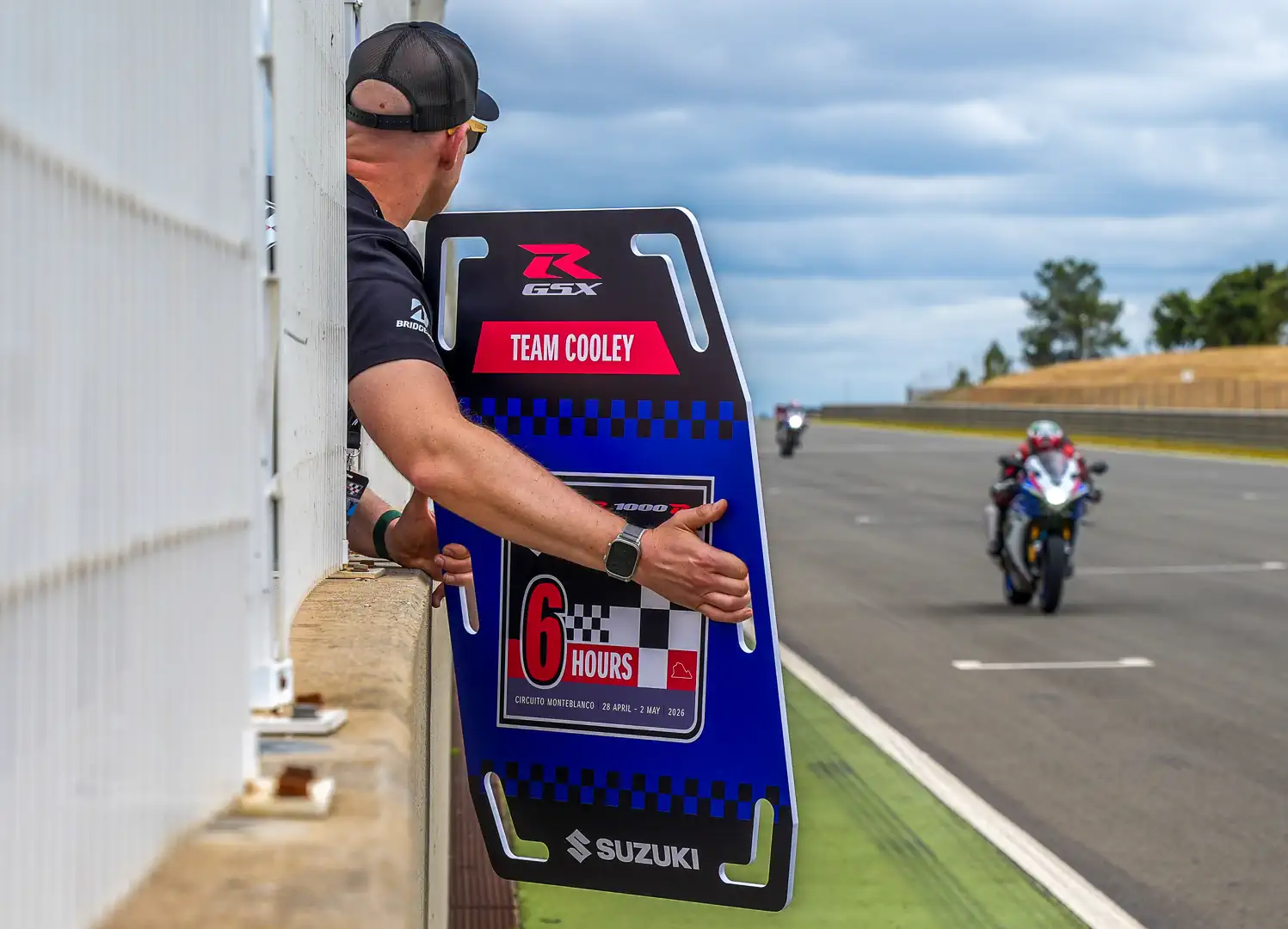
The concept was refreshingly straightforward, albeit downright ballsy for a manufacturer to pull off. Six three-rider teams participate in a six-hour endurance-style event aboard identically prepared GSX-R1000Rs. A crack team of Suzuki factory mechanics handles tire changes, fuel top-ups, pad changes, and signaling rider swaps via pit boards. We got the full factory treatment. We were repeatedly assured that this was “not a race,” though staging an endurance-racing simulation with a Le Mans-style start procedure continued to blur the line between testing and competition.
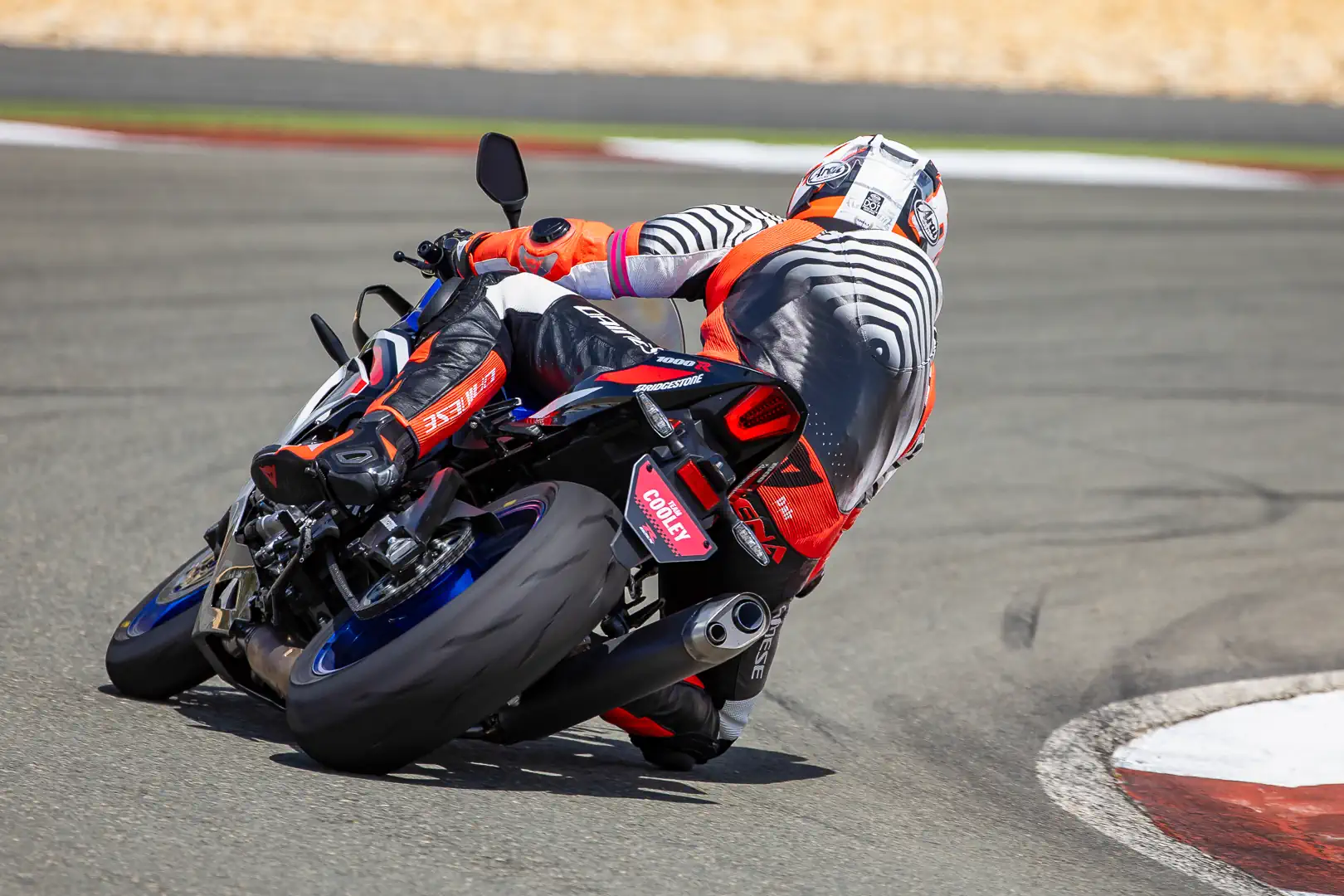
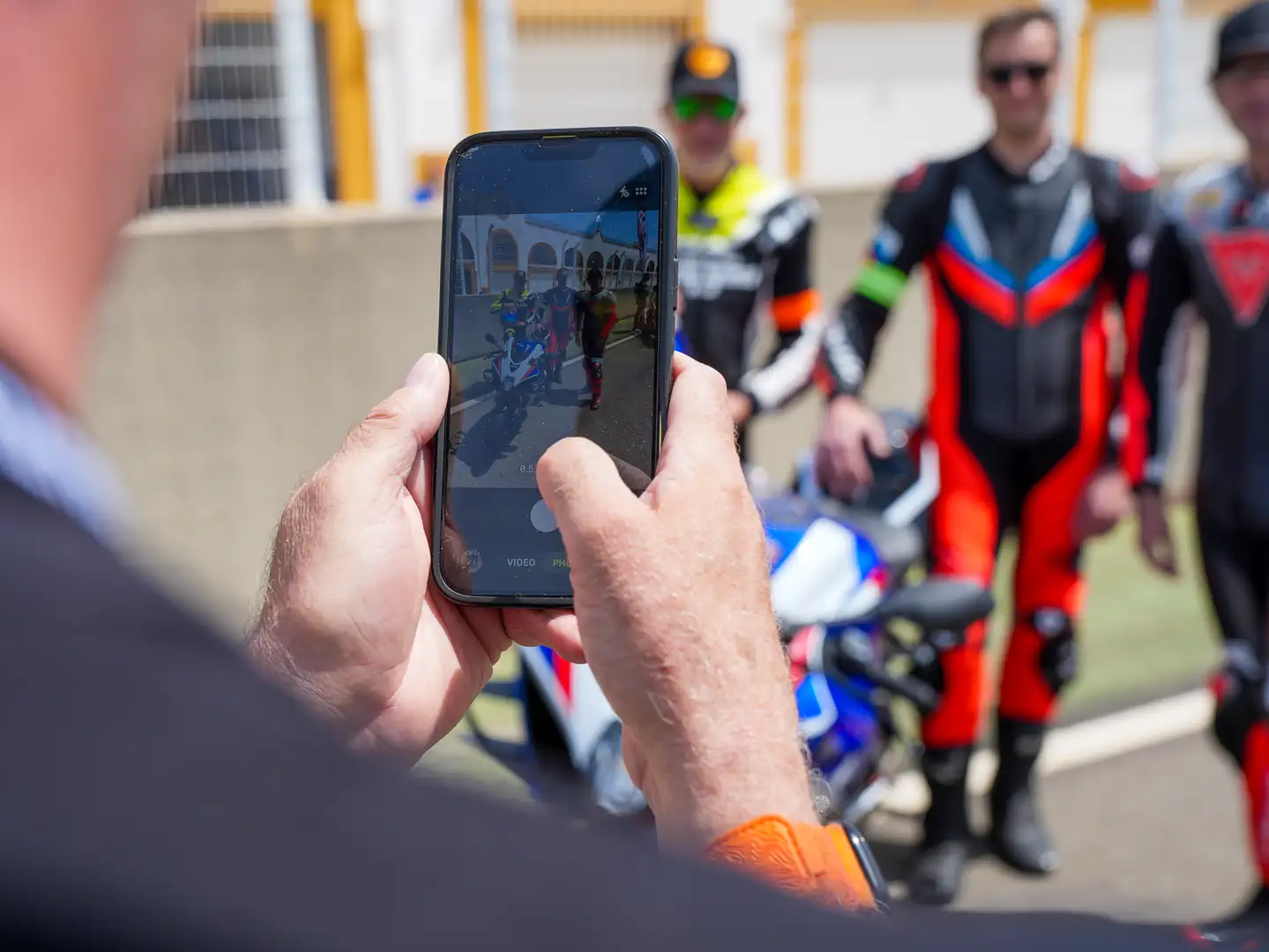
Yours truly was paired with Chris Newbigging of England’s Motor Cycle News and Ron Huijs of Holland-based Motorfreaks on Team Cooley, named after two-time AMA Superbike Champion Wes Cooley. With the teams set and pleasantries exchanged, Team Cooley’s motley international crew had two 20-minute warm-up sessions to figure out Monteblanco’s fast perimeter layout and become acquainted with the latest iteration of our old pal, the GSX-R. Once the endurance event started, each rider would complete four 30-minute stints throughout the afternoon and early evening.
Rather than presenting the bike in prim and proper form for each session, we were able to see how the GSX-R1000R would behave as temperatures climbed, riders settled in, netting one hell of a thorough experience. Some stints began with fresh Bridgestone Battlax Racing Street RS12 tires and fresh brake pads. Other sessions unfolded with worn rubber, worn muscles, and everything in between.
Riders Ready, Get Set: Go!
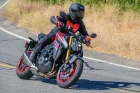
Team Cooley’s very own flying Dutchman, Ron Huijs, sprinted to our GSX-R, fired it up in grand fashion, and the race — ahem — test was on. With his first stint complete, the UK’s Newbigging tidily wrapped up his ride before it was my turn. What emerged almost immediately was Suzuki’s refusal to chase modern superbike performance excess and focus on what’s made the GSX-R attractive since day one: rideability.
The significantly updated 999.8cc inline-four produces a claimed 192 hp at 13,200 rpm and 81 lb-ft of torque at 11,000 rpm, according to Suzuki. In the current superbike category, those numbers no longer dominate conversations. European competitors such as the Aprilia RSV4 Factory, BMW S 1000 RR, Ducati Panigale V4 S, and Honda CBR1000RR-R Fireblade SP have all pushed well beyond 200 hp. Yet the GSX-R1000R never feels remotely lacking in performance once circulating at speed. If anything, Suzuki’s restraint has become one of the motorcycle’s greatest strengths.
As modern superbikes have evolved into astonishingly capable machines, many have also become deeply demanding motorcycles to ride quickly. The latest generation of weapons-grade I4- and V4-powered superbikes can produce extraordinary lap times in expert hands, yet it comes at a cost. They extract as much from the rider as the rider does from them. The GSX-R1000R approaches performance differently. It remains seriously fast, though without overwhelming the rider physically or mentally.
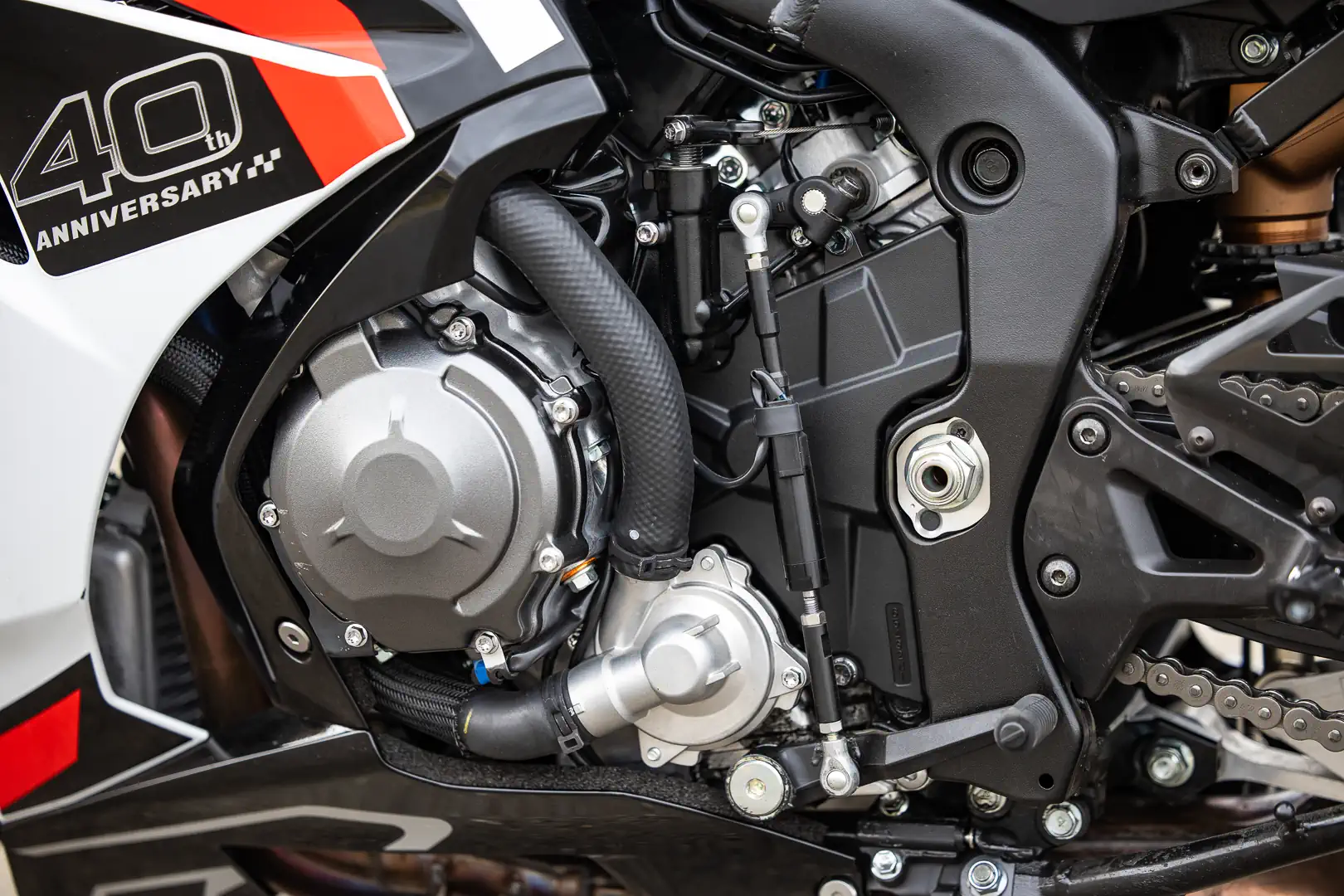
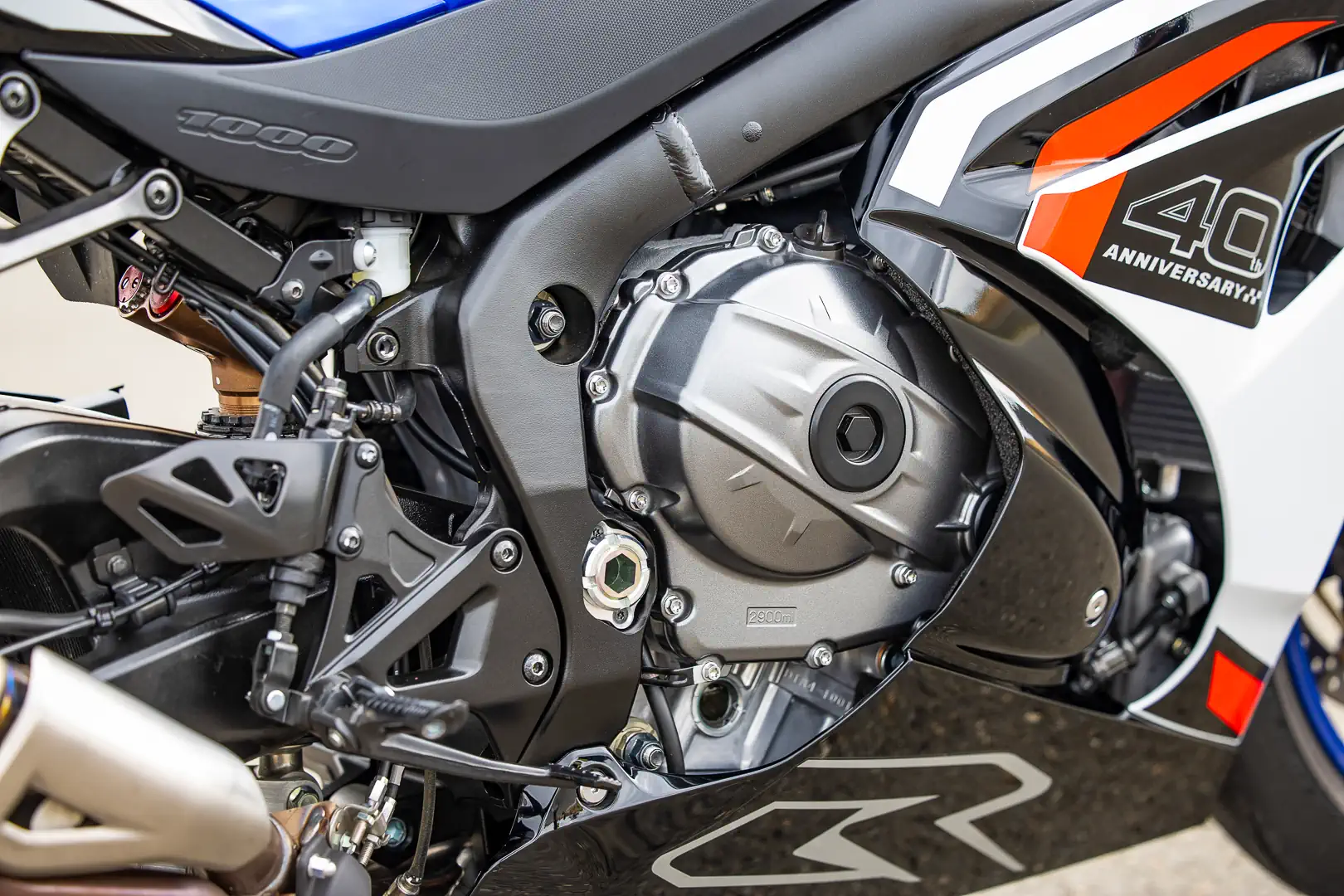
As is often the case with Suzuki, it’s what’s inside that makes up the updates. Compression rises from 13.2:1 to 13.8:1 through a reshaped piston design that shaves three grams. The exhaust valve diameter is increased by 1mm, and ports are optimized, while the finger followers receive a new shape literally intended for aftermarket racing camshafts. The stock camshaft is new, too, maintaining the same peak lift while reducing overlap to meet emissions requirements without hampering top-end performance. Remember the kneecapped Kawasaki Ninja ZX-6R? That’s not the case here, friends.
Suzuki strengthened the crankshaft by increasing the journal diameter by 2mm, making it better able to withstand higher loads and temperatures in race-tuned engines. It’s a race-inspired request that benefits everyone. The extra mass quells vibrations, though it also means the crankcases need to be updated to fit. A wider cam chain is designed to reduce friction losses and improve efficiency.
The intake funnels transition from a dual-stage to a single-stage arrangement. Working in conjunction with a 2mm larger throttle body, it allows the GSX-R to breathe easier and improve ride-by-wire throttle response. To help meet Euro 5+ emissions standards, new downstream 8-hole injectors have been added to provide additional fuel at high rpm, and the fuel pump pressure has been increased.
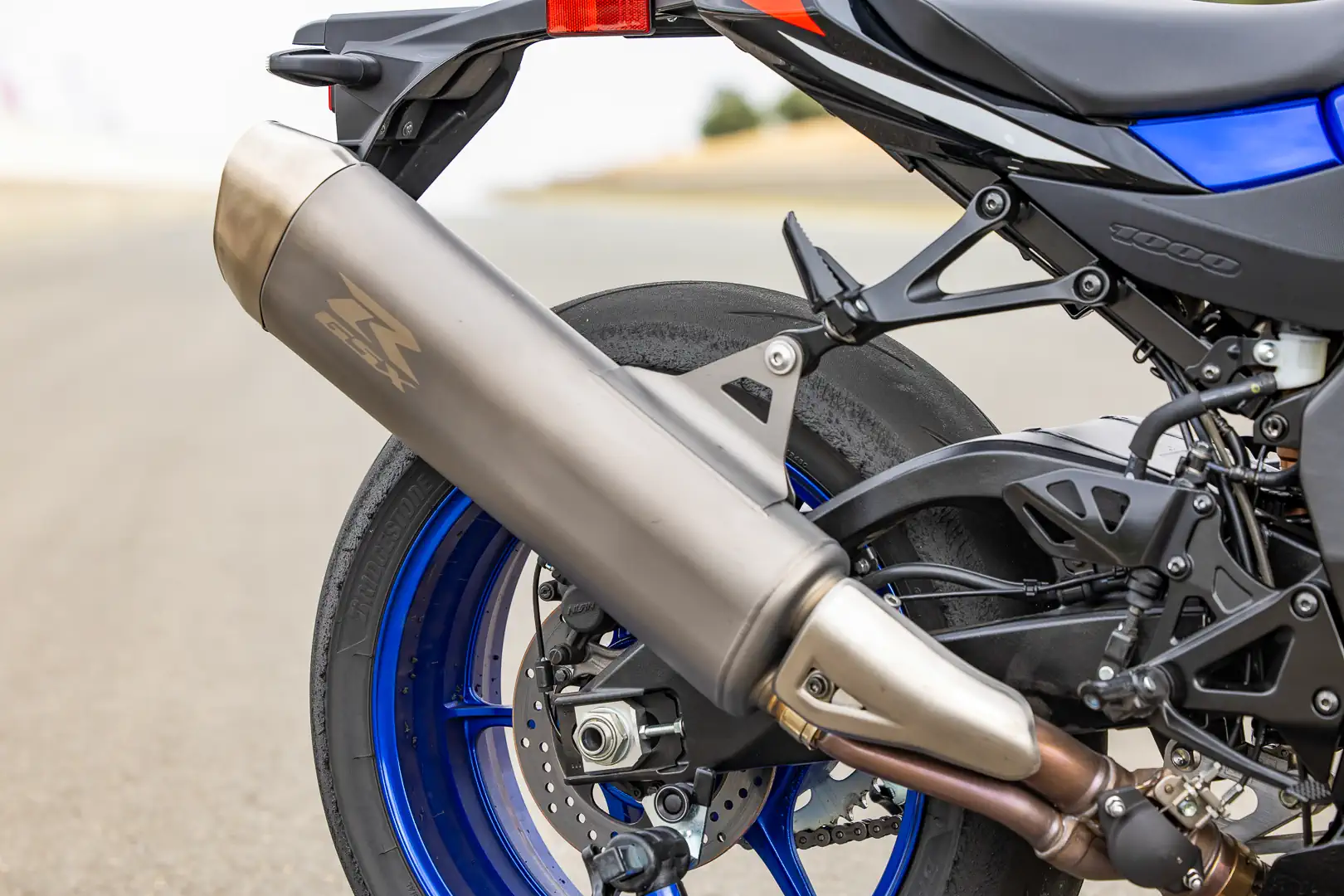
Tweaks continue to the revised exhaust system. The header and mid-pipe diameters are updated to maintain performance amid stricter emissions standards. Similarly, the catalytic converter is moved closer to the engine to reduce warm-up time and meet emissions compliance. Lengthy as it is, the titanium muffler reduces volume from 8.3 liters to 5.5 liters, and, if this scribe is honest, it looks tastefully old-school.
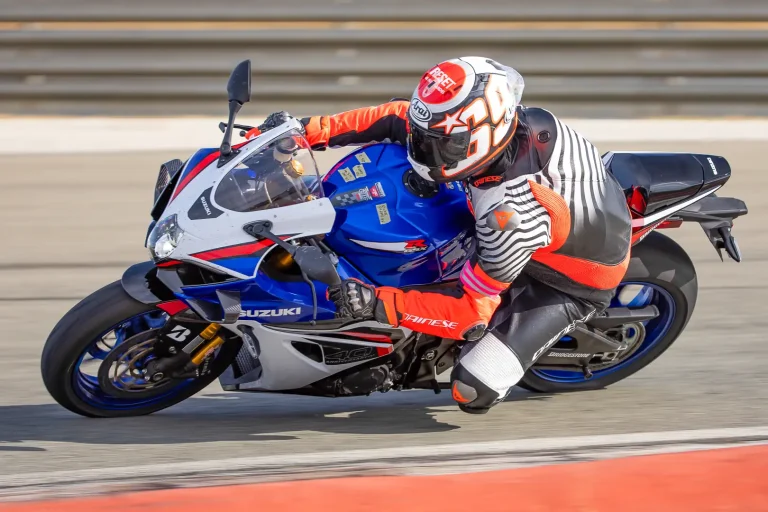
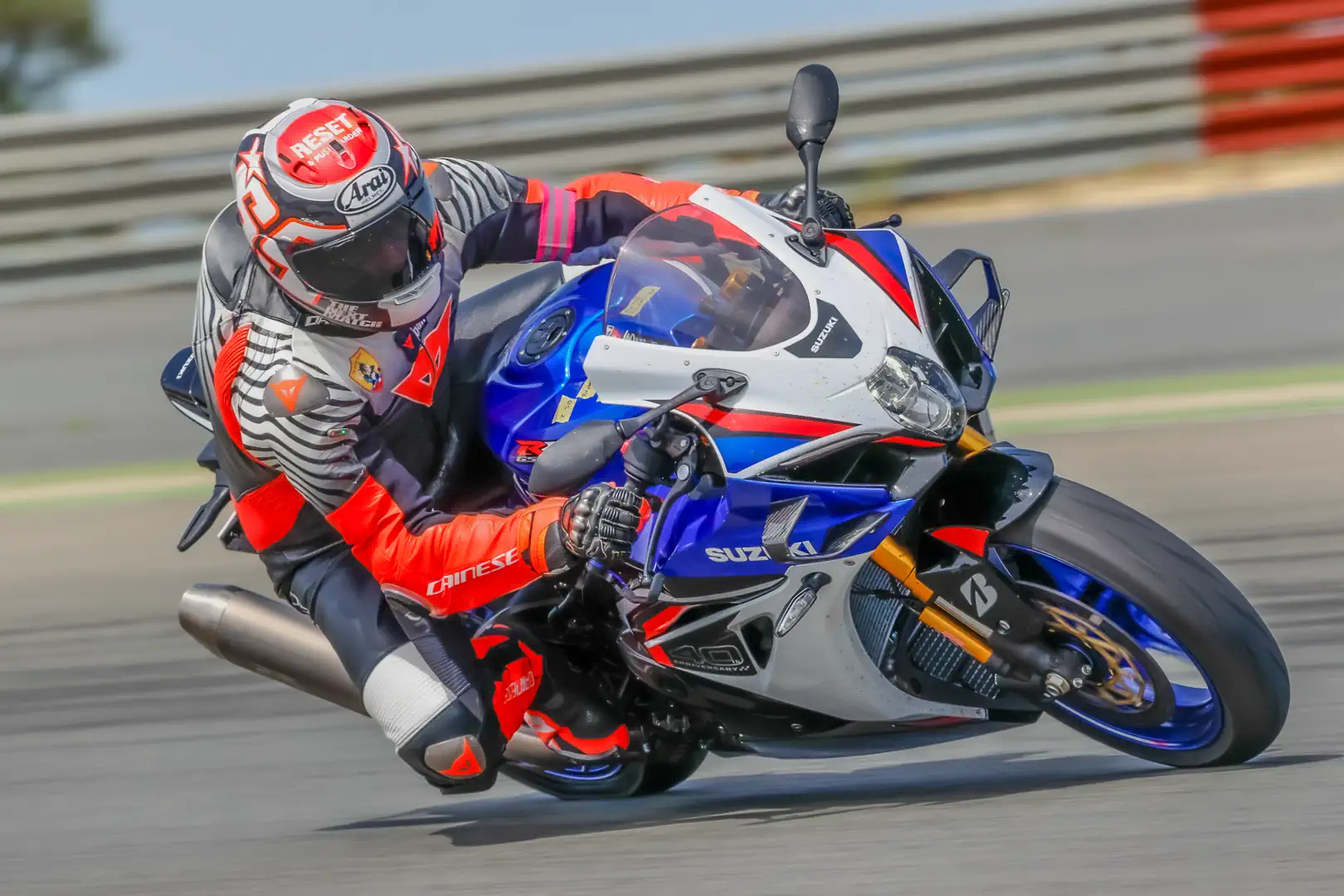
Out on track, the 2027 Suzuki GSX-R1000R feels smoother and pulls cleaner. Perhaps it’s the placebo of a simulated race talking, but it does it all a tick better than its predecessor. The elegantly simple Suzuki Racing Variable Valve Timing system continues to be worth its weight in gold, and is unchanged for this year. Integrated into the intake cam sprocket, the centrifugally operated system uses steel balls to alter intake timing at high rpm, avoiding the need for hydraulic actuators or complex electronic intervention. In effect, we end up with usable, rich, linear torque that makes mincemeat of Monteblanco’s tight technical sections.
Things aren’t peaky like I4s of the past, or in some cases, present. Exiting this Spanish circuit’s rear chicane, the GSX-R’s mighty midrange drives you forward with satisfying urgency, though without the kind of violence that simply saps energy. While the larger crank journals were introduced primarily to withstand the rigors of racing, the engine also feels calmer and slightly more refined near redline. It’s quick, almost deceptively so, when connecting the short chutes between corners or when you’re barreling down the fifth-gear front straight, though a good drive can call for the sixth cog, according to Suzuki’s own EWC rider, Dan Linfoot.
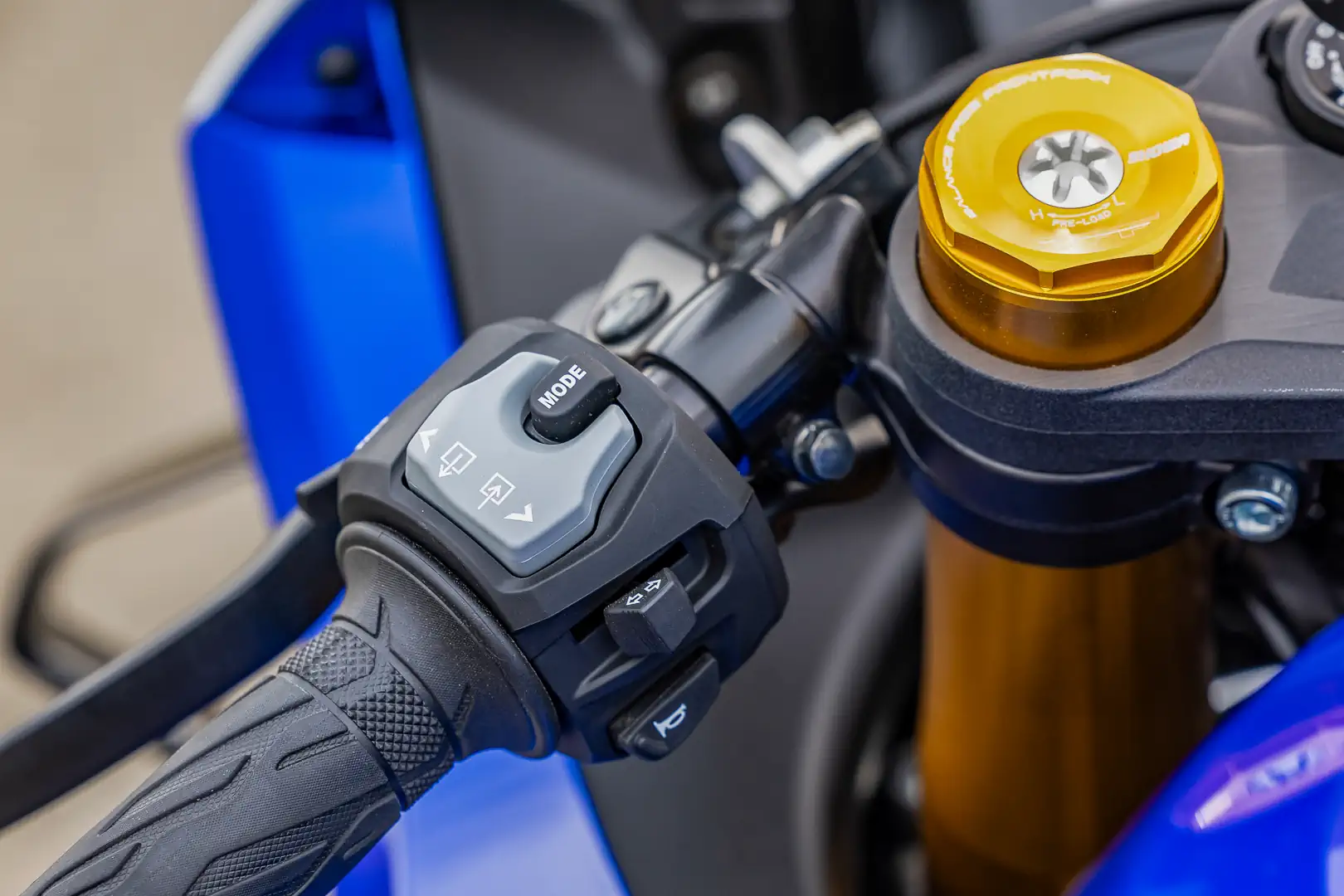
Team Cooley quickly settled on Suzuki’s “B” riding mode. While the most aggressive “A” mode delivers the sharpest throttle response, it is abrupt during initial pickup, a common characteristic of several recent Suzuki ride-by-wire motorcycles. B mode retains full power output while smoothing initial throttle response enough to reduce fatigue over longer sessions. In an endurance-style environment, or just on the road, that smoother delivery pays off.
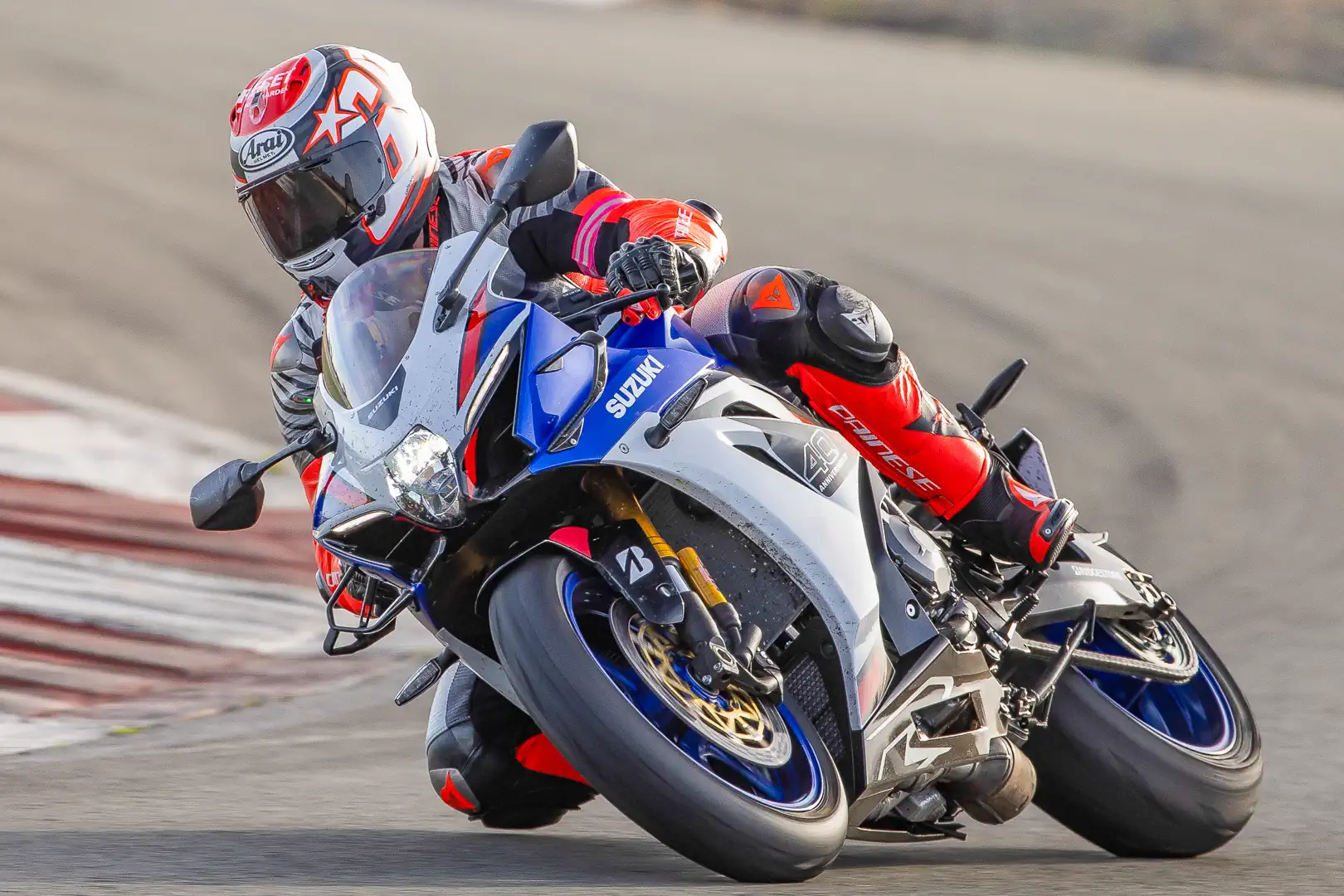
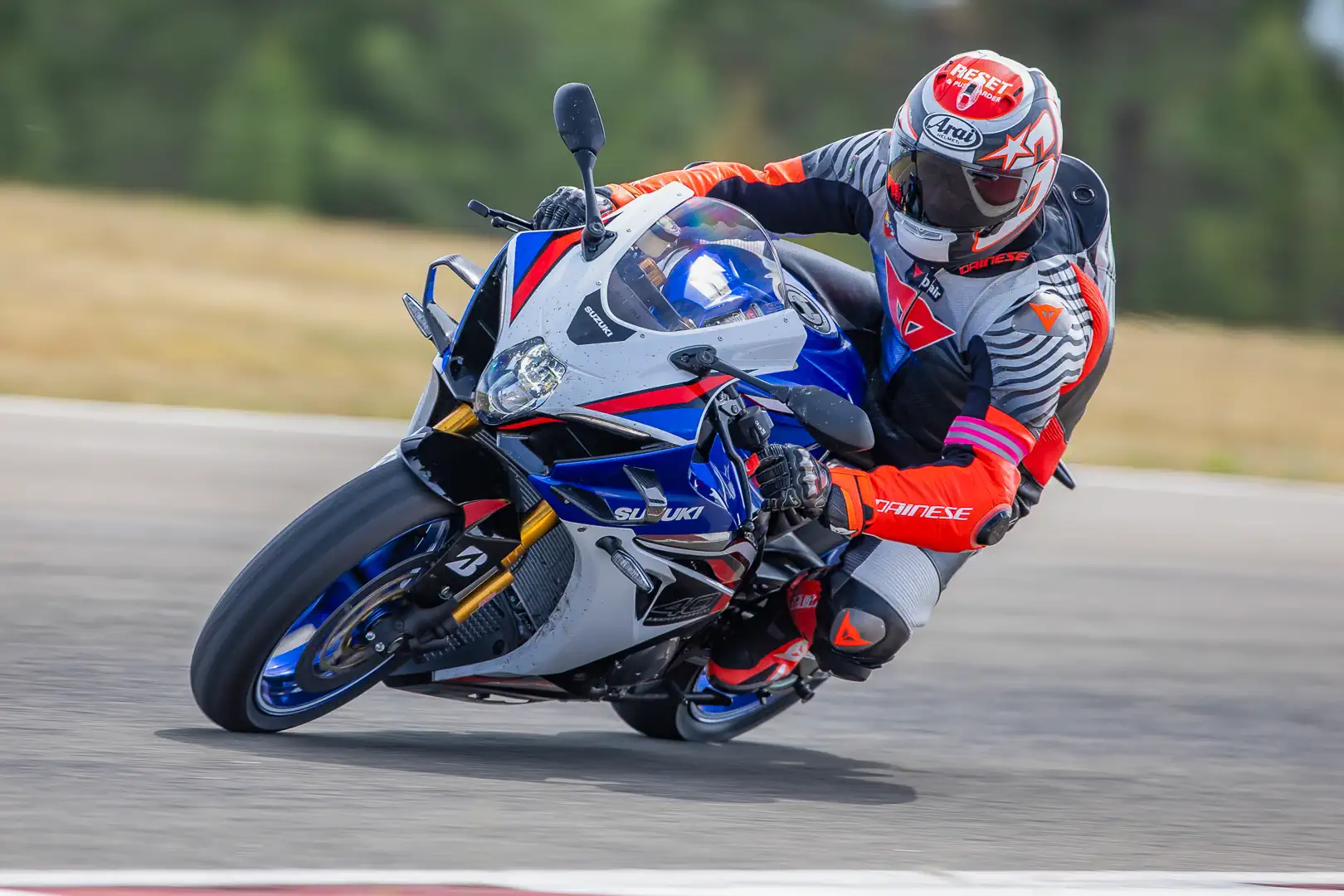
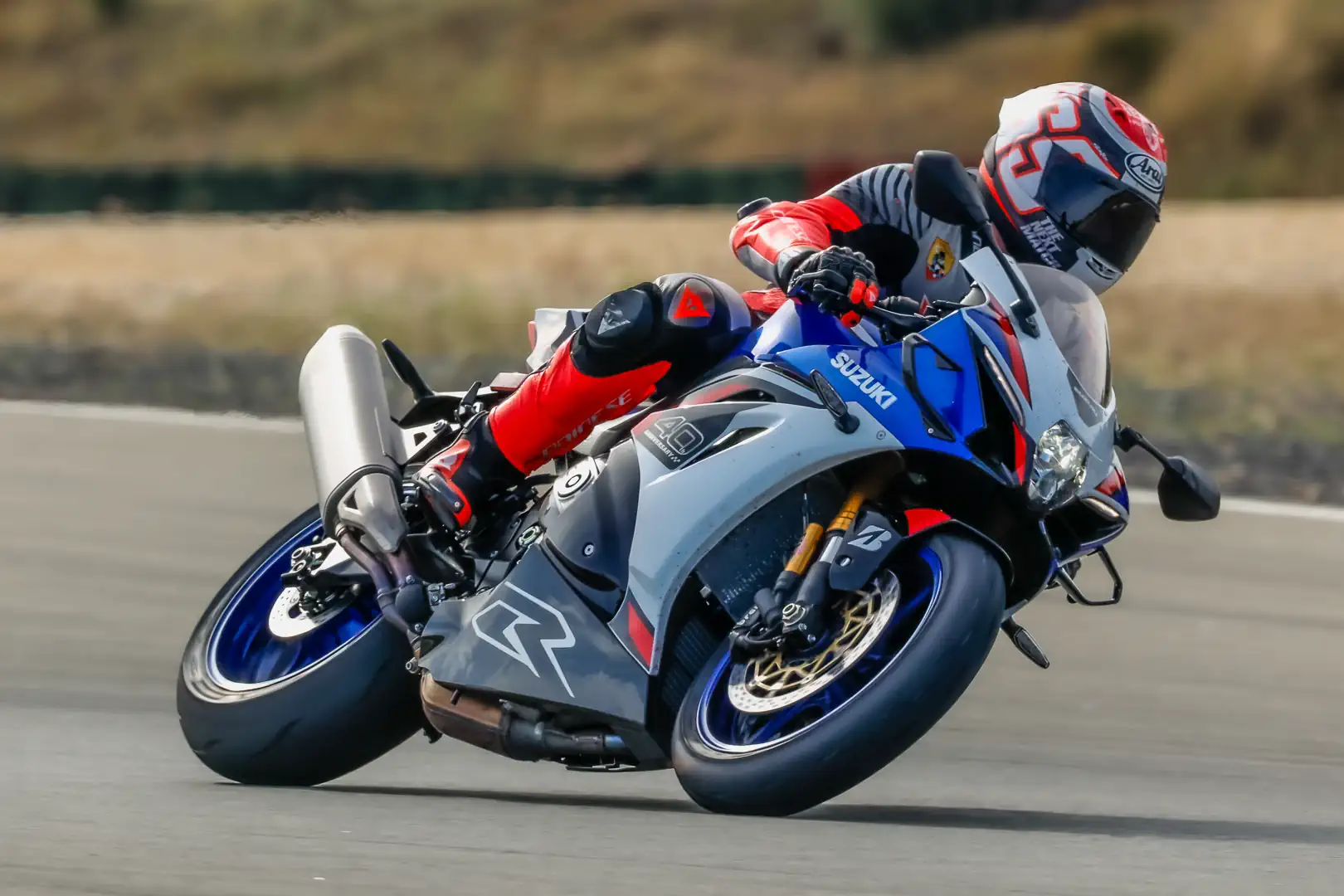
The GSX-R1000R’s chassis contributes equally to that approachable character. Although the aluminum twin-spar frame and swingarm architecture remain fundamentally unchanged from the 2017-generation platform, the GSX-R continues to deliver some of the most natural front-end communication in the superbike category. The Suzuki has neutral steering, so riders don’t have to fight for each apex. The GSX-R carves lines predictably, translating its feedback clearly to keep chipping away at lap times.
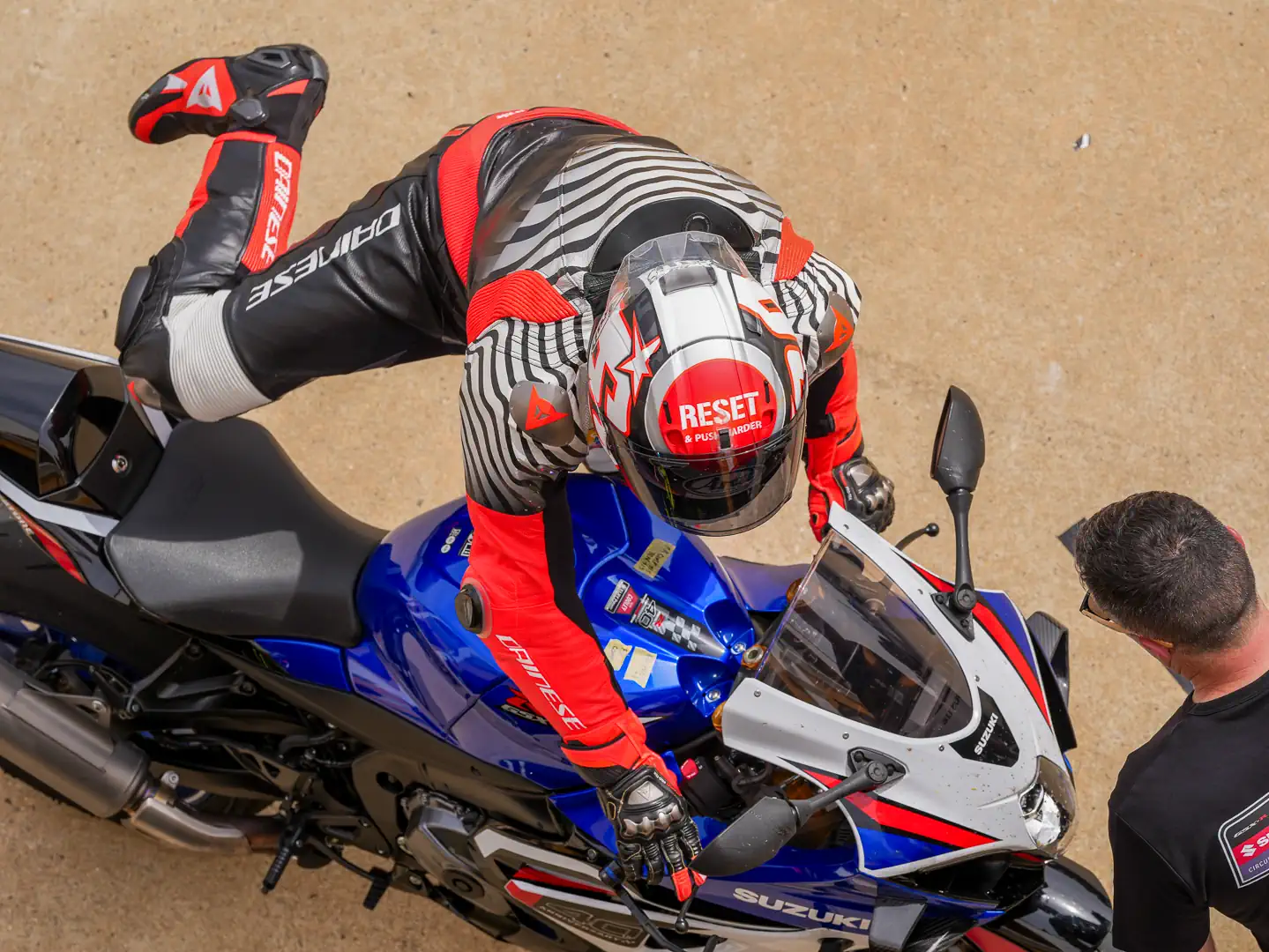
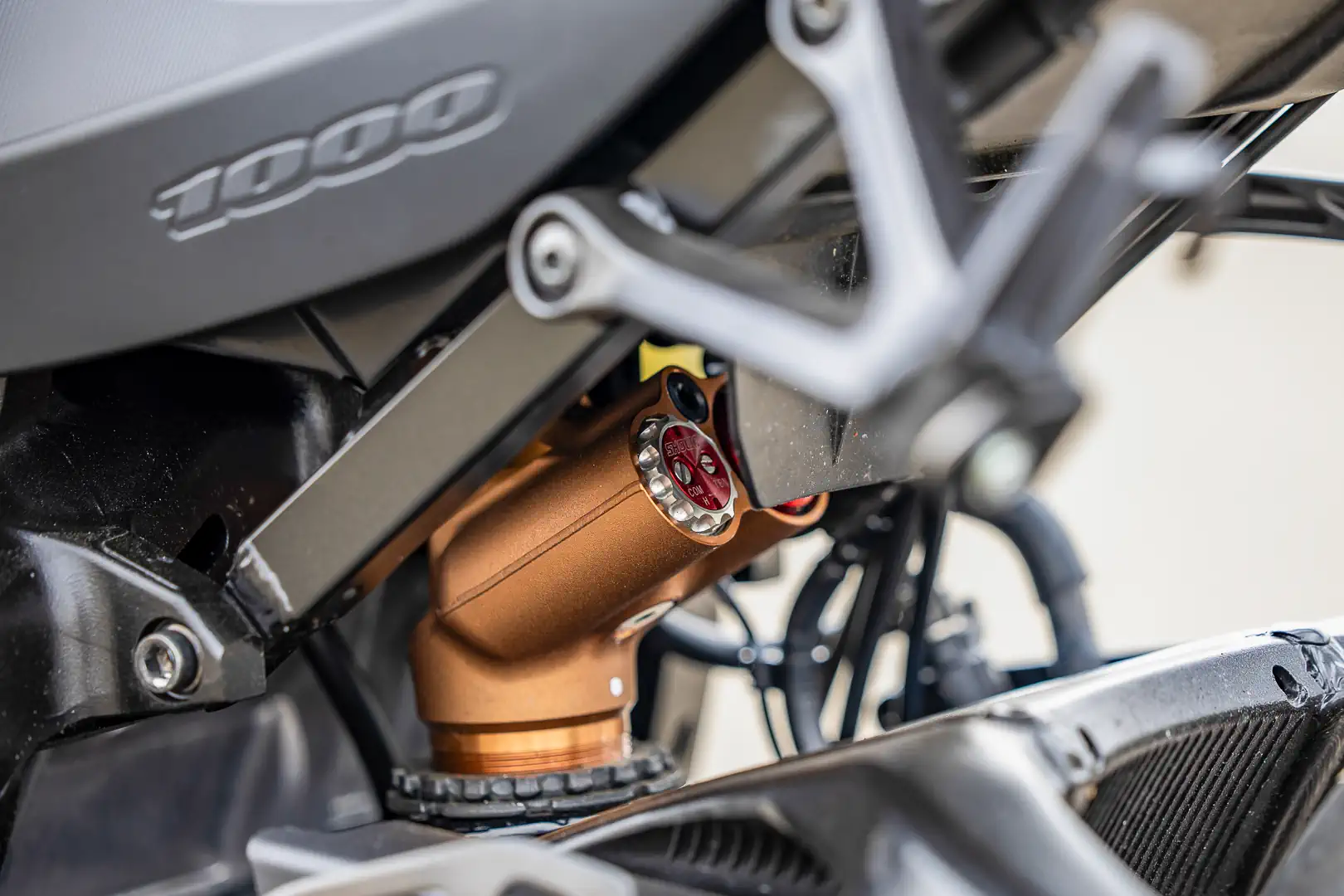
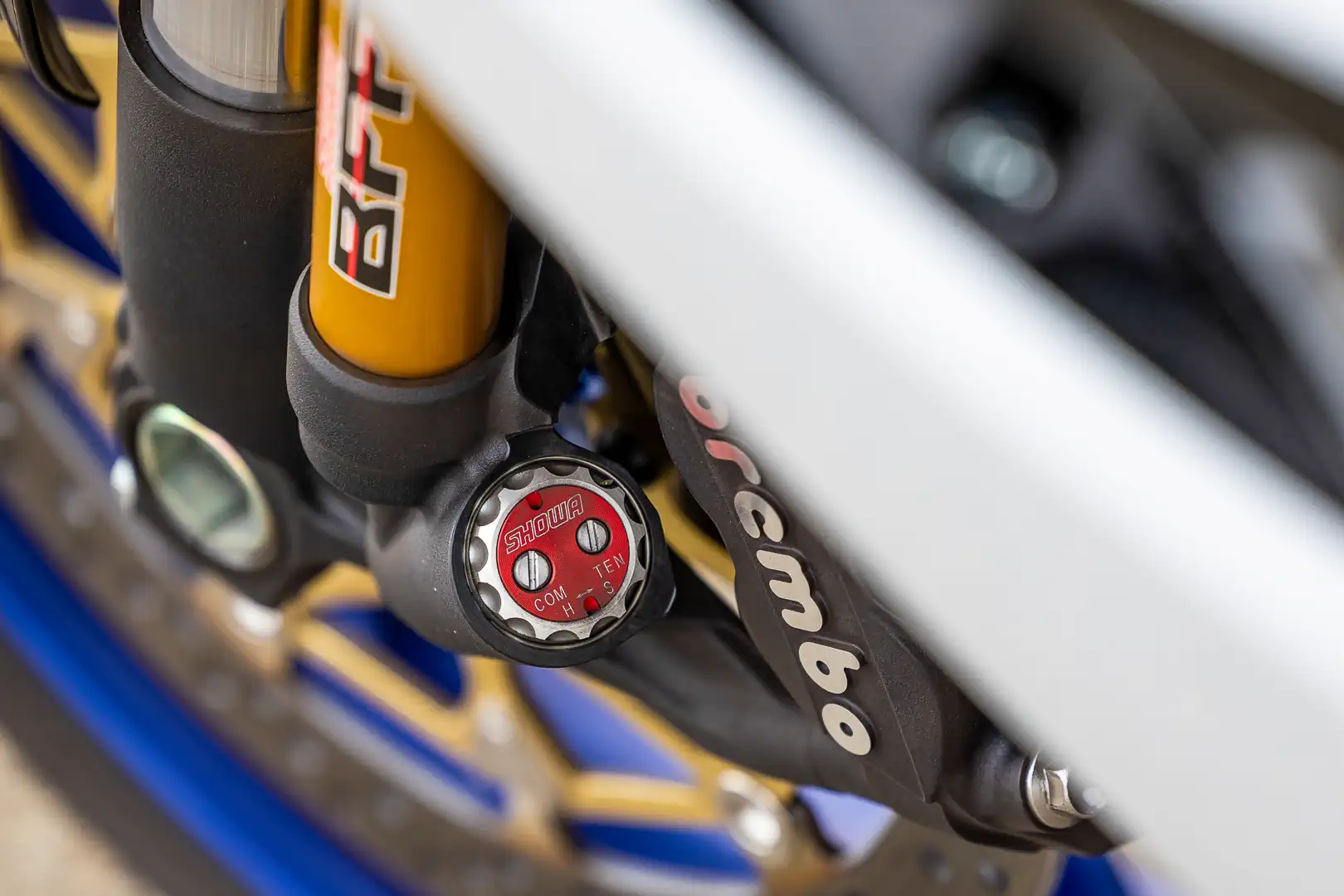
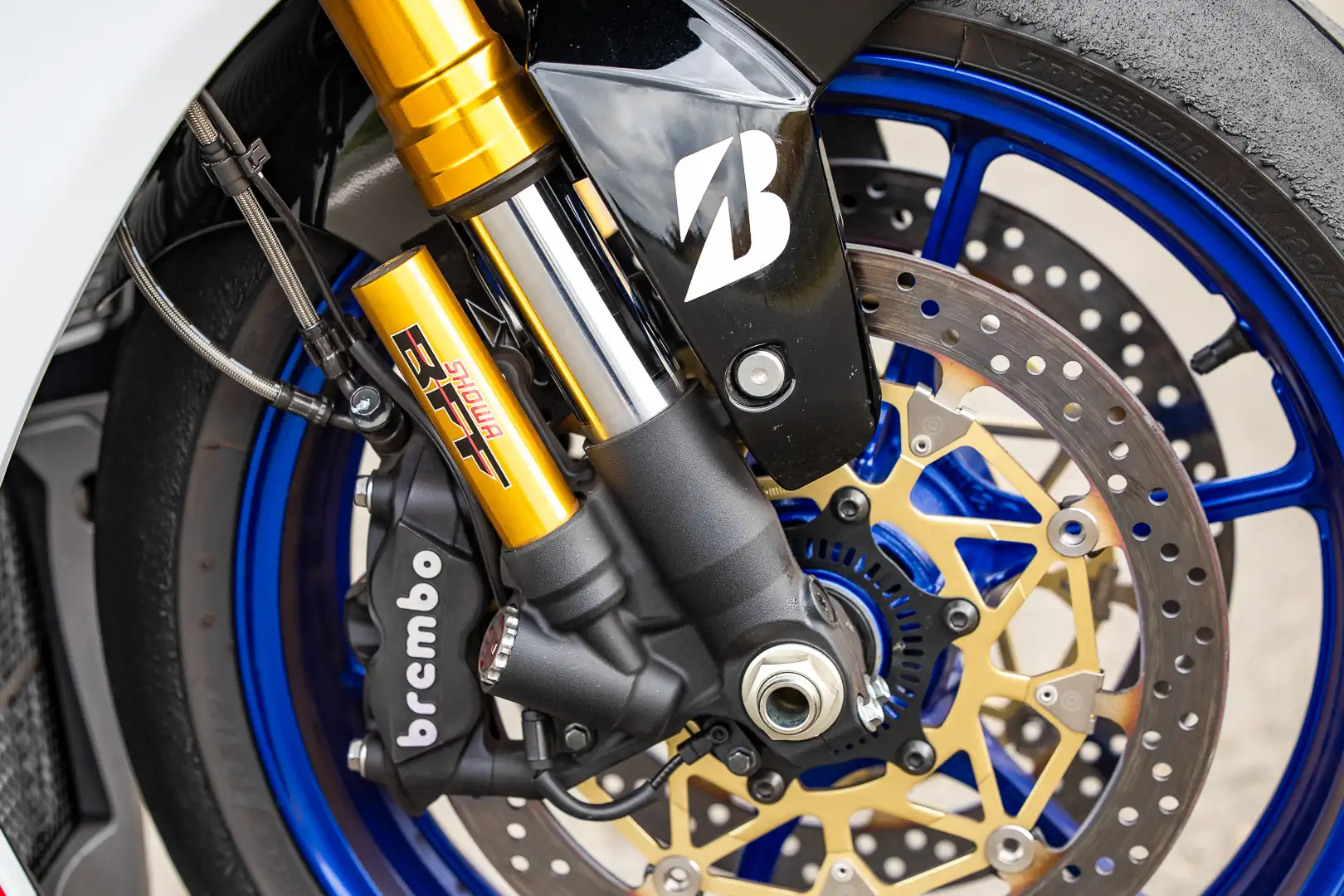
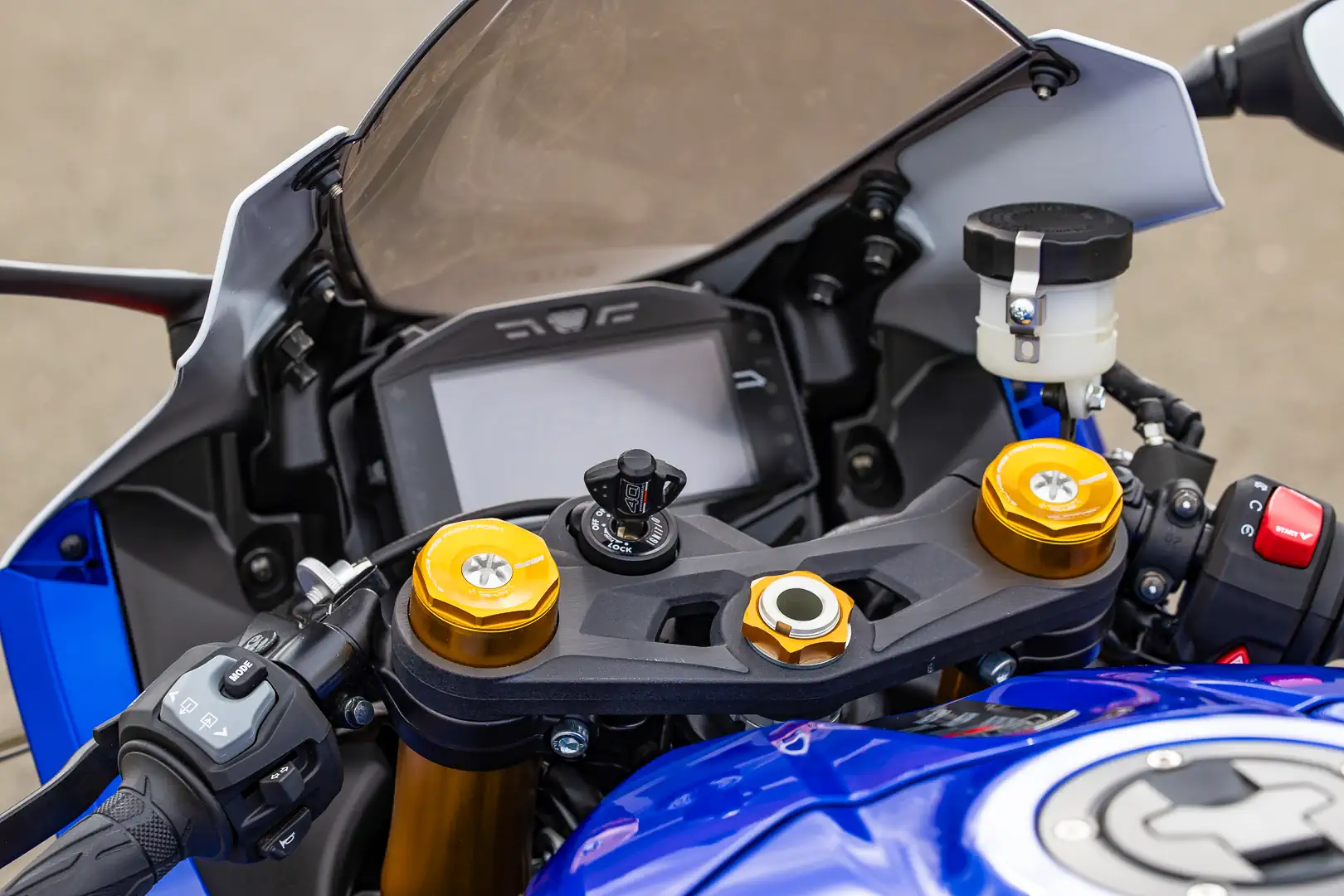
Showa’s Balance-Free Front fork (BFF) and Balance Free Rear Cushion (BFRC) shock remain strong, fully adjustable components that offer consistent hold-up and damping, even as heat percolates into the system. Team Cooley worked with our trusty mechanics to make a handful of changes, carefully recorded by hand on masking tape slapped on the fuel tank. Look closely if you want to pilfer our settings, ladies and gentlemen. The non-adjustable steering damper also returns to the party. While the MSRP is unannounced in the North American market, we have to imagine that conventional suspension rather than pricier semi-active units will save us money at the dealership. (Senior Editor’s Note: Suzuki Motor USA has announced 2027 Suzuki GSX-R1000R pricing at $17,939)
More to the point, those adjustments revealed how communicative the GSX-R chassis remains, especially when using worn-in Bridgestone Battlax Racing Street RS12 rubber. Now, off the showroom floor, GSX-R owners will find street-aimed Bridgestone Battlax Racing Street RS11 rubber mounted, but we can’t speak highly enough of the almost race-tire-level RS12 rubber. Paired well with the chassis, the grip from the front RS12 is perfectly matched to the GSX-R’s handling, building even greater faith in the front end. Likewise, the rear stands up to the abuse of a liter bike nicely, hooking up for strong exits and clearly conveying any slip in grip.
Balancing engine and chassis performance goes a long way to elevating the GSX-R’s user-friendliness, though its all-new 6-axis IMU and updated rider aids lend a hand here, too. Suzuki’s rider aids integrate traction control, wheelie control, and a feature that debuted on the Suzuki GSX-S1000GX+, known as Roll Torque Control (effectively slide control), under the same umbrella. It’s simple: adjusting the TC setting up or down impacts all systems simultaneously, and there’s a perceptible difference through all eight levels. Level 2 was where we settled, which ensured stern drive and spin as we’d like, especially through the long, hard-driving Turn 2, without letting things get too sideways.
In most situations, the aids work, though certain track dynamics will make riders wish Suzuki had evolved its strategy from the one delivered in 2017. One section that Team Cooley riders agreed called for finer electronic tuning is the hard-driving 90-degree final corner, which finishes with a wheelie-inducing crest onto the front straight. It’s in those situations where being able to tone down WC to prevent it from stepping in prematurely while still maintaining a TC safety net would be beneficial.
Most current European superbikes, along with several Japanese competitors, now allow riders to adjust wheelie control, slide control, and traction control independently, making the GSX-R1000R’s electronics package feel a little dated, though the LCD instrument panel definitely is. Even the middleweight GSX-8R flaunts a full-color TFT display, which according to brand reps is too large to fit under the current GSX-R’s existing bodywork and why the old dash is retained. Suzuki stands firmly above the competition with its two-level, bi-directional quickshifter. Shifts are precise, positive, and don’t skip a beat, no matter how aggressively you decide to row up or down through the gears.
The key to endurance racing is, well, endurance, and ergonomics play an important role in that. Compared to relatively compact superbikes, such as the Aprilia RSV4 Factory or the Honda CBR1000RR-R Fireblade SP, the GSX-R1000R’s cockpit feels noticeably roomier. Cramped seating positions weigh on riders like a ton of bricks. Thankfully, there is more front-to-back movement available in the saddle, while legroom remains generous. My 5-foot-10 frame can comfortably fit behind the windscreen without folding me like so much human origami. As the hours accumulated, that spaciousness became increasingly important for breathing, stretching, and, above all, pushing.
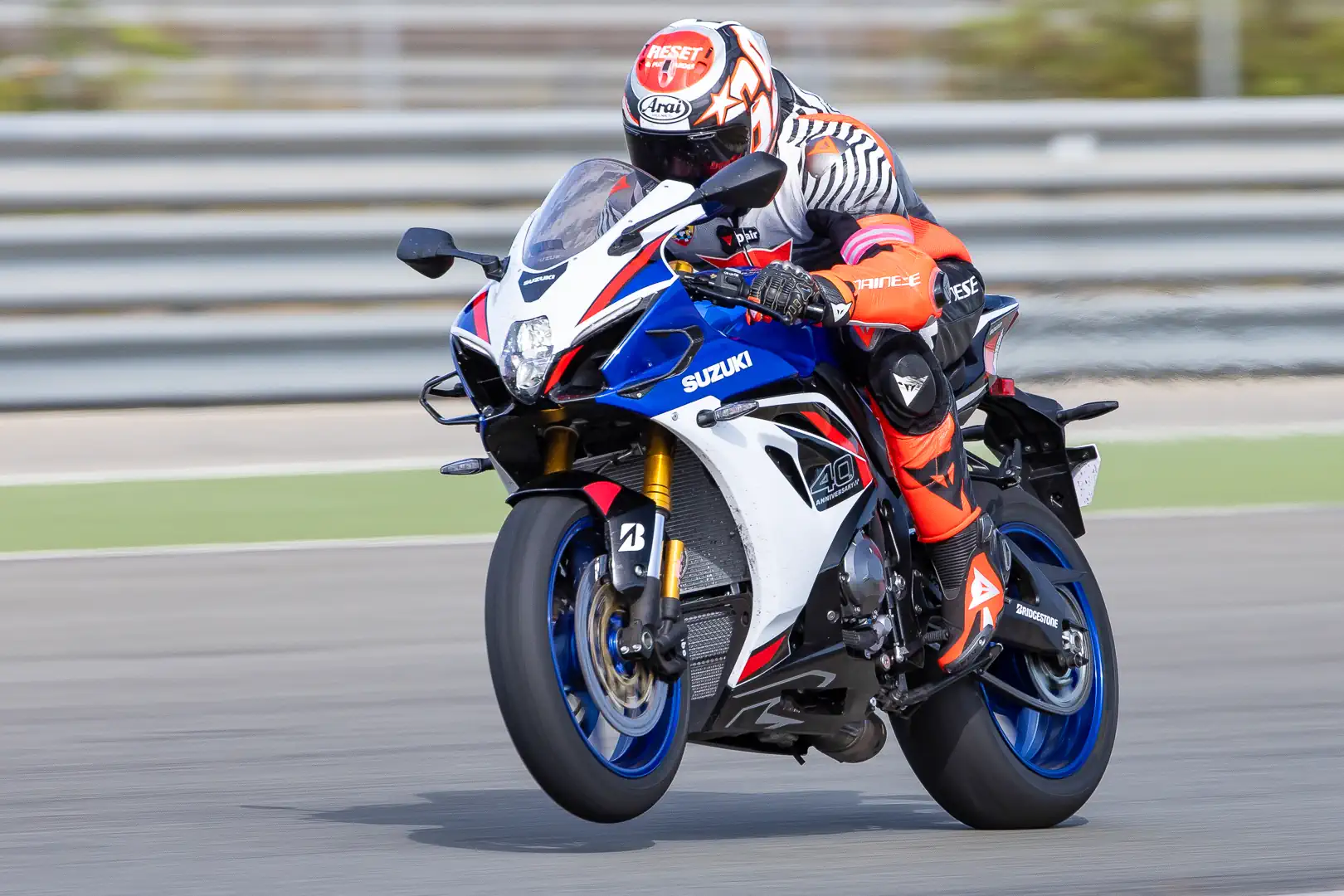
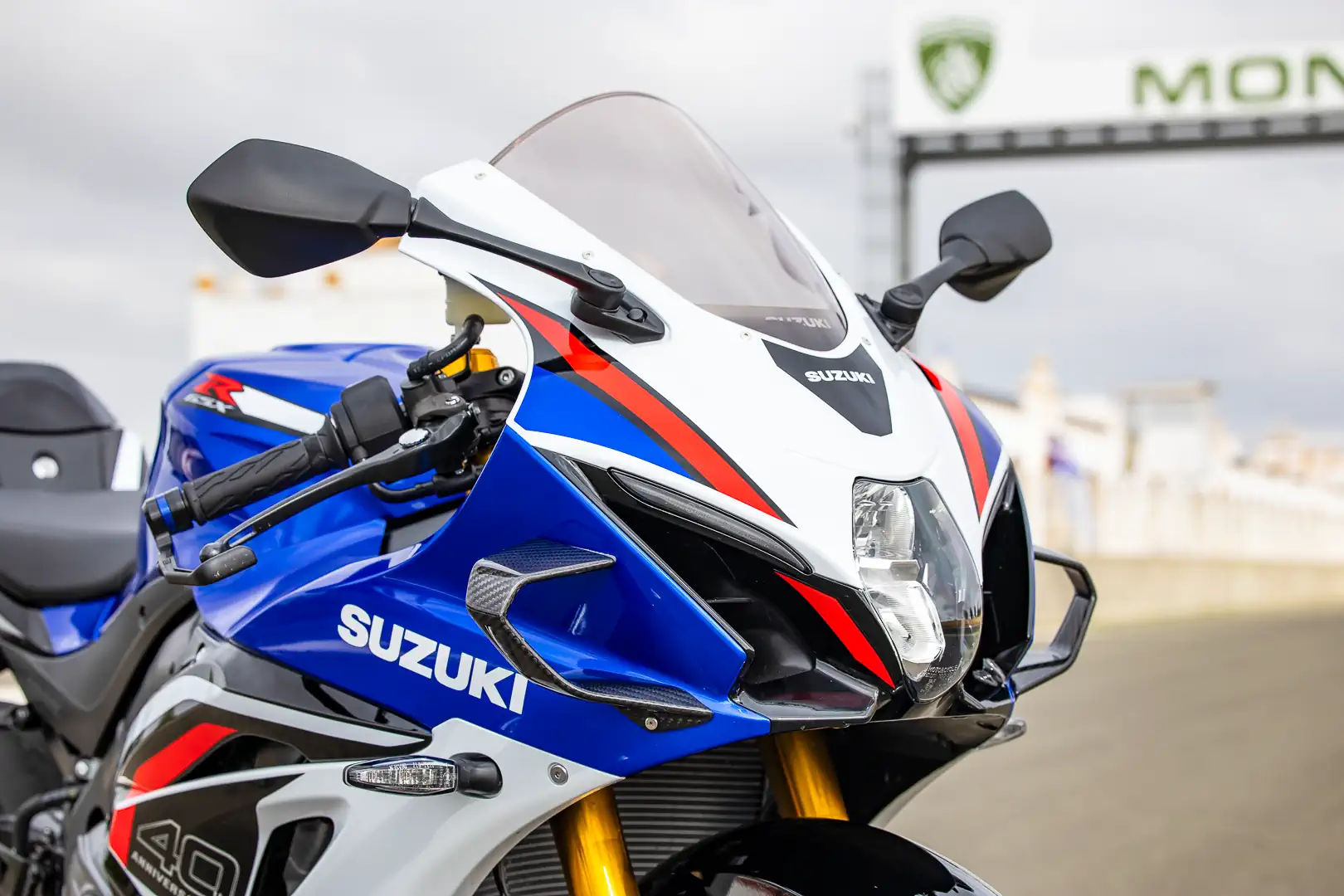
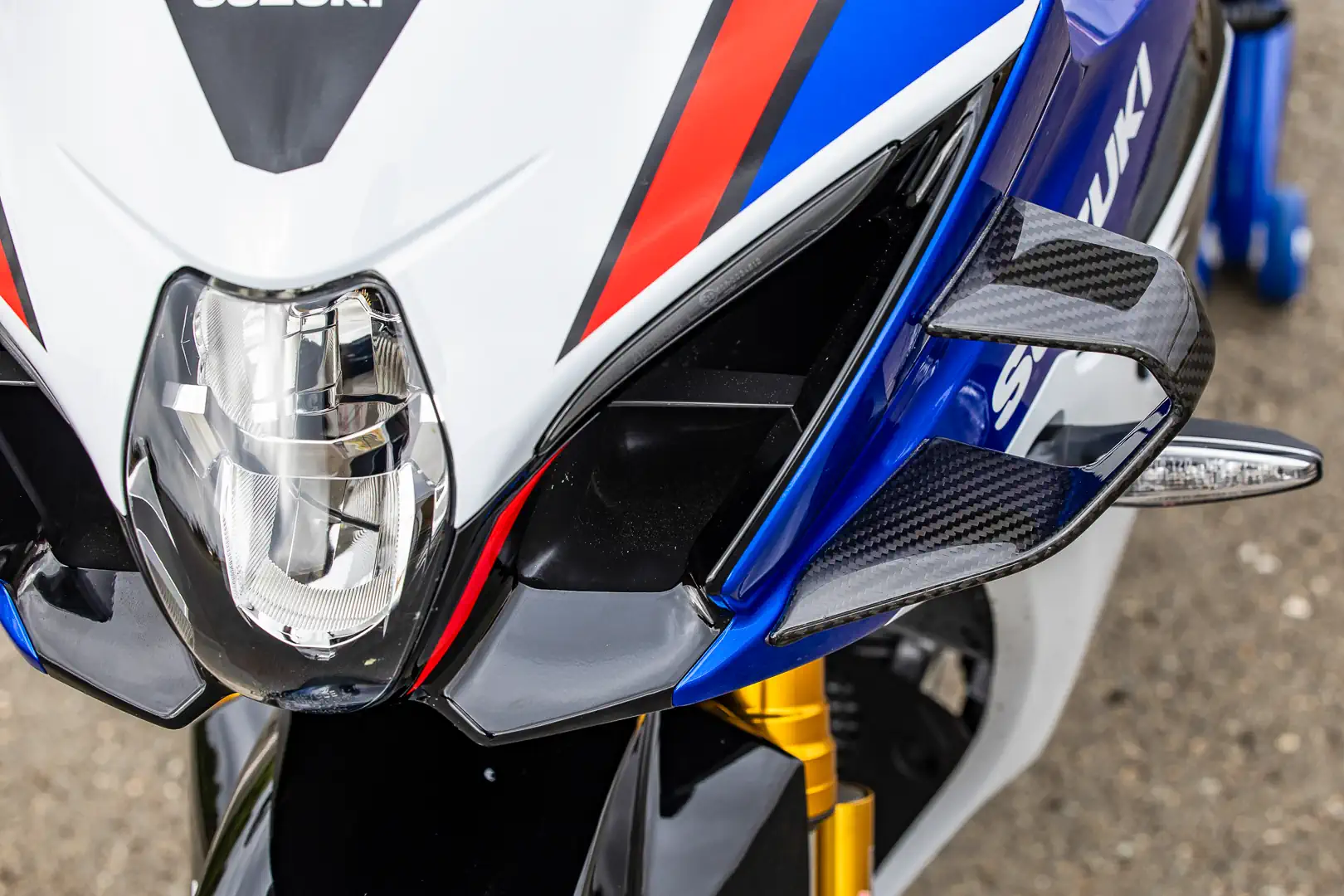
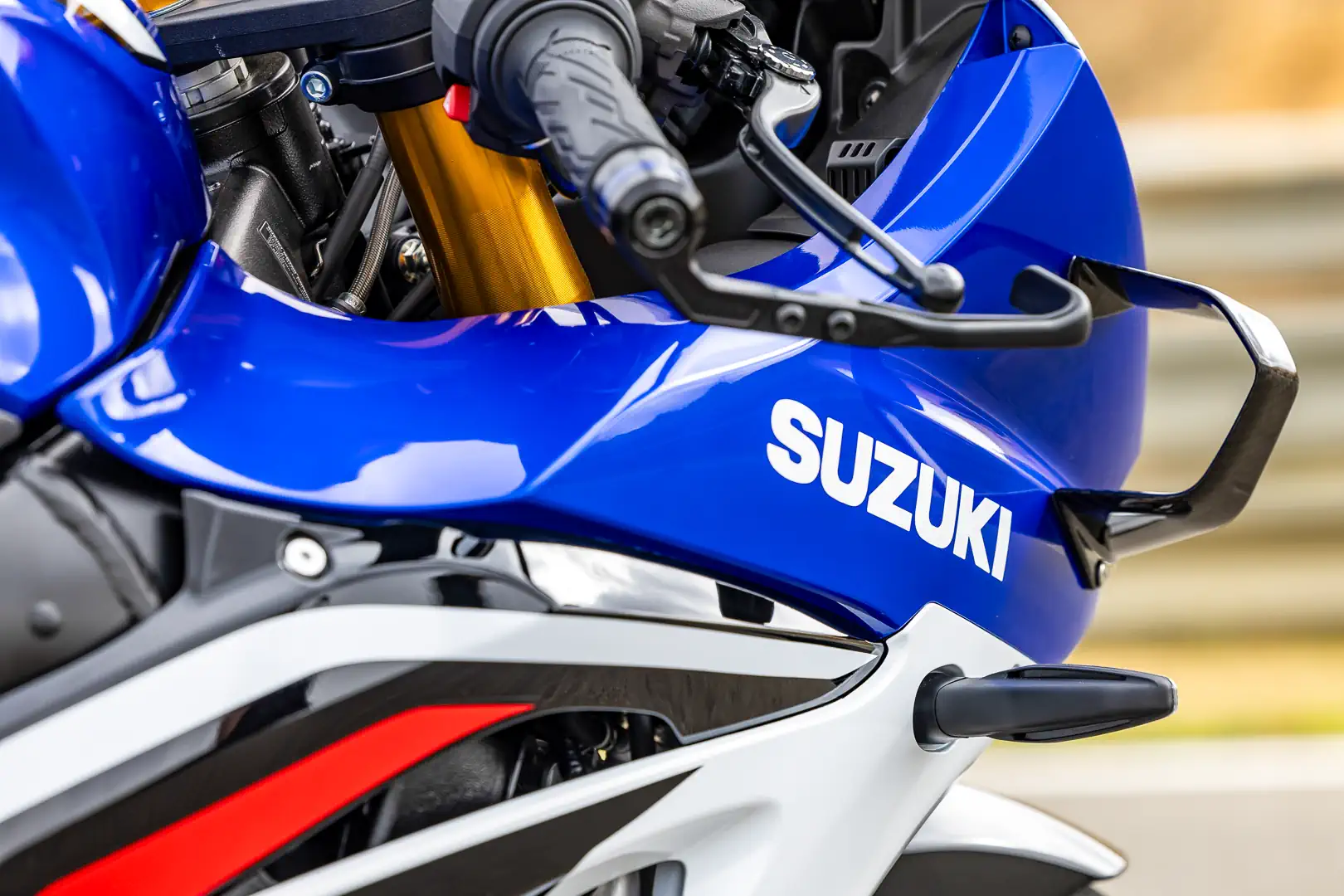
Suzuki’s willingness to maintain styling is legendary or infamous, depending on your perspective. For track riders and club racers, there is at least one practical benefit: aftermarket race bodywork will be readily available. One standard change on the GSX-R1000R, though offered as an option on the base model, is aerodynamic winglets, which are the easiest way to spot the 2027 unit in the wild. The new dry-carbon winglets are lifted directly from those used by Team Suzuki CN Challenge during the 2024 Suzuka 8 Hours Endurance Race. According to the brand, they reduce wheelies by 8.4 percent and enhance stability. As with all aero-related updates, it’s difficult to cosign those claims without a back-to-back comparison, though the bike is planted at speeds deep into the triple digits.
There are areas where the GSX-R is on the back foot. First, the good news: an updated ABS unit delivers a new algorithm that intrudes less aggressively. Previous GSX-R1000R systems would trigger prematurely, dramatically reducing brake pressure and never “coming back” once engaged. The new system performs far better in demanding braking zones, like what you find at the end of Monteblanco’s massive front straight. Pulsing through the lever is still felt, though a good portion of your braking power remains. These aren’t complaints that European brands field anymore, though Japanese brands often take a more conservative approach. The last time we tested a Kawasaki Ninja ZX-10R, we used non-ABS models to sidestep the entire issue.
Still, Monteblanco’s heavy braking zones and fast-paced layout exposed the limitations of the aging Brembo M4.32 calipers and 320mm front discs. For road riding and moderate track use, the setup isn’t anything to raise eyebrows over. Particularly so, since Suzuki adopted steel-braided brake lines in 2020 to alleviate fade issues associated with earlier rubber hoses. Yet, the superbike class has made major strides in braking hardware since the M4.32 entered production in 2012. Today’s master cylinders offer improved feel, and three generations of Brembo calipers have given us more stopping power: M50, Stylema, and, most recently, Hypure. Opting for a master cylinder and racier pads will be an improvement, though they only function as a band-aid for the most physically taxing aspect of riding the GSX-R aggressively: its brakes.
Parc Fermé
Stepping away from outright specification comparisons reveals the broader success of Suzuki’s approach. The company organized one of the boldest and most revealing press launches in recent memory by placing journalists into a genuine endurance-racing simulation. We experienced every side of the GSX-R and came away impressed. Across two separate waves of international media riders circulating Monteblanco, not a single GSX-R1000R experienced a mechanical issue. Not one. Sure, that’s not a massive amount of run time on an engine, though most owners likely won’t be hammering their machines for hours on end, either.
Equally telling, not a single rider visited the gravel trap. It wasn’t for a lack of trying, as we all pushed within our respective skill levels. With countless opportunities for fatigue, overconfidence, and simple human errors to spell disaster, the GSX-R1000R consistently inspired trust rather than intimidation. That says as much about the motorcycle’s balance and predictability as it does about its outright durability.
Modern superbikes have become increasingly obsessed with escalation in every measurable way. More power. More aerodynamics. More electronics. More aggression. What swirled through my mind as Team Cooley’s rider brought its 2027 Suzuki GSX-R1000R across the finish line and into parc fermé was that Suzuki’s philosophy doesn’t intend to dominate spec-sheet arguments, deliberately so. Instead, it stays true to its roots as a superbike meant to be ridden, a superbike meant to go the distance for anyone that gets their hands on it, and still stands as one of the most usable motorcycles in the category.
Our bike review this episode is the Yamaha MT-03. Do not underestimate this bike; you get a lot of motorcycle for your money! Associate Editor Kelly Callan rode the smallest MT for several weeks, and that included commuting on it. One of the things that impressed her, was how the MT-03 acted like a larger motorcycle. Kelly also spent some time chasing Editor Don Williams through the canyons when he was on the Yamaha MT-07—obviously a much larger machine. She tells us about how it all went.
* * * * *
We’re closing in fast on the 34th annual Biketoberfest, October 15–18, when all roads will lead to Teddy Morse’s Destination Daytona—the more than 100-acre motorcycle playground in Ormond Beach Florida. This week we get to hear all about it from Teddy Morse himself. With his trademark high energy and enthusiasm, he tells us all about his recently established Triketoberfest that happens the week before, and how the Destination Daytona complex turns into a full-throttle hub of demo rides, vendors, custom builds, live music, food trucks, shops, and nonstop pavilion energy. So, whether you’re on two wheels or three, whether you’re hunting parts or lining up a test ride; grab a cold one and soak up the energy and gorgeous Florida fall weather. This is one of the many Daytona Beach places where Biketoberfest feels like home. So don’t forget: make sure you download the Biketoberfest mobile App from Apple or Google Play or visit www.biketoberfest.org and we’ll see you there!
* * * * *
Our guest this episode is Greg Arnold, Mecum’s motorcycle auction director. He bought his first bike at eleven, joined the company in 2011, and has spent more than a decade helping turn this incredible event into the place collectors, consignors, and dreamers all show up. Next February 3rd through 6th, Mecum will—for the 36th time, bring the world’s largest vintage motorcycle auction back to South Point, Las Vegas. That’s over two thousand bikes over four days. Board-track racers, barn finds, customs, race iron, and especially, those incredible machines that make the room go quiet. Greg gives us insight into what it takes to make this event work so incredibly well, and if you’re interested in selling your pride and joy, what steps you have to take to make it happen.
* * * * *
Here’s quick reminder to check out our monthly digital magazine. It’s filled with everything you want to read on motorcycling, including some things you’ve probably not seen elsewhere. It’s absolutely free and you will find it on the Apple App Store and of course on Google Play as well.
Don’t forget to leave us your comments on our social media—we’re on all the usual platforms at Ultimate Motorcycling. We love hearing your feedback… so good or bad, please let us know what you think. If there’s something you’d like us to cover, we’d love to hear those ideas too!
We use cookies and browser activity on this website
Functional
Always active
The technical storage or access is strictly necessary for the legitimate purpose of enabling the use of a specific service explicitly requested by the subscriber or user, or for the sole purpose of carrying out the transmission of a communication over an electronic communications network.
Preferences
The technical storage or access is necessary for the legitimate purpose of storing preferences that are not requested by the subscriber or user.
Statistics
The technical storage or access that is used exclusively for statistical purposes.The technical storage or access that is used exclusively for anonymous statistical purposes. Without a subpoena, voluntary compliance on the part of your Internet Service Provider, or additional records from a third party, information stored or retrieved for this purpose alone cannot usually be used to identify you.
Marketing
The technical storage or access is required to create user profiles to send advertising, or to track the user on a website or across several websites for similar marketing purposes.