The motorcycles of today look like they’ve been pulled from the pages of science fiction: semi-active suspension with the ability to make adjustments in milliseconds, radar-assisted cruise control that will start and stop your bike for you (seriously, the KTM 1390 Super Adventure S Evo does this), and TFT displays that rival the Starship Enterprise’s command console.
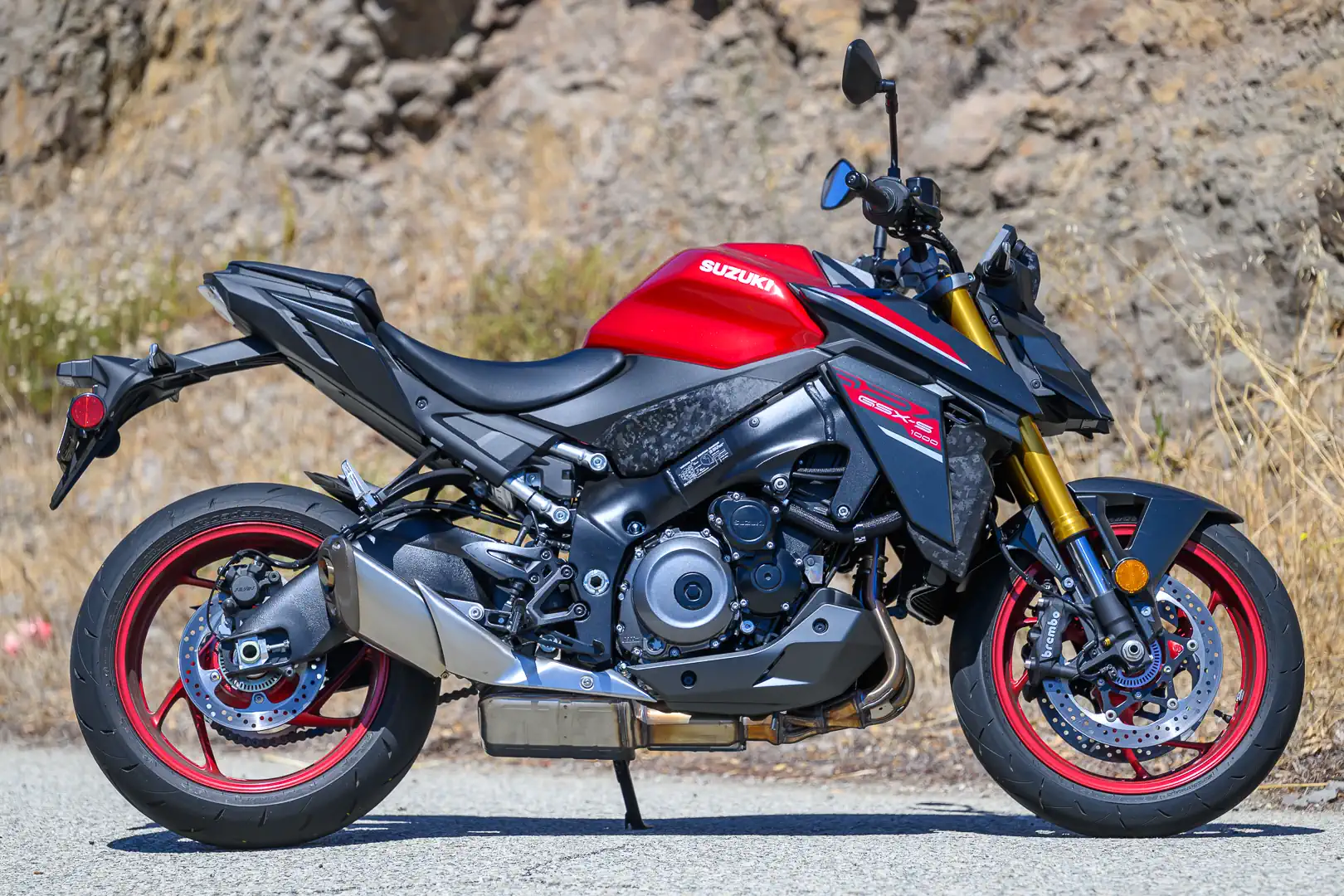
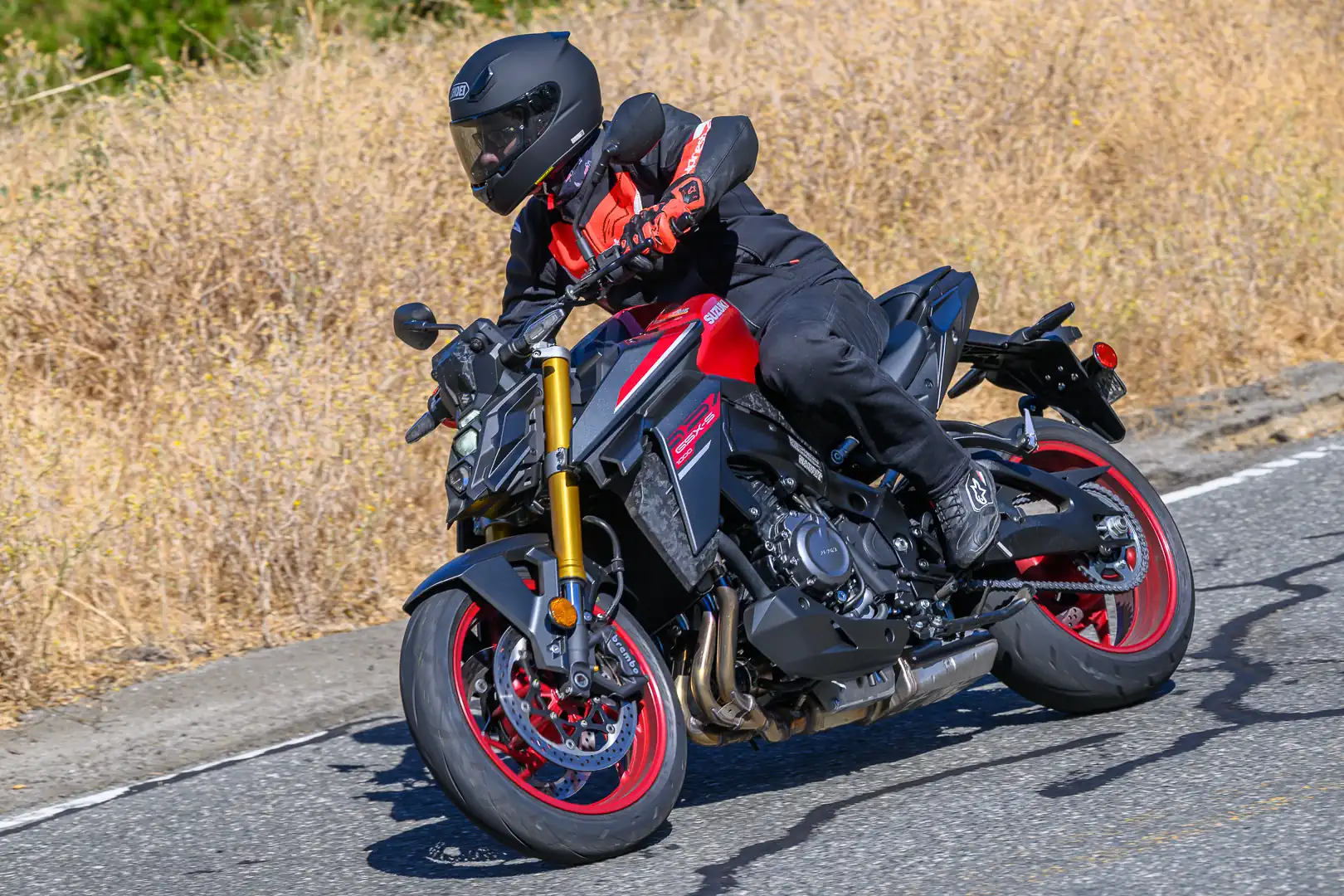
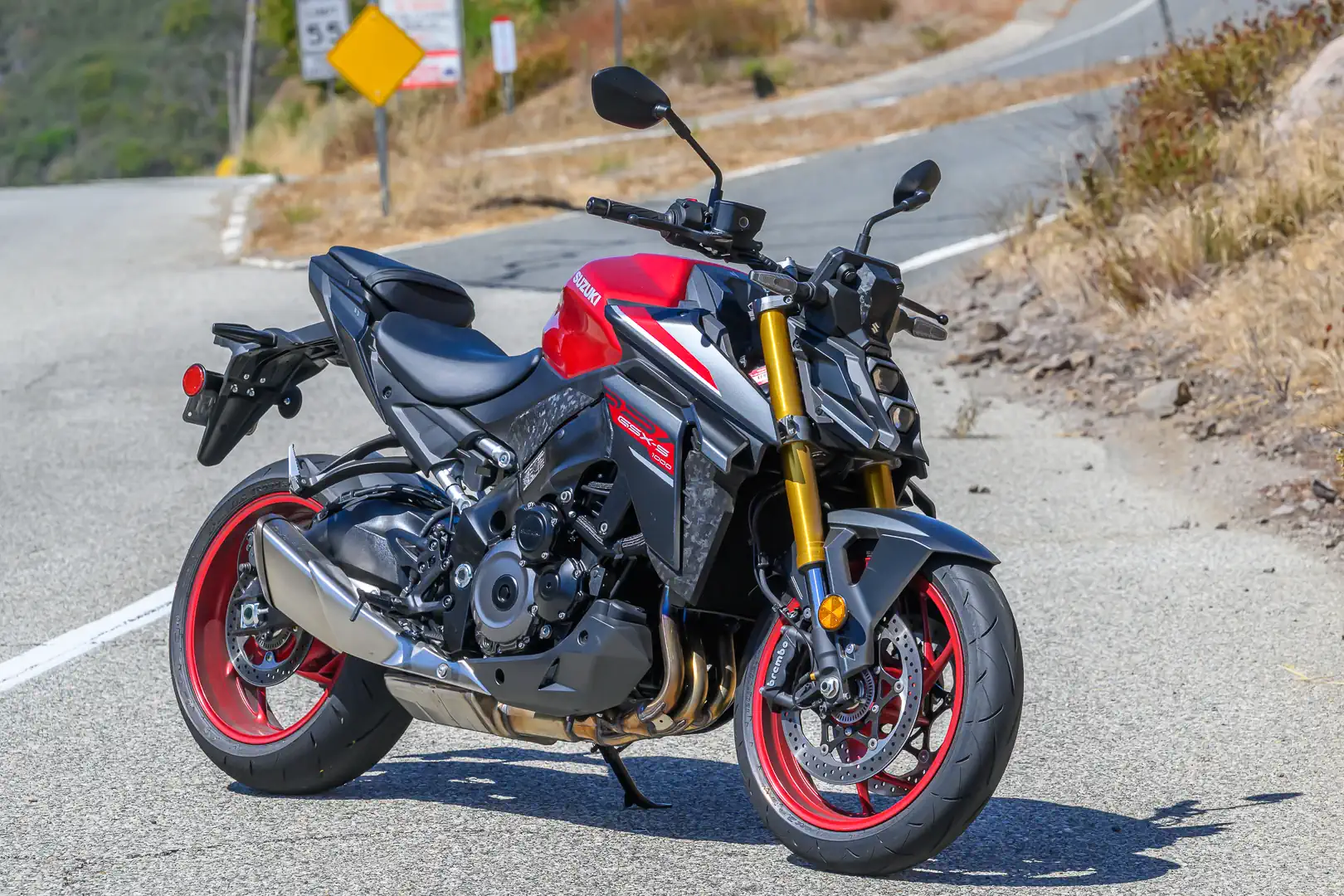
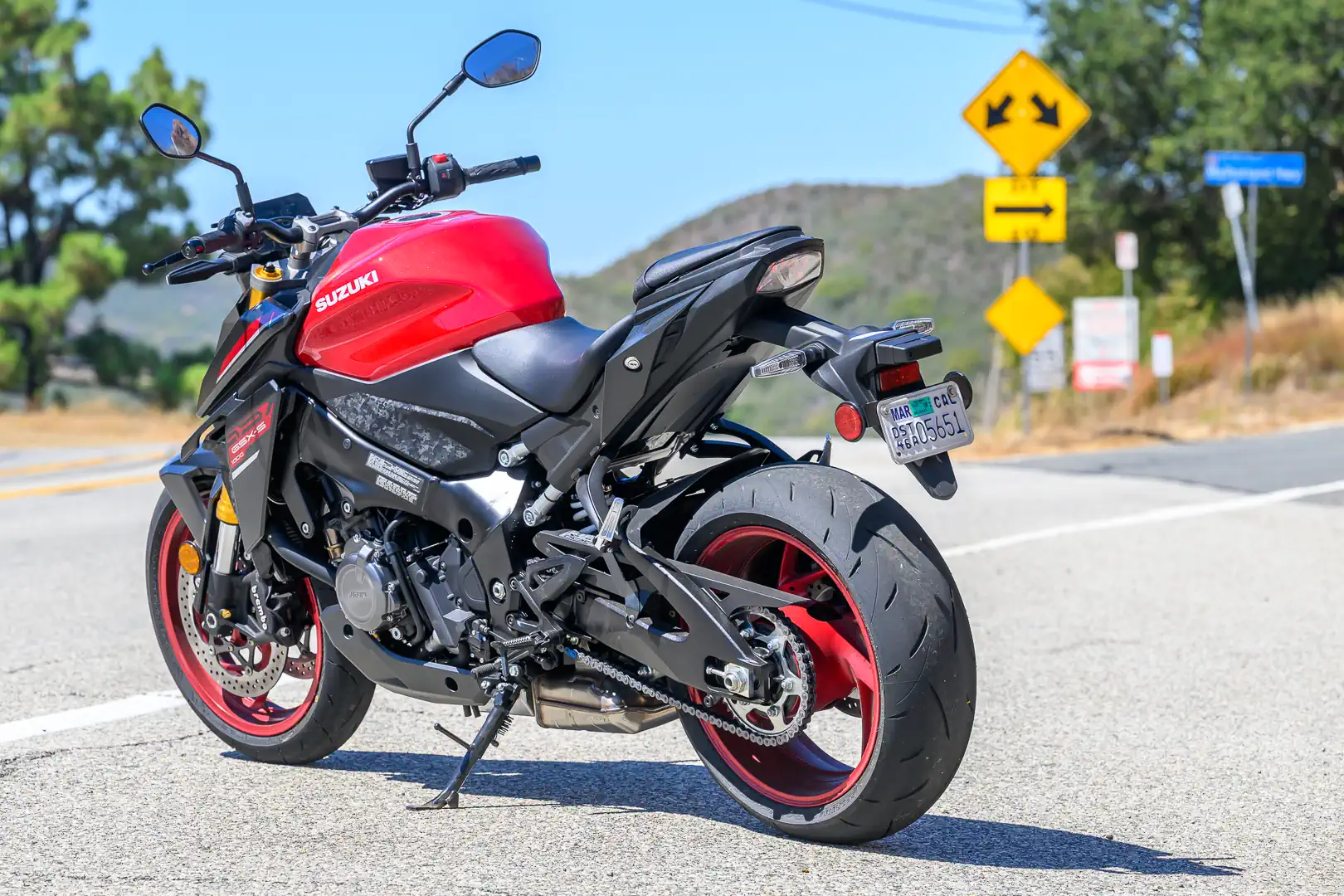
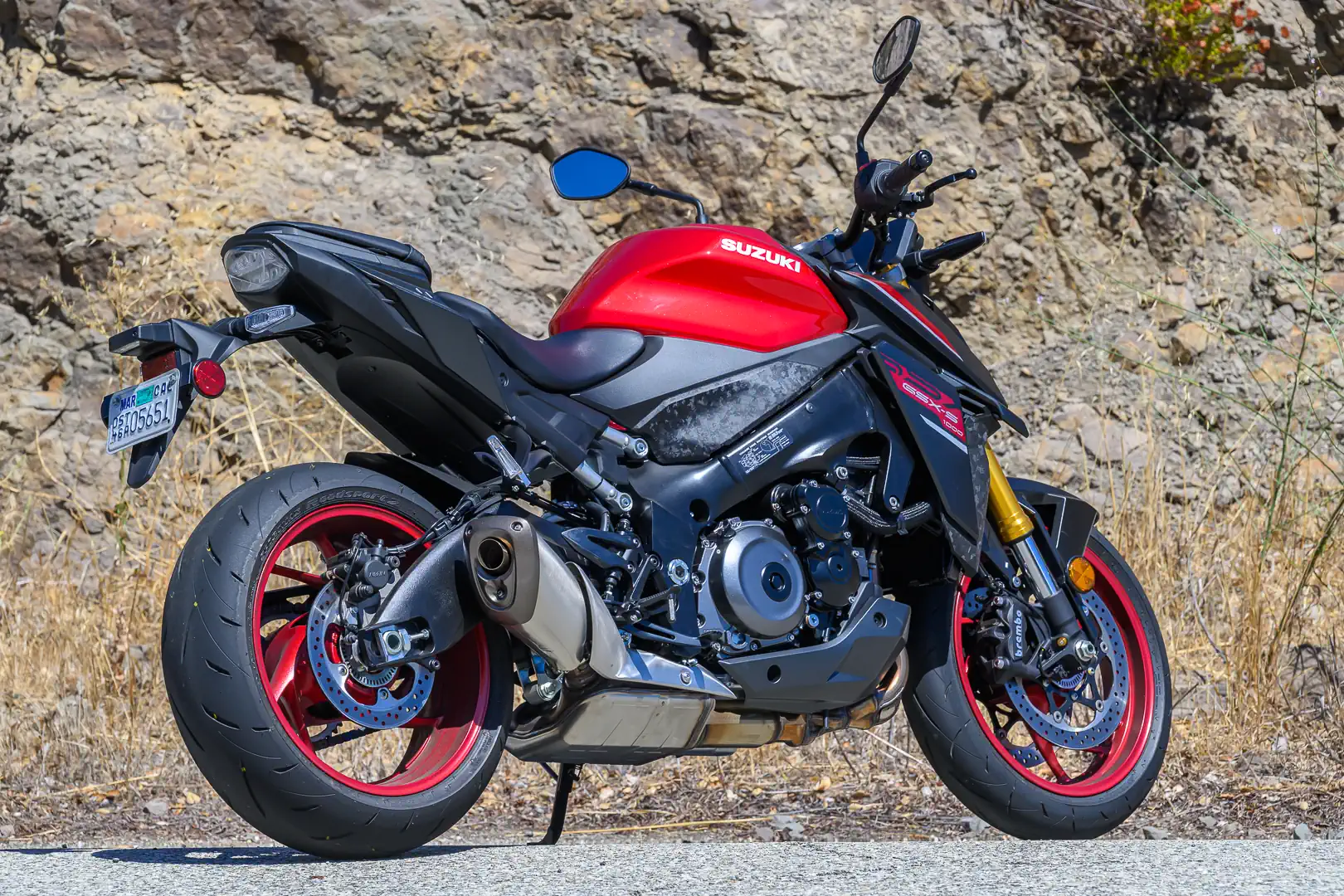
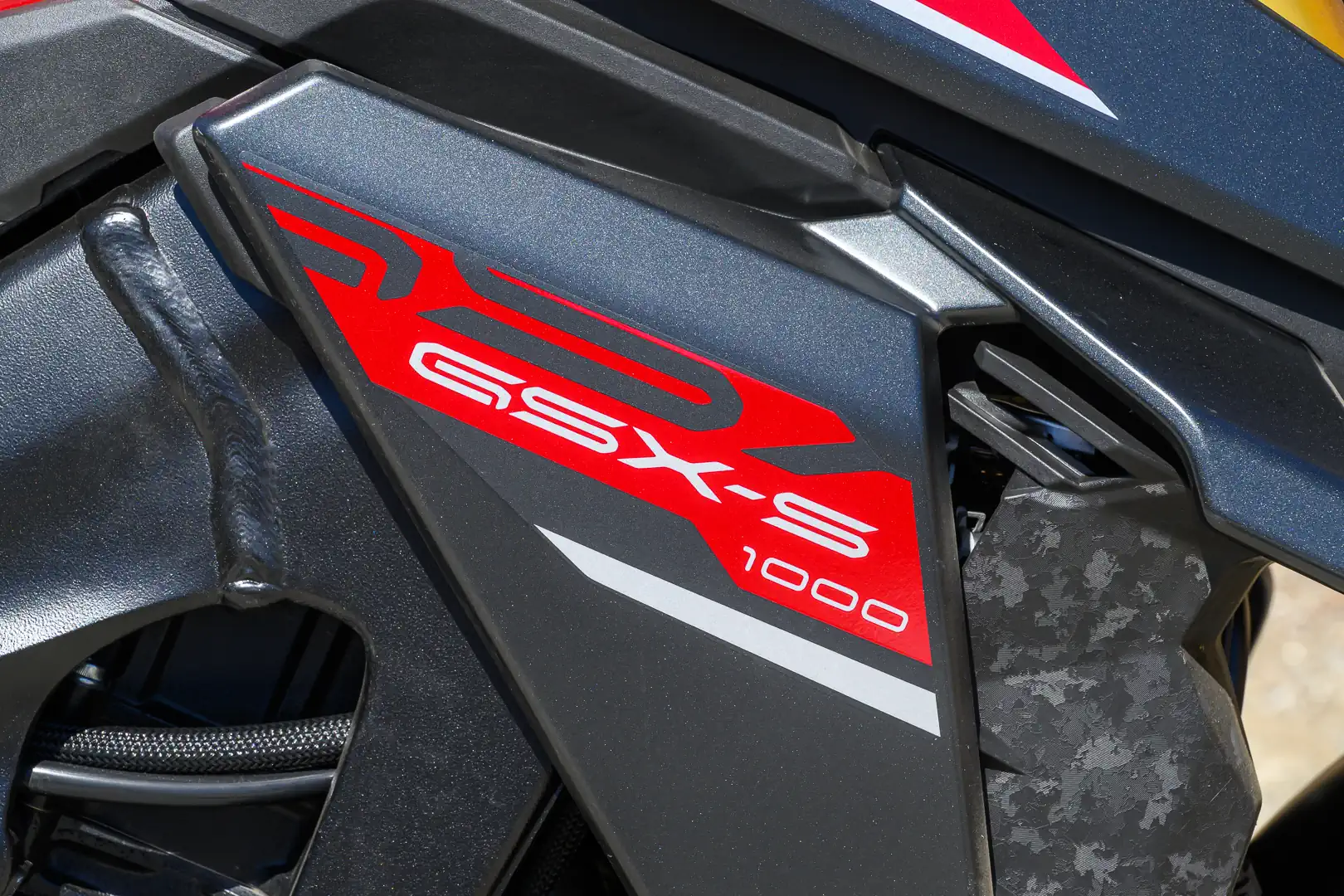
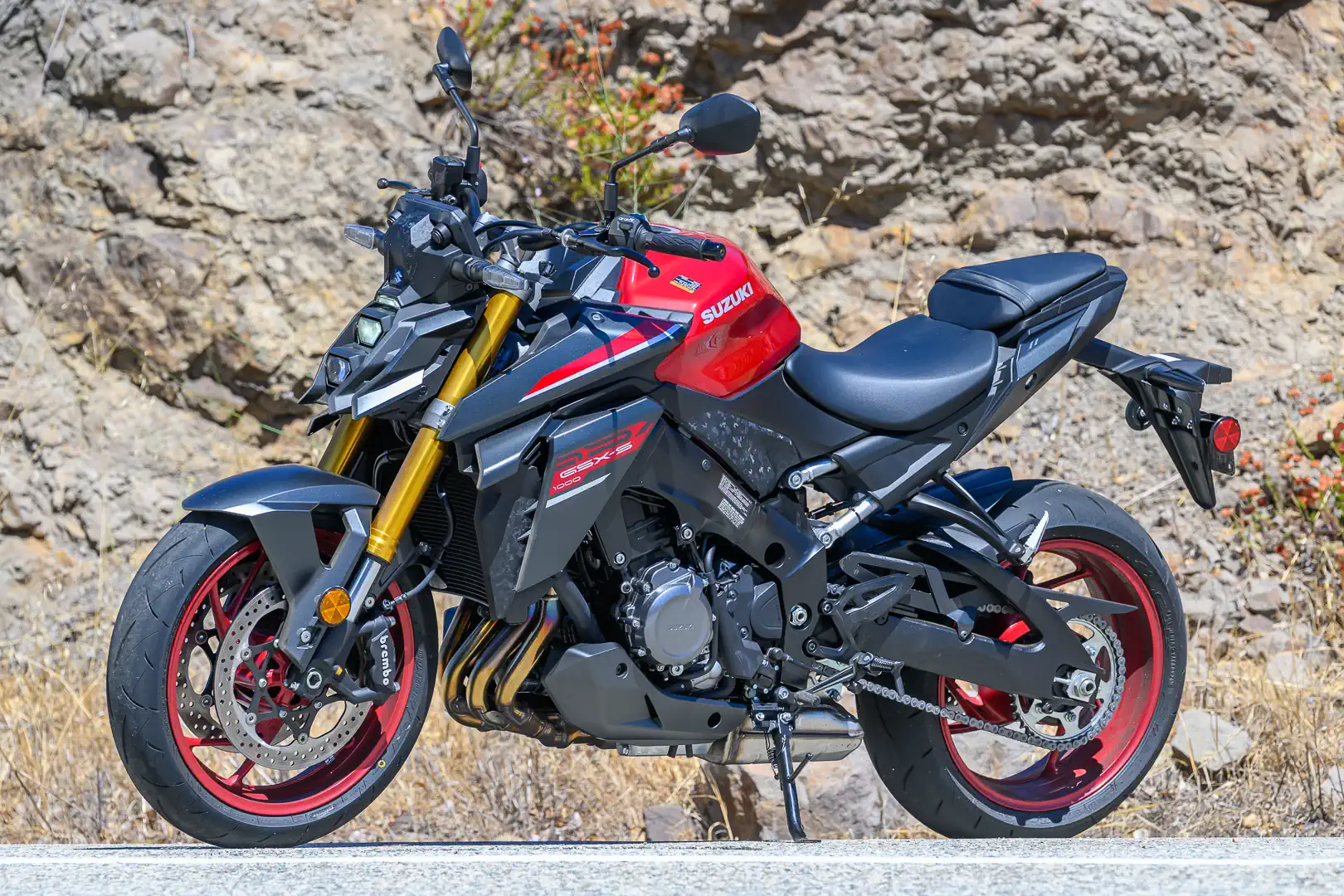
Yet, plenty of sci-fi swashbucklers, on-screen and off, make their weapon of choice stubbornly analog. Why? Simplicity. Not every rider needs, let alone wants, what’s tantamount to an AI co-pilot. In a naked-sportbike class where tech-laden rivals charge a premium for every rider aid imaginable, the comparatively analog 2026 Suzuki GSX-S1000 cuts to the quick of motorcycling. It gives us a good engine and chassis at a respectable price, $11,989 to be exact, and that’s all you’ll ever need.
We met the GSX-S1000 platform a little over a decade ago, with follow-up refinements in 2017 and 2022. In fact, one might have described this machine as being a bit long in the tooth compared to the competition. But, with how fast the naked class has advanced since then, the big Suzuki nudist is something of a rare bird.
Last year, the GSX-S1000 received a singular significant change in the form of a 5-inch TFT display sourced from its middleweight siblings, the GSX-8S and GSX-8R. That’s the entirety of the changelog: no new electronics aiding motorcycling’s nanny state zeitgeist, no frame or suspension tweaks, and certainly no engine changes. Now, let’s get on with the Fast Facts.
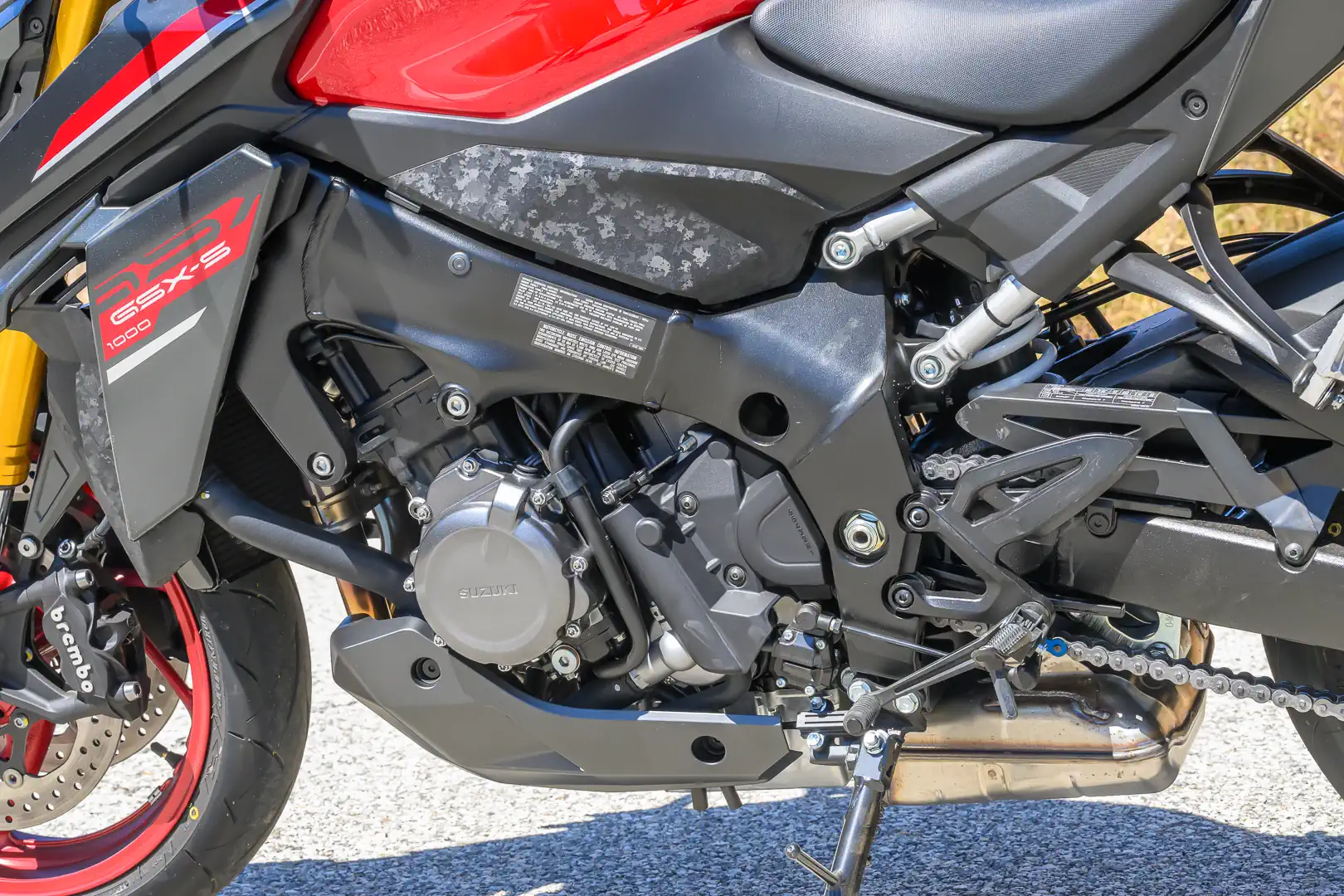
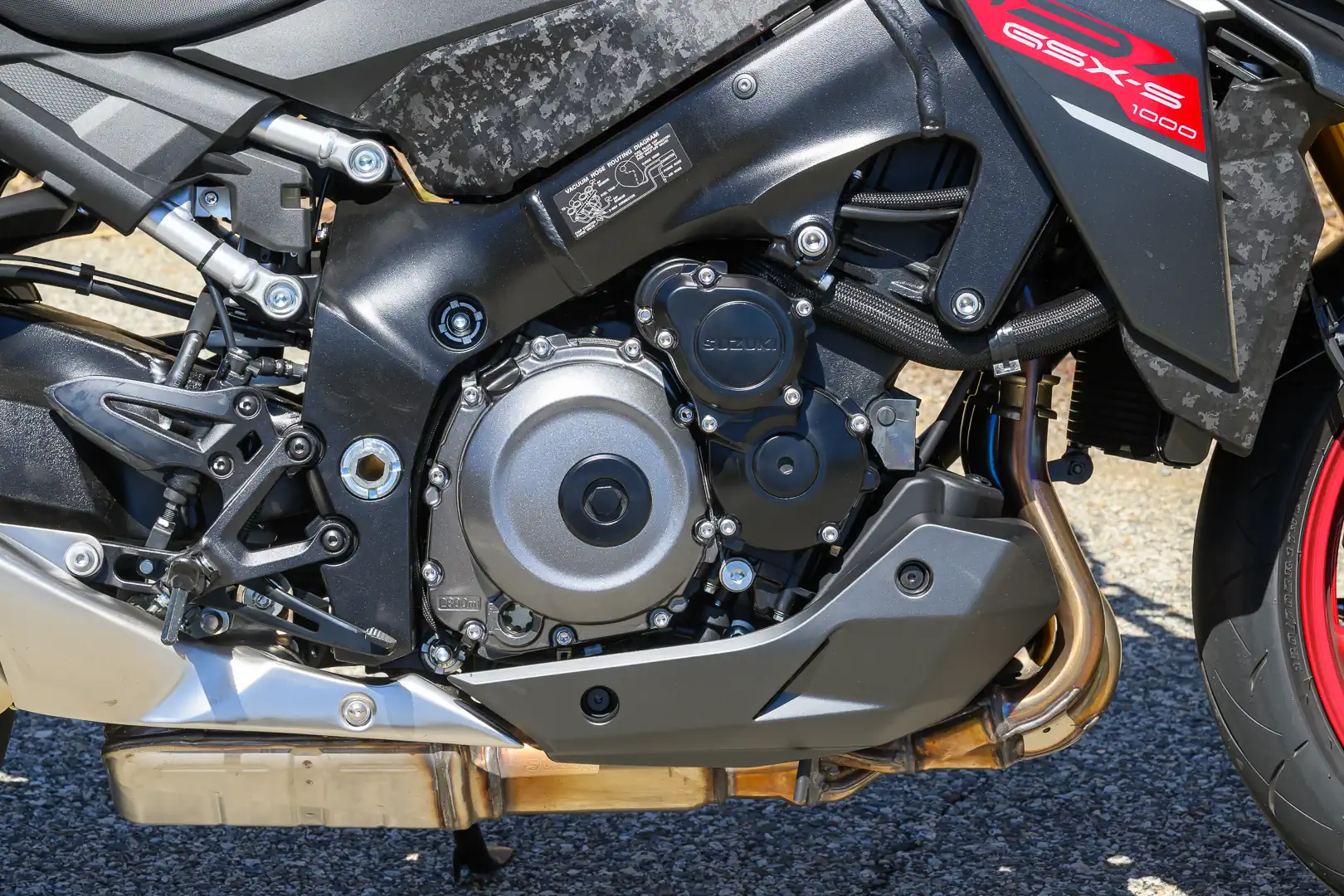
A good engine goes a long way, friends. Suzuki’s 999cc inline-four traces its architecture directly back to the 2005-08 GSX-R1000. Yes, it has been updated numerous times since then, including the addition of a ride-by-wire fueling system, yet the K5 pedigree still shines today.
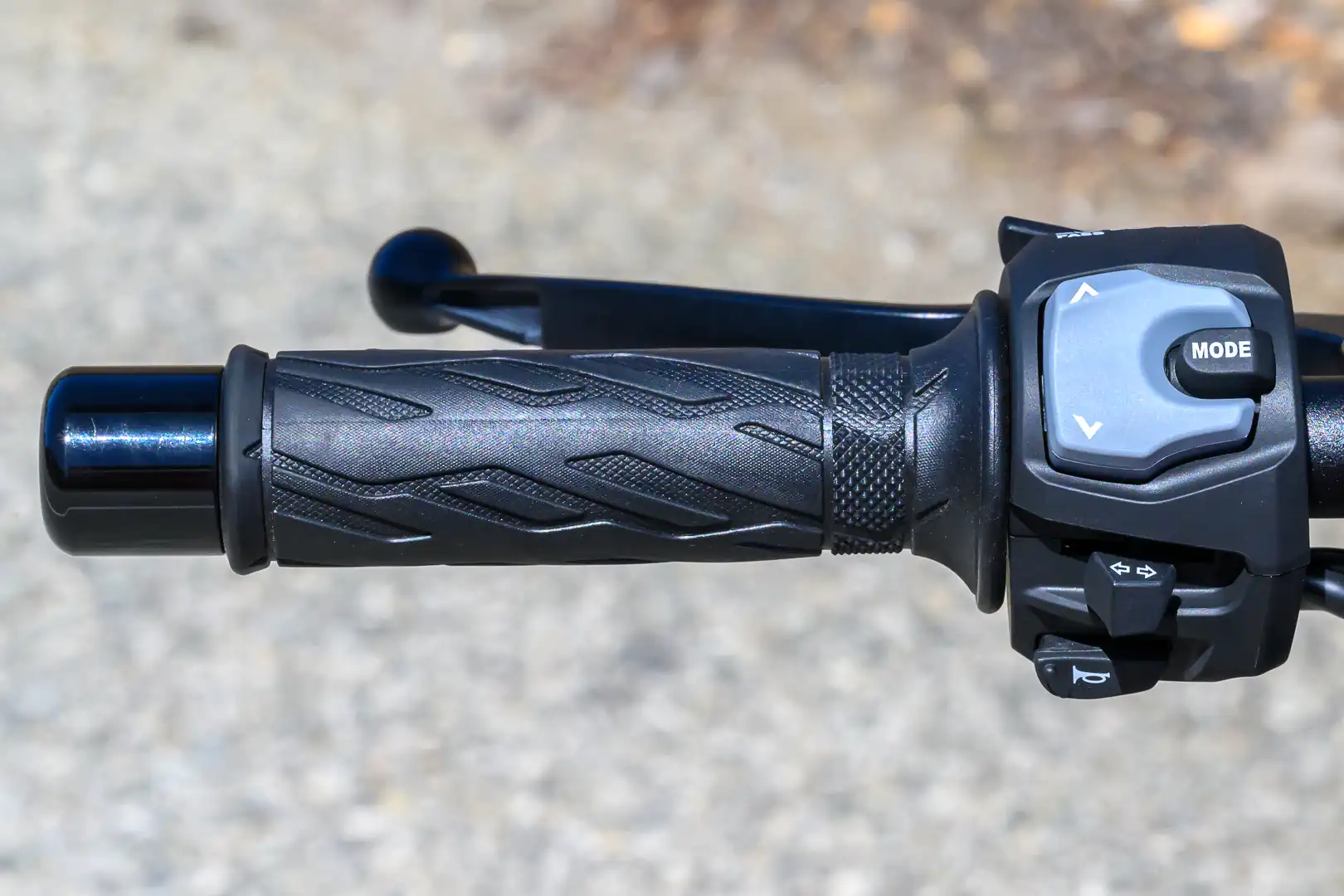
Suzuki Motor USA doesn’t typically publish performance figures, but Suzuki UK does, citing peaks of 150 horsepower and 78 lb-ft of torque. Those numbers tell only part of the story, though. What matters most on the street is how broad the GSX-S1000’s torque delivery is, serving up tons of front-wheel-lifting midrange punch. Roll on from around 3500 rpm, and the ol’ K5 doesn’t hesitate or suddenly spring to life. Instead, it builds cleanly and progressively, allowing riders to confidently wrangle what’s about 139 horses to the rear wheel. Corral those sensations by making sure it’s in softer “B” mode to avoid any snatchiness brought on by Suzuki’s chronically aggressive “A” setting.
This isn’t simply a prior-gen GSX-R1000 engine bolted into a naked chassis, as the updates are made with street intent. Any K5 GSX-R evangelist will tell you, whether you asked or not, that the mill is the single greatest engineering contribution to motorcycling since internal combustion. The long-stroke design has stood the test of time, delivering improved low- and midrange performance that the modern short-stroke GSX-R powerplant struggles to match in road settings, even with variable valve timing. Engineers leaned into the K5’s torque-friendly design with platform-specific cam profiles, intake tuning, and throttle-body calibration that wisely sacrifice top-end power for stronger grunt elsewhere in the rev range.
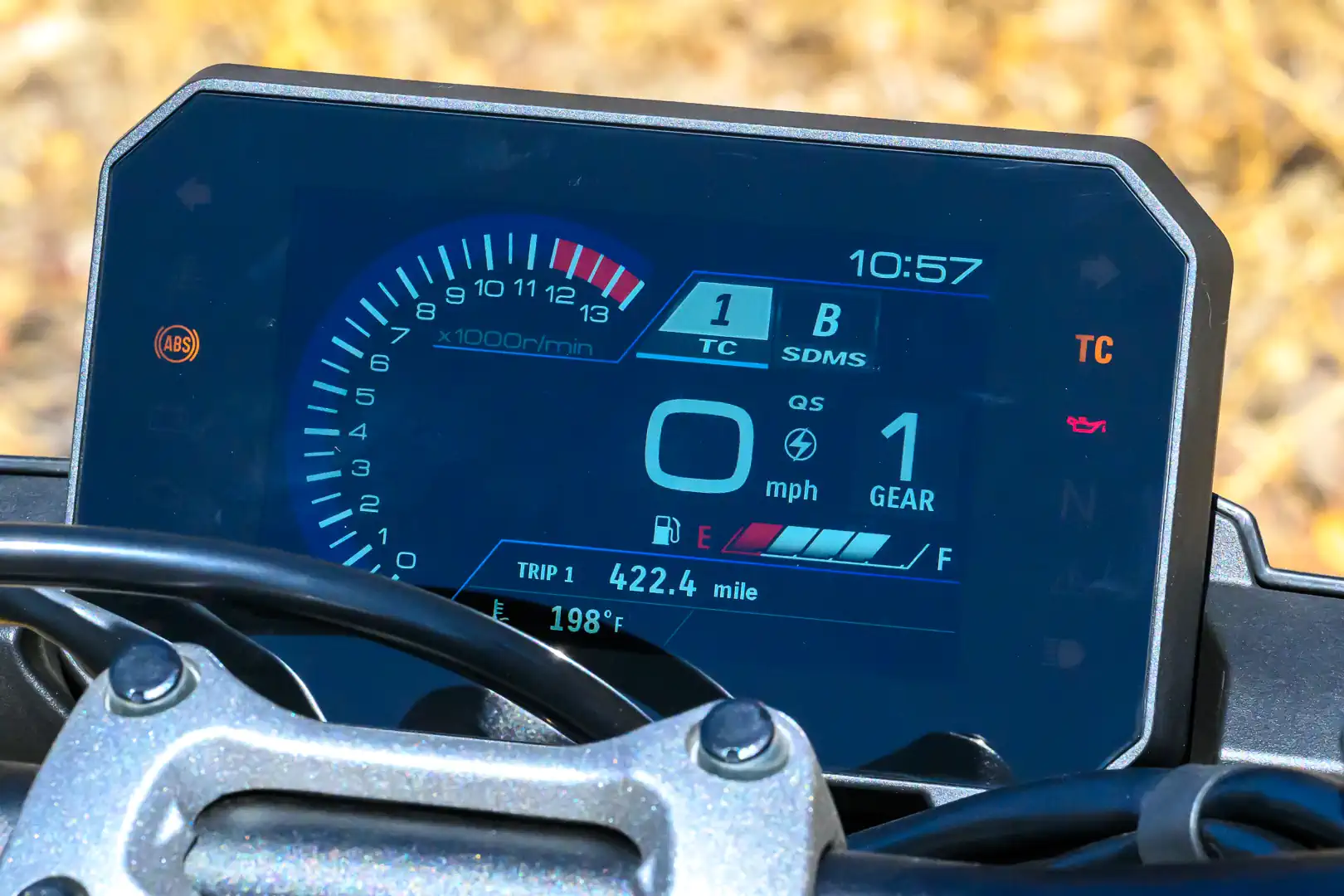
The full-color TFT display is a piece of technology that earns its keep. Suzuki finally shrugged off the antiquated LCD instrument panel in 2025, stepping up to a 5-inch full-color, scratch-resistant unit that’s perfectly clear. The basic switchgear layout and simple interface are easy to navigate, making it one of the few modern niceties that complete the GSX-S1000. Also, it rectifies one of the only core gripes we had about the bike in 2022.
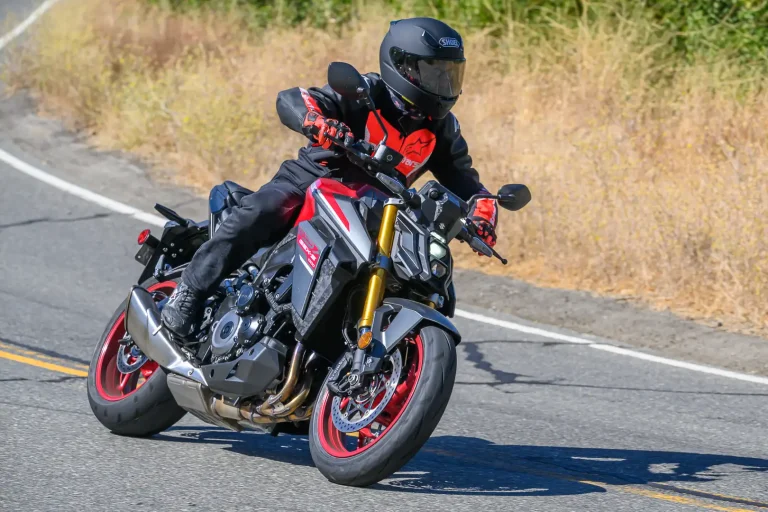
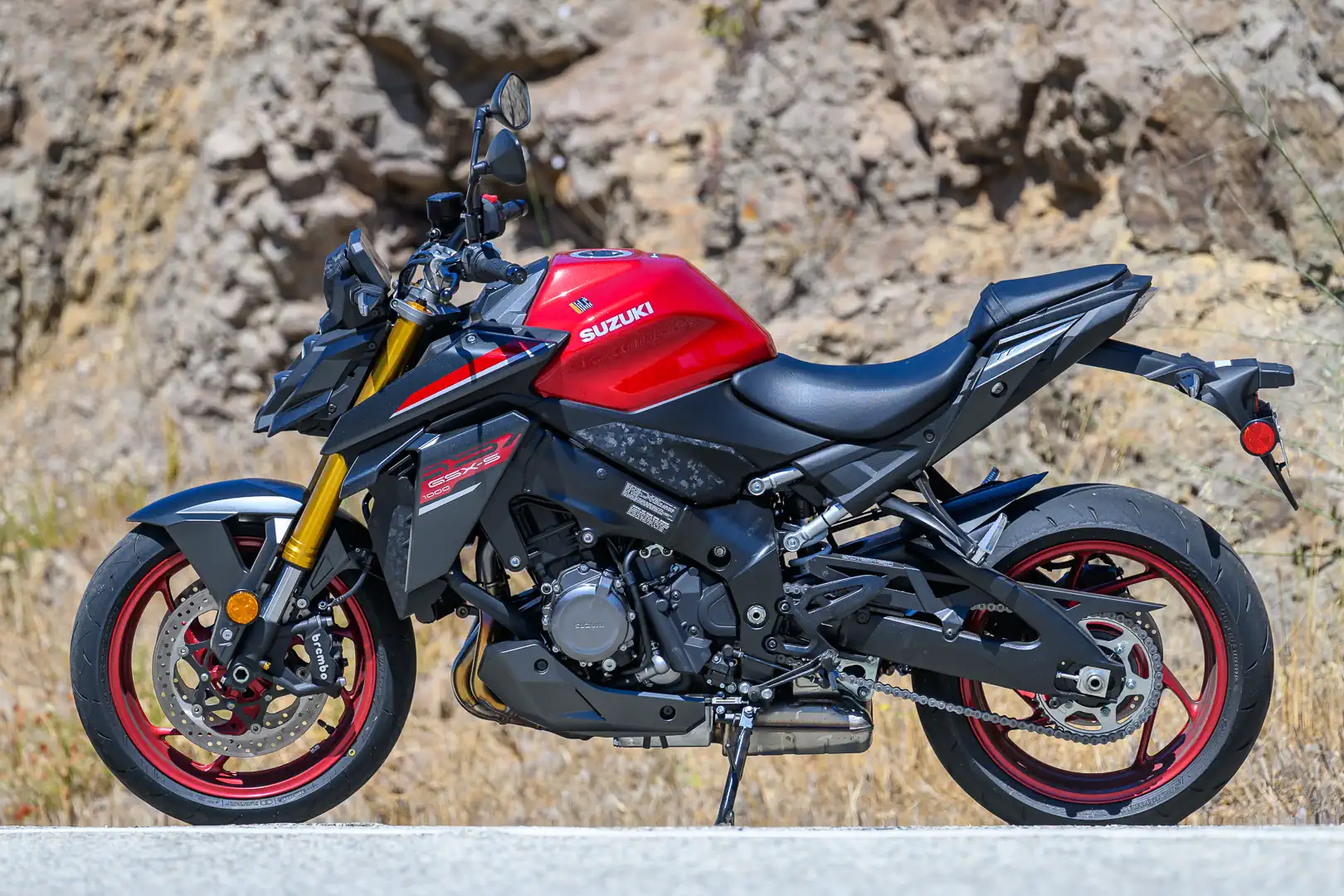
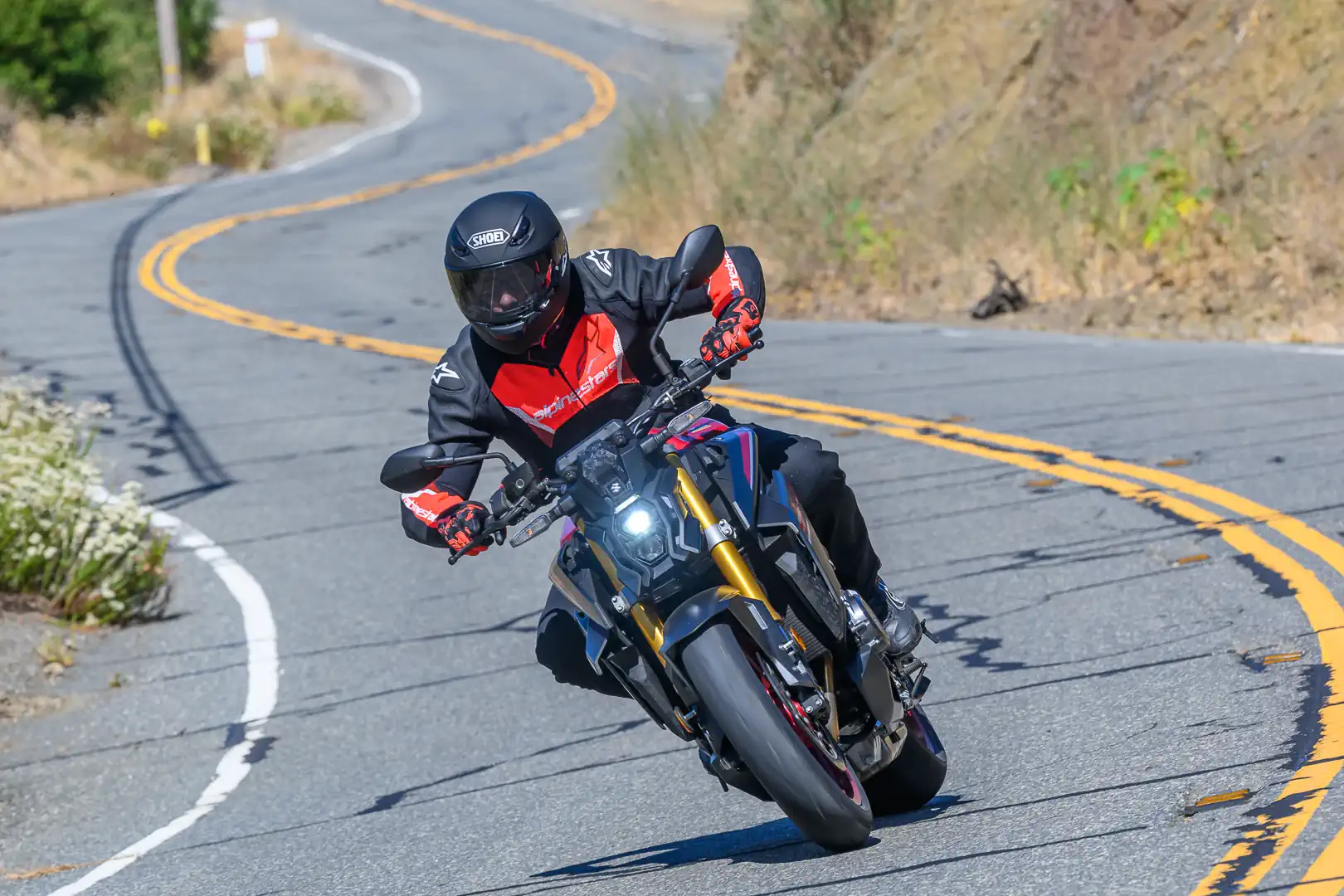
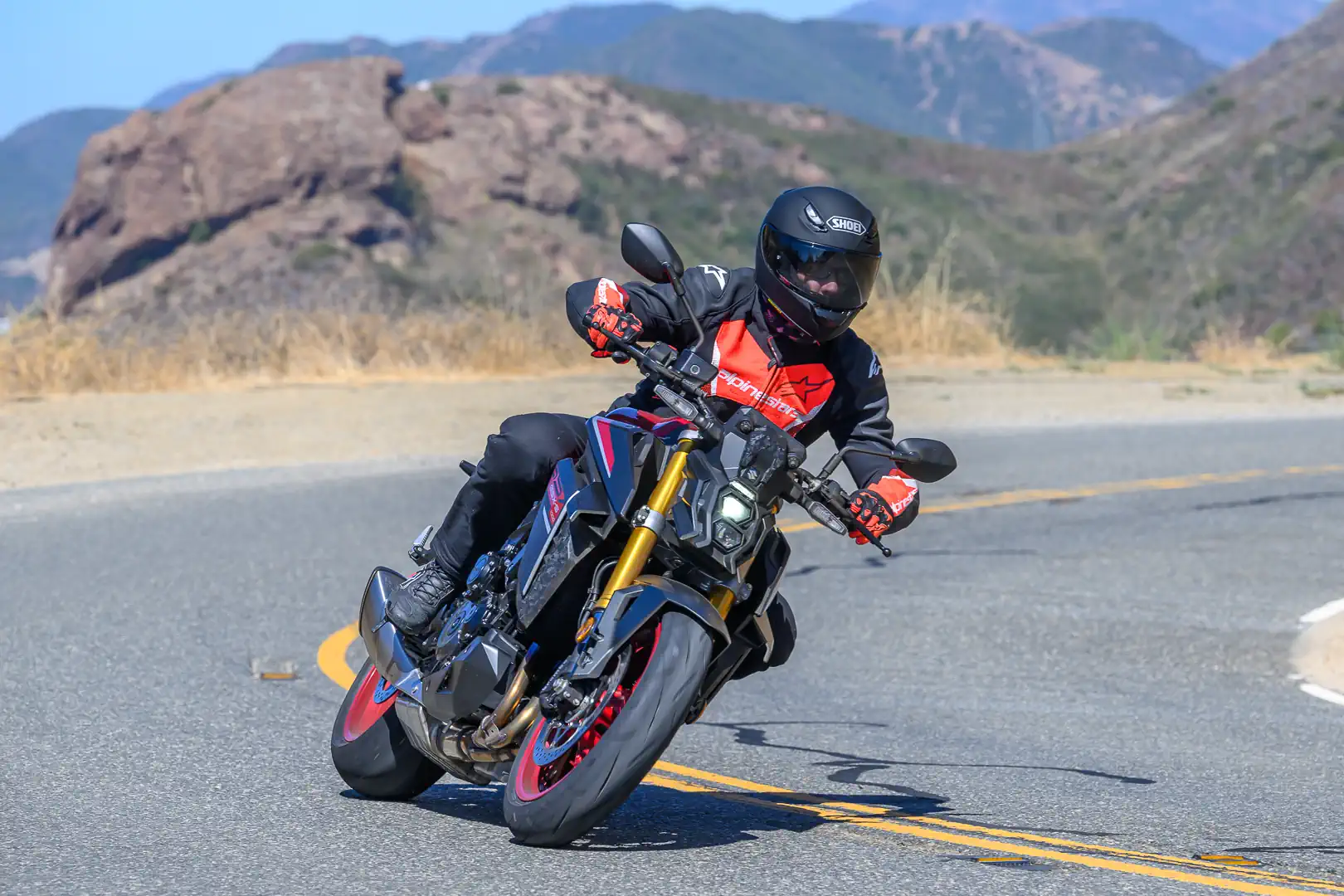
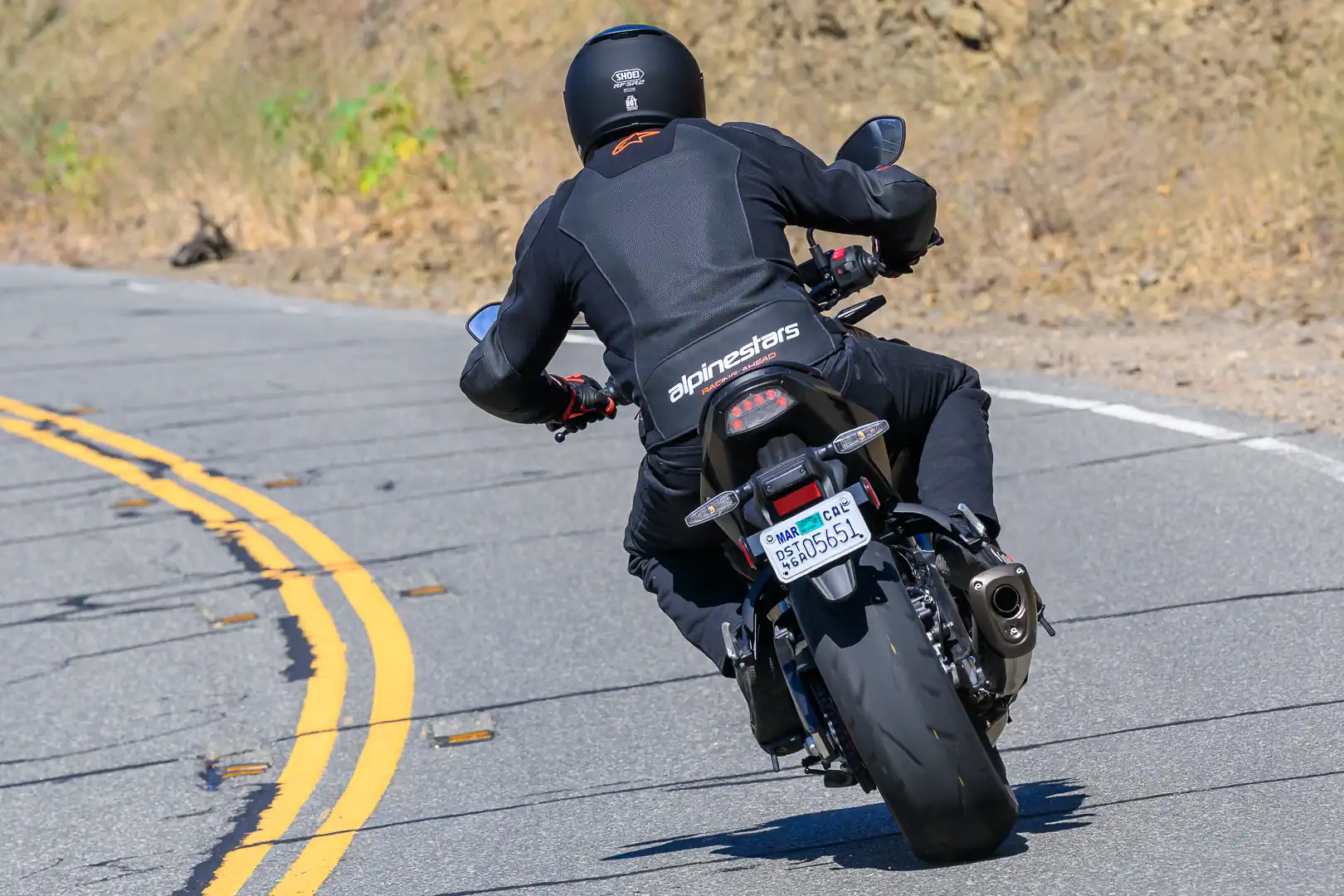
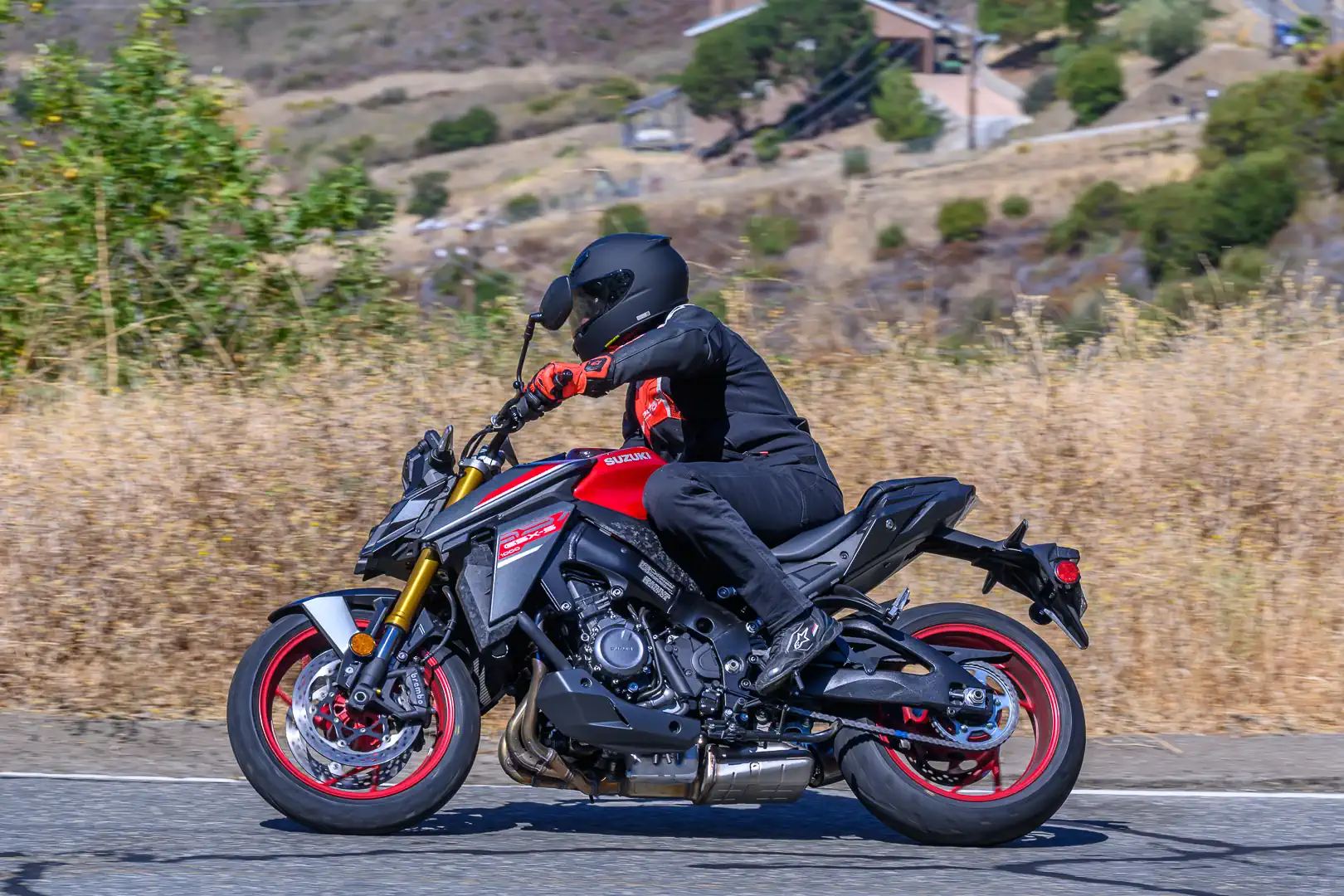
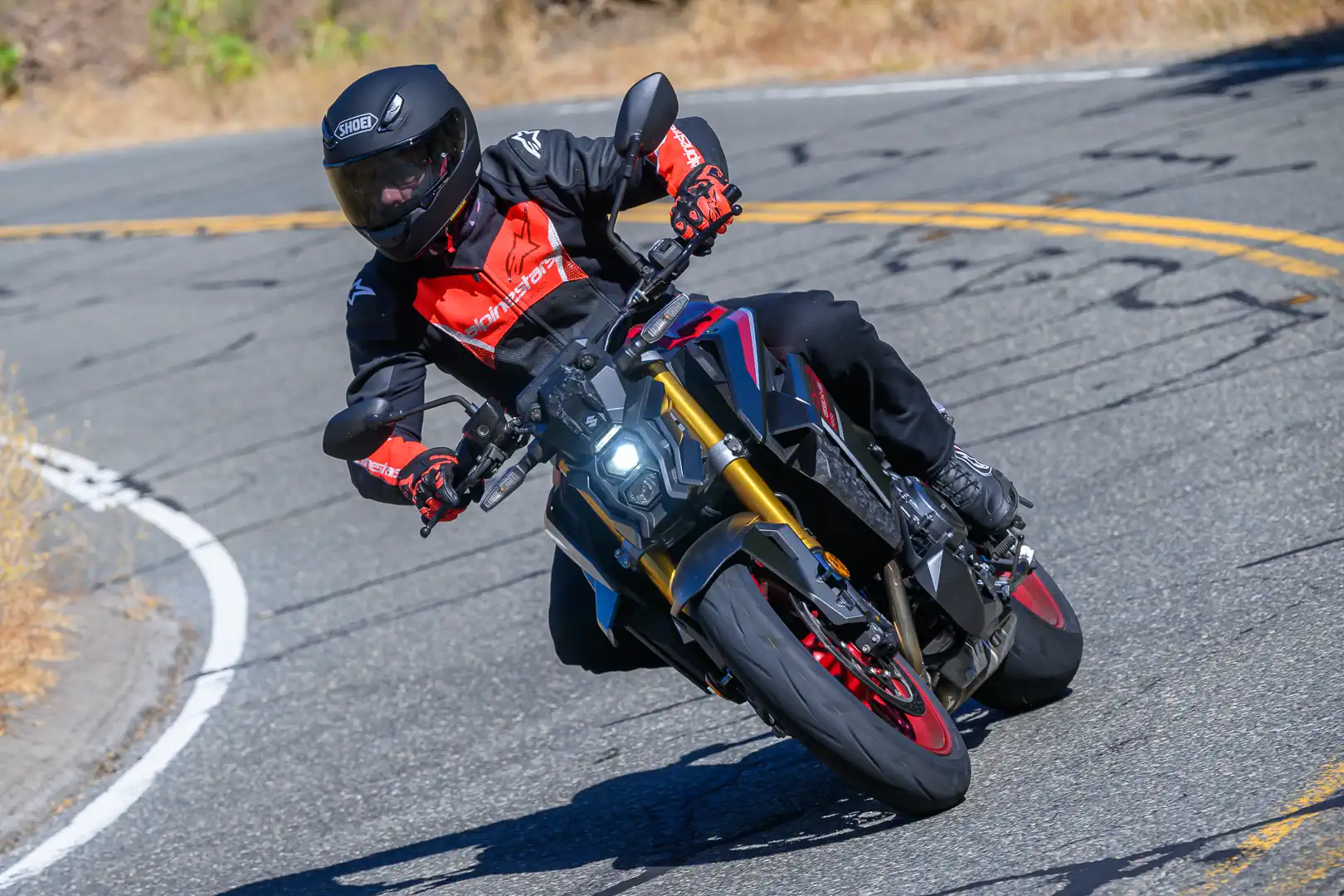
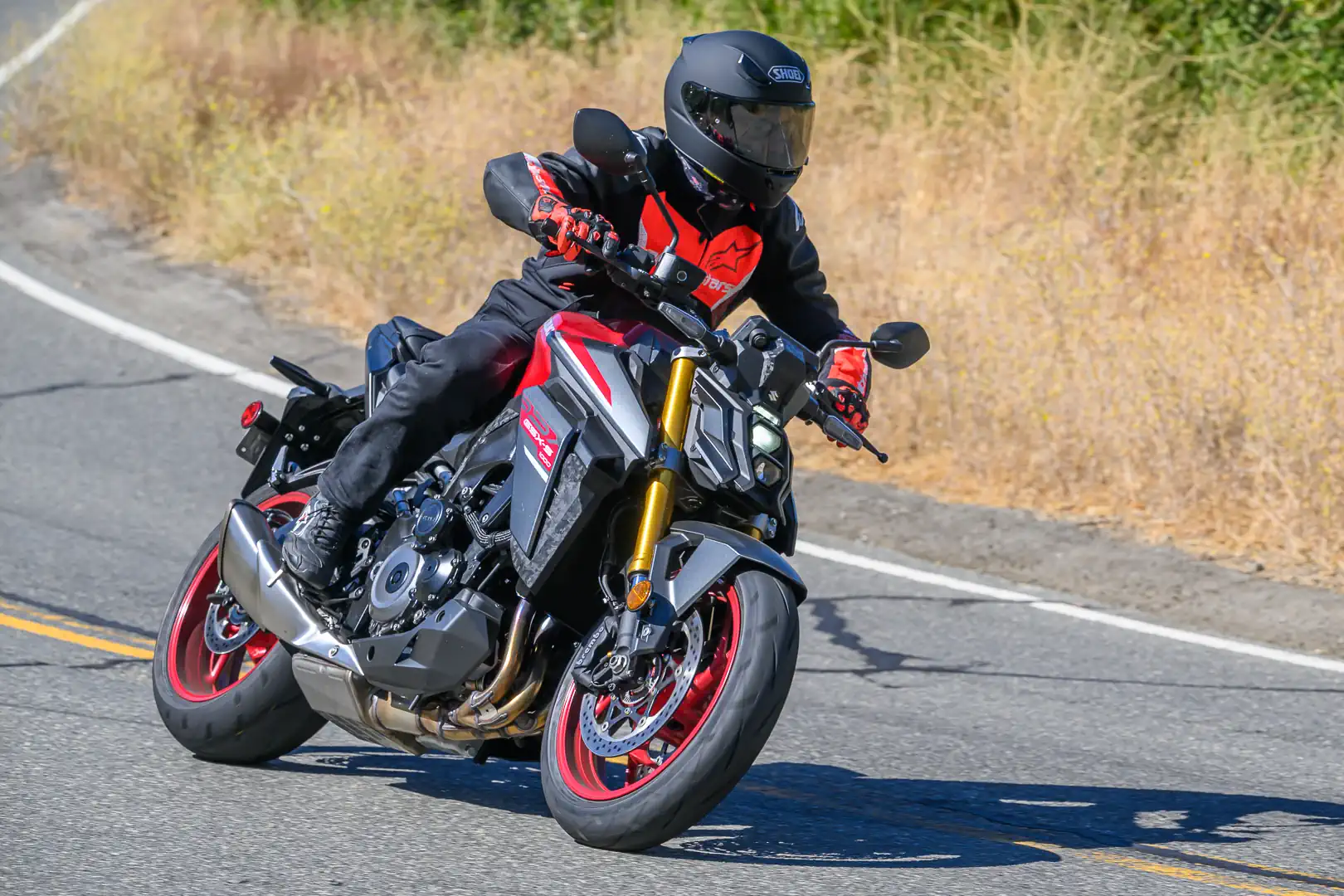
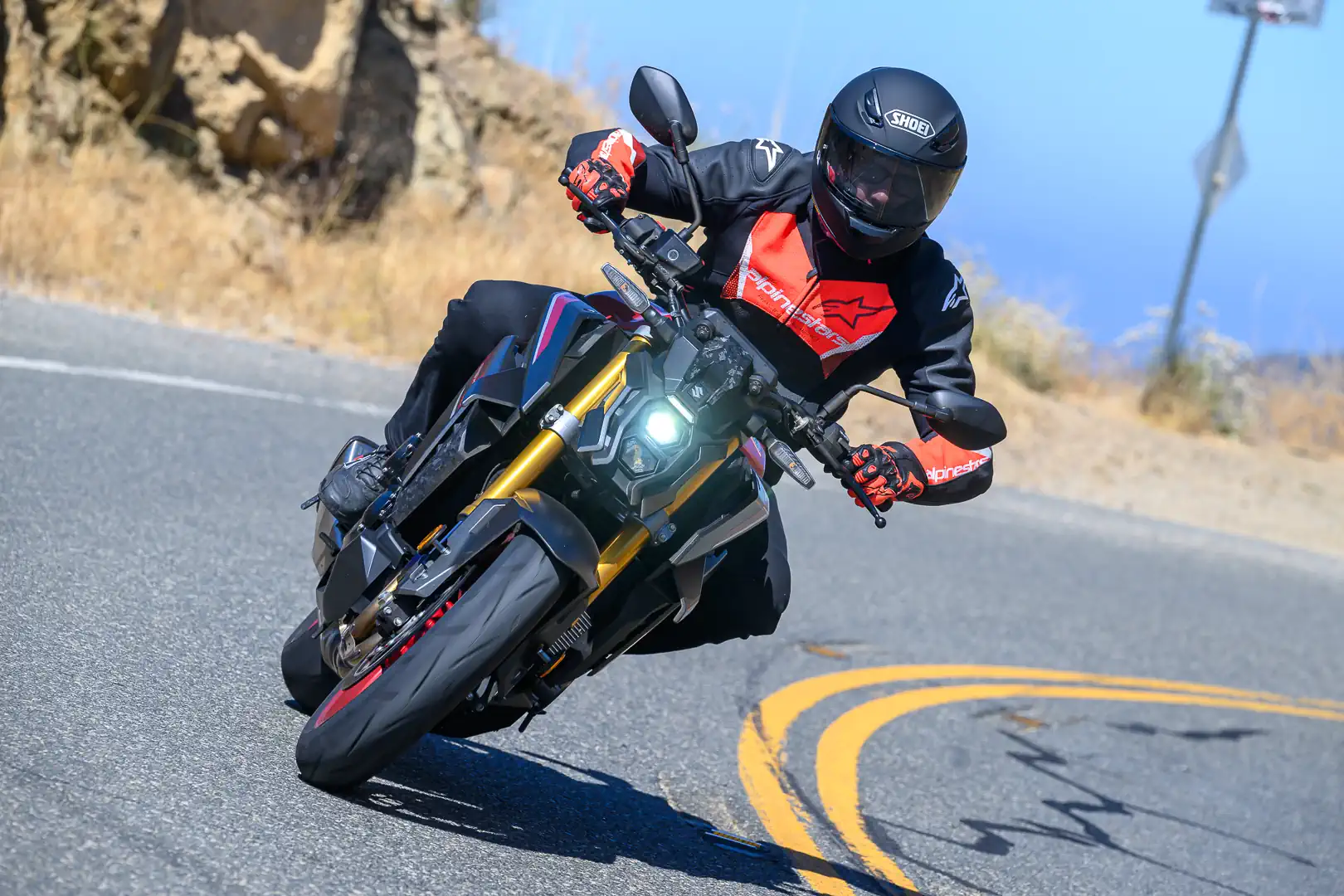
A proven, no-frills chassis delivers when it counts on the road. The twin-spar aluminum frame and GSX-R-derived swingarm carry over unchanged. The GSX-S1000 uses its sporty geometry to its advantage, leveraging its steepish rake and roomy 57.5-inch wheelbase to make it feel smaller than its liter-class and hefty 472-pound curb weight suggest. Tipping into turns requires little muscle, and the Suzuki holds its line wonderfully. One easy upgrade that would positively impact handling is opting for a taller-profile 190/55 rear tire when the time comes to encourage nimbler manners. As it stands, the stock Dunlop Sportmax Roadsport 2 uses a standard 120/70 front tire and a less sporty, flatter 190/50 rear tire.
Suspension duty falls to KYB once more. Arguably, the benefits of analog suspension are predictability and affordability. Once you’ve dialed in your settings, you’ll know what it’s going to do no matter the conditions, and you don’t have to pay a premium for it. The fully adjustable inverted 43mm fork is paired with a linkage-enhanced shock that offers rebound damping and spring preload adjustments. That gives riders room to firm things up for a canyon session or soften them for a rough commute, though they’ll have to break out tools to do it. In stock trim, Suzuki leans towards a firmer action that delivers decent ride quality and pays dividends when in the canyons. The trade-off is that sharp-edged hits, like expansion joints, can be transmitted to the rider, so adjust accordingly.
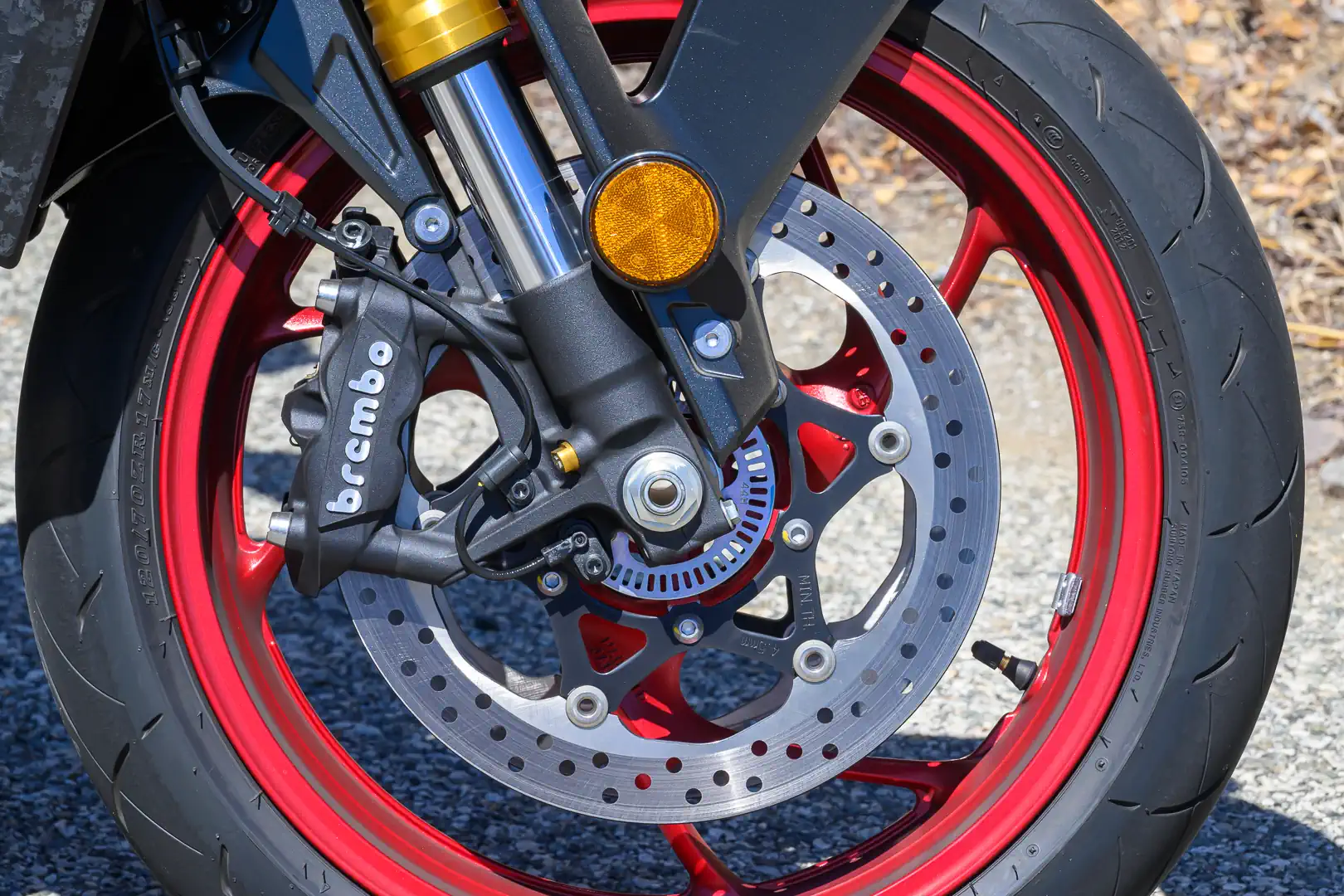
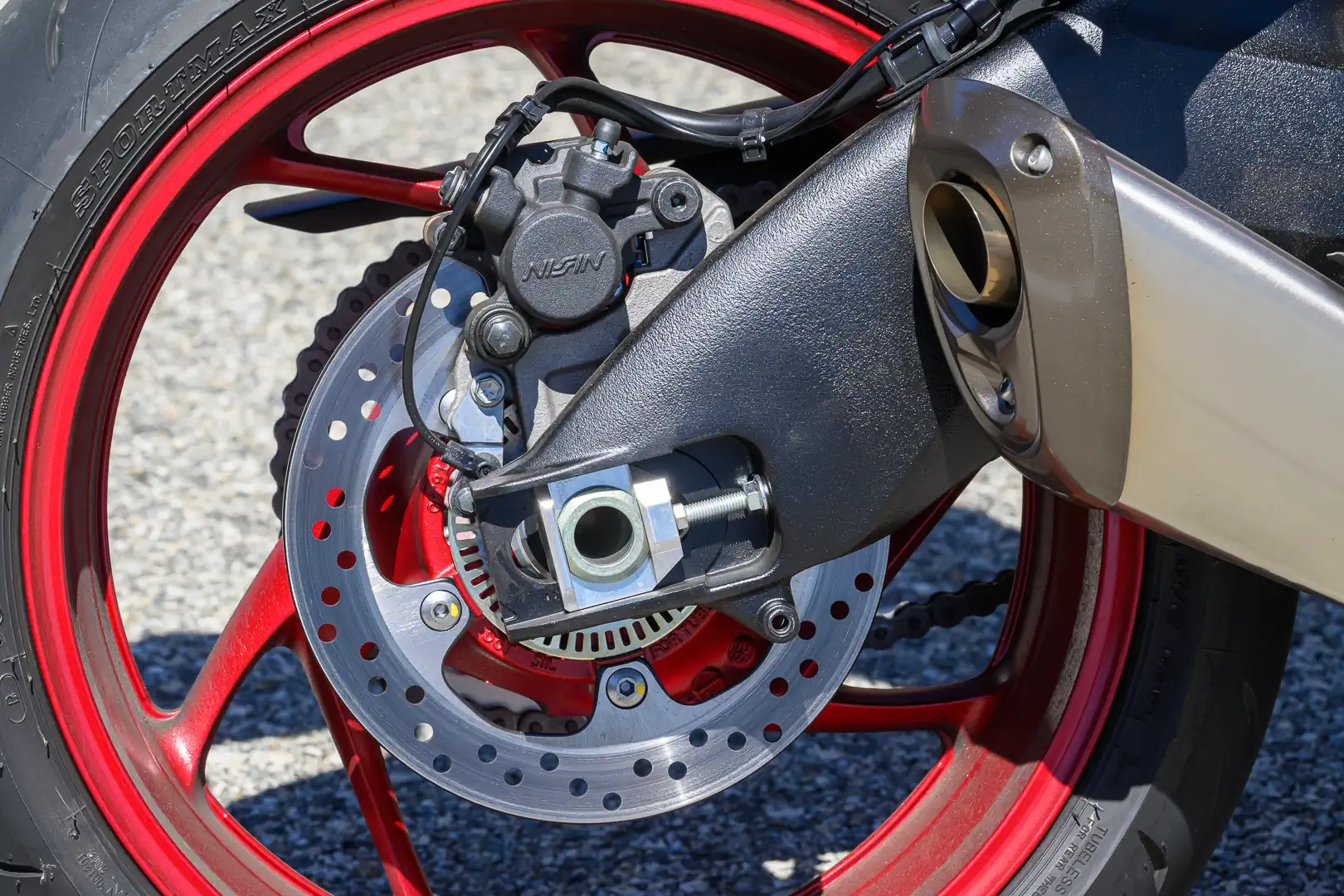
The Brembo/Nissin braking combination won’t let you down. In another case of “if it ain’t broke, don’t fix it,” we see the familiar Brembo four-piston monoblocs clamping onto 310mm rotors, while a single-piston Nissin caliper handles things in the back. The axial master cylinder lacks the kind of attack we’d like to see in such a sporty steed, though critically, the brakes perform as needed even when riding at an extra-legal pace.
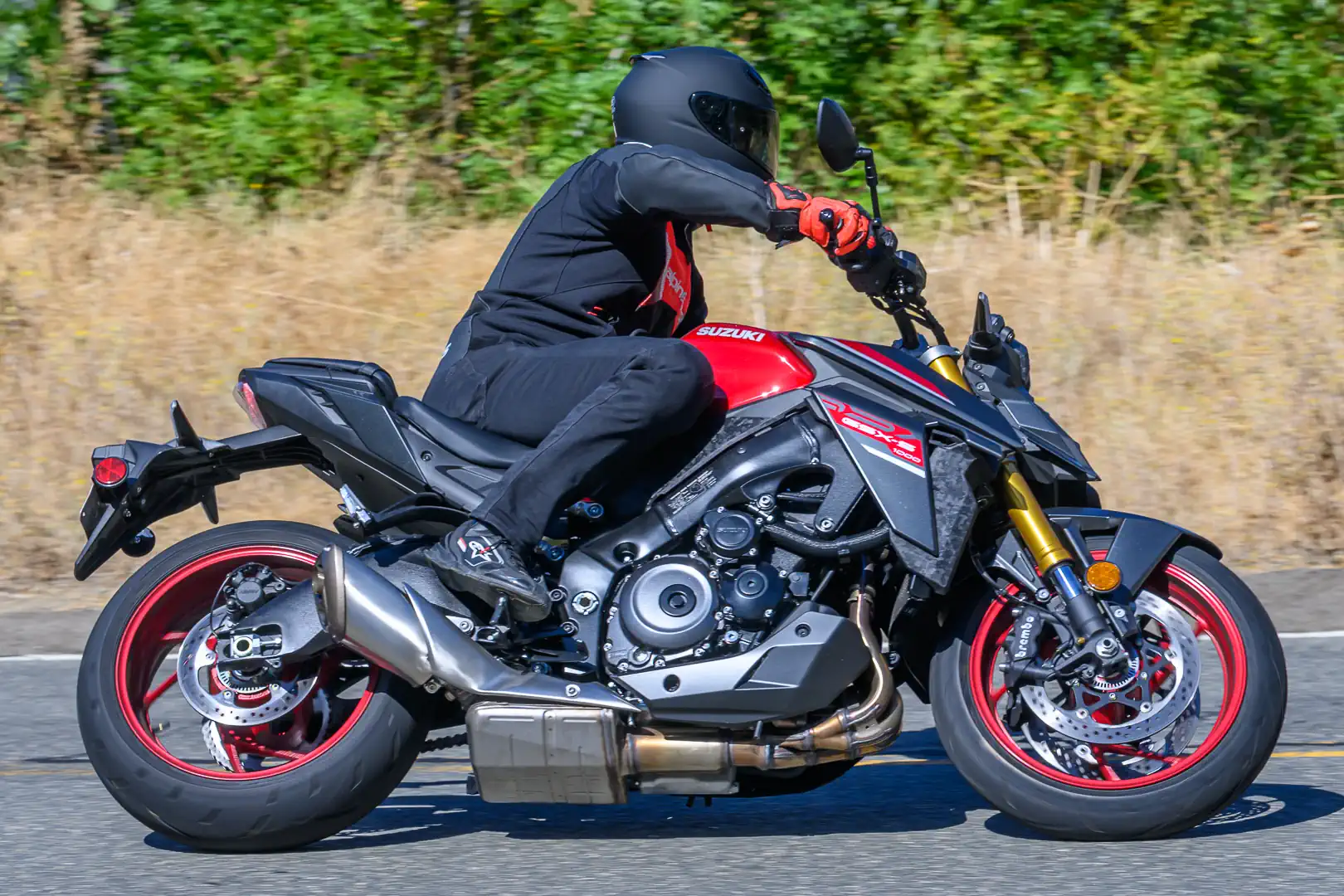
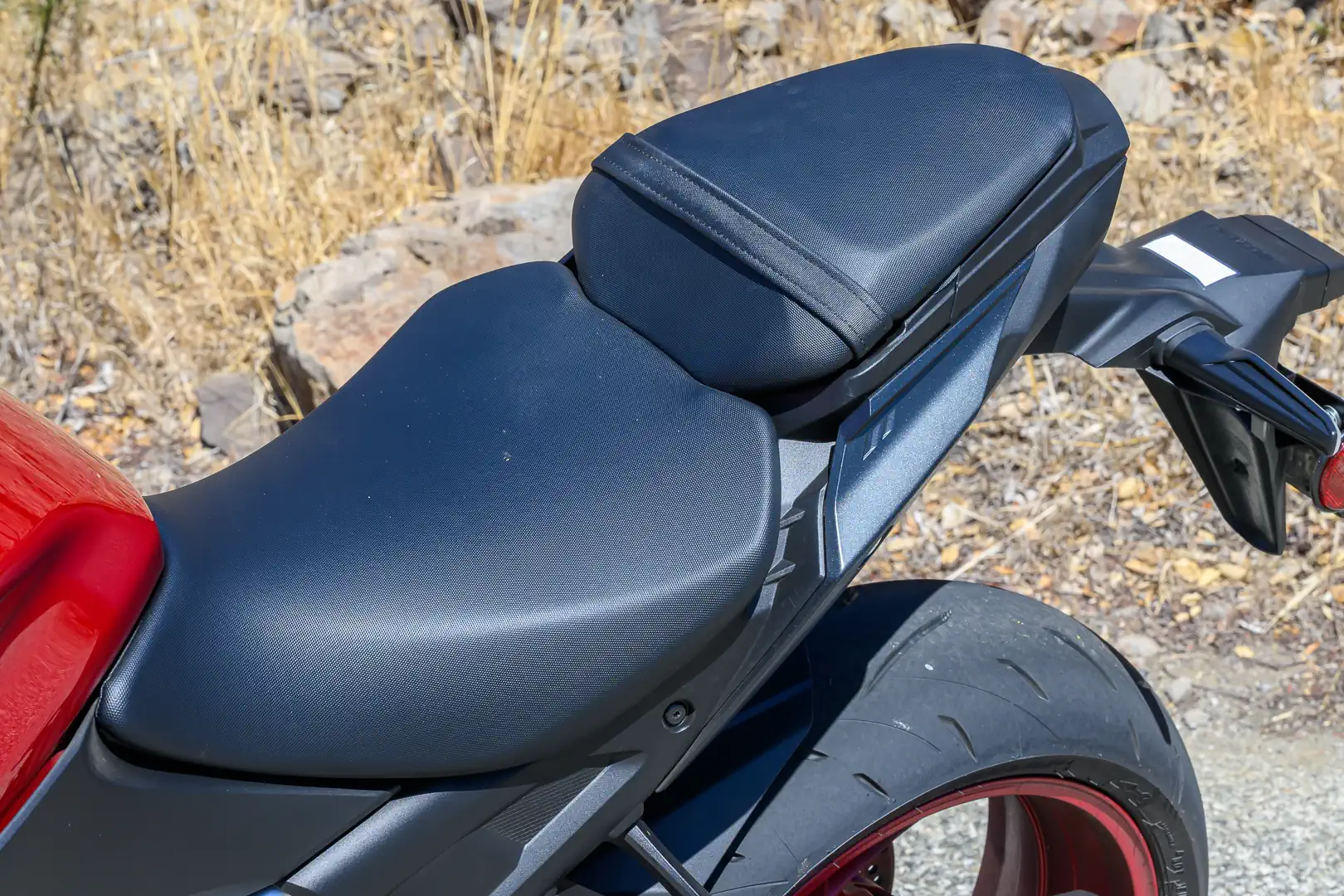
The riding position strikes a balance between commuter comfort and sportbike engagement. A 31.9-inch seat height and relatively upright bar bend keep the GSX-S1000 approachable in stop-and-go traffic. The footpegs are positioned with enough cornering clearance for spirited riding, yet don’t demand a forward crouch to access. As it is thoroughly nude, you do have to negotiate windblast at freeway speeds. That’s just the price we pay in this class, and it isn’t too bad anyway. Suzuki tuned this ergonomic package for street use first, and it shows. An hour of lane-splitting and stoplight-to-stoplight commuting doesn’t beat up wrists or lower backs the way a more committed sportbike would.
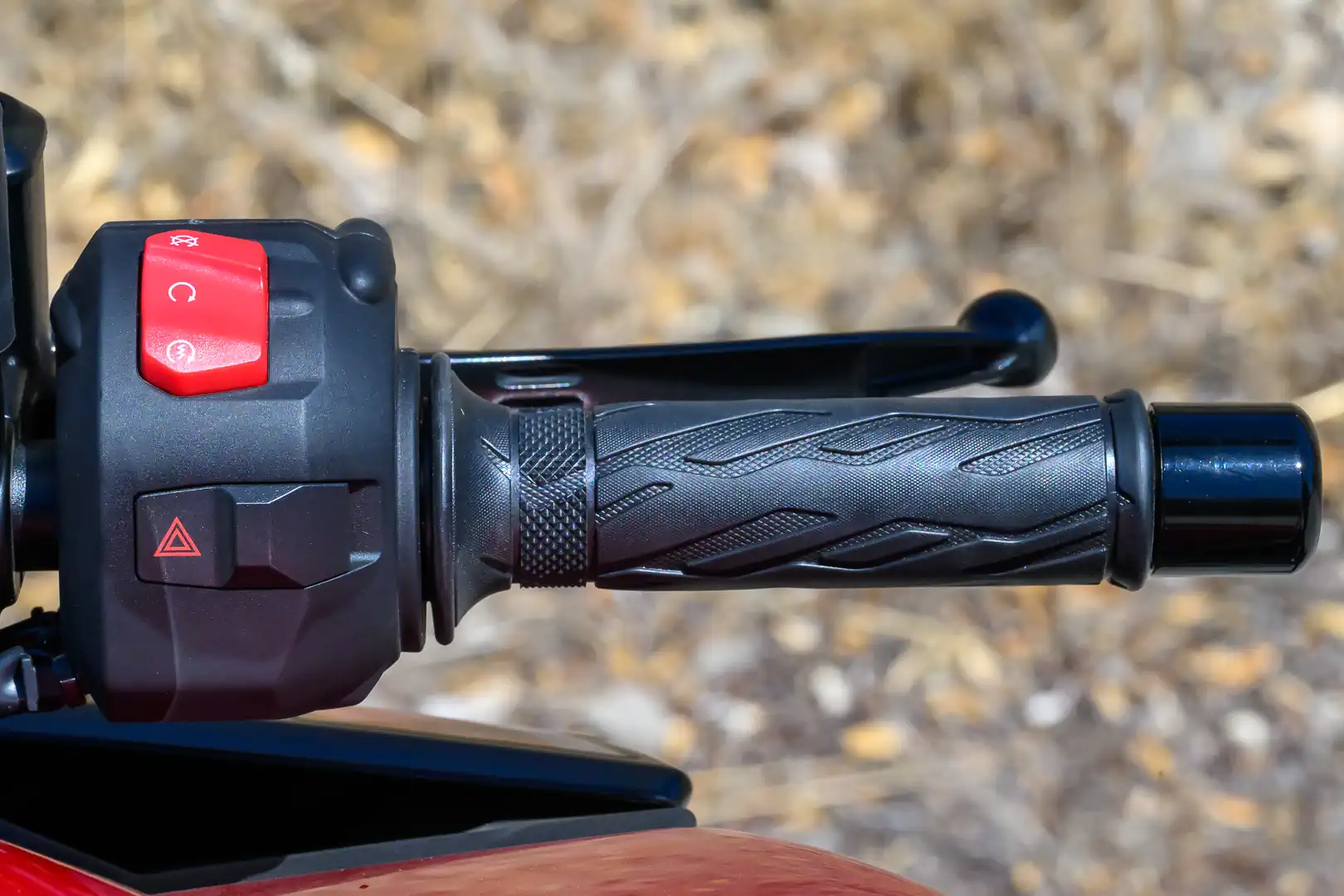
Rider aids are present yet pleasingly refreshing and unobtrusive. On deck we have three ride modes, five traction control settings, and Suzuki’s brilliant bidirectional quickshifter. Suzuki, at least with respect to its I4-powered motorcycles, is a leader in QS systems. There are no IMU-based nannies here, which means it’s certainly behind the times in terms of niceties such as cornering ABS, lean-angle-detecting TC, or multilevel wheelie control, but who cares? TC is the only safety parameter you can adjust, so toss it at 1 or 2 and let it do its work quietly in the background. If you’re a hooligan, then you’ll want to turn it off to hoist the front wheel skyward, and that’s it. It’s a welcome sight to see only the basics these days, comparatively speaking, anyway.
The 5-gallon tank shared with the GT and GX gives you plenty of range in distant canyons. We’ll preface this statement with “your mileage may vary” because honest-to-goodness, that’s the truth, folks. Even when enjoying spirited paces, numbers in the high 30s are completely doable, while those with a more relaxed throttle hand will eke out mpg into the low 40s. While an Aprilia Tuono V4 Factory 1100, BMW M 1000 R, or Ducati Streetfighter V4 S all make considerably more peak power, their collective range pales in comparison to the Suzuki’s when it’s ridden with any hint of aggression.
The 2026 Suzuki GSX-S1000 meets us at the intersection of value and practicality. At an MSRP of $11,989, the Suzuki’s cost is nowhere near the stratospheric asking prices of European competitors that are loaded to the gills with every imaginable gizmo. Whether they’re better for it is completely up to you. As it stands, only a handful of naked, upright literbikes embrace motorcycling’s simplicity, including the even more affordable Honda CB1000 Hornet SP ($10,999) and the pricier base-model Yamaha MT-10 ($14,999). The irony isn’t lost that, not too long ago, we may have derided the GSX-S1000 for lacking advanced features. These days, it represents a subsection of the class that’s arguably focused on what matters in motorcycling: two wheels, a great engine, and an experience.
Hello and welcome again to the Motos and Friends Podcast. This episode is brought to you by Leod Escapes.
* * * * *
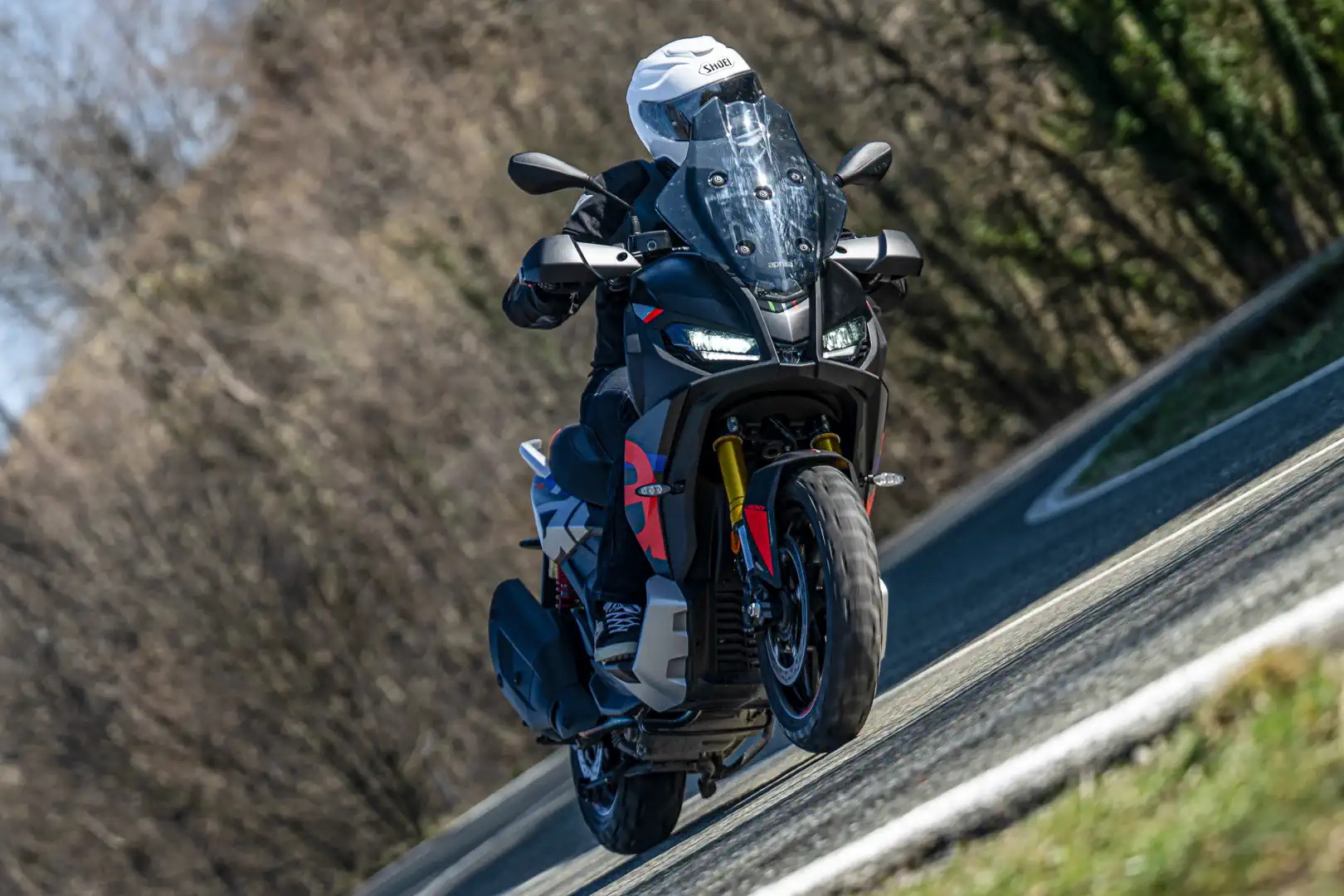
Aprilia is bringing a scooter to North America, and it’s one designed to appeal to adventure motorcyclists. The SR GT 400 is a mid-size scooter built around a steel motorcycle-style frame, a 399cc single, and off-road-ready hardware. It reaches US dealers as soon as this month. Don Williams and Kelly Callan spent some time riding the Aprilia and were surprised by what they discovered. Is this a real motorcycle or just a good-looking urban scooter?
* * * * *
Cat McLeod is founder and owner of Leod Escapes, the ultimate tour company for sport-minded motorcycle riders. Cat talks to us this segment about some of his amazing European experiences and tours that include of course, riding some amazing MotoGP tracks on new BMW S1000RRs. If you like what you hear, now is the time to book your trip of a lifetime, so visit LeodEscapes.com to find out more.
* * * * *
Our guest this episode is Terry Vance, the multiple Motorcycle and Motorsports Hall-of-Famer. Terry is of course the former professional motorcycle drag racer, team owner, and co-founder of the high-performance parts company Vance & Hines. Teejay Adams chats with Terry about his incredible career that includes being the first rider to hit 200 mph in the standing quarter-mile.
Having won this year’s MotoAmerica Mission King of the Baggers championship with Hayden Gillim riding the Vance & Hines factory Indian Challenger, and with Harley-Davidson’s recent withdrawal, Terry gives us his thoughts on where the series might go from here.
* * * * *
Here’s quick reminder to check out our monthly digital magazine. It’s filled with everything you want to read on motorcycling, including some things you’ve probably not seen elsewhere. It’s absolutely free and you will find it on the Apple App Store and of course on Google Play as well.
Don’t forget to leave us your comments on our social media—we’re on all the usual platforms at Ultimate Motorcycling. We love hearing your feedback… so good or bad, please let us know what you think. If there’s something you’d like us to cover, we’d love to hear those ideas too!
We use cookies and browser activity on this website
Functional
Always active
The technical storage or access is strictly necessary for the legitimate purpose of enabling the use of a specific service explicitly requested by the subscriber or user, or for the sole purpose of carrying out the transmission of a communication over an electronic communications network.
Preferences
The technical storage or access is necessary for the legitimate purpose of storing preferences that are not requested by the subscriber or user.
Statistics
The technical storage or access that is used exclusively for statistical purposes.The technical storage or access that is used exclusively for anonymous statistical purposes. Without a subpoena, voluntary compliance on the part of your Internet Service Provider, or additional records from a third party, information stored or retrieved for this purpose alone cannot usually be used to identify you.
Marketing
The technical storage or access is required to create user profiles to send advertising, or to track the user on a website or across several websites for similar marketing purposes.
Advertising helps us keep our content available for free, so adjusting your ad blocking settings will help us.
We appreciate your support!
i
How to Allow Ads on This Site
Depending on your setup, ads may be blocked by a browser extension, VPN, antivirus software, or other application. Here are some common ways to allow ads:
Browser Extensions (e.g., Adblock, uBlock, etc.)
Click the extension icon in your browser toolbar.
Look for an option like "Don't run on pages on this site" or "Pause on this site".
Save the change and refresh the page.
VPNs with Ad Blocking (e.g., NordVPN, Proton VPN, etc.)
Open your VPN app.
Go to settings or features.
Disable any ad blocking or tracking protection features.
Refresh the page.
Antivirus Software or Other Privacy Tools
Check for web protection, ad filtering, or browser privacy settings.
Click the power button to disable it for this site.
Refresh the page.
Not sure what's blocking ads? Look for tools with privacy or filtering features, or check your browser extensions. We only use respectful, non-intrusive advertising.