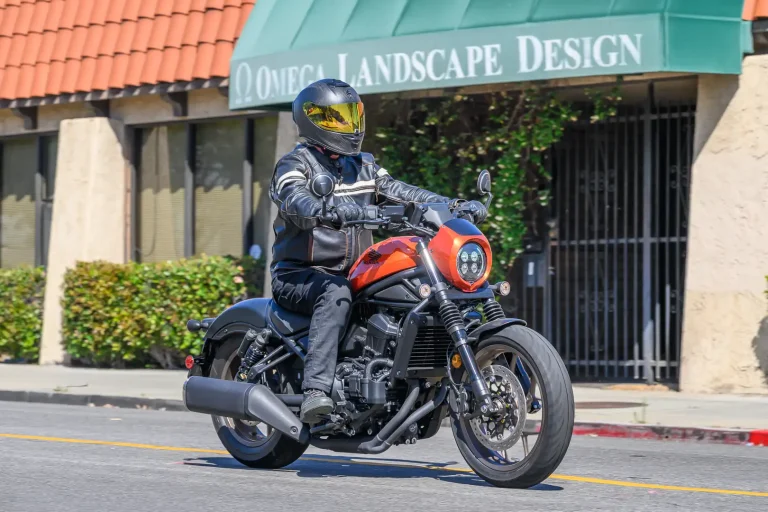
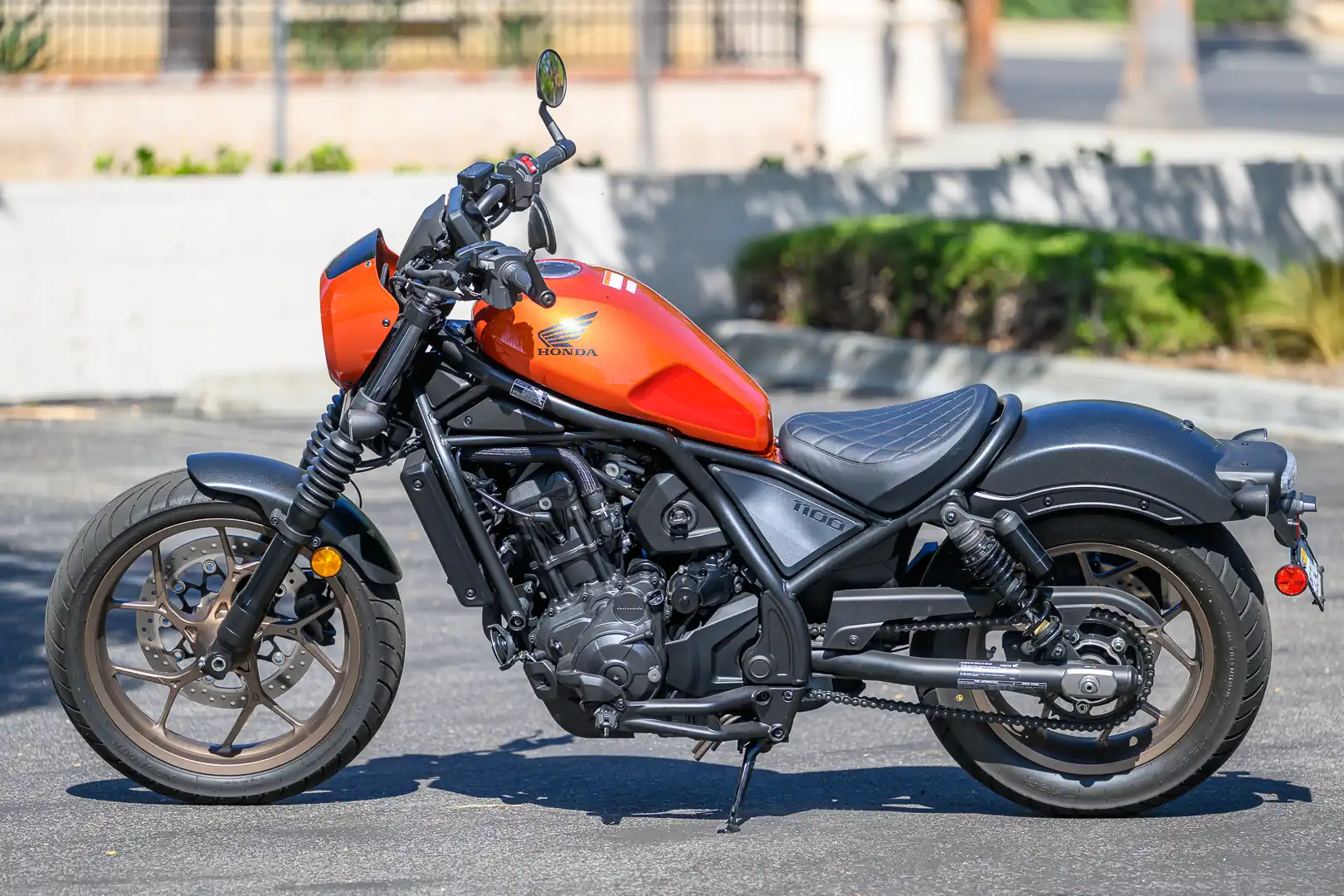
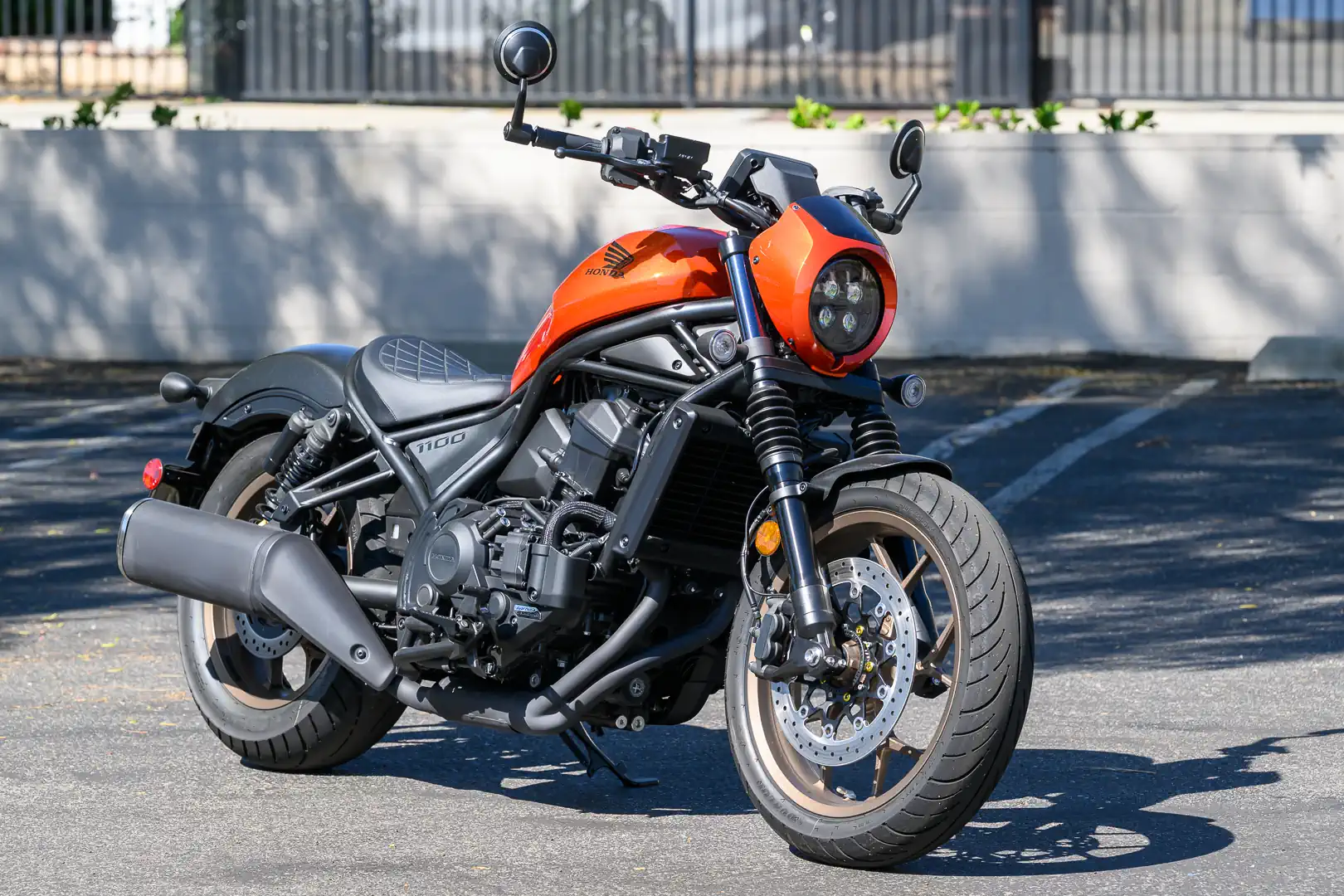
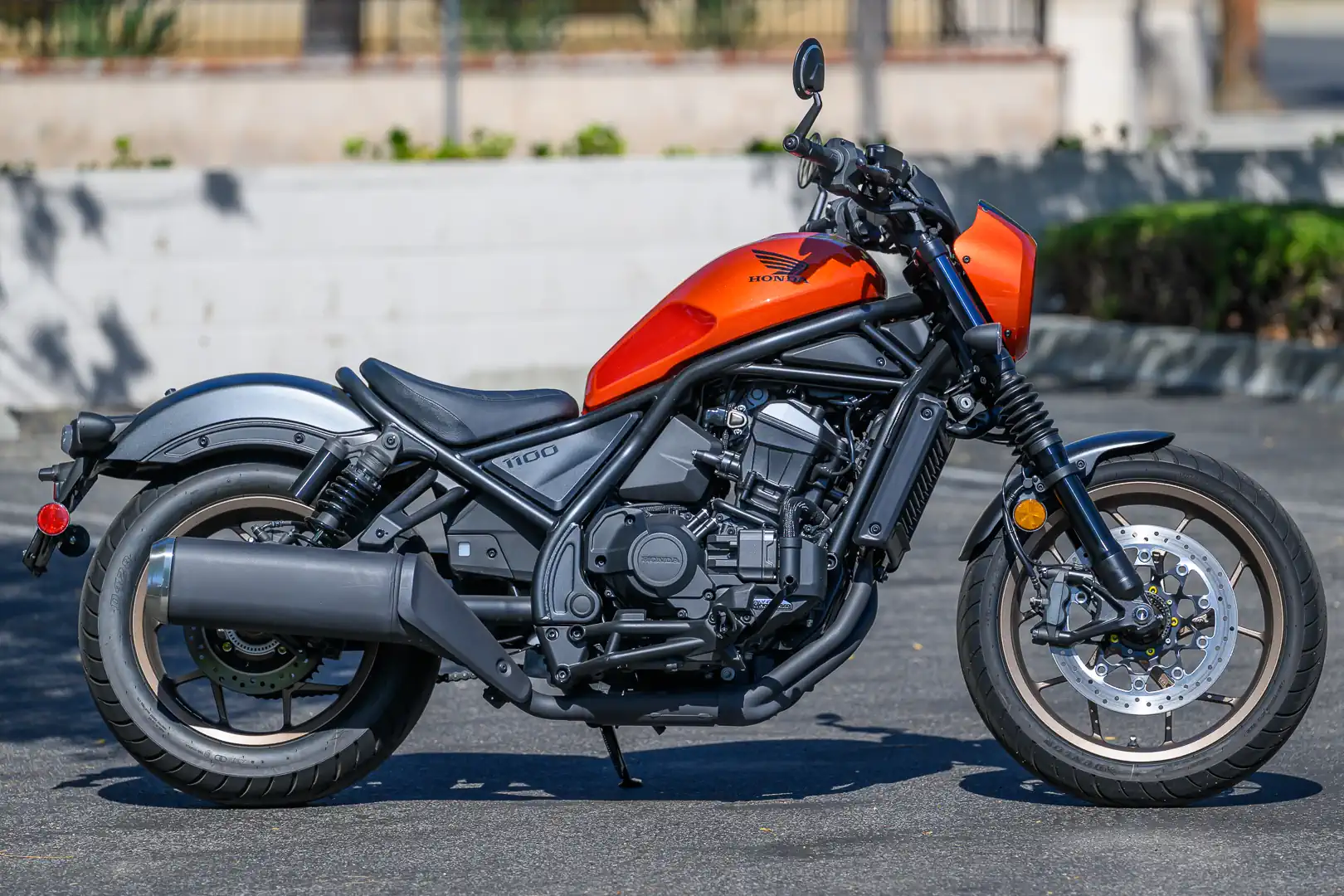
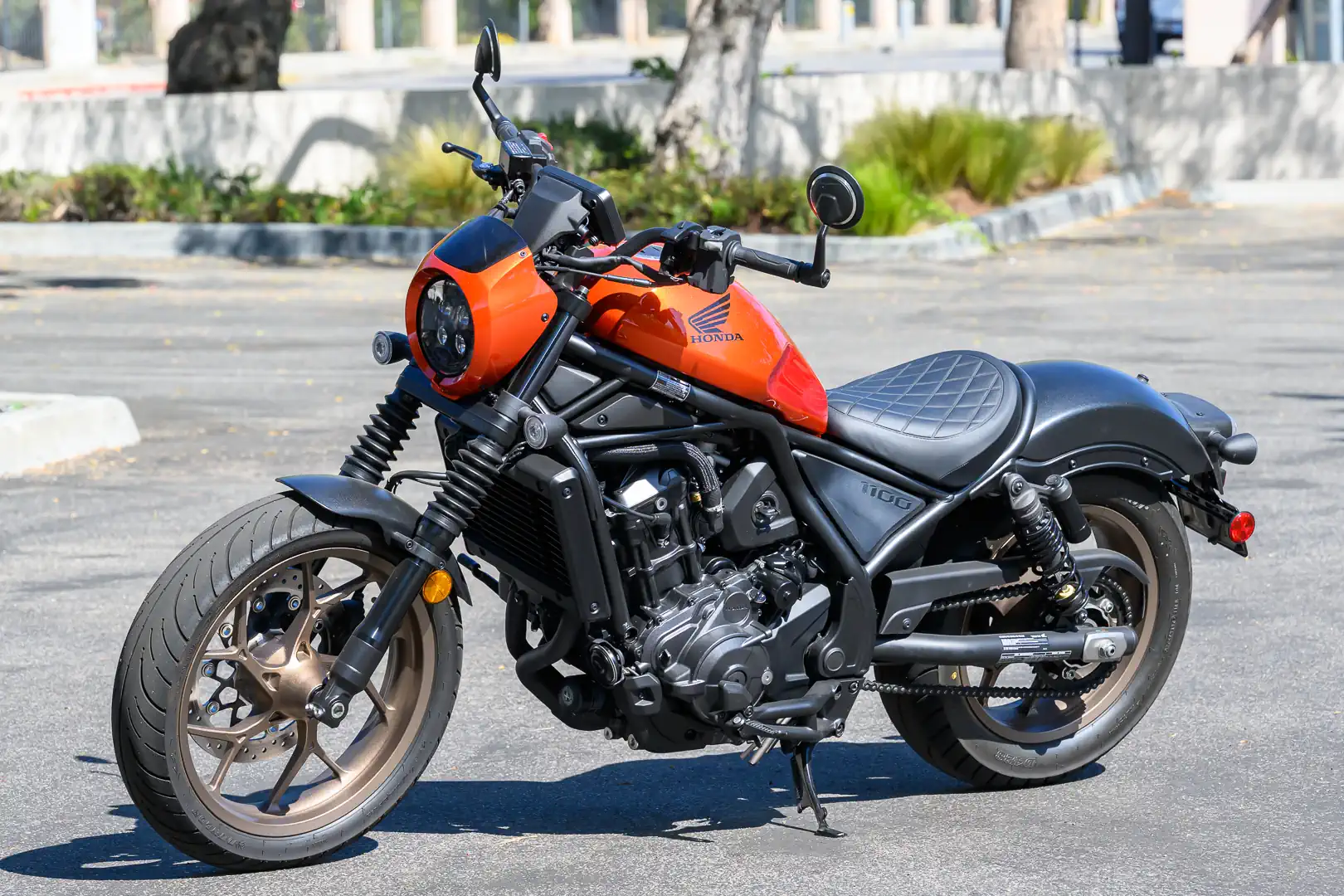
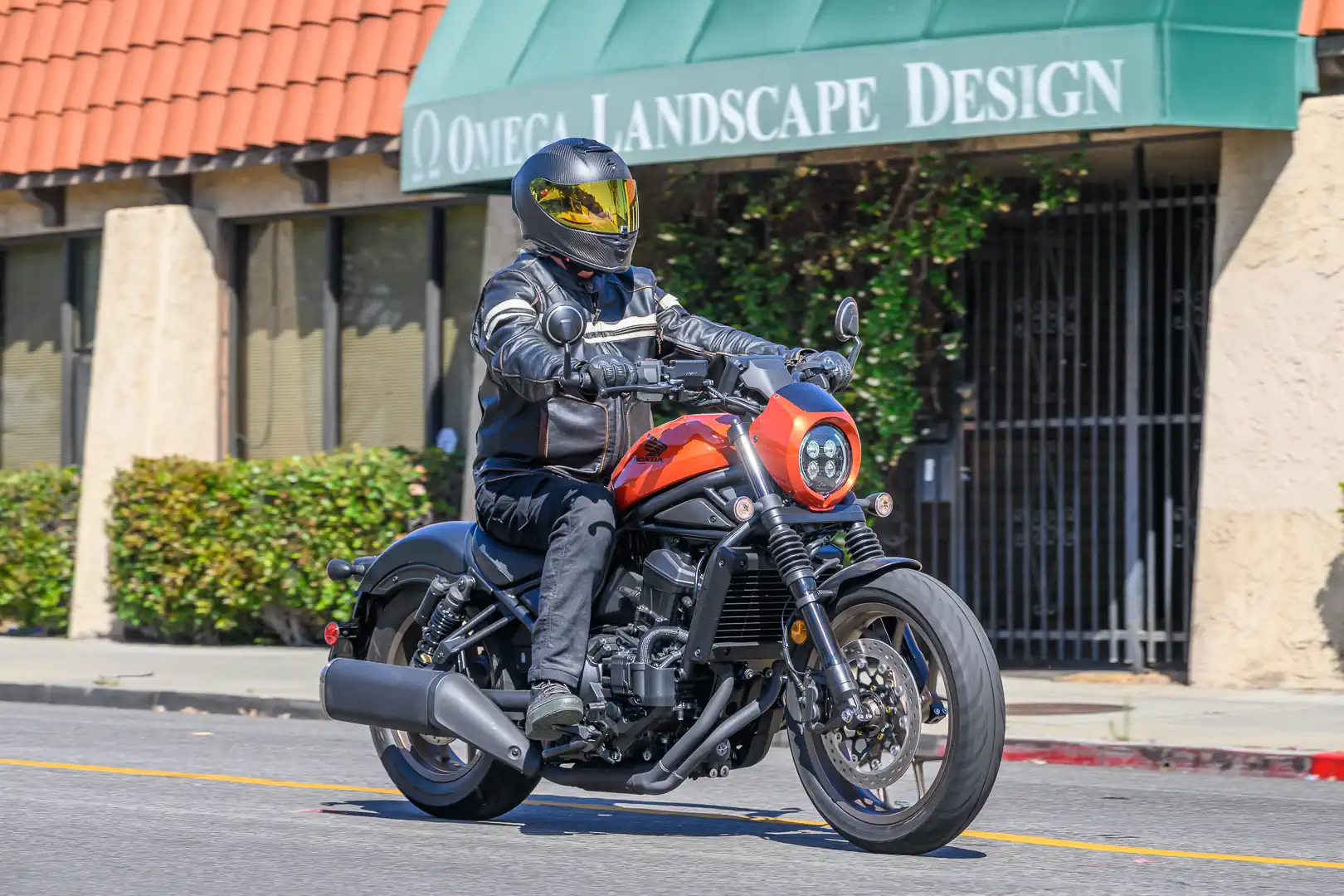
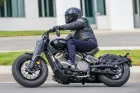
It took us a while to chase down the updated 2025 Honda Rebel 1100 DCT SE for a thorough test ride, but we finally did it. This detailed Honda Rebel 1100 review covers all the important updates for 2025, including revised ergonomics and an upgraded electronics package. If you’re considering the 2026 model, you’ll be happy to know it’s nearly identical except for color and a small price increase.
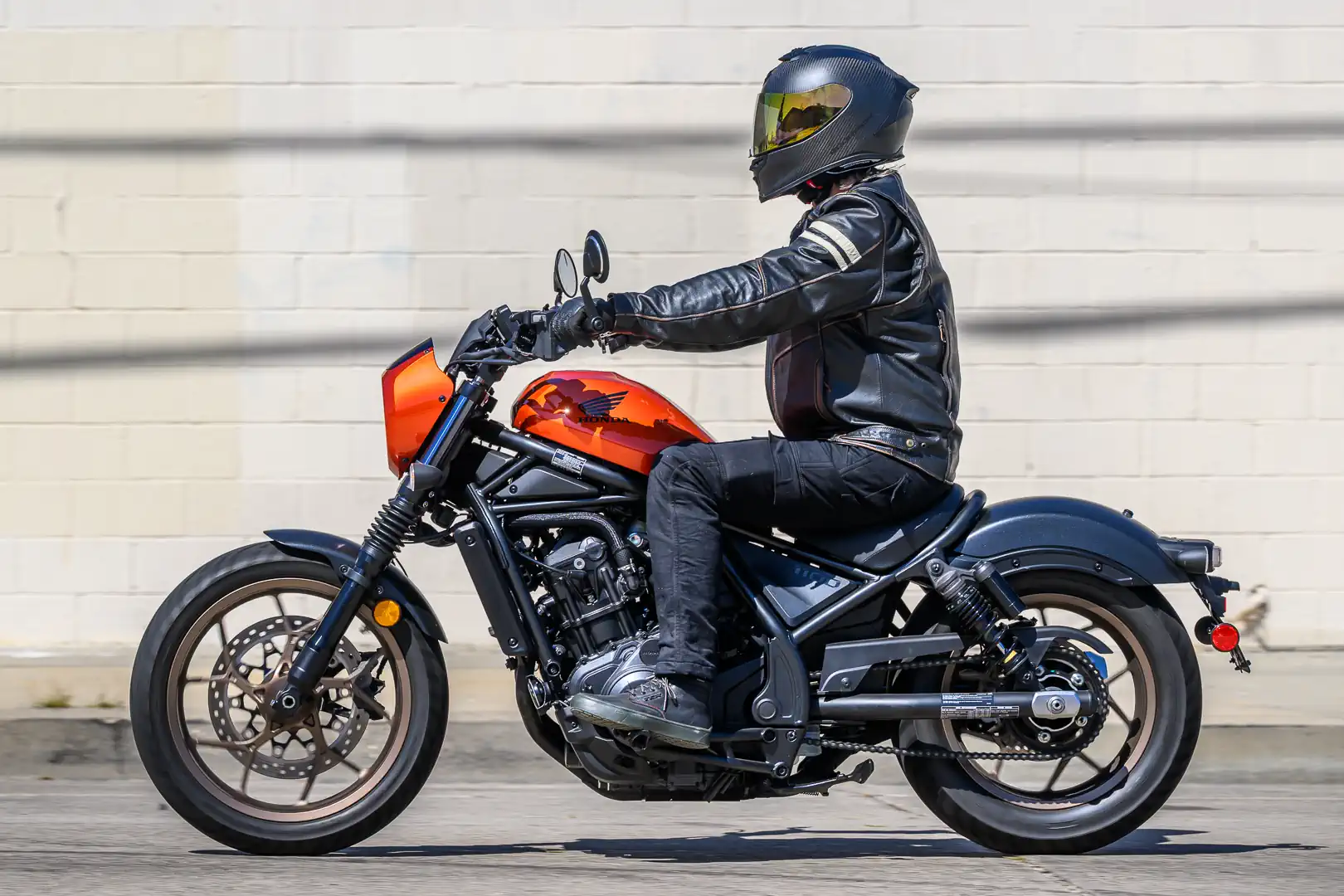
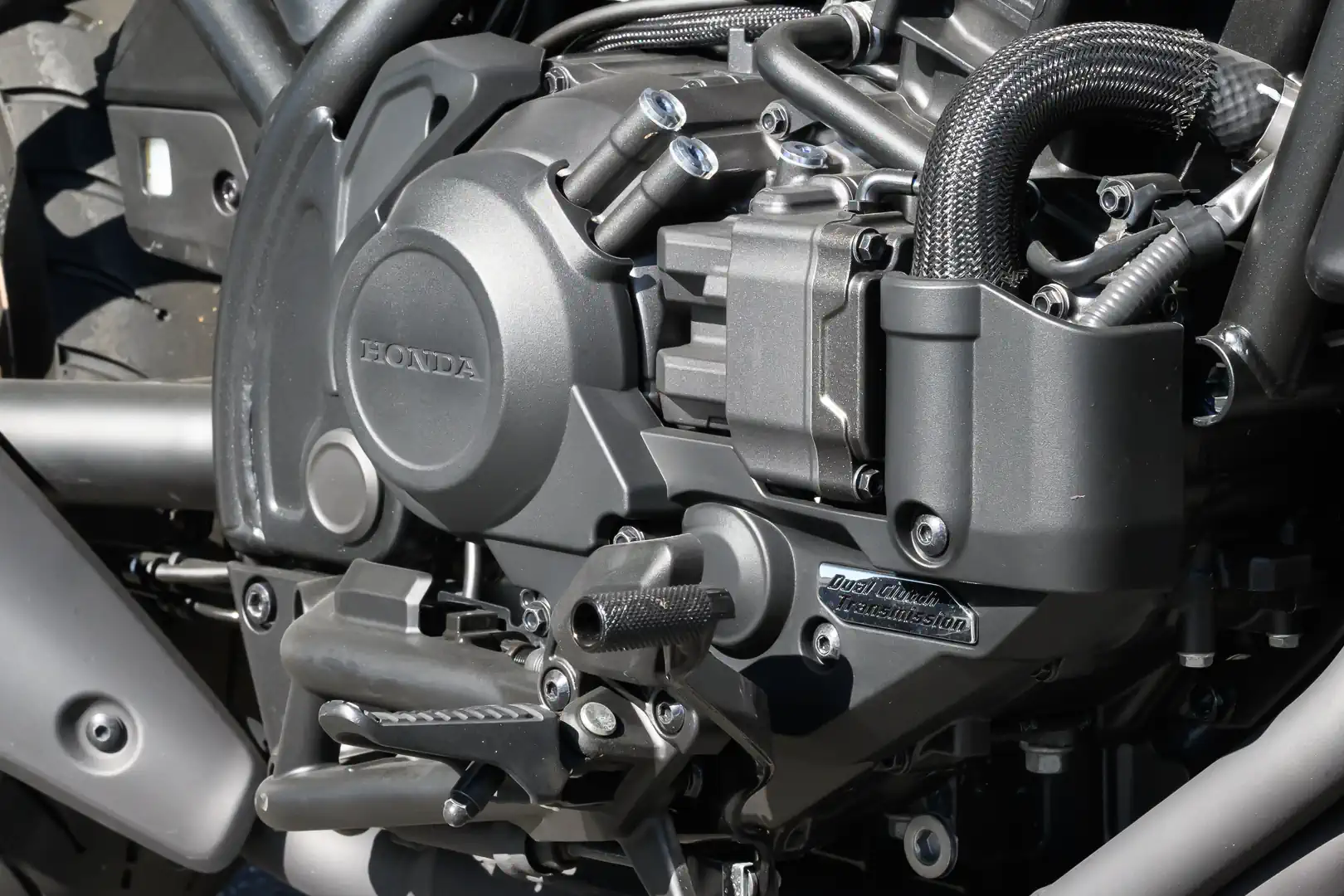
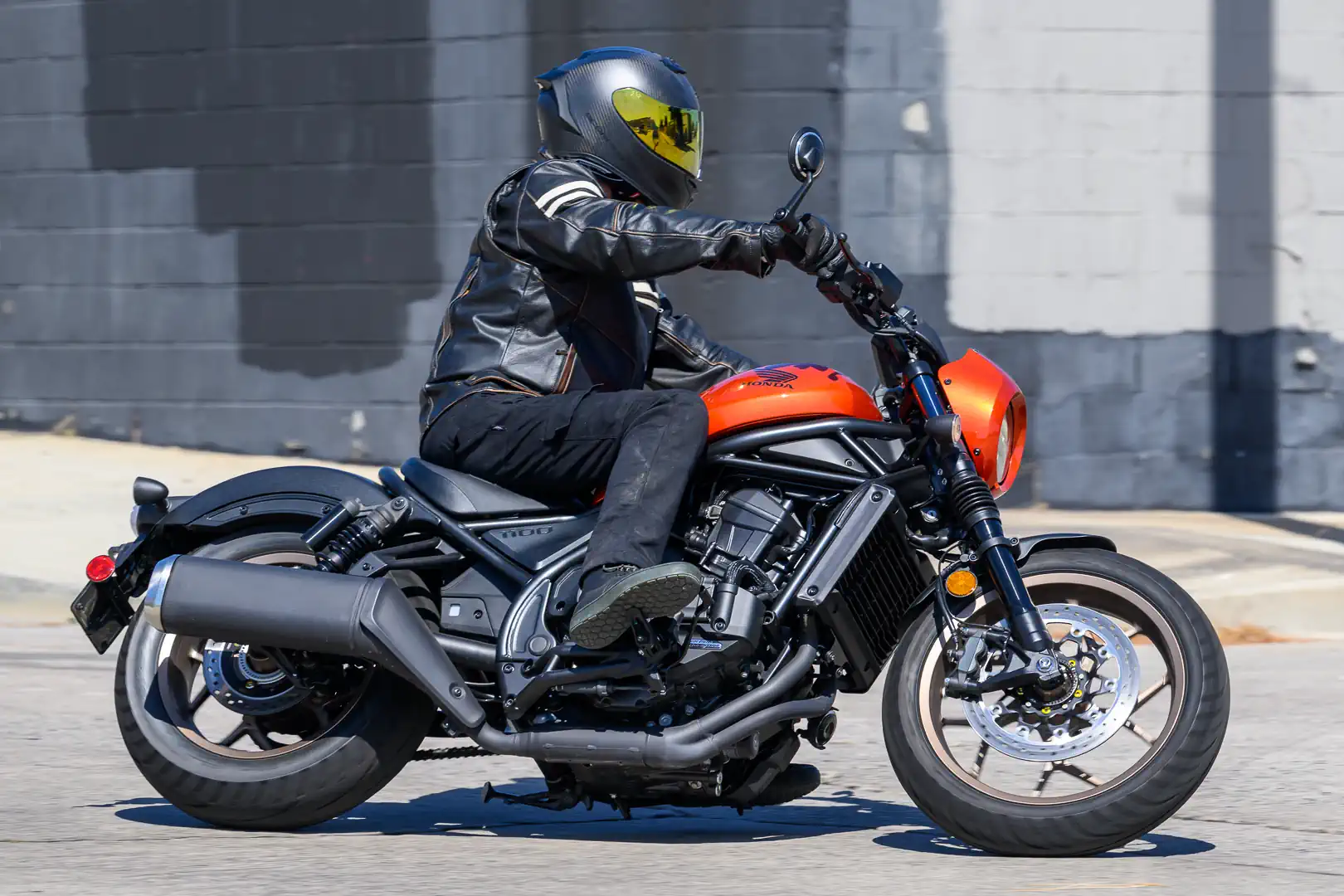
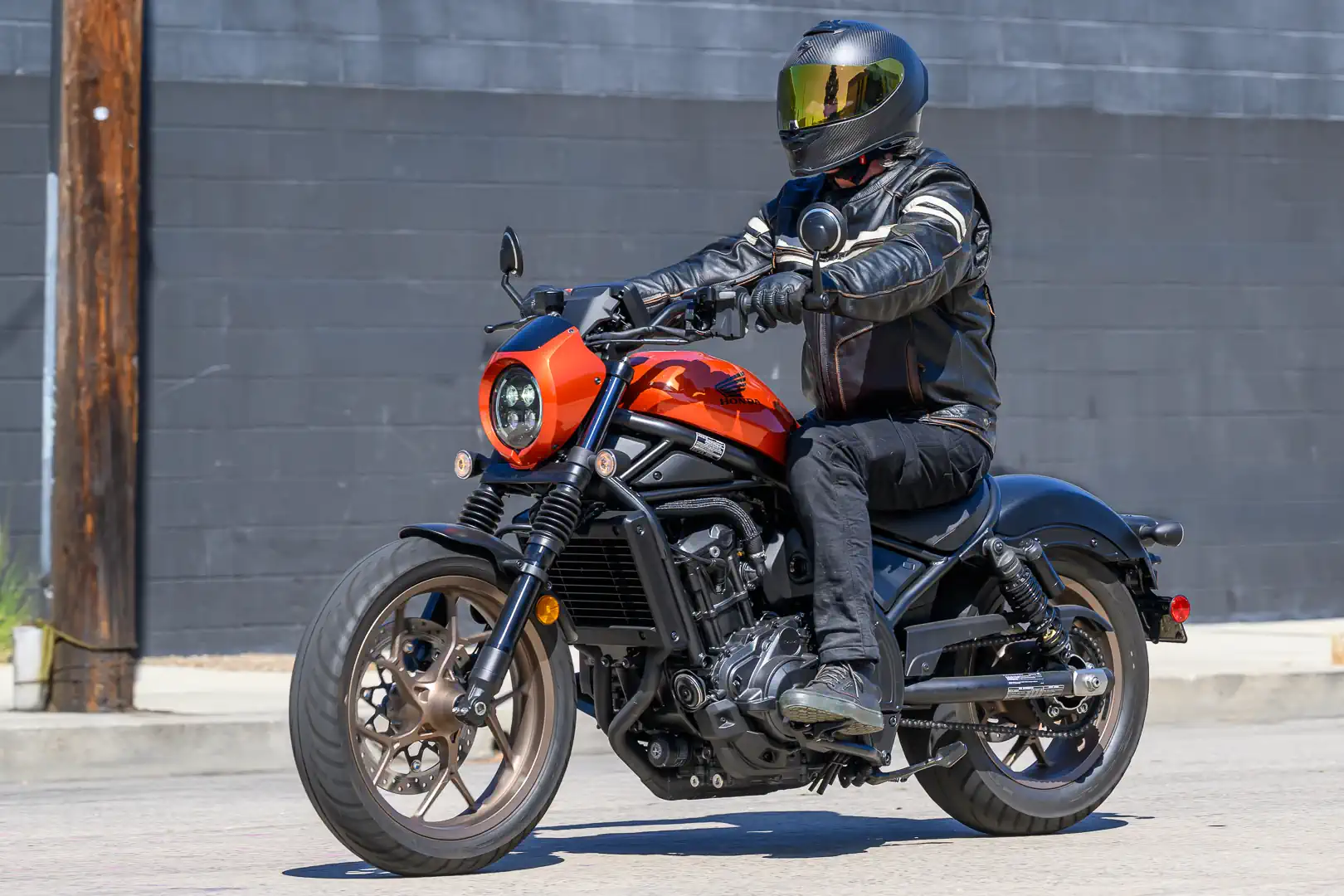
The Honda Rebel 1100 received an ergonomics rejiggering, and it works. The Rebel 1100 platform has always been comfortable, especially for riders with shorter inseams. The new version moves the footpegs forward two inches, and at 5-foot-9, I appreciate the additional legroom. The new footpeg placement also avoids conflicts with the clutch cover. Concurrently, the grips sit a half-inch higher and are an inch closer to the rider. With the already narrow handlebar, the rider gets standard upright ergos for the upper half of your body, and relaxed, moderately feet-forward cruiser ergos for the bottom half. It works, as the Honda Rebel 1100 is comfortable to ride, yet still gives the rider a sense of authority over the 509-pound motorcycle.
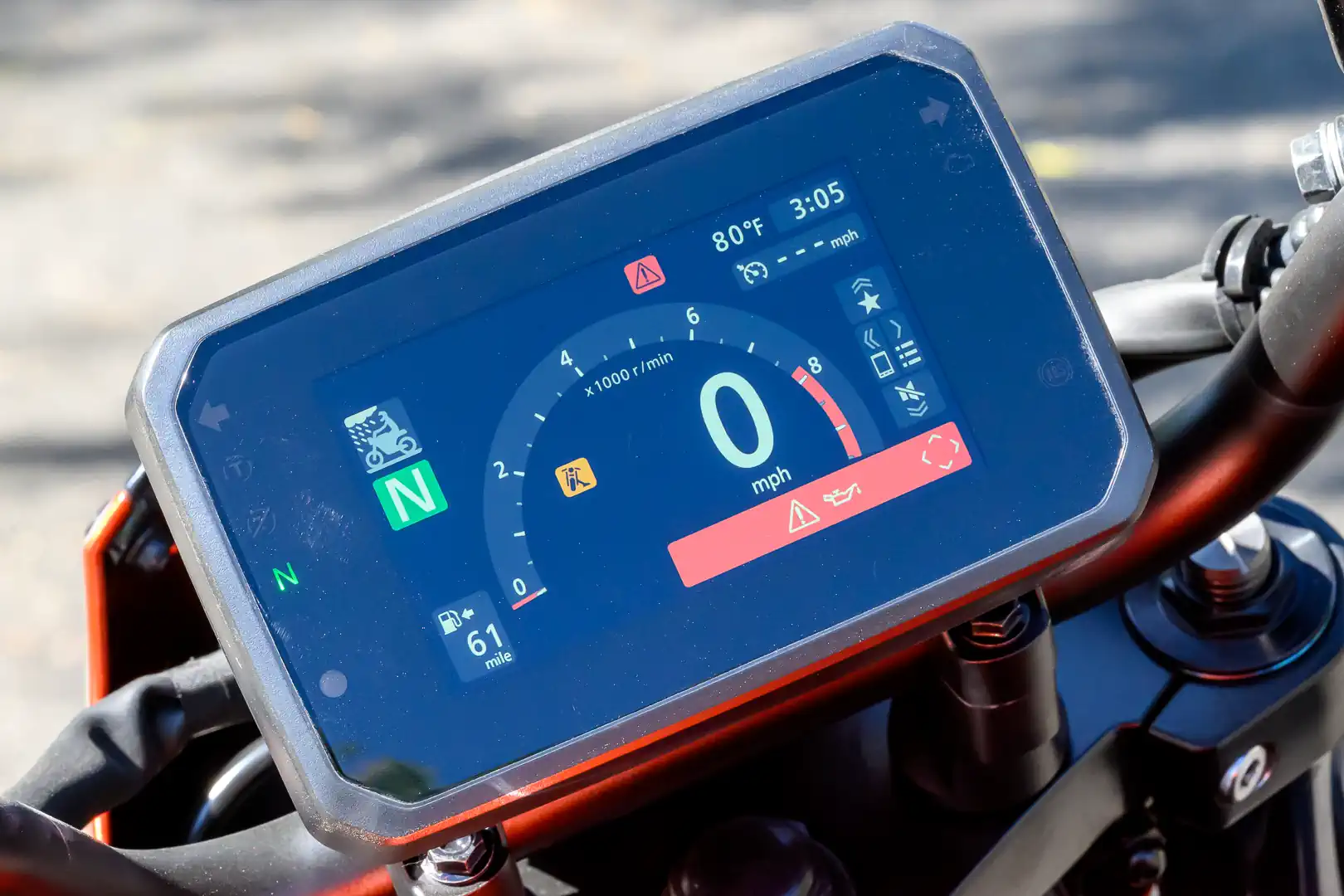
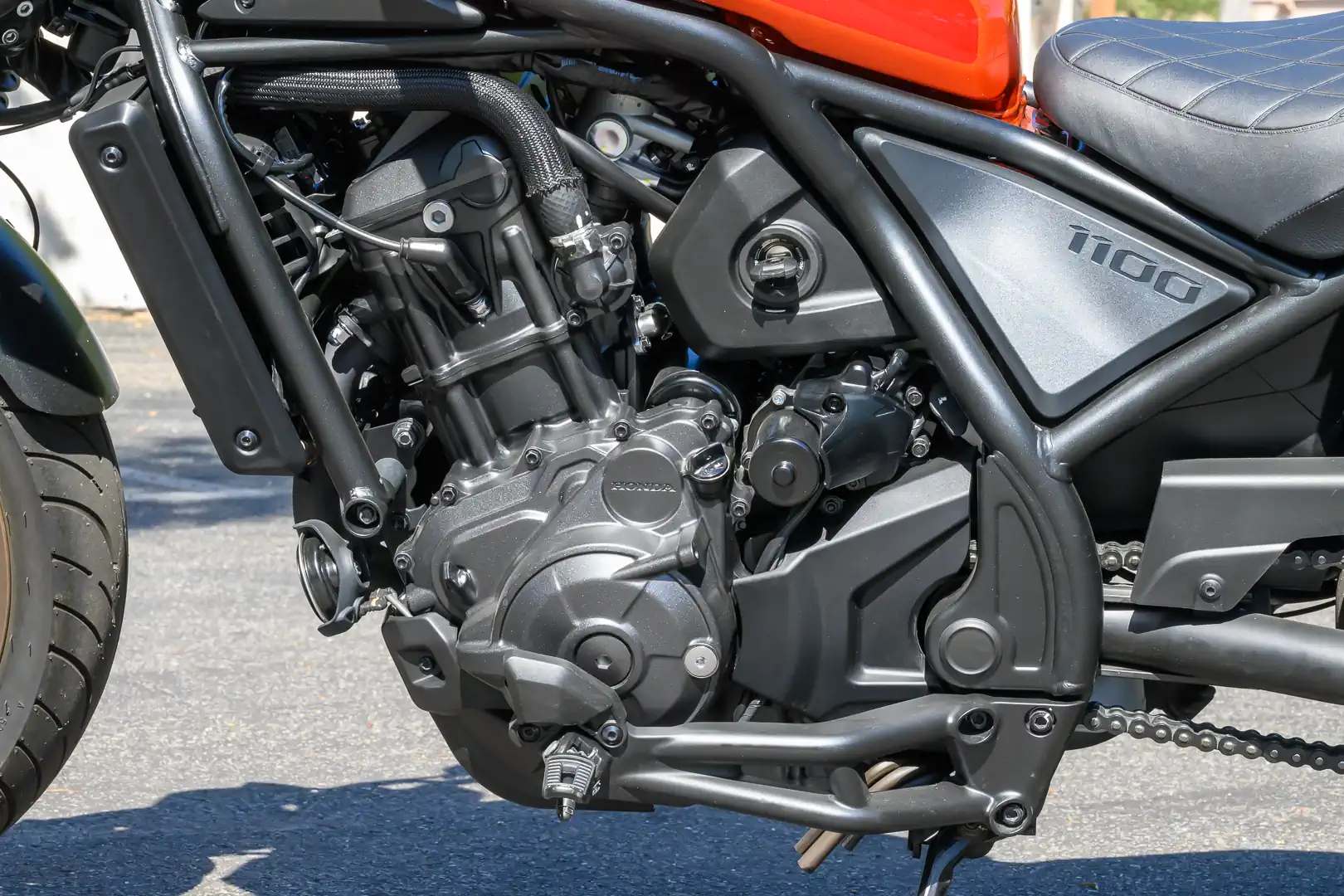
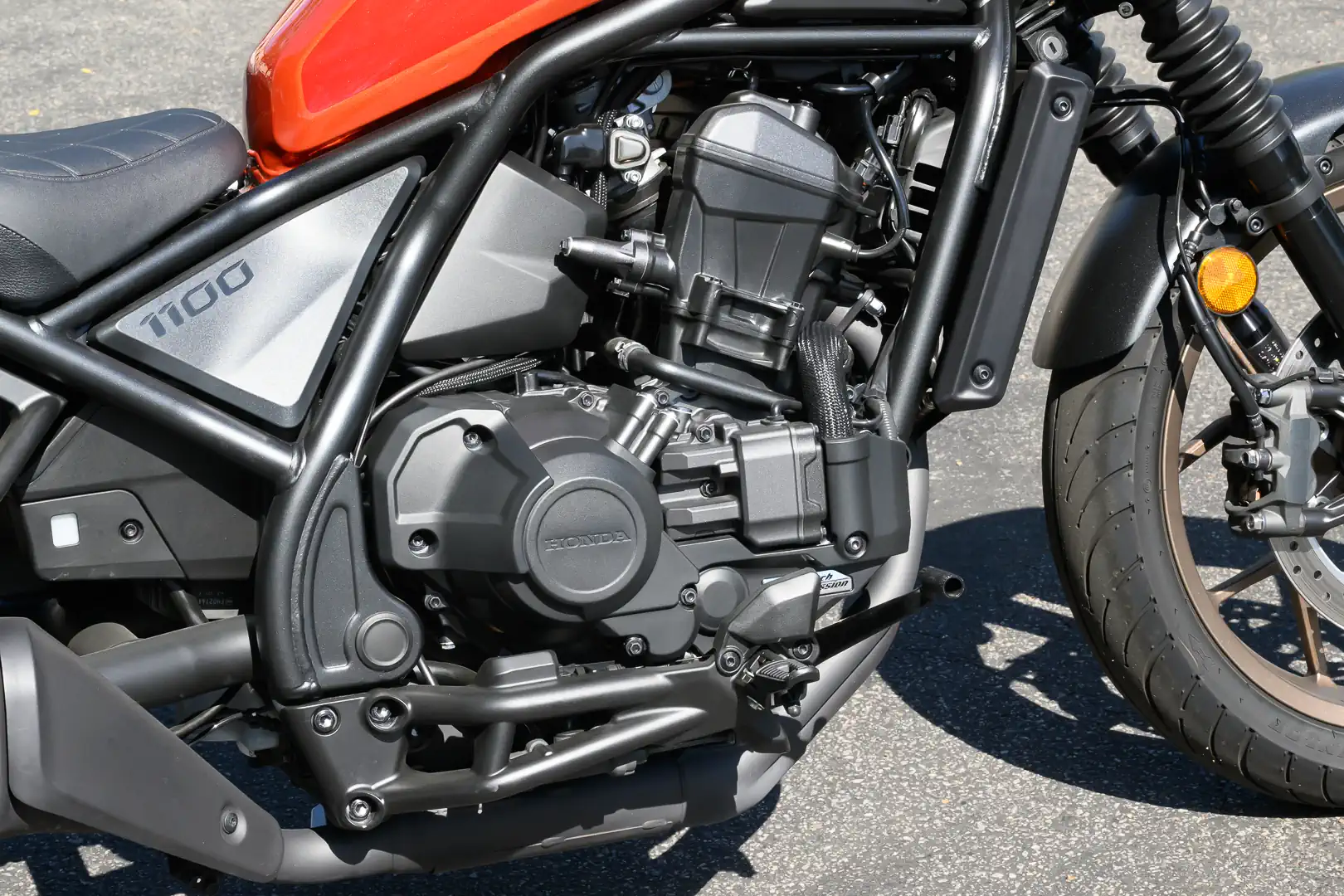
The Africa Twin-based 1084cc motor returns with three preset ride modes, and two customizable modes. One of the nice things about using the AT powerplant is that you get a lot of the electronic goodies. The three ride modes are self-explanatory: Sport, Standard, and Rain. The two customizable modes allow you to pick your favored levels of power, traction control, shifting (on the DCT), and engine braking. Honda wisely keeps it simple with three choices for each parameter. I’m a fan of engine braking and traction control, so my custom modes were the same as Sport and Standard, but with TC and engine braking bumped up a notch on each. Honda makes it easy with a graphic that shows each preset mode, helping you create satisfying personal modes.
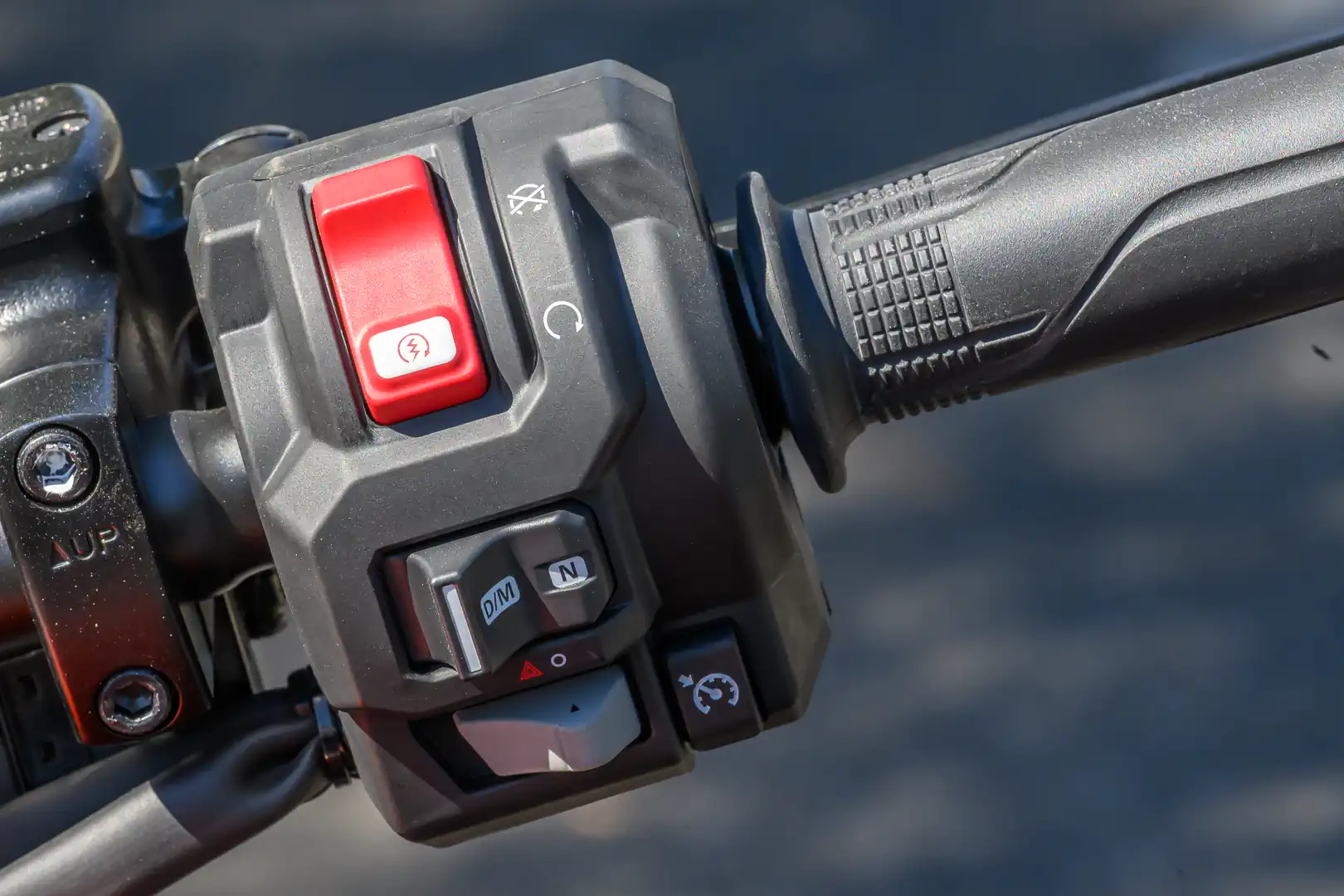
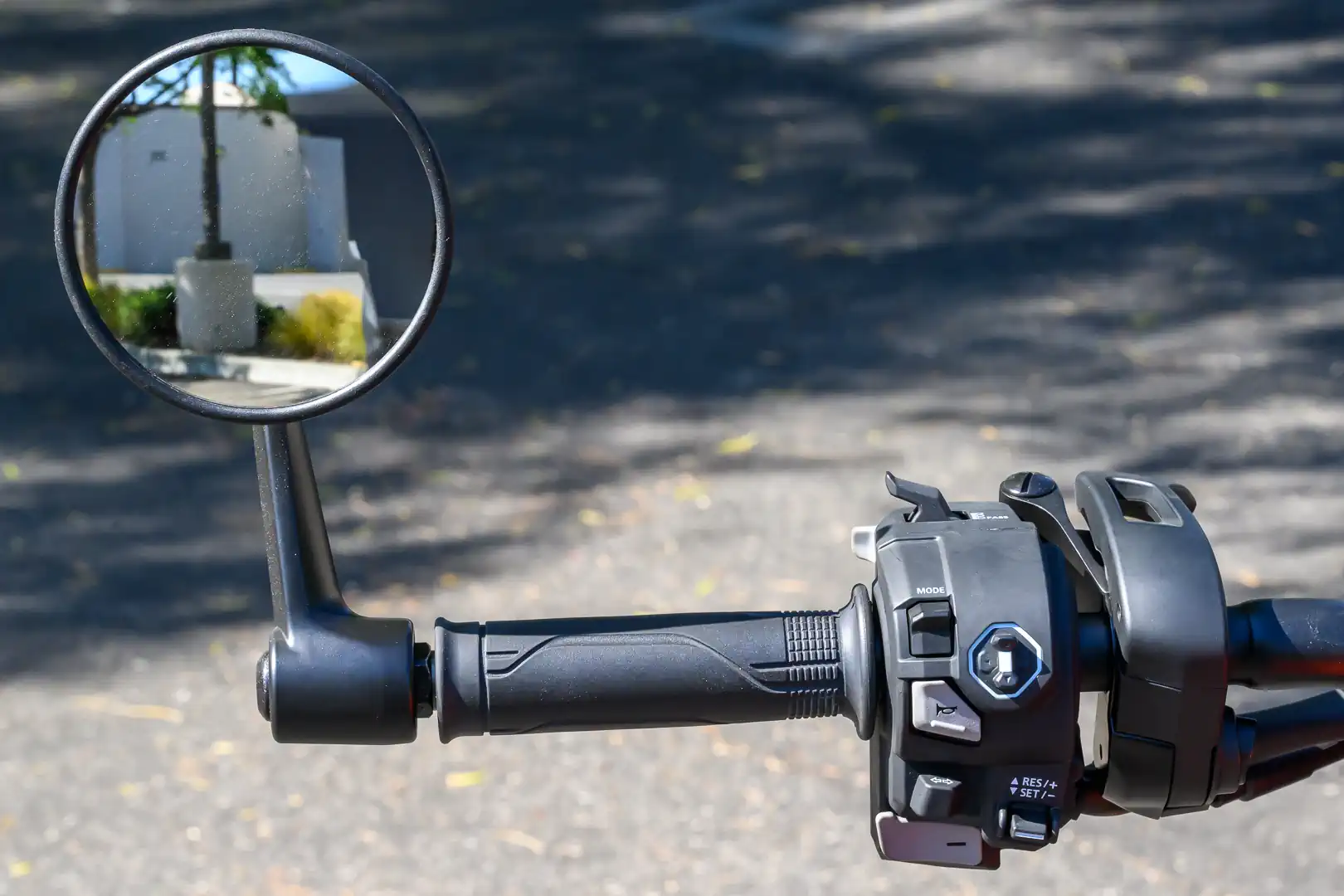
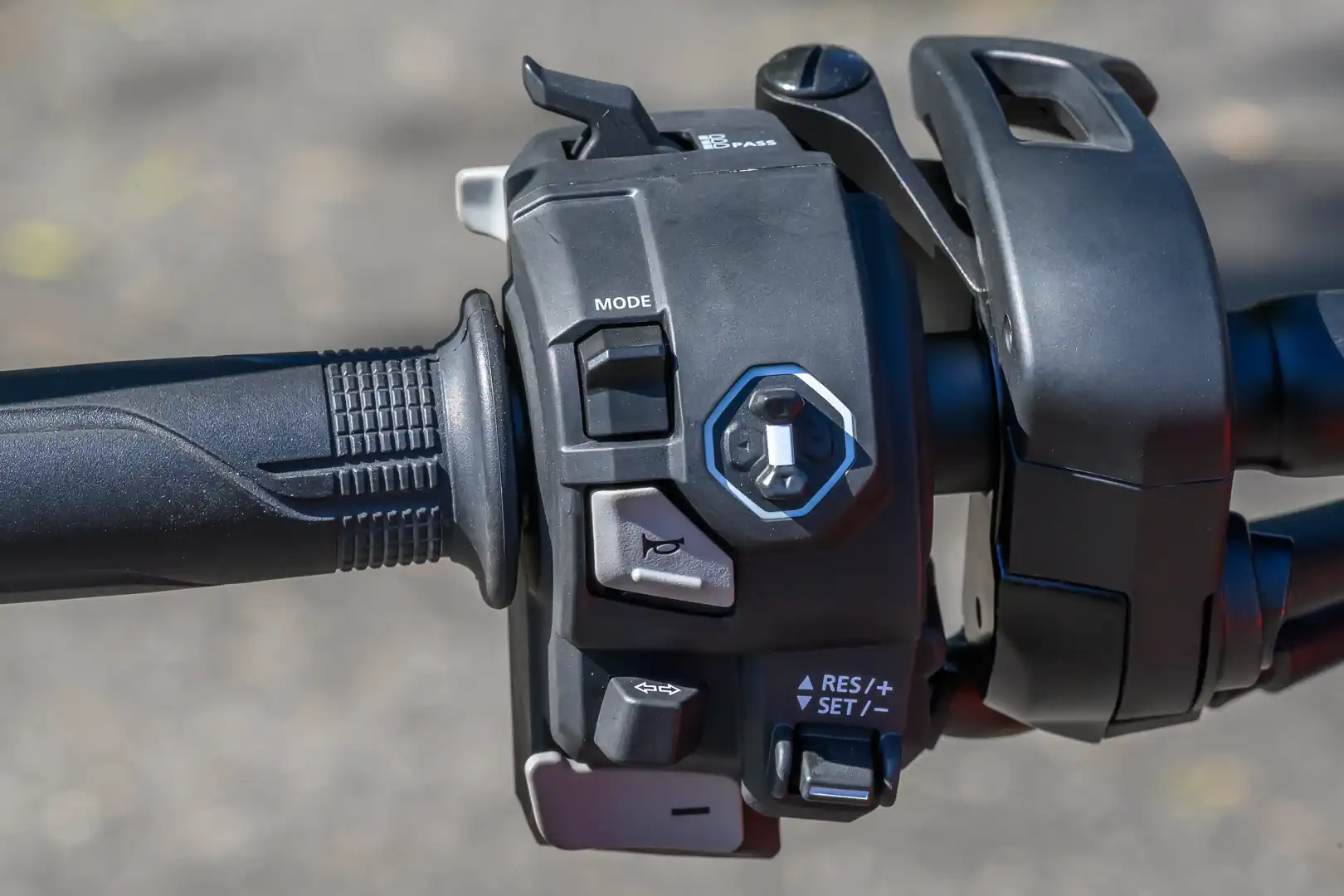
Everything is controlled through new switchgear and a matching 4.7-inch TFT dash. The user interface is quite good, so you probably won’t have to break out the owner’s manual to figure out how to set up the dash and the user modes. Honda offers three different dash faces, and the dash alternates between backgrounds and brightness settings, either manually or automatically. This is a major upgrade, as all sorts of information is available, and you have configuration control over the display. If you like, you can pair your iOS or Android smartphone with the dash via Honda RoadSync to add navigation, weather, and phone-related features. As a bonus, there’s a 3-amp USB-C port behind the dash, guarded by a water- and dust-resistant rubber boot. There are also two USB-C ports under the seat.
The Dual-Clutch Transmission settings have been upgraded and simplified. Honda used to have a strange DCT interface that mixed Standard and Sport, though with three Sport levels. That’s gone, thankfully, and there are three easily understood levels of shifting aggression. The Sport mode seriously holds off on upshifts, so access to acceleration is always available. Standard level upshifts fairly quickly, so you’re likely to feel like the transmission is a gear or two too high, at least until you get used to it. In the Rain mode, the DCT tries to keep you in as high a gear as possible to prevent tapping into traction control too often. They all make sense for various conditions.
Between the DCT and the power modes, the 2025 Honda Rebel 1100 DCT does what you want it to do. In Sport mode, or in a rider mode with the DCT, you get to rev the engine quite high before upshifts happen. You can even run up on the freeway to 65+ mph, and the transmission is still in 5th gear rather than 6th. Let off the throttle, and it will shift up and stay there. Sport mode is a bit abrupt around town, and Standard mode smooths that out with a creamy power delivery and upshifts to keep revs down. In the tightest of traffic, Rain mode dials everything down for easy use. The dedicated Mode button on the left switchgear is nice, though it is inconvenient that you can only cycle through in one direction.
The Rebel 1100 DCT’s new ergonomics do not diminish the handling. The bike continues to behave as expected. There are no excessive requirements for changing direction, and the big Rebel holds its line perfectly. While the 18-/16-inch wheel combo is unusual, it works with the chassis, and the 130mm-wide front tire has a reassuring footprint. Stability on the freeway is excellent, and the bike is a confident lane-splitter, especially with the DCT.
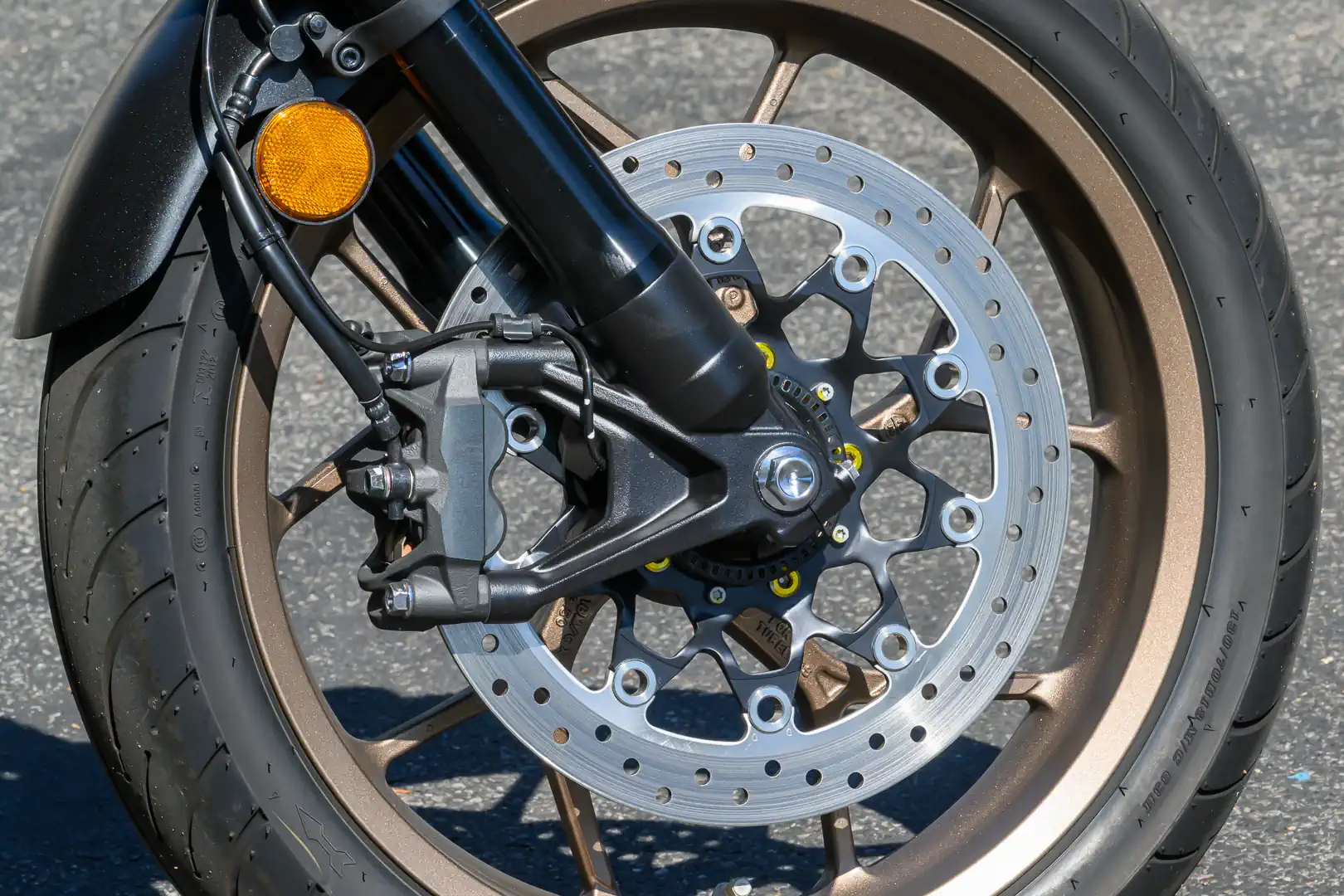
Despite being relatively plain-wrap, the Dunlop D428 tires do all that’s asked of them. The Rebel 1100 has a generous lean angle, so that’s not a slam dunk. Sticky tires are essential for braking, and the Rebel 1100 decelerates confidently. The huge 330mm front disc is slowed by a radially mounted four-piston caliper quite ably. The 256mm rear disc is more modest in its performance. Should you need more slowing, you can downshift the transmission with a right thumb switch for more engine compression braking. That’s about the only time I take the DCT out of automatic. Should you feel the need, there are upgrade paths for the rubber, if you’re willing to sacrifice wear rates.
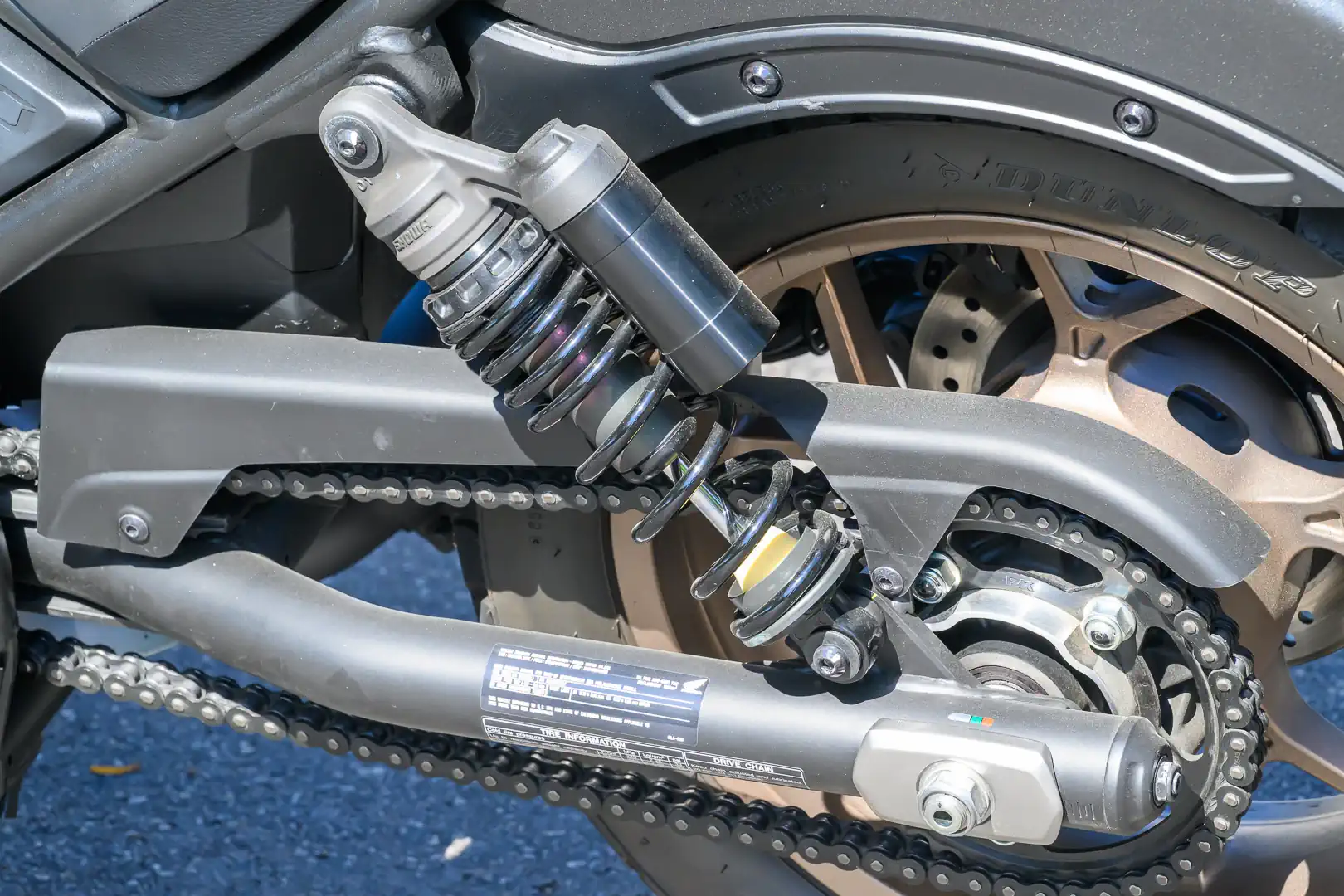
The suspension is basic, yet effective. You get a good feel for the road, yet you’re protected from jolts by the piggyback-reservoir Showa shocks and traditional fork with a cartridge-type damper. The fork has 5.5 inches of travel to work with, and the shocks get by with 3.7 inches of wheel travel. As expected, nothing is adjustable other than the spring preload on the shocks and fork.
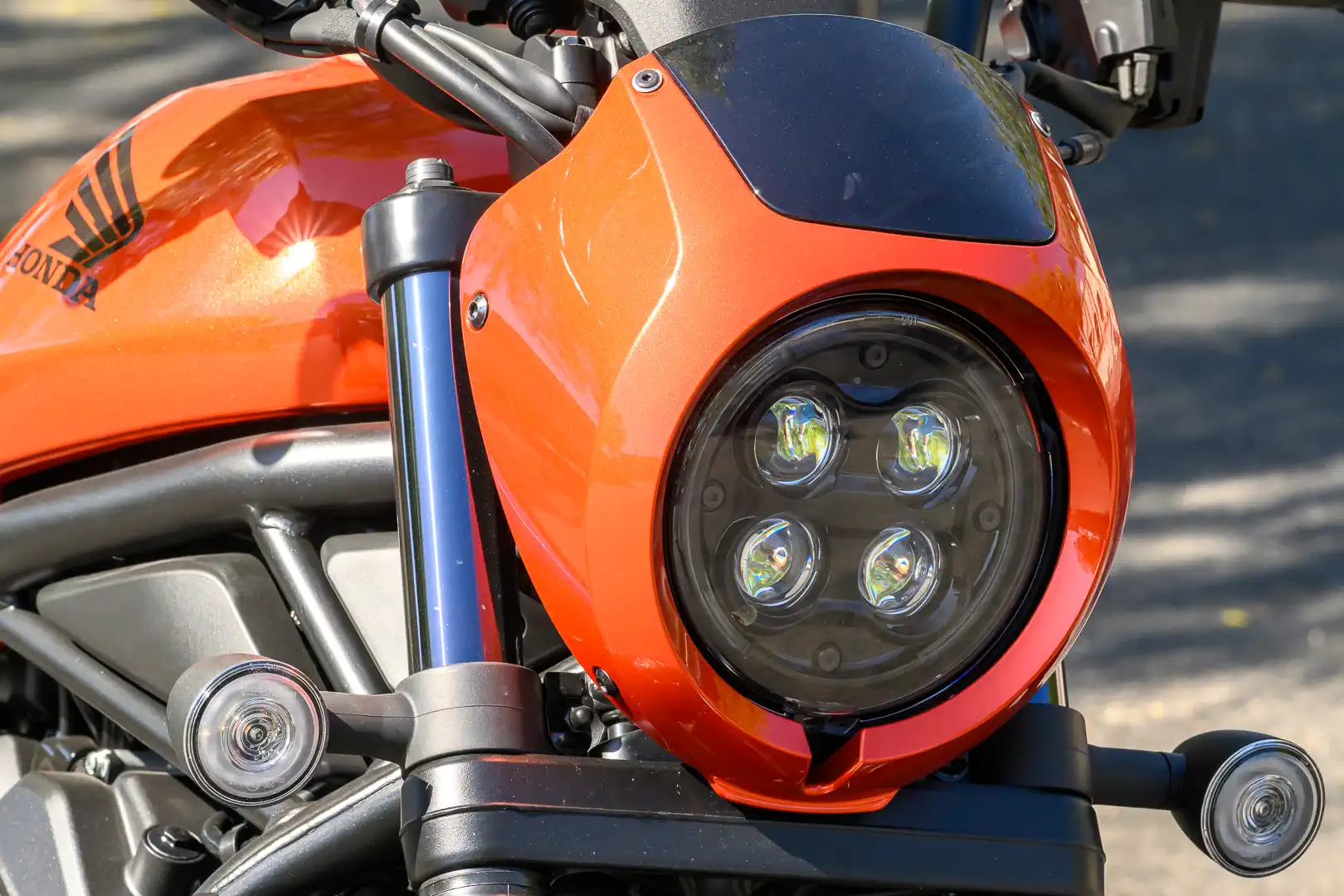
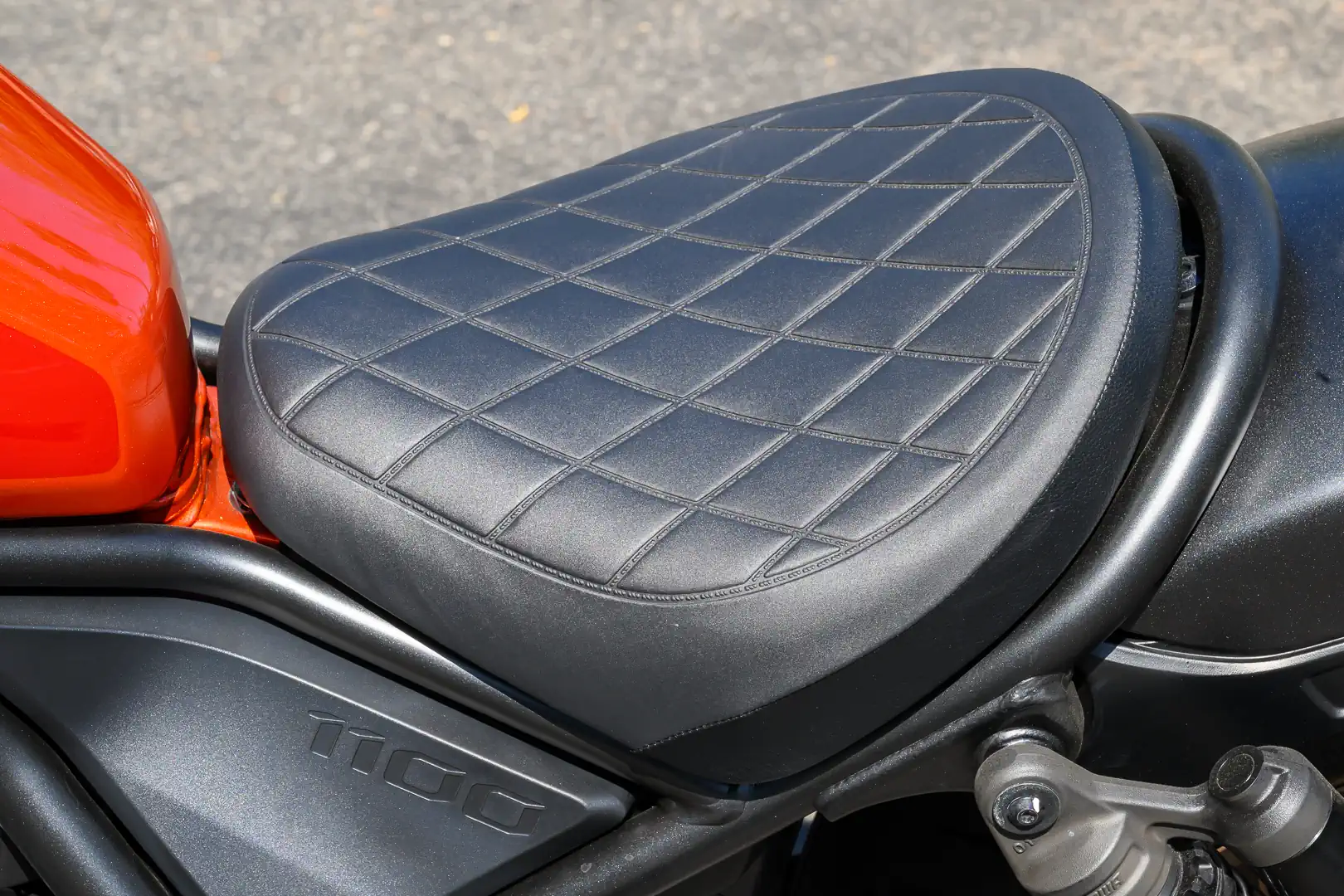
The SE features are more about looks than function. The seat is the star, with its quilted cover. It’s comfortable, and I like the look of a solo saddle. The front end gets the rest of the SE features. The lightly bobbed front fender and fork gaiters are all about moving the styling cues back a few years. The headlight cowling looks good, though the amount of wind protection it offers is limited, at best. Bar-end mirrors are popular these days, so Honda put them on the SE for a more rakish look. The Rebel 1100 is a cruiser with unorthodox styling that has built a strong following, and the SE kicks it all up a notch.
The latest iteration of the Honda Rebel 1100 DCT is its best. The new footpeg position is a winner, as is the upgraded electronics package. If you like the Flare Orange Metallic of the 2025, check around with dealers, as you might find one on a showroom floor, and maybe at a discount. Otherwise, Deep Pearl Gray it is for 2026 at a price increase of less than 1%. Feel free to get the 2025 Honda Rebel 1100 DCT SE if the features package is worth $800 to you.
Have you ever wanted to ride a real MotoGP track? Well, here’s your chance! Leod Escapes does all sorts of incredible touring experiences with the very best that Europe has to offer. Fabulous accommodation, incredible food, and motorcycles what more can you ask for! So for the trip of a lifetime, visit LeodEscapes.com and check out your dream vacation.
* * * * *
After a dozen years in limbo, the Super Glide is resurrected as a member of the Softail Cruiser family. The 2026 Harley-Davidson Super Glide arrives as a limited edition of 2500 units to celebrate the 250th anniversary of the United States of America. The new Super Glide proudly wears the iconic red, white, and blue of the 1971 original, and Don Williams tells us how this latest Softail feels on the road.
* * * * *
We’ve all heard the old saying, how you never see a motorcycle parked outside a psychiatrist’s office, right? Well, if you struggle with addiction and/or your mental health, then yes, you’ve probably figured out that motorcycles can be a big help. The Remix Racing Project is a California-based nonprofit and motorcycle racing team dedicated to raising awareness for mental health and addiction recovery. Founded by Jeremy Taubman and Shanea Makinson, Jeremy competes in the MotoAmerica Super Hooligan class and hosts fan-zone activities to provide resources and get conversations started. In this guest segment this episode Teejay and Jeremy chat candidly about going racing a little later in life, how it’s helping his own recovery, and what the Remix Recovery non-profit is achieving in helping others. Jeremy has published a book “Remix Recovery—Leading a Brave Space” and you can find it on Amazon. Needless to say, if you’re struggling with life’s challenges—and believe me—we understand, then visit The Remix Racing Project, click on the resources tab, and you’ll find help that’s just a phonecall or text away.
* * * * *
Here’s quick reminder to check out our monthly digital magazine. It’s filled with everything you want to read on motorcycling, including some things you’ve probably not seen elsewhere. It’s absolutely free and you will find it on the Apple App Store and of course on Google Play as well.
Don’t forget to leave us your comments on our social media—we’re on all the usual platforms at Ultimate Motorcycling. We love hearing your feedback… so good or bad, please let us know what you think. If there’s something you’d like us to cover, we’d love to hear those ideas too!
We use cookies and browser activity on this website
Functional
Always active
The technical storage or access is strictly necessary for the legitimate purpose of enabling the use of a specific service explicitly requested by the subscriber or user, or for the sole purpose of carrying out the transmission of a communication over an electronic communications network.
Preferences
The technical storage or access is necessary for the legitimate purpose of storing preferences that are not requested by the subscriber or user.
Statistics
The technical storage or access that is used exclusively for statistical purposes.The technical storage or access that is used exclusively for anonymous statistical purposes. Without a subpoena, voluntary compliance on the part of your Internet Service Provider, or additional records from a third party, information stored or retrieved for this purpose alone cannot usually be used to identify you.
Marketing
The technical storage or access is required to create user profiles to send advertising, or to track the user on a website or across several websites for similar marketing purposes.