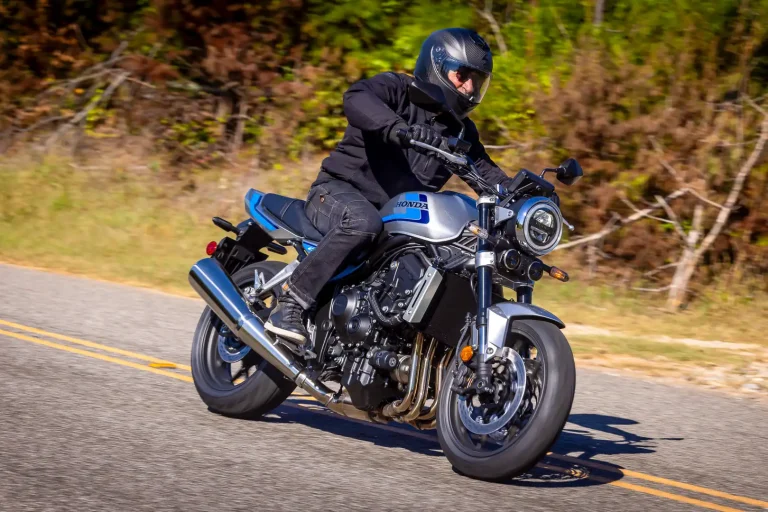
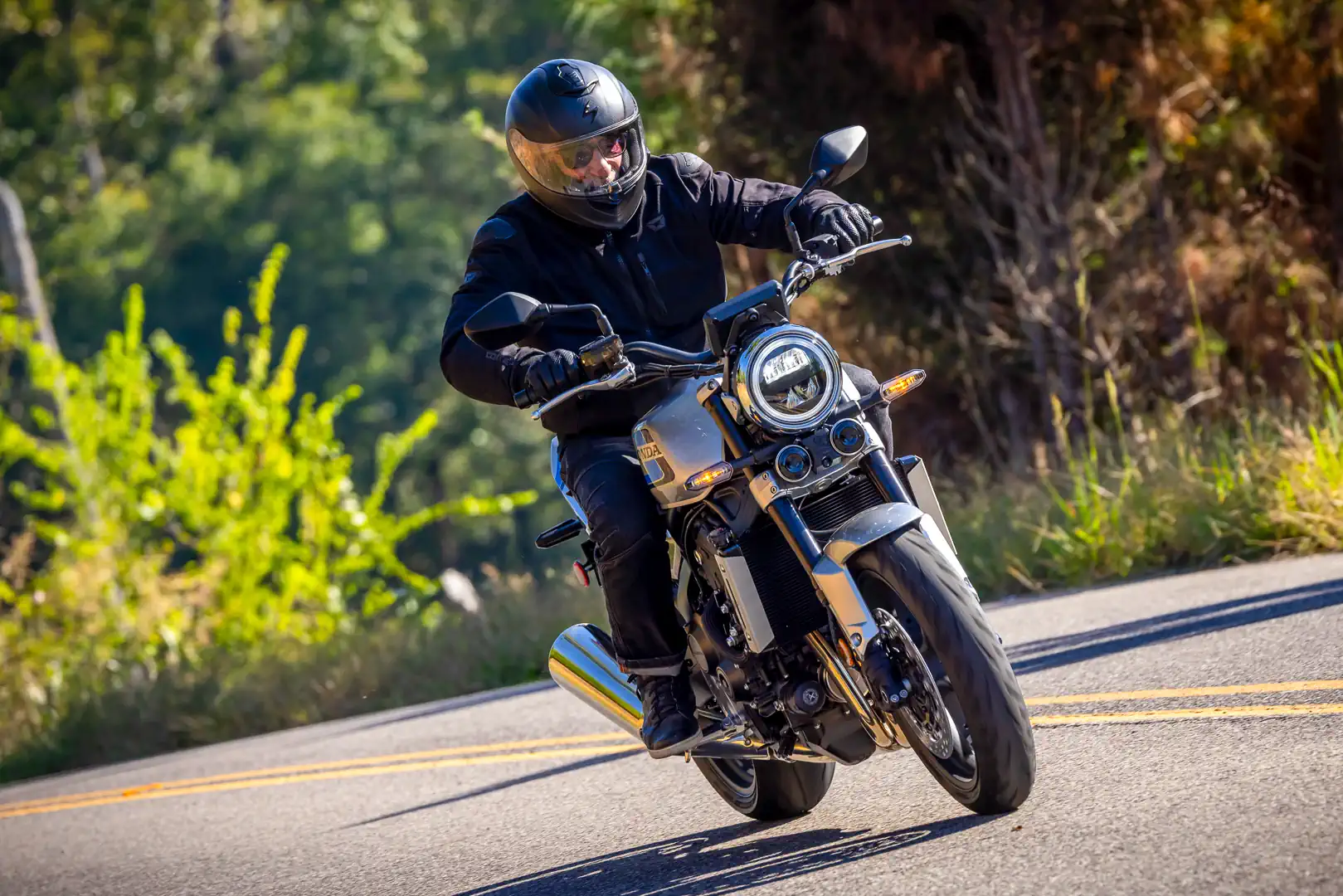
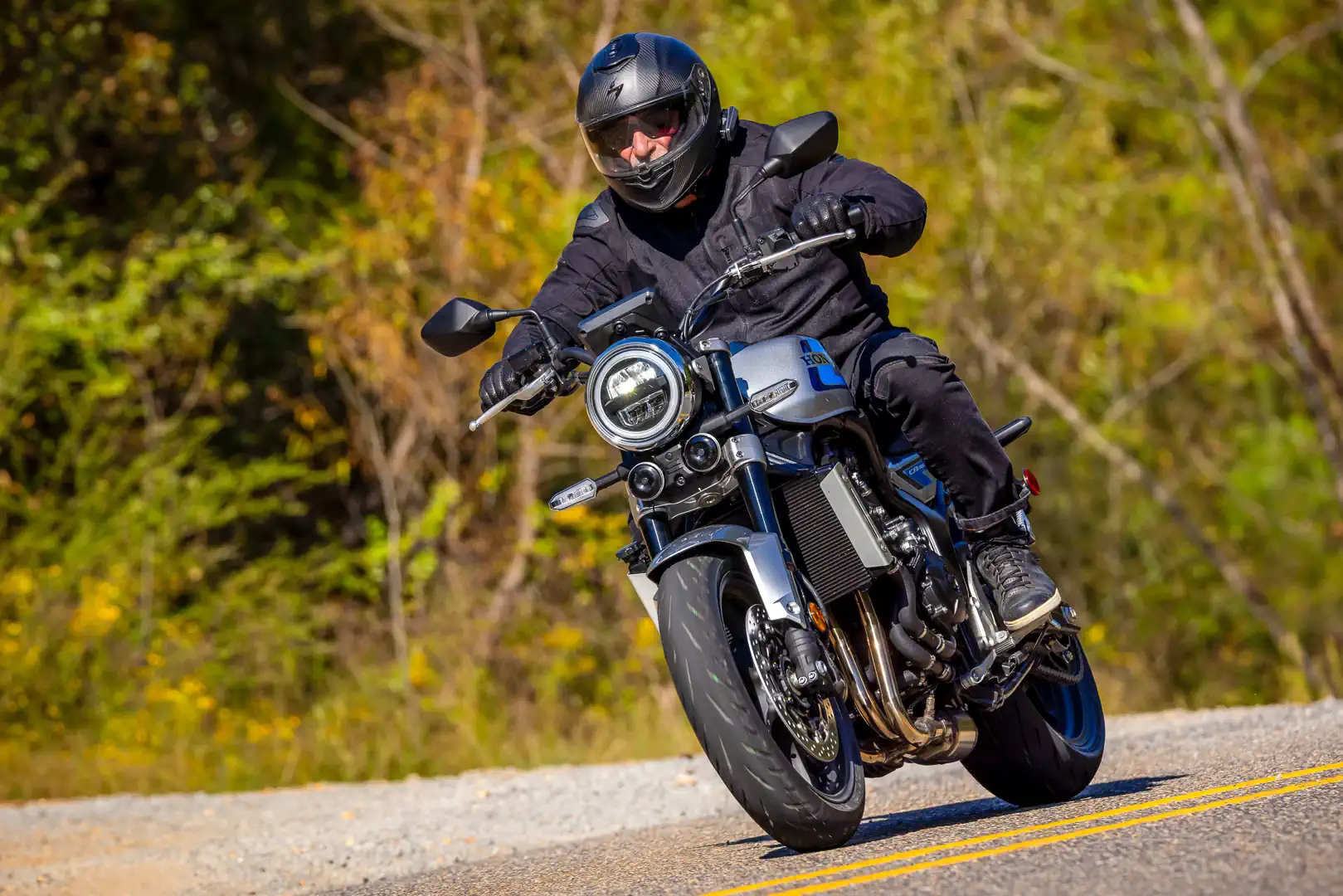
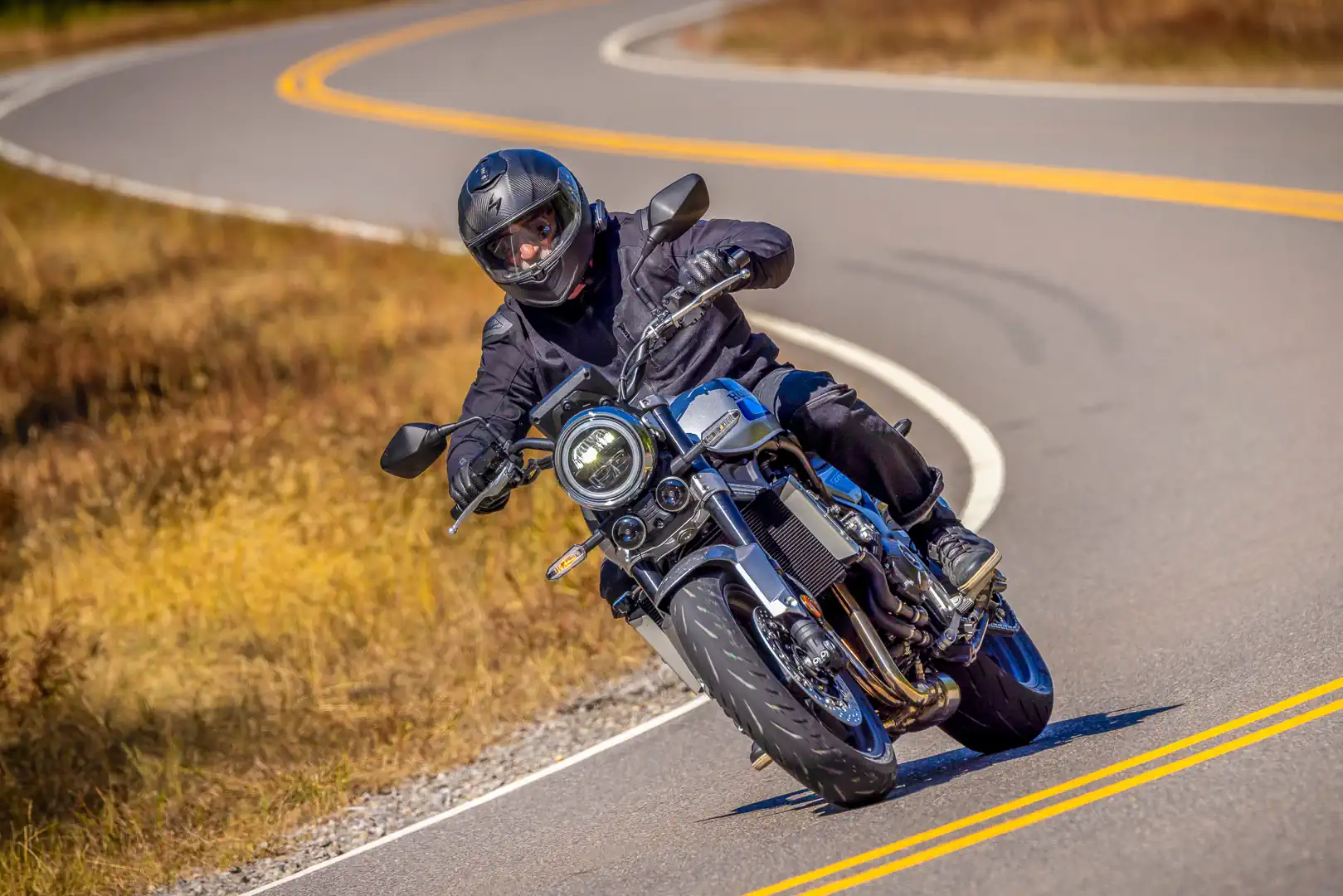
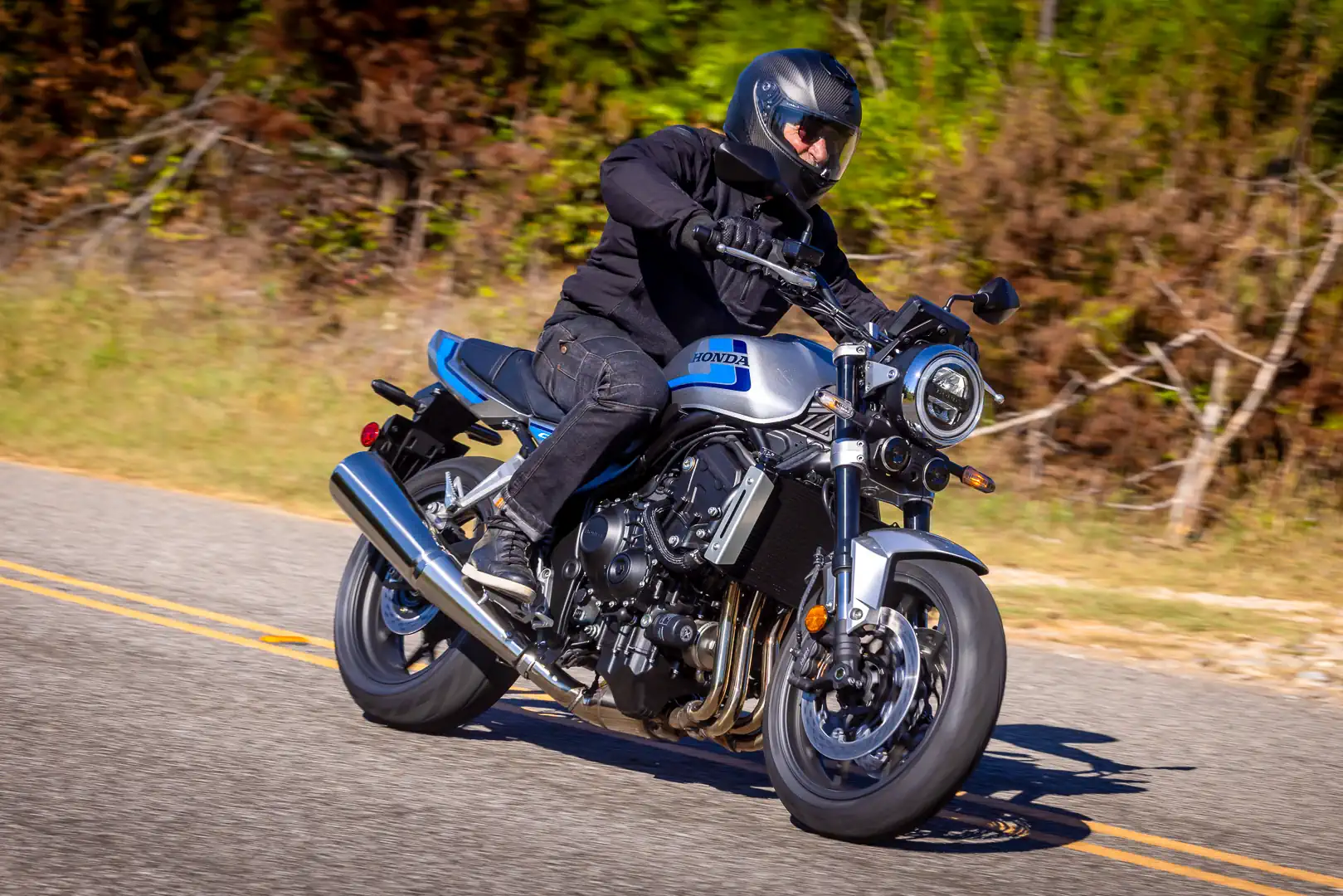
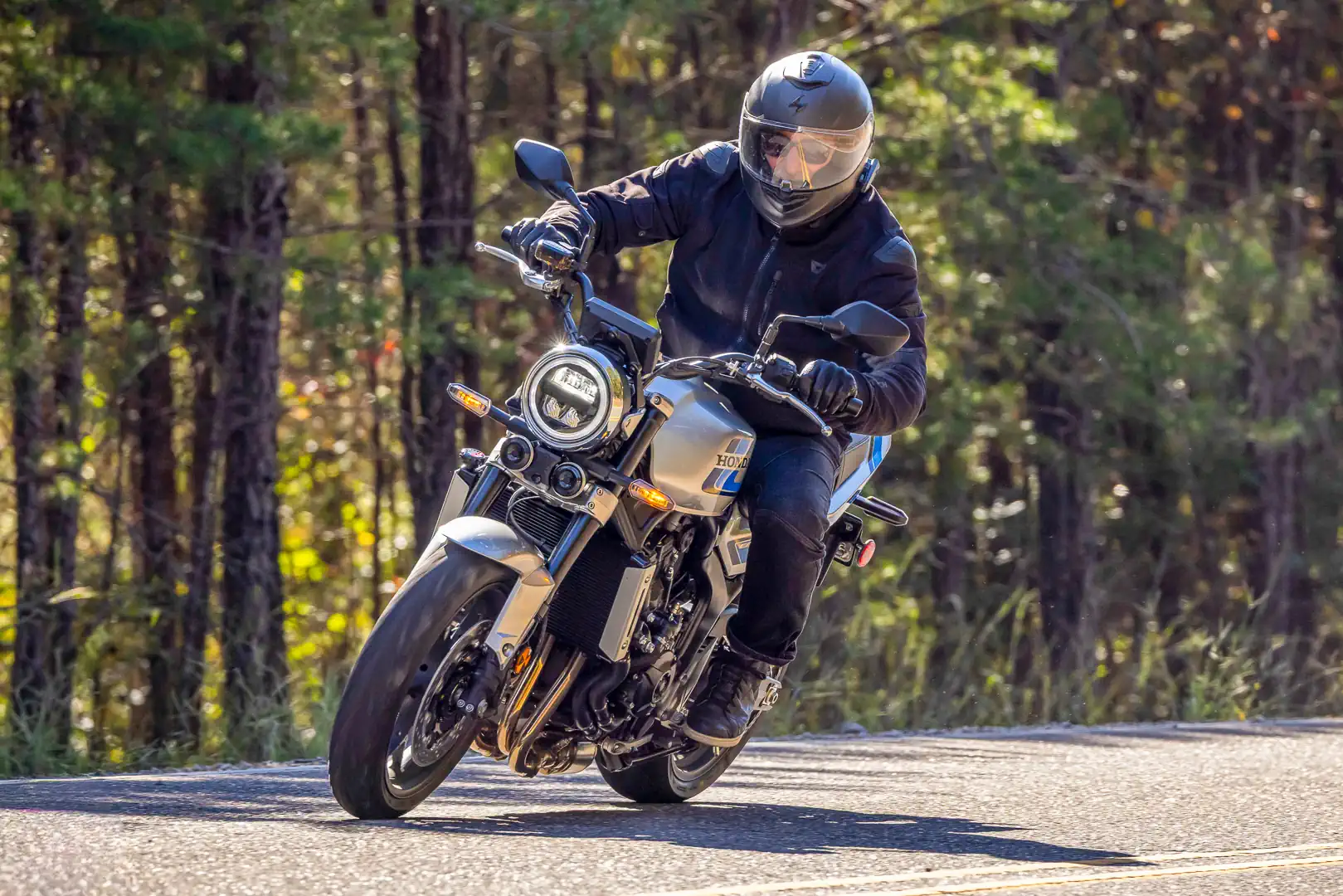
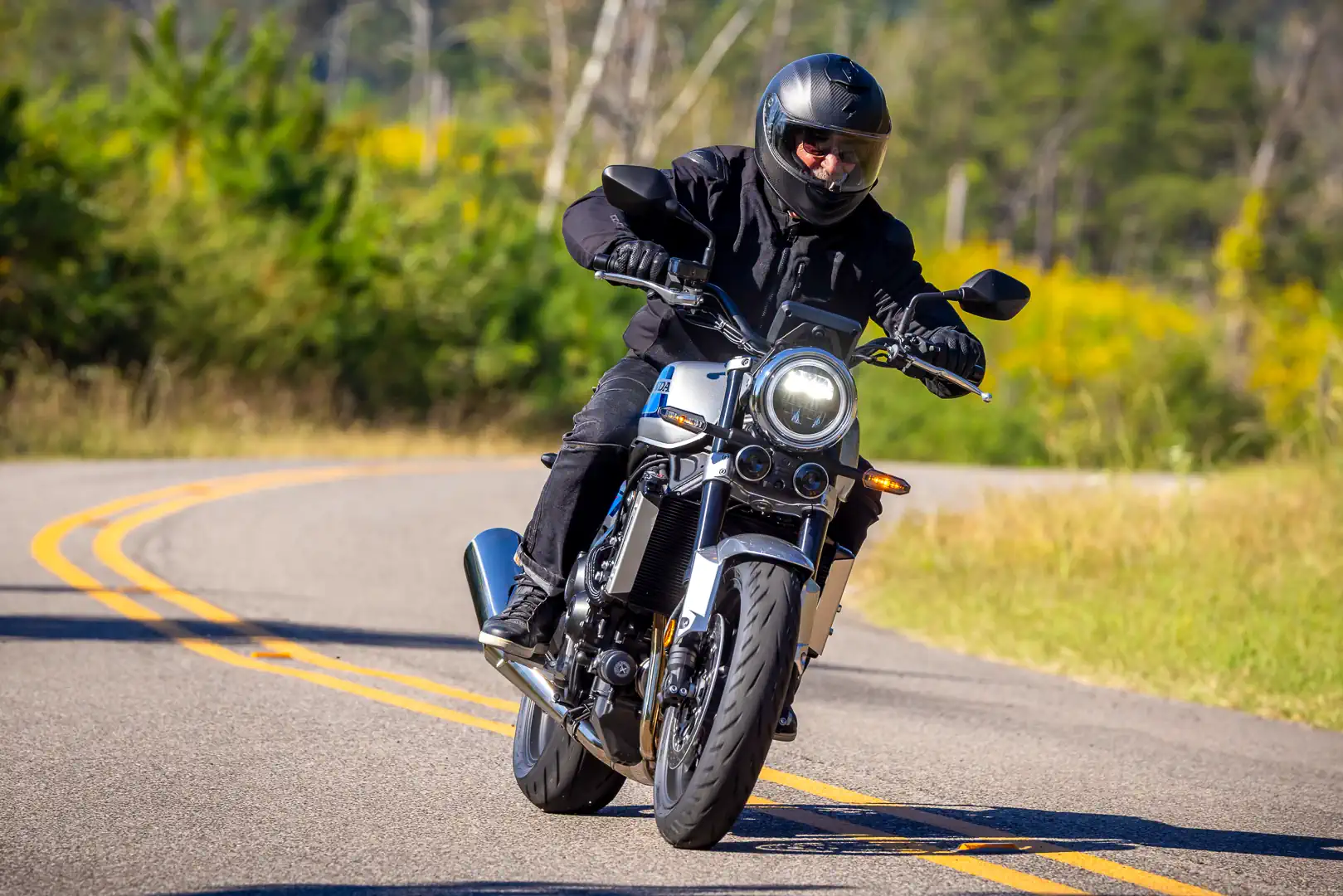
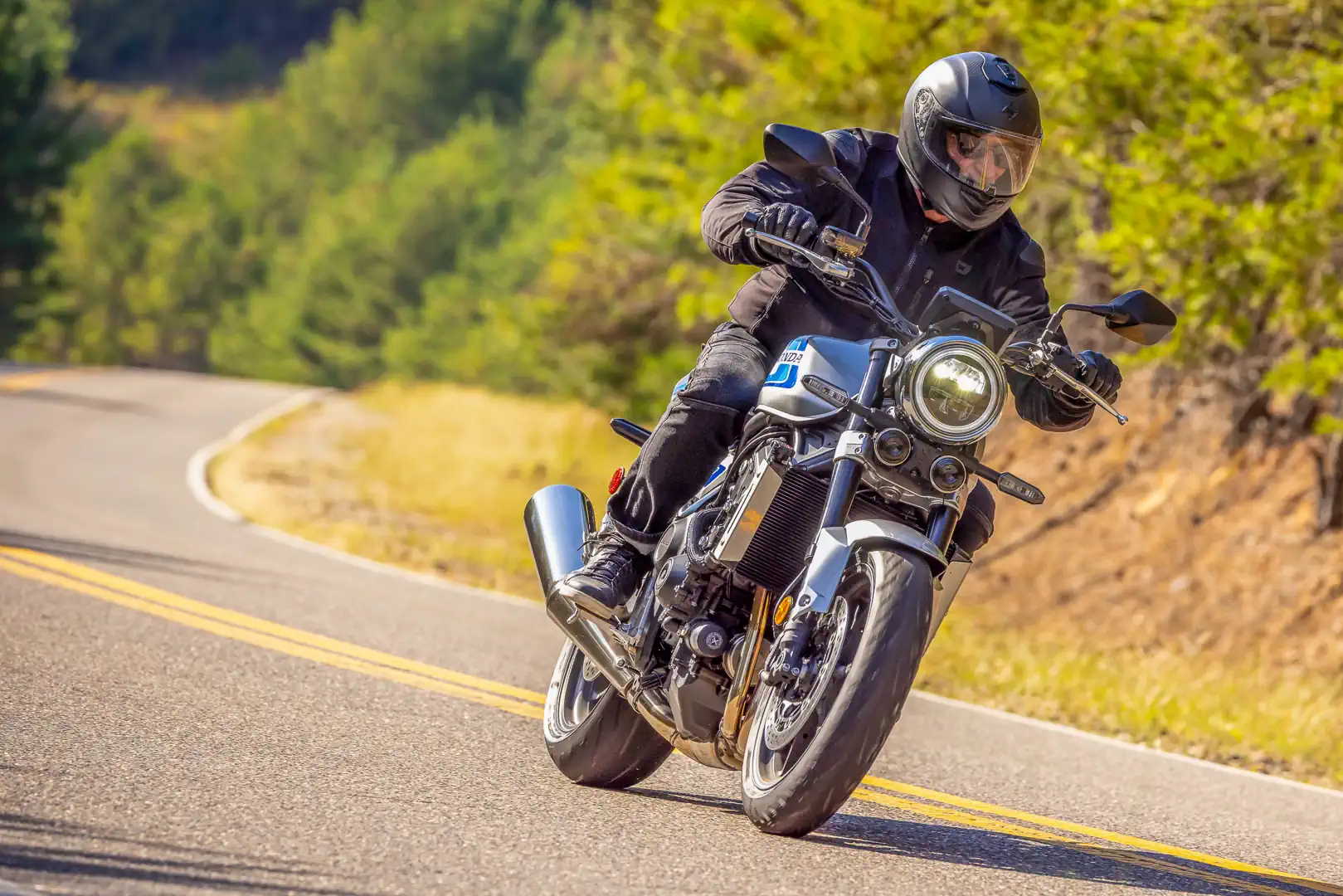
Following a lineage dating back over four decades, the retro-styled 2026 Honda CB1000F naked roadster elicits all-day smiles. It could be the perfect companion when out for a day with pals bombing around your favorite roads leaned way over, taking it easy around town, or anything in between.
It’s truly a blast from the past as I remember riding the earlier models when they were new. The CB1000F is a brilliant remake of a classic and in such a way as to achieve the same rider experience offered by the CB750F (US model years 1979-1982) and CB900F (1981-1982) in their day. Every part on this new model offers modern performance that could not have been dreamed of back in the day. Yet, this contemporary version delivers the same joy of riding that a naked, upright sportbike has provided for decades. It’s no coincidence that Honda launched the CB1000F at Barber Motorsports Park’s 21st annual Barber Vintage Festival, about 14 miles east of downtown Birmingham, Alabama.
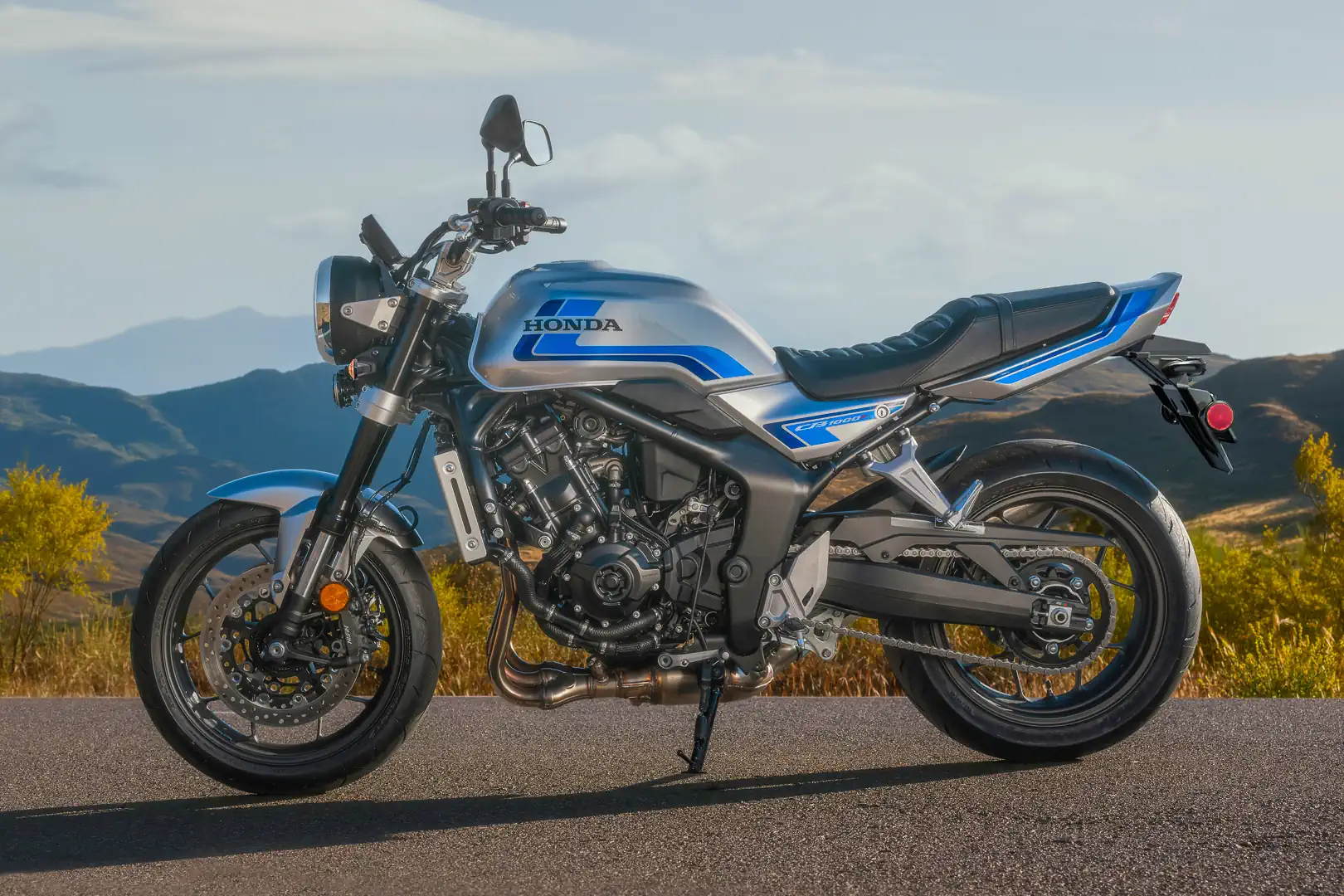
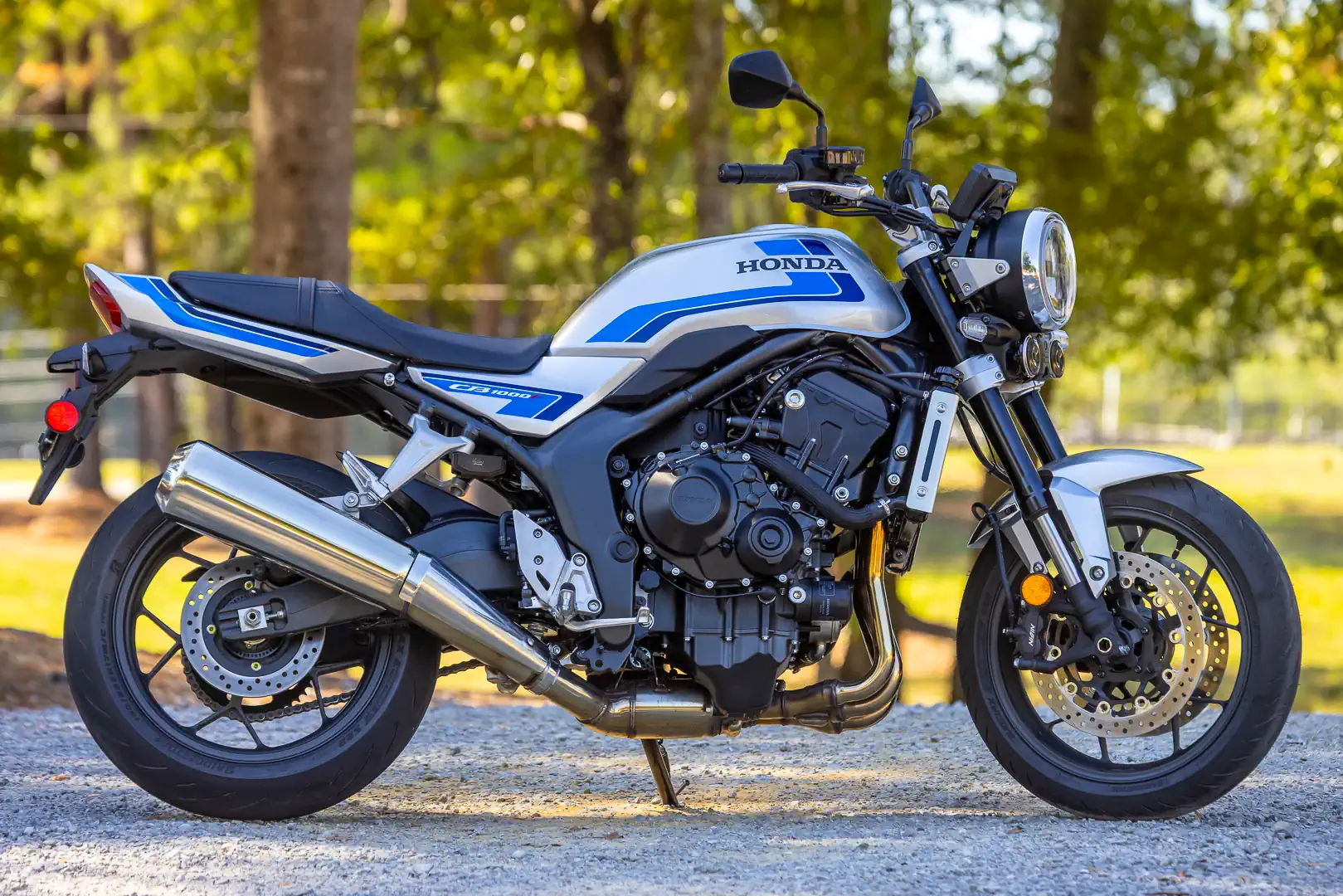
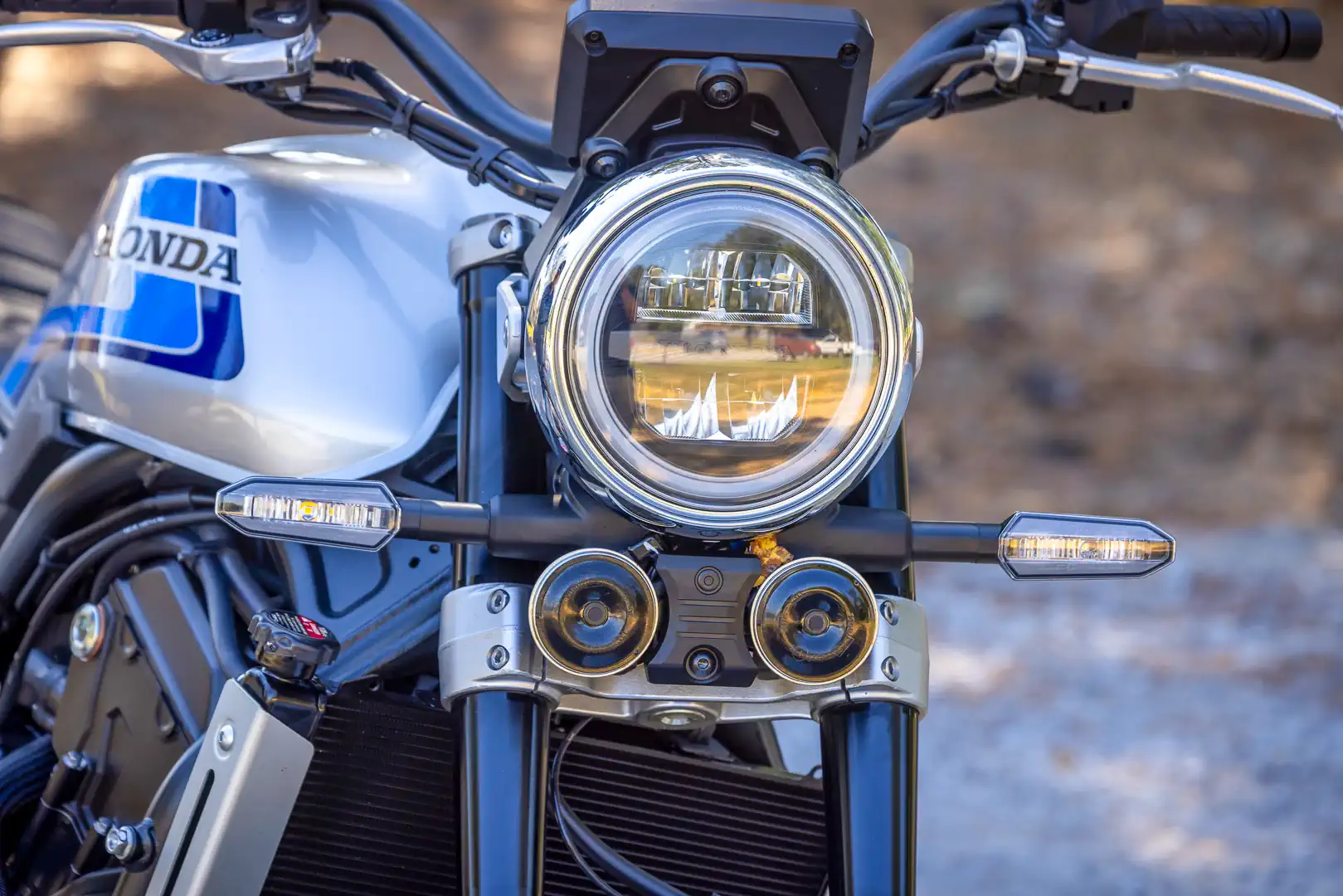
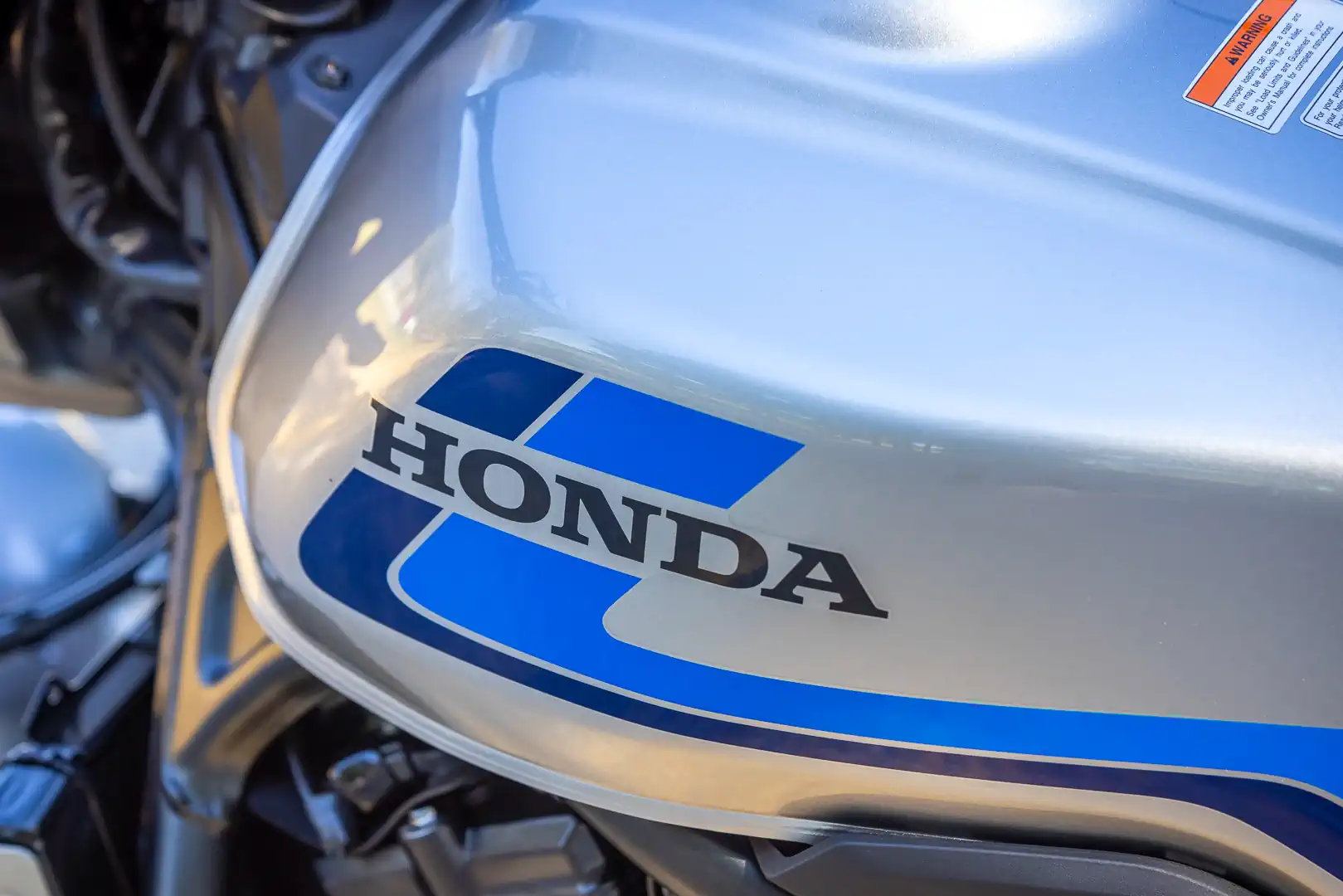
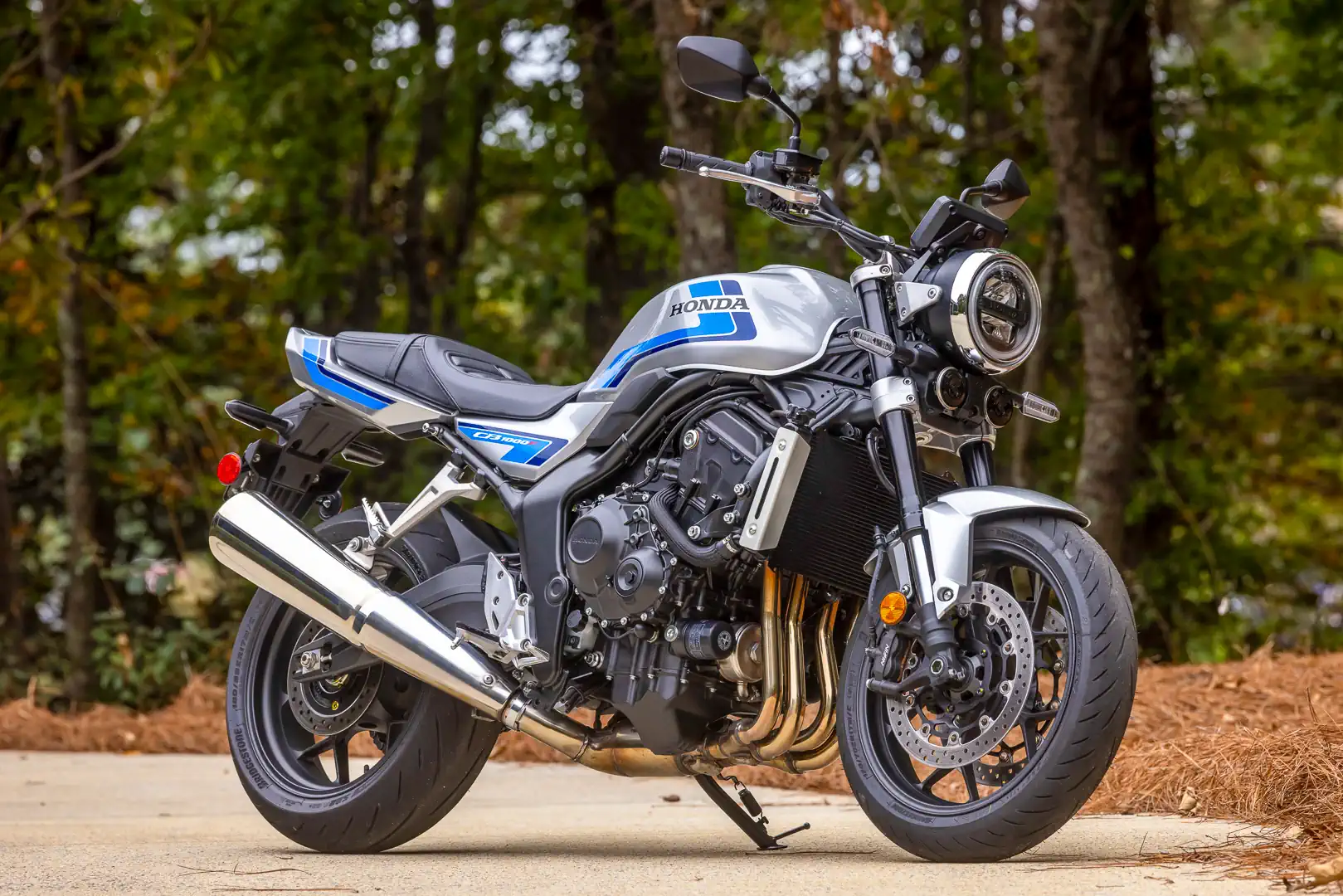
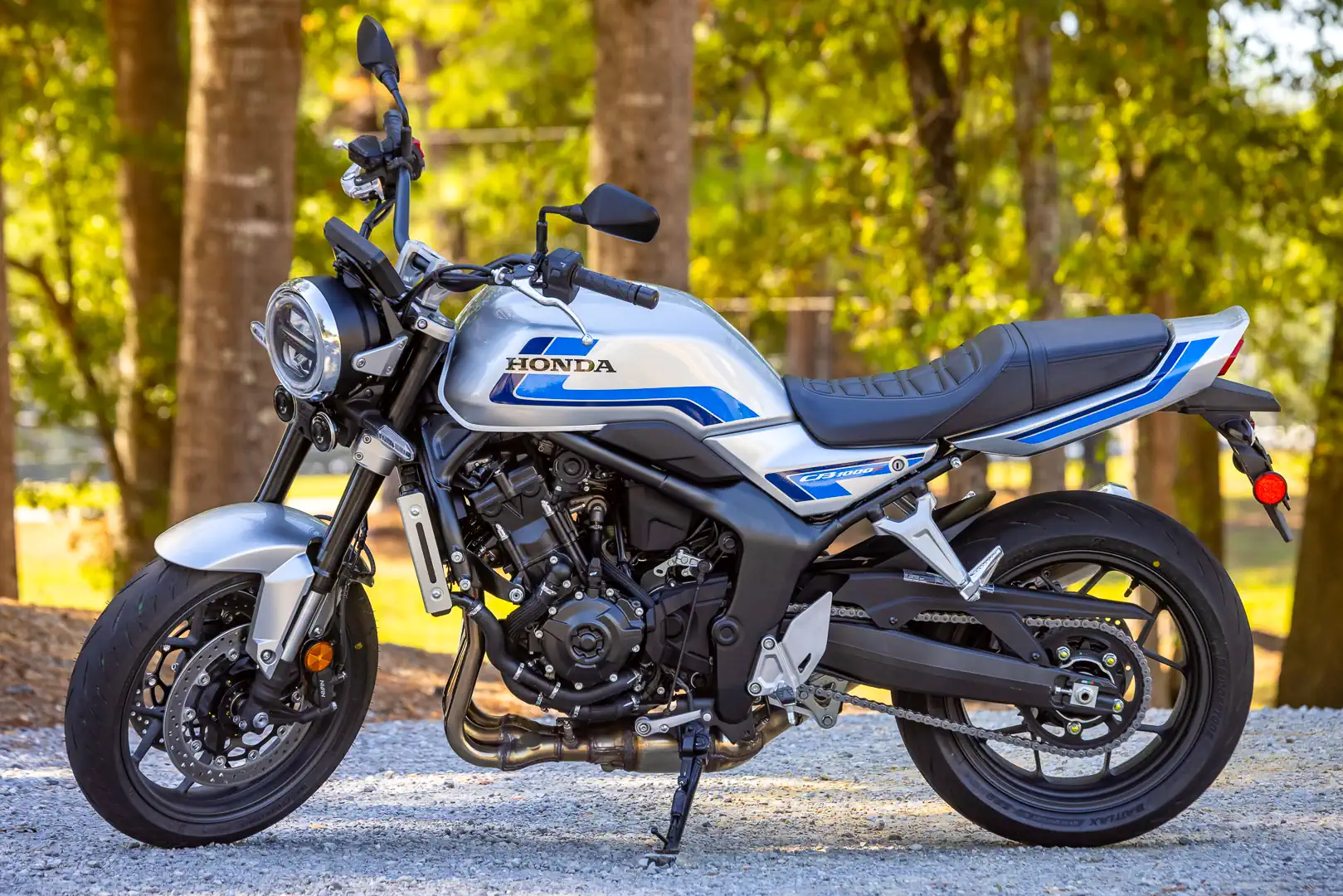
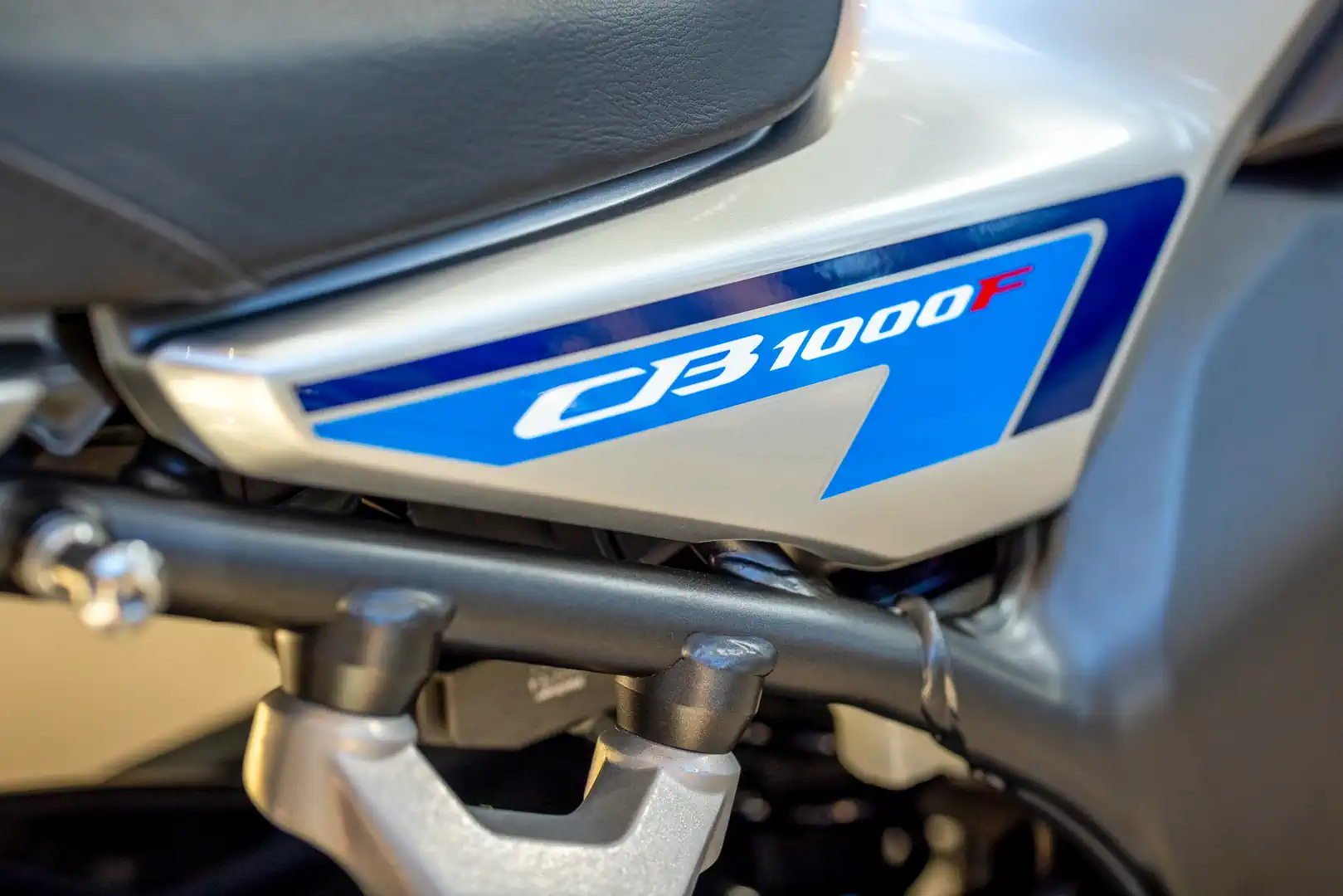
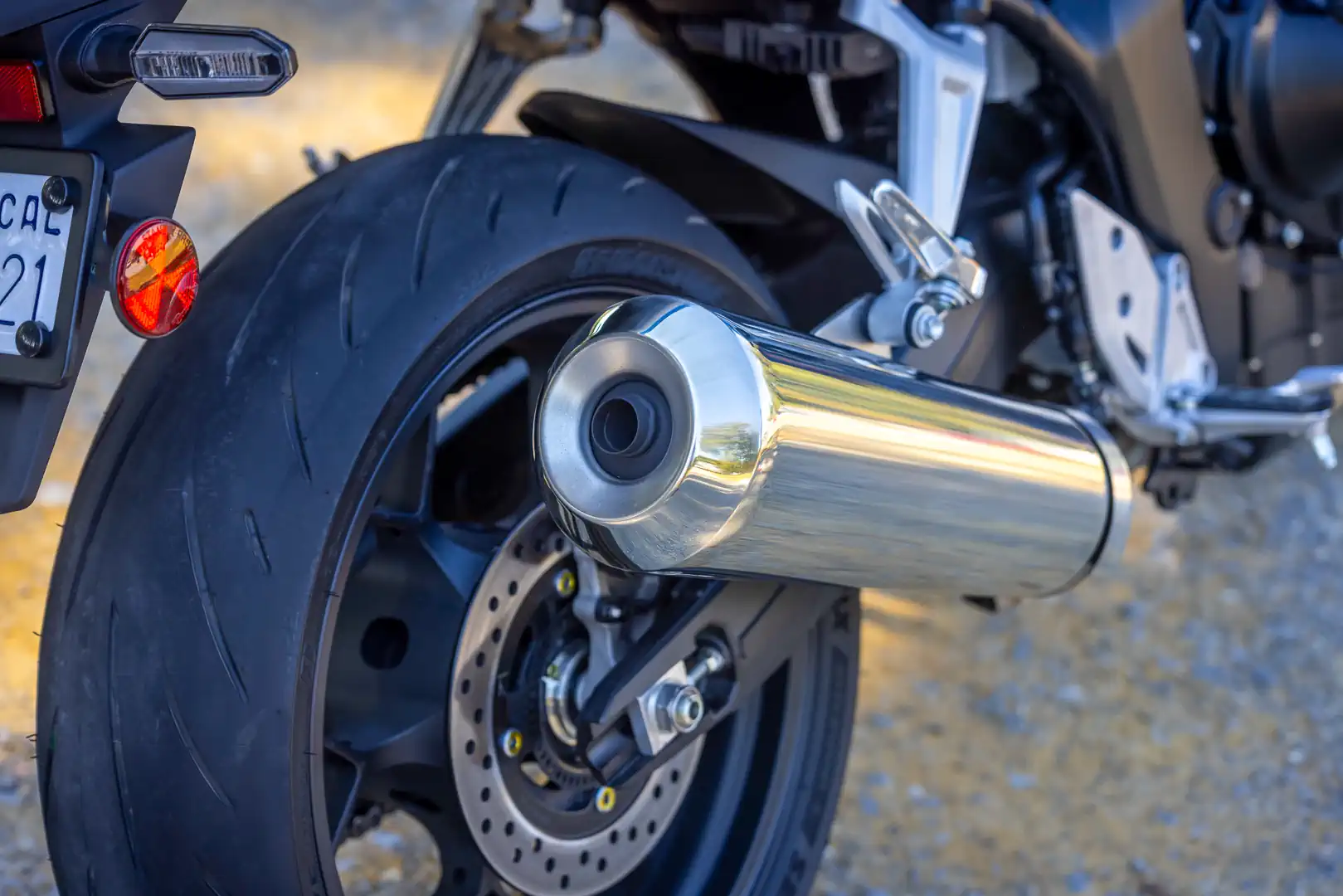
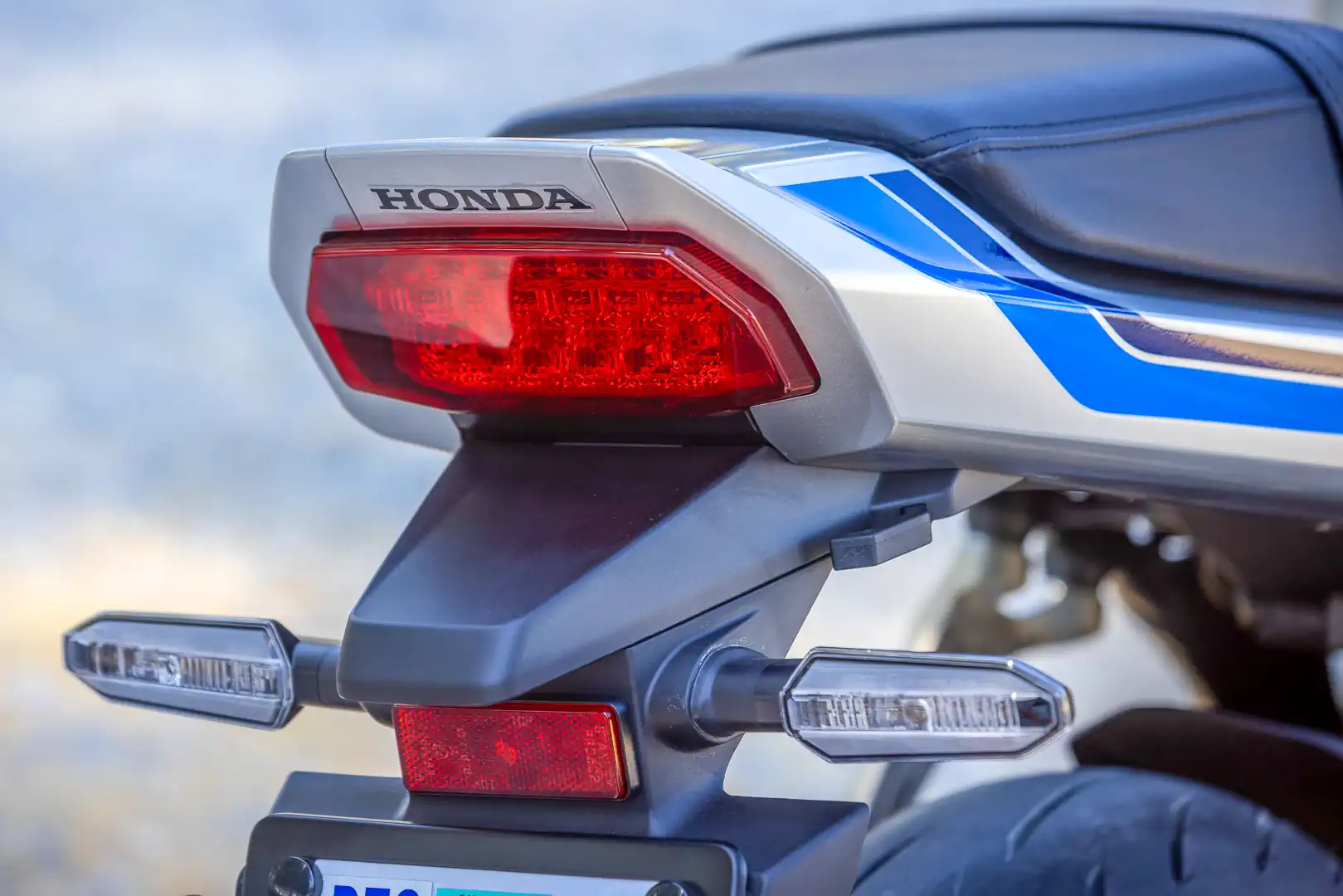
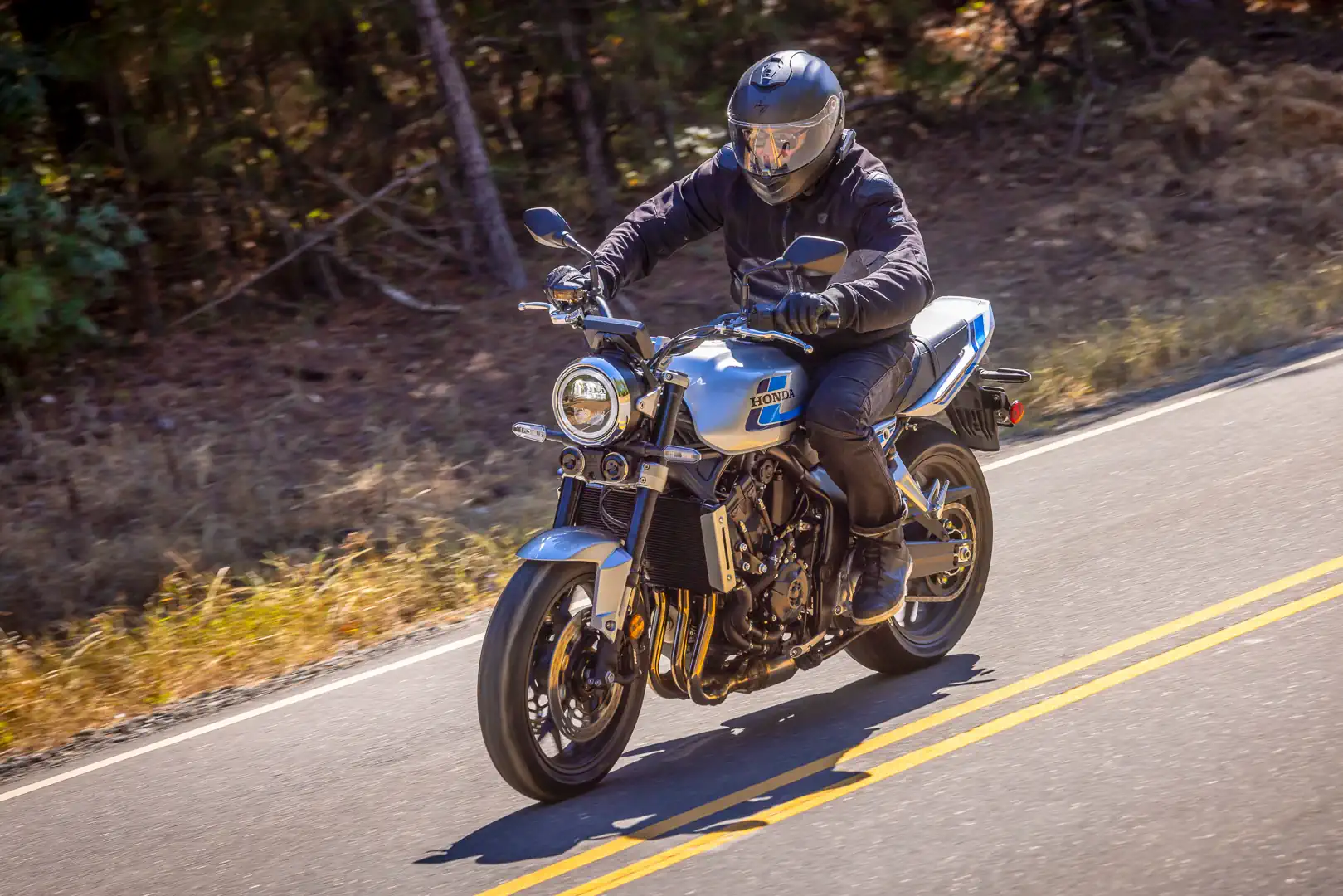
If you’ve ever said or thought you really like the old bikes but prefer riding the new ones, then this may be your next bike. Honda has kept the design cues of the CB750F and CB900F of the 1980s. The fuel tank lines flow to the side covers, and the graceful tail cowling harkens back to the originals. The Freddie Spencer-inspired Wolf Silver Metallic paint job remains, along with other retro-inspired elements, including the muffler, round headlight, under-tail rear light, and visible double horn.
To launch the new CB1000F, Honda brought Freddie to ride along. Freddie Spencer might be the perfect riding companion. It’s not because of his Grand Prix World Championships in 1983 (500cc) and 1985 (500cc and 250cc) on HRC bikes; it’s because he’s fun to be around. He integrated seamlessly with our small group of motojournalists during our time together. He could not have been more gracious, welcoming, and quick to share countless stories of his life and career from a kid racer to Chairman of the FIM MotoGP Stewards Panel from 2019 to 2024. We spent a whole day riding the 1000F, and Freddie still has the need for speed. Show him a wheel, and he’s off like a jackrabbit. I don’t mind admitting that he left me behind like I was chained to a tree.
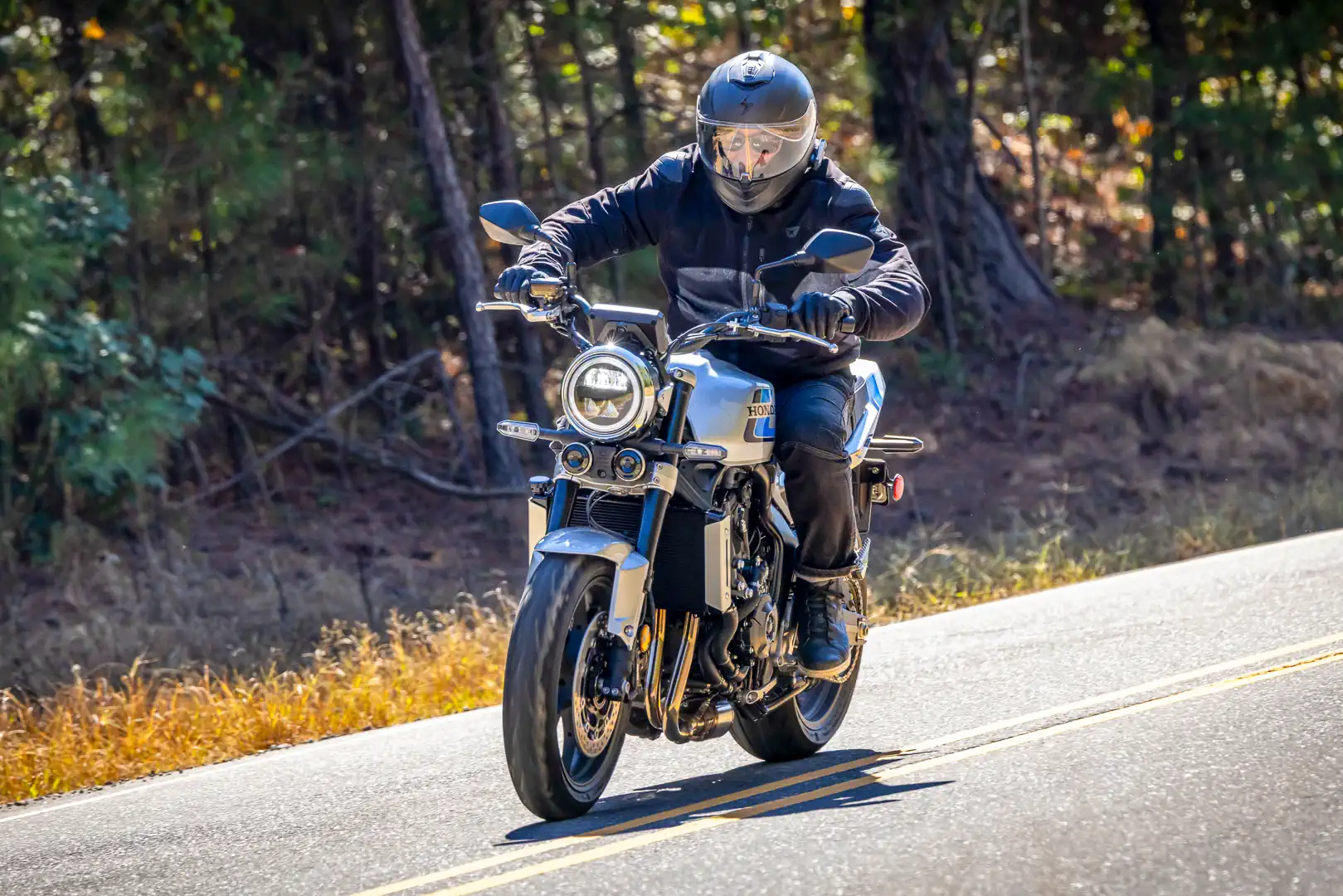
Ergonomics on the 2026 Honda CB1000F are easy to live with. I’m six feet tall, and I fit on the bike nicely, without my knees being bent uncomfortably. Reach to the grips is just right, and the 31.3-inch seat height accommodated everyone in our group, including a five-foot-six guy. The seat cushioning is thick, and I didn’t develop monkey butt until the final hour of our all-day ride.
The 1000F doesn’t mind being ridden hard. Honda Europe rates it at 122 horsepower at 9000 rpm and 76 lb-ft of torque at 8000 rpm; American Honda doesn’t publish either figure. While the horsepower peak isn’t going to win bragging rights, the impressive amount of torque is easily enough to satisfy most antics.
The motor spins up with instant response to throttle input, like a turbine with a light flywheel. The silky-smooth mill offers hard acceleration from idle to its 10,000 rpm redline, with a smooth power curve and no flat spots as the inline-4 climbs through the rev range.
Power is laid down through a six-speed gearbox. For a punchy delivery at lower speeds, the CB1000F has low-ratio 1st and 2nd gears. Cogs 3rd through 6th are taller for more relaxed cruising. 75 mph takes just 5000 rpm in top gear. Launches are fast and smooth, while downshifts are almost always smooth. The assist/slipper clutch is ready to correct downshifting mistakes. An optional quickshifter didn’t find its way onto my test bike, unfortunately. The smoothest fast acceleration is achieved by upshifting rapidly.
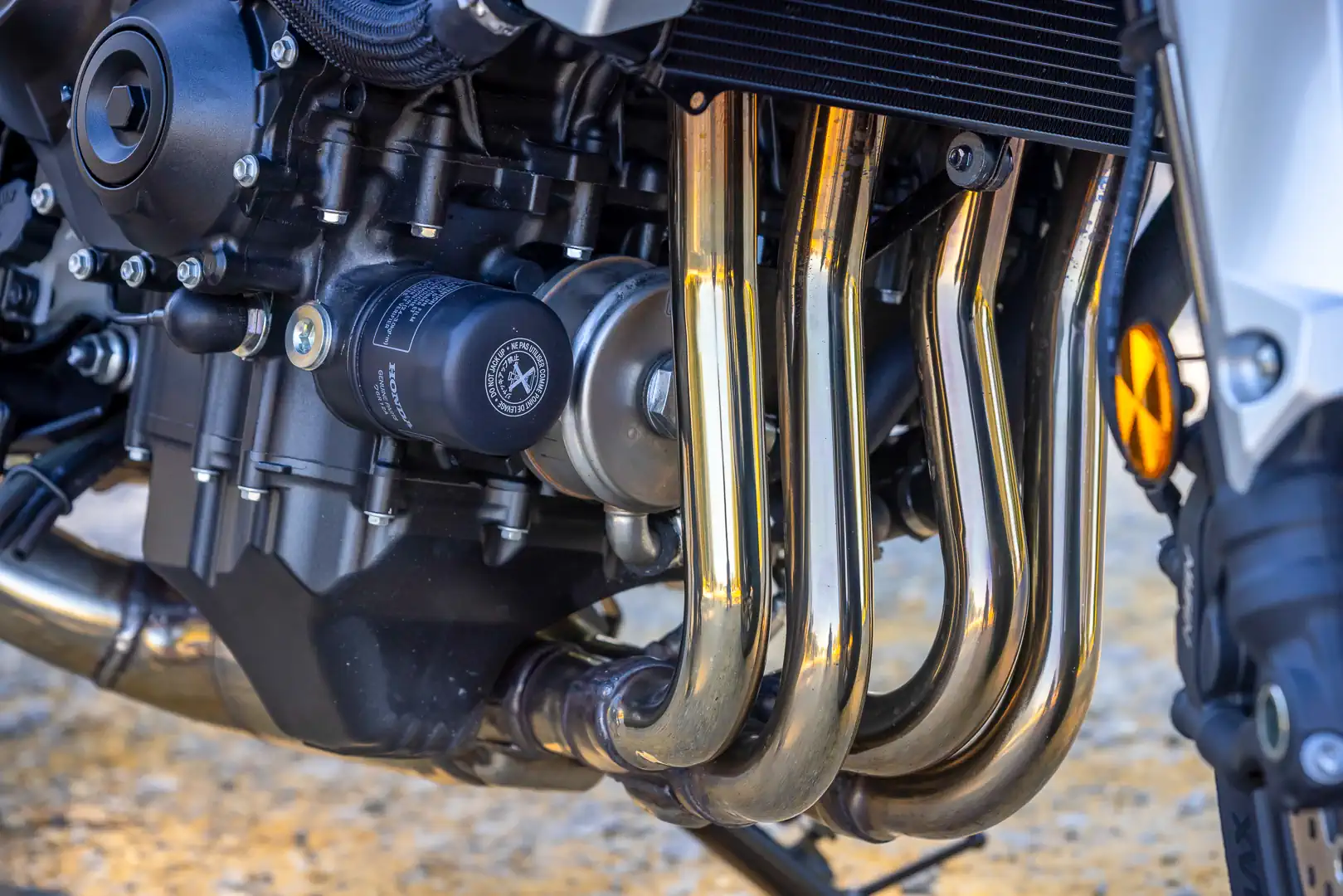
Honda was on a quest for a more robust and pleasant engine and exhaust note. Engineers lengthened the intake funnels and varied their diameters, as well as shaped the airbox to achieve the goal of maximum motor character. I like the resulting soundtrack, especially with the throttle wide open. Honda has revised its camshaft profile and slightly offset valve timing between cylinders 1-2 and 3-4 to tune for the distinctive, strong throbbing sound this motor generates.
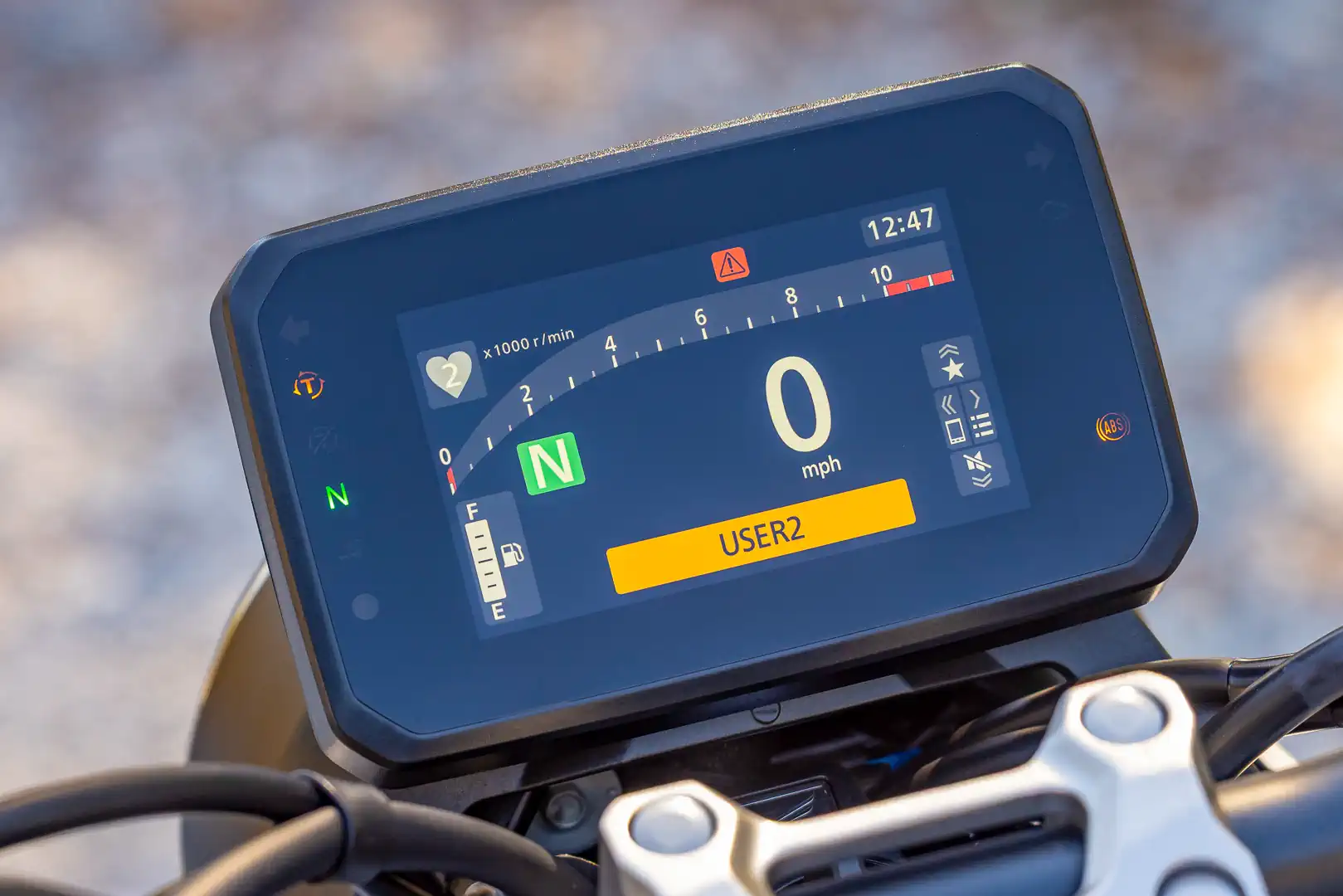
The CB1000F gets something that wasn’t available 45 years ago: a suite of modern electronics. Honda has equipped the 1000F with a six-axis IMU and throttle-by-wire, yielding a slew of features. There are three preset ride modes (Sport, Standard, Rain) and two customizable modes (User 1 and 2). The adjustability consists of three levels for each of three parameters: power, engine braking, and integrated traction/wheelie control. Cornering ABS is always on and not adjustable, while the TC/WC can be completely shut off. The modes act as expected, with Sport and Standard being fairly close and always usable. Save the Rain mode for when it’s wet.
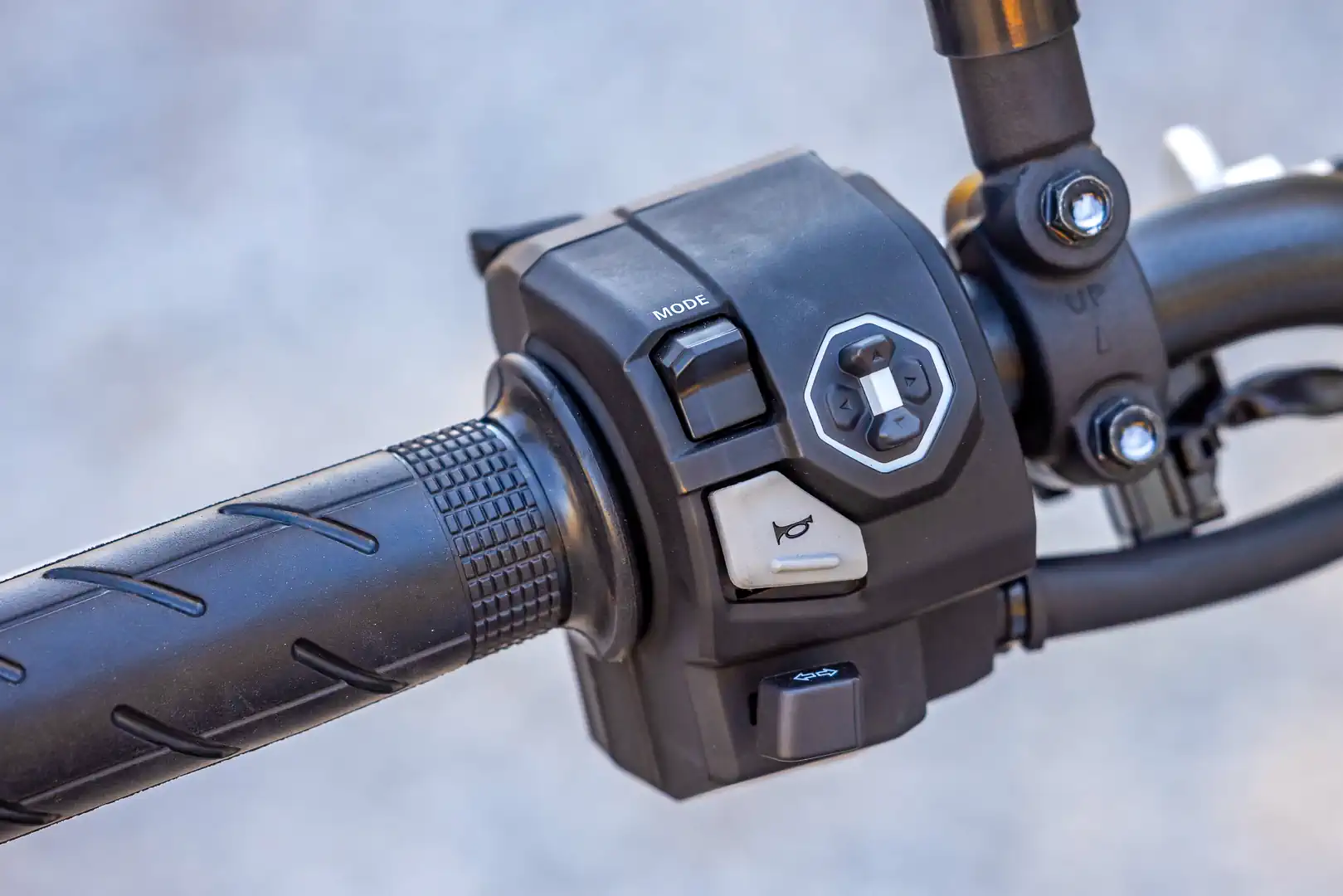
Adjustments are made via a 5-inch TFT screen, that itself is customizable. There are three display patterns to choose from (Bar, Circle, Simple), and an intuitive four-way toggle switch for menu navigation. Further, the CB1000F has keyless ignition and a USB-C port under the seat. Pair your smartphone to the bike via Honda RoadSync, and you add usual app-based conveniences. Helpfully, the screen is bright and visible under all lighting conditions.
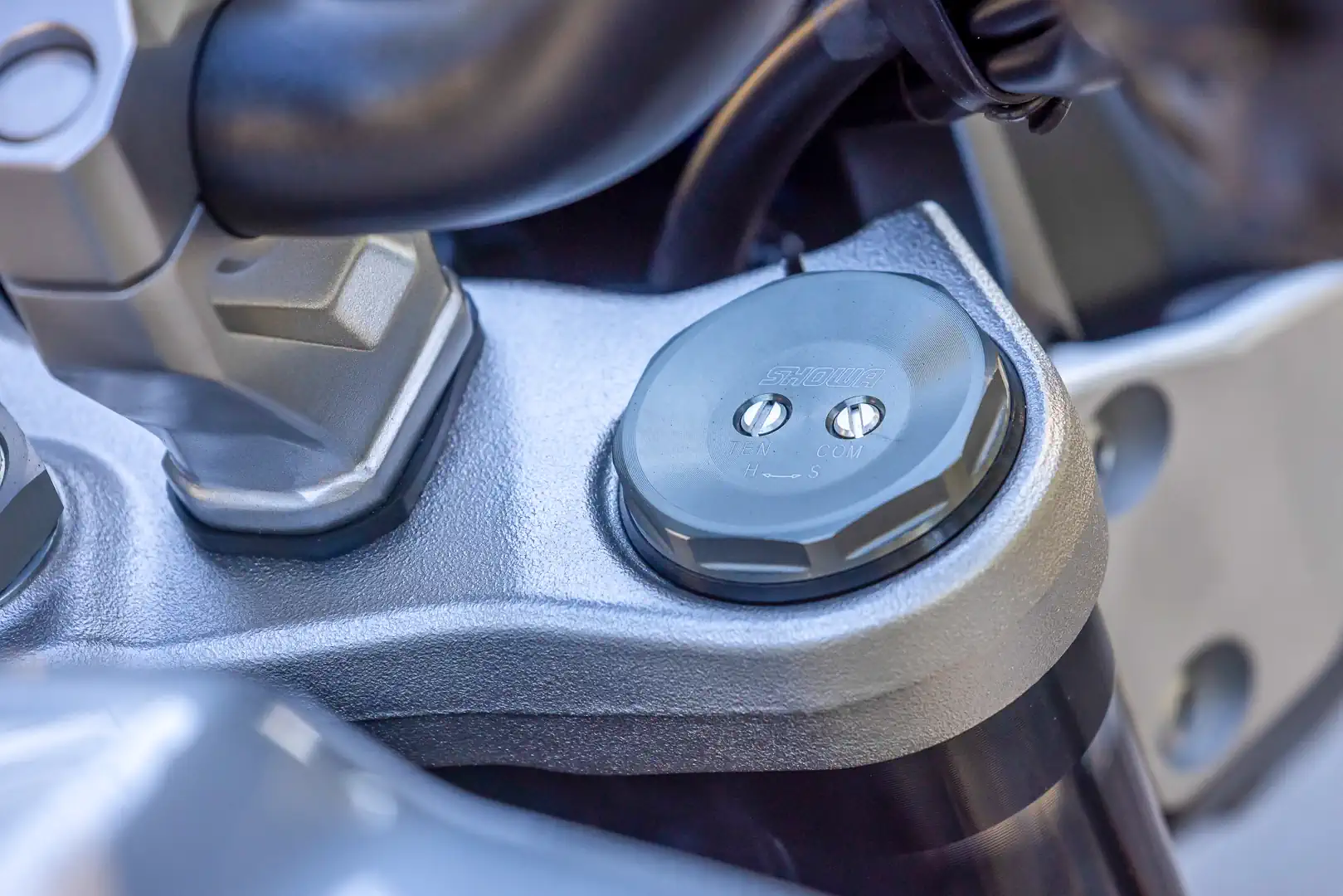
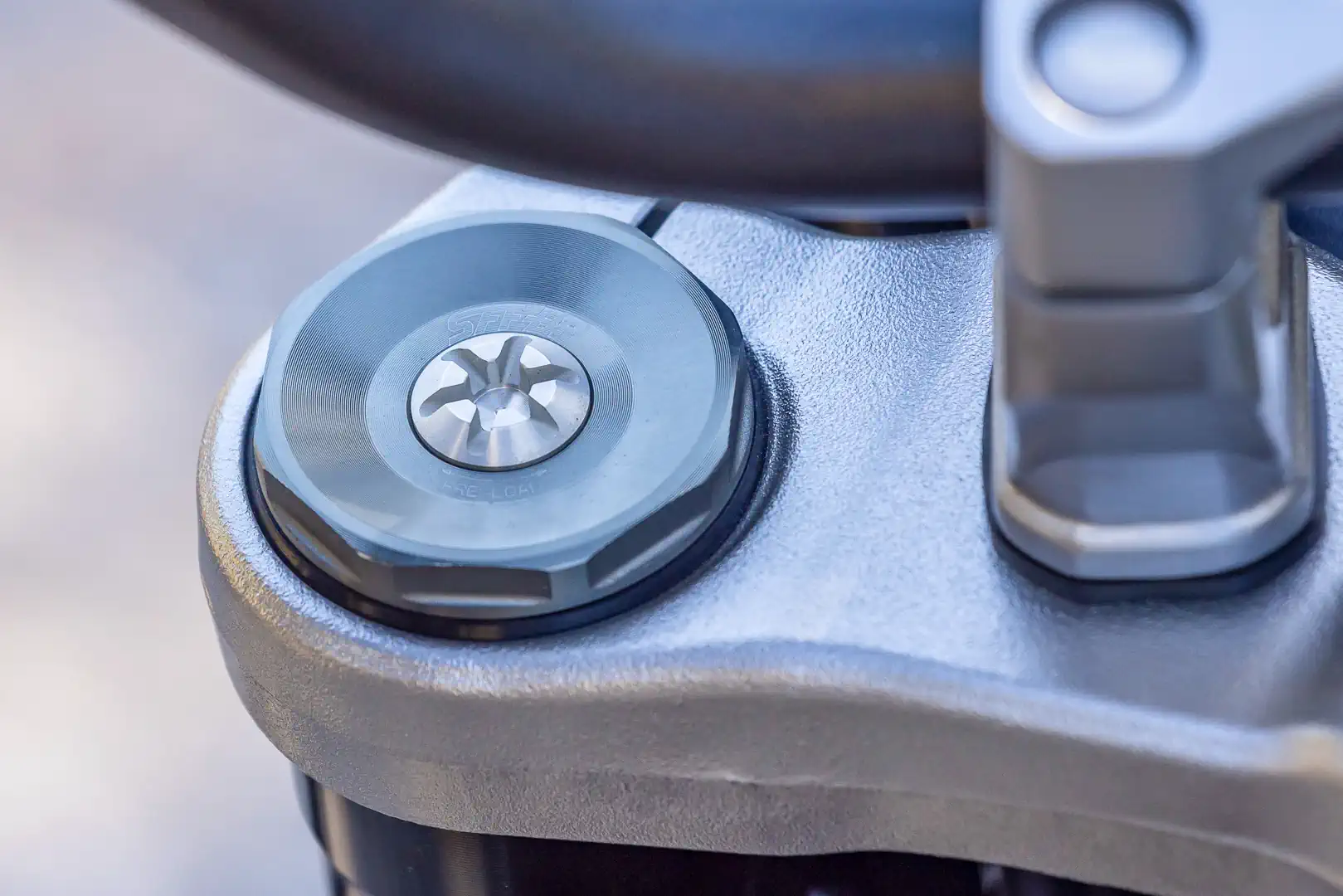
Retro-styling doesn’t mean old-fashioned chassis and suspension components. The one-piece steel, diamond-style, twin-spar frame is the same as that used on the more powerful CB1000 Hornet SP. The cast-aluminum swingarm is asymmetrical, something we didn’t dream of in 1981. Showa supplies the suspension via an SFF-BP inverted fork (separate function fork – big piston) and a linkage-assisted shock. The suspension is fully adjustable, except for the lack of compression-damping adjustment for the shock. The geometry is likably neutral, as the CB1000F is supplied with a 57.2-inch wheelbase, 25 degrees of rake, and 3.9 inches of trail. The entire package weighs a moderate 472 pounds with the 4.2-gallon fuel tank topped off with high-test.
The combination of chassis and suspension components makes this bike a confidence-inspiring pleasure to ride hard. The package is firm and precise, so different from what old memories conjure up from years ago. I can aggressively throw the CB1000F into every type of turn on any road surface. The bike is agile and accommodates my requests in corners. Although not the latest rubber tech, the Bridgestone Battlax Hypersport S22 tires are perfect for the job. The 120/70 and 180/55 tire sizes on 17-inch wheels allow you to mount higher-performance meats that meet your approval. We’re glad Honda didn’t go full-retro and use the 19-/18-inch wheel combo that was de rigueur in the early 1980s. When not going fast effortlessly, the CB1000F is also happy to putt around town. It is compliant and as easy to ride slowly and smoothly as it is fast and aggressive.
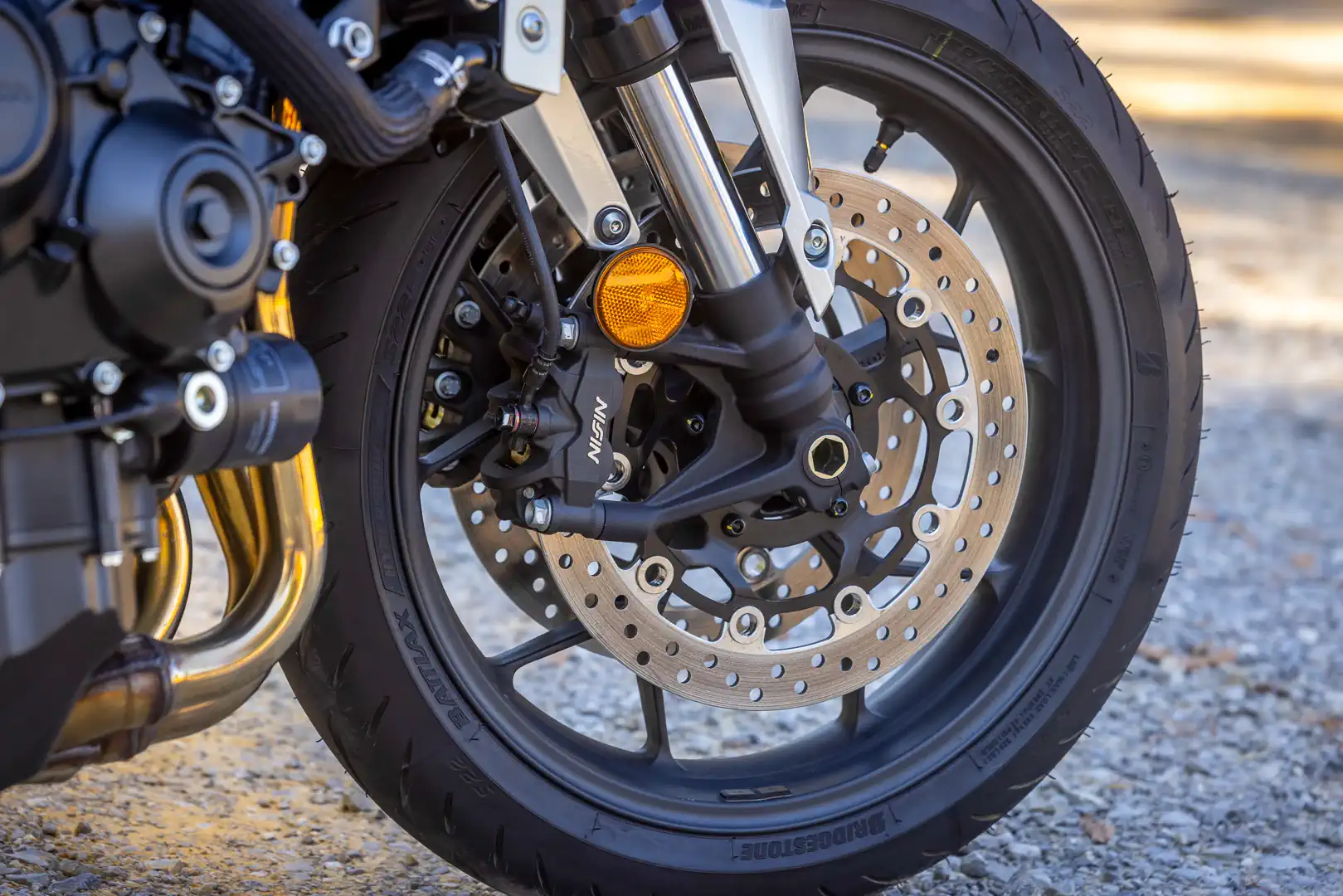
With all the go that Honda has incorporated, they have matched it with Nissin brakes commensurate with the mission. Radial-mounted calipers work on a pair of 310mm discs in the front and a 240mm disc gets by with a single-piston caliper in the back. Honda claims “model-specific brake hose expansion rate tunes braking feel to match suspension.” I found the brakes to be perfectly adequate for the demands I placed on them. Usually, I prefer steel-braided brake lines, but this isn’t a track bike, so I’ll not worry about this.
Other than the quickshifter, Honda’s accessory list leans toward weekend sport touring. A beefed-up sub-frame is enhanced to allow higher luggage load and two-up riding capacity. Honda’s optional soft saddlebags mount with a separate carrier-support kit. There’s also a seat bag, tank bag, comfort seat, heated grips, centerstand, radiator grill, frame sliders, and a few other small items.
Honda has done a superb job of amalgamating decades-old memories by wrapping a modern motorcycle with a stylish reminder of the past. Honda started with the Euro-only CB1000 Hornet and gave it a distinctive retro flavor. Bypassing the performance enhancements of the CB1000 Hornet SP allows Honda to offer the CB1000F for $10,599, which is $400 less than the flagship Hornet. If you don’t need the Hornet’s extra performance, the 2026 Honda CB1000F is a great value in the retro world.
Hello and welcome again to the Motos and Friends Podcast. This episode is brought to you by Leod Escapes.
* * * * *
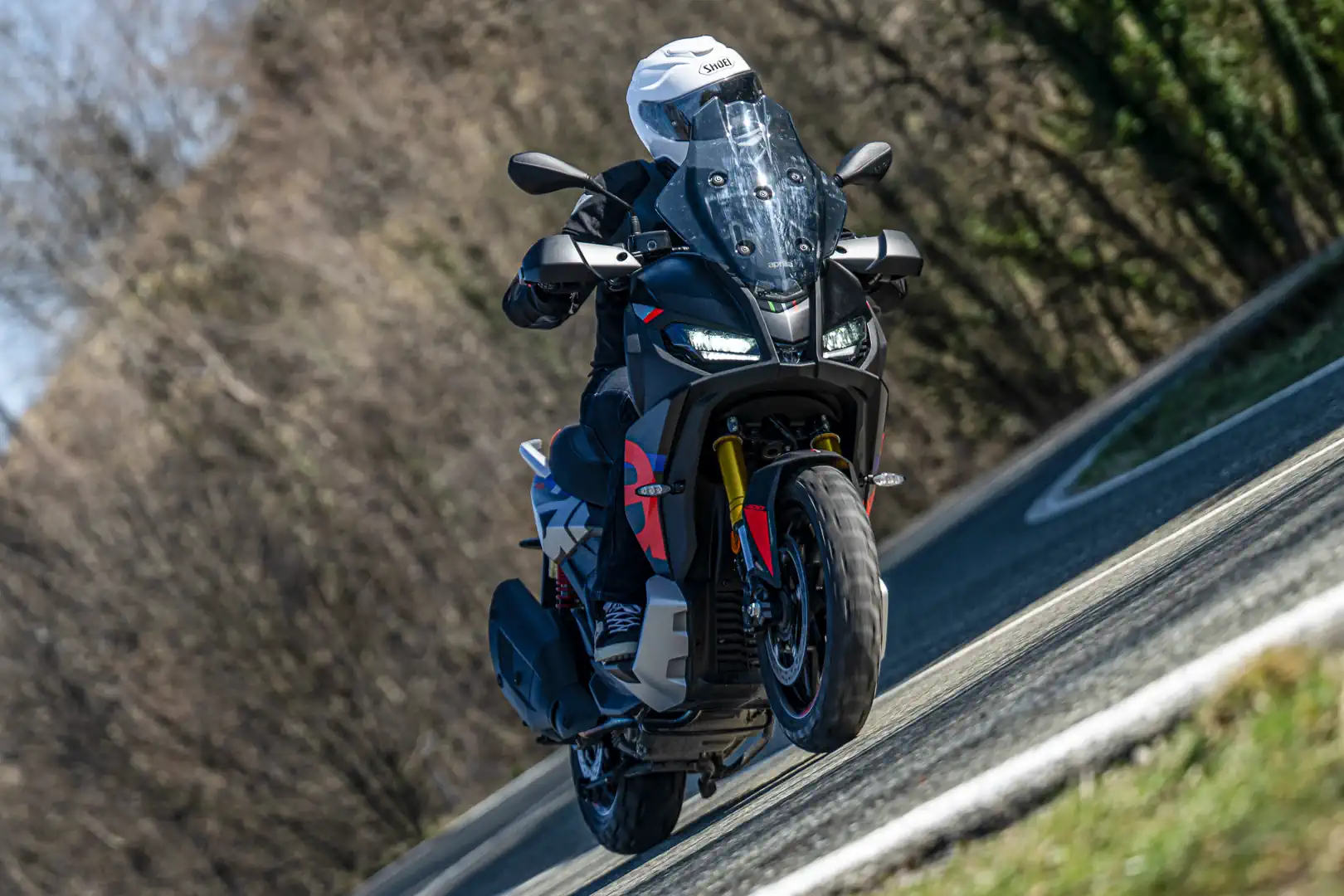
Aprilia is bringing a scooter to North America, and it’s one designed to appeal to adventure motorcyclists. The SR GT 400 is a mid-size scooter built around a steel motorcycle-style frame, a 399cc single, and off-road-ready hardware. It reaches US dealers as soon as this month. Don Williams and Kelly Callan spent some time riding the Aprilia and were surprised by what they discovered. Is this a real motorcycle or just a good-looking urban scooter?
* * * * *
Cat McLeod is founder and owner of Leod Escapes, the ultimate tour company for sport-minded motorcycle riders. Cat talks to us this segment about some of his amazing European experiences and tours that include of course, riding some amazing MotoGP tracks on new BMW S1000RRs. If you like what you hear, now is the time to book your trip of a lifetime, so visit LeodEscapes.com to find out more.
* * * * *
Our guest this episode is Terry Vance, the multiple Motorcycle and Motorsports Hall-of-Famer. Terry is of course the former professional motorcycle drag racer, team owner, and co-founder of the high-performance parts company Vance & Hines. Teejay Adams chats with Terry about his incredible career that includes being the first rider to hit 200 mph in the standing quarter-mile.
Having won this year’s MotoAmerica Mission King of the Baggers championship with Hayden Gillim riding the Vance & Hines factory Indian Challenger, and with Harley-Davidson’s recent withdrawal, Terry gives us his thoughts on where the series might go from here.
* * * * *
Here’s quick reminder to check out our monthly digital magazine. It’s filled with everything you want to read on motorcycling, including some things you’ve probably not seen elsewhere. It’s absolutely free and you will find it on the Apple App Store and of course on Google Play as well.
Don’t forget to leave us your comments on our social media—we’re on all the usual platforms at Ultimate Motorcycling. We love hearing your feedback… so good or bad, please let us know what you think. If there’s something you’d like us to cover, we’d love to hear those ideas too!
We use cookies and browser activity on this website
Functional
Always active
The technical storage or access is strictly necessary for the legitimate purpose of enabling the use of a specific service explicitly requested by the subscriber or user, or for the sole purpose of carrying out the transmission of a communication over an electronic communications network.
Preferences
The technical storage or access is necessary for the legitimate purpose of storing preferences that are not requested by the subscriber or user.
Statistics
The technical storage or access that is used exclusively for statistical purposes.The technical storage or access that is used exclusively for anonymous statistical purposes. Without a subpoena, voluntary compliance on the part of your Internet Service Provider, or additional records from a third party, information stored or retrieved for this purpose alone cannot usually be used to identify you.
Marketing
The technical storage or access is required to create user profiles to send advertising, or to track the user on a website or across several websites for similar marketing purposes.
Advertising helps us keep our content available for free, so adjusting your ad blocking settings will help us.
We appreciate your support!
i
How to Allow Ads on This Site
Depending on your setup, ads may be blocked by a browser extension, VPN, antivirus software, or other application. Here are some common ways to allow ads:
Browser Extensions (e.g., Adblock, uBlock, etc.)
Click the extension icon in your browser toolbar.
Look for an option like "Don't run on pages on this site" or "Pause on this site".
Save the change and refresh the page.
VPNs with Ad Blocking (e.g., NordVPN, Proton VPN, etc.)
Open your VPN app.
Go to settings or features.
Disable any ad blocking or tracking protection features.
Refresh the page.
Antivirus Software or Other Privacy Tools
Check for web protection, ad filtering, or browser privacy settings.
Click the power button to disable it for this site.
Refresh the page.
Not sure what's blocking ads? Look for tools with privacy or filtering features, or check your browser extensions. We only use respectful, non-intrusive advertising.