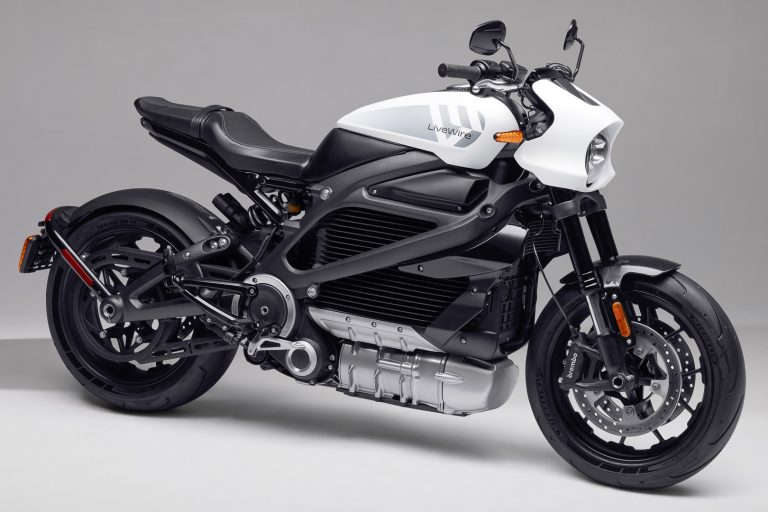
LiveWire, the electric motorcycle maker majority-owned by Harley-Davidson, received a formal warning from the New York Stock Exchange (NYSE) on July 23 because its stock had traded below $1 per share for a month. The same day, the company reported quarterly results strong enough to send the shares surging above $2 within days. The company has six months to prove the recovery is real, or it risks being kicked off the exchange.
The NYSE requires every listed company to keep its average closing stock price above $1 over any 30-day trading stretch. LiveWire (ticker symbol LVWR) fell below that line as of July 22, triggering what the exchange calls a deficiency letter.
Shares that trade under a dollar are commonly called penny stocks, and big exchanges don’t want them. A price that low signals that investors have largely given up on a company.
How did it come to this? LiveWire went public in September 2022 by merging with a shell company already listed on the NYSE, a shortcut known as a SPAC deal (special purpose acquisition company). The stock started trading near $10, backed by a bold pitch: LiveWire told investors it would sell about 101,000 electric motorcycles and bring in $1.77 billion in revenue in 2026.
Reality has fallen far short. In the second quarter of 2026, LiveWire sold 267 motorcycles. That was a record quarter, up 386 percent from a year ago. However, it is a rounding error next to the original promise.
The company lost $18.2 million in those three months while taking in $9.1 million in total revenue, including its STACYC kids’ balance-bike business. Nearly four years of missed targets and steady losses drove the stock down more than 90 percent, until it finally slipped under a buck this summer.
For now, the warning changes nothing. LiveWire stock keeps trading on the NYSE, and the letter does not affect the company’s operations. The danger comes if LiveWire can’t get its price, and its 30-day average, back above $1 within six months. Then the NYSE can delist the stock, dumping it onto the loosely regulated over-the-counter market. Shares there are harder to buy and sell, and most large investment funds won’t touch them. For shareholders, delisting usually means the value of what’s left gets harder to recover.
For riders who own a LiveWire, the stock listing itself means nothing. The bikes, warranties, and dealer support are unaffected. What matters is whether the company survives long term. A dead motorcycle brand means orphaned software, parts, and resale values. Here the news is reassuring.
Harley-Davidson owns most of the company and has extended LiveWire a loan lifeline, most recently a credit line of up to $75 million arranged in November 2025.
The fastest cure is the one already underway. LiveWire released its second-quarter results on July 23, and traders liked what they saw. The stock, which closed at 77 cents that day, more than tripled over the next two trading days and has held above $1 since, trading at $1.81 at close on July 31. Under NYSE rules, if the price and its 30-day average climb back over $1 and stay there, the problem resolves itself.
If the rally fades, LiveWire has a backup plan: a reverse stock split, which would need shareholder approval. In a reverse split, shares are combined to raise the price. In a 1-for-10 split, ten shares worth 80 cents each become one share worth $8. Nobody gains or loses a dime, but the stock clears the $1 bar. Wall Street generally reads a reverse split as a distress signal, which is why companies treat it as a last resort.
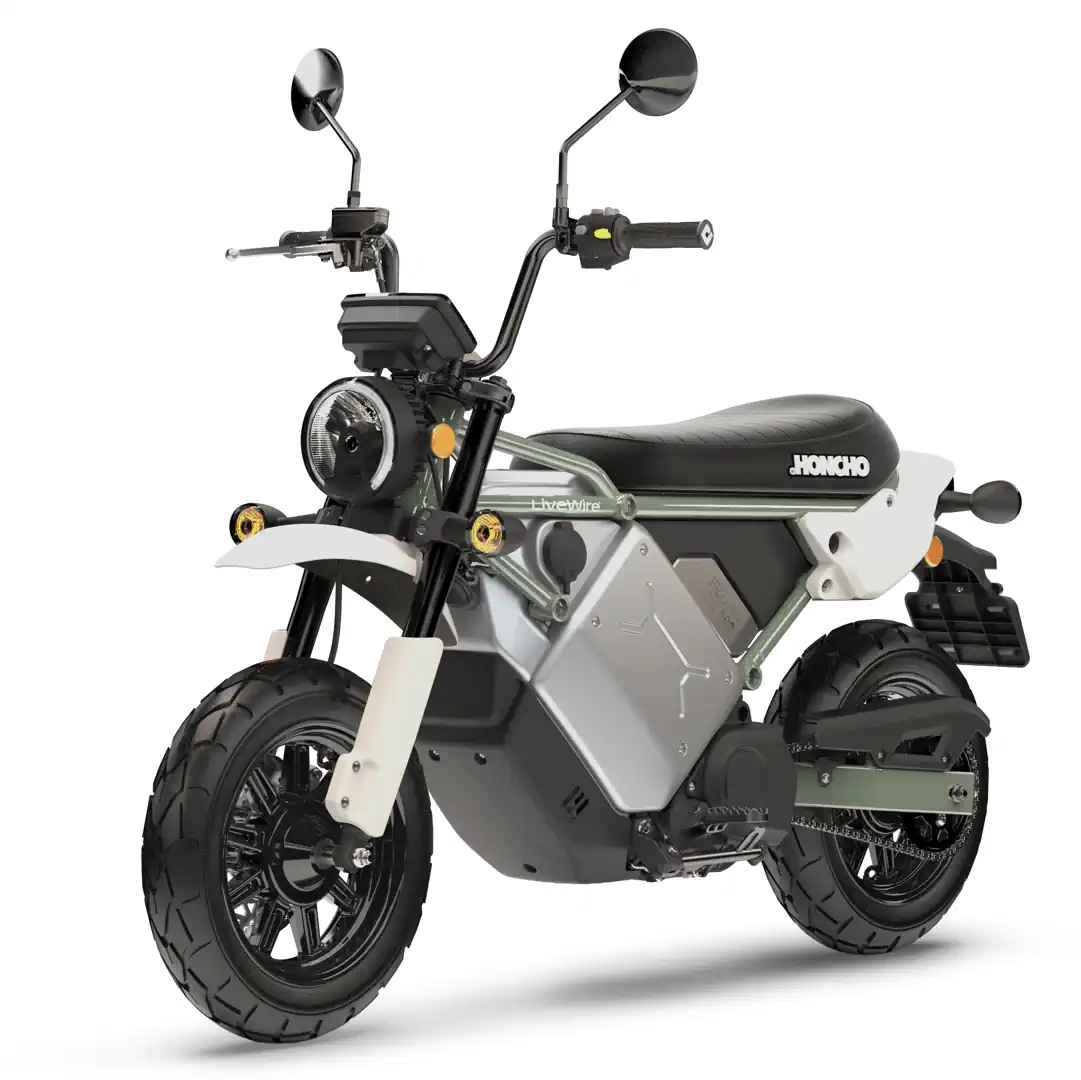
The real road map to a healthier stock price is simpler to state than to execute: sell more motorcycles and lose less money. LiveWire’s plan leans on cheaper bikes and new categories. The S4 Honcho, a smaller and more affordable model, entered production this spring.
2027 LiveWire S4 Honcho.
“We successfully commenced production of our all-new S4 Honcho platform, expanding LiveWire’s portfolio into a highly accessible segment of the electric motorcycle market, which we believe lays the foundation for future growth,” said CEO Karim Donnez. “At the same time, we closed the acquisition of Dust Motorcycles, which we expect will accelerate our expansion into the rapidly growing electric off-road category.”
Donnez sold about 230,000 shares — his entire holding apart from unvested restricted stock units, according to SEC filings — for $537,000 on July 29.
The first Honchos are due at LiveWire dealers later this summer. The Dust deal, closed in May, points the brand toward electric dirt bikes, a market growing faster than electric street bikes. Meanwhile, cost-cutting has trimmed the cash burn, with free cash flow 19 percent better than a year ago, and STACYC reached break-even. LiveWire also claims 76 percent of the US market for street-legal electric motorcycles of 50 kilowatts or more. If that market ever takes off, LiveWire is positioned to ride it.
Riders and investors should watch three things:
Honcho sales this fall
Whether the stock holds above $1 through the six-month cure window
The third-quarter report
The warning light is on at LiveWire, but the engine is still running.
Hello and welcome again to the Motos and Friends Podcast. This episode is brought to you by Leod Escapes.
* * * * *
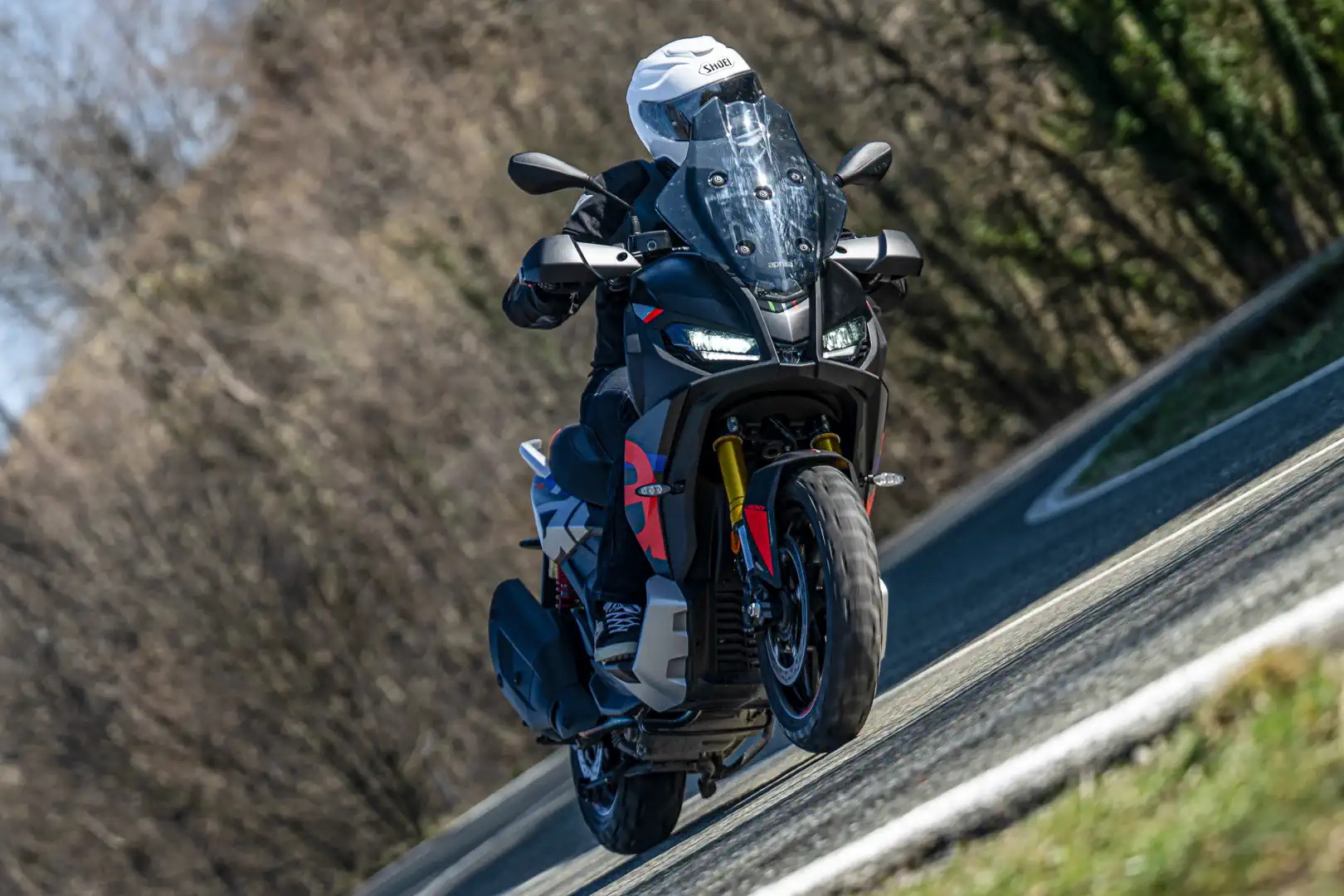
Aprilia is bringing a scooter to North America, and it’s one designed to appeal to adventure motorcyclists. The SR GT 400 is a mid-size scooter built around a steel motorcycle-style frame, a 399cc single, and off-road-ready hardware. It reaches US dealers as soon as this month. Don Williams and Kelly Callan spent some time riding the Aprilia and were surprised by what they discovered. Is this a real motorcycle or just a good-looking urban scooter?
* * * * *
Cat McLeod is founder and owner of Leod Escapes, the ultimate tour company for sport-minded motorcycle riders. Cat talks to us this segment about some of his amazing European experiences and tours that include of course, riding some amazing MotoGP tracks on new BMW S1000RRs. If you like what you hear, now is the time to book your trip of a lifetime, so visit LeodEscapes.com to find out more.
* * * * *
Our guest this episode is Terry Vance, the multiple Motorcycle and Motorsports Hall-of-Famer. Terry is of course the former professional motorcycle drag racer, team owner, and co-founder of the high-performance parts company Vance & Hines. Teejay Adams chats with Terry about his incredible career that includes being the first rider to hit 200 mph in the standing quarter-mile.
Having won this year’s MotoAmerica Mission King of the Baggers championship with Hayden Gillim riding the Vance & Hines factory Indian Challenger, and with Harley-Davidson’s recent withdrawal, Terry gives us his thoughts on where the series might go from here.
* * * * *
Here’s quick reminder to check out our monthly digital magazine. It’s filled with everything you want to read on motorcycling, including some things you’ve probably not seen elsewhere. It’s absolutely free and you will find it on the Apple App Store and of course on Google Play as well.
Don’t forget to leave us your comments on our social media—we’re on all the usual platforms at Ultimate Motorcycling. We love hearing your feedback… so good or bad, please let us know what you think. If there’s something you’d like us to cover, we’d love to hear those ideas too!
We use cookies and browser activity on this website
Functional
Always active
The technical storage or access is strictly necessary for the legitimate purpose of enabling the use of a specific service explicitly requested by the subscriber or user, or for the sole purpose of carrying out the transmission of a communication over an electronic communications network.
Preferences
The technical storage or access is necessary for the legitimate purpose of storing preferences that are not requested by the subscriber or user.
Statistics
The technical storage or access that is used exclusively for statistical purposes.The technical storage or access that is used exclusively for anonymous statistical purposes. Without a subpoena, voluntary compliance on the part of your Internet Service Provider, or additional records from a third party, information stored or retrieved for this purpose alone cannot usually be used to identify you.
Marketing
The technical storage or access is required to create user profiles to send advertising, or to track the user on a website or across several websites for similar marketing purposes.
Advertising helps us keep our content available for free, so adjusting your ad blocking settings will help us.
We appreciate your support!
i
How to Allow Ads on This Site
Depending on your setup, ads may be blocked by a browser extension, VPN, antivirus software, or other application. Here are some common ways to allow ads:
Browser Extensions (e.g., Adblock, uBlock, etc.)
Click the extension icon in your browser toolbar.
Look for an option like "Don't run on pages on this site" or "Pause on this site".
Save the change and refresh the page.
VPNs with Ad Blocking (e.g., NordVPN, Proton VPN, etc.)
Open your VPN app.
Go to settings or features.
Disable any ad blocking or tracking protection features.
Refresh the page.
Antivirus Software or Other Privacy Tools
Check for web protection, ad filtering, or browser privacy settings.
Click the power button to disable it for this site.
Refresh the page.
Not sure what's blocking ads? Look for tools with privacy or filtering features, or check your browser extensions. We only use respectful, non-intrusive advertising.