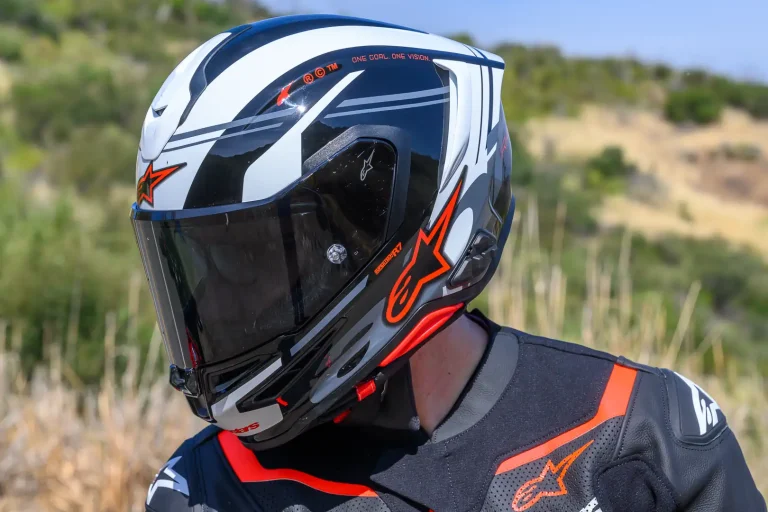
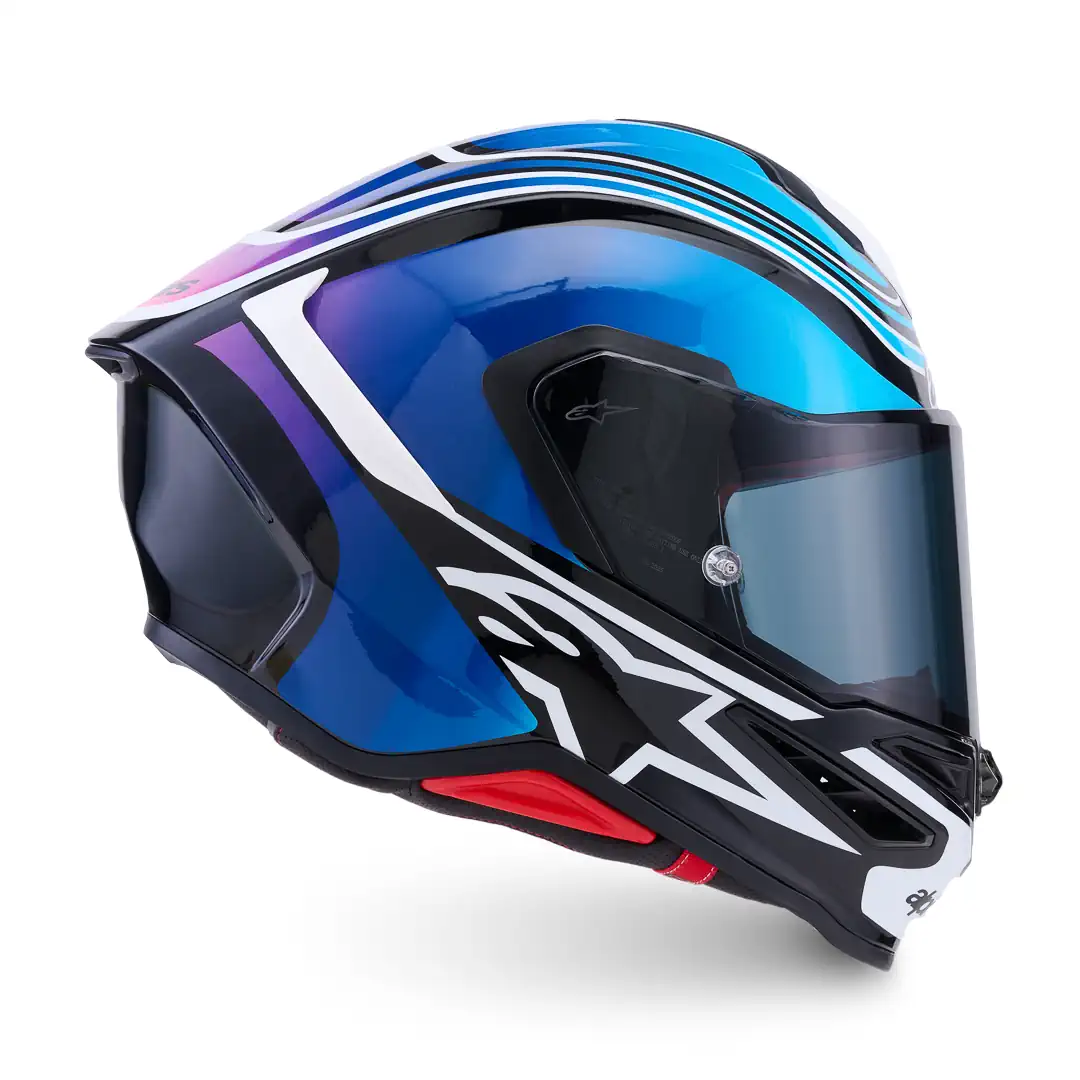
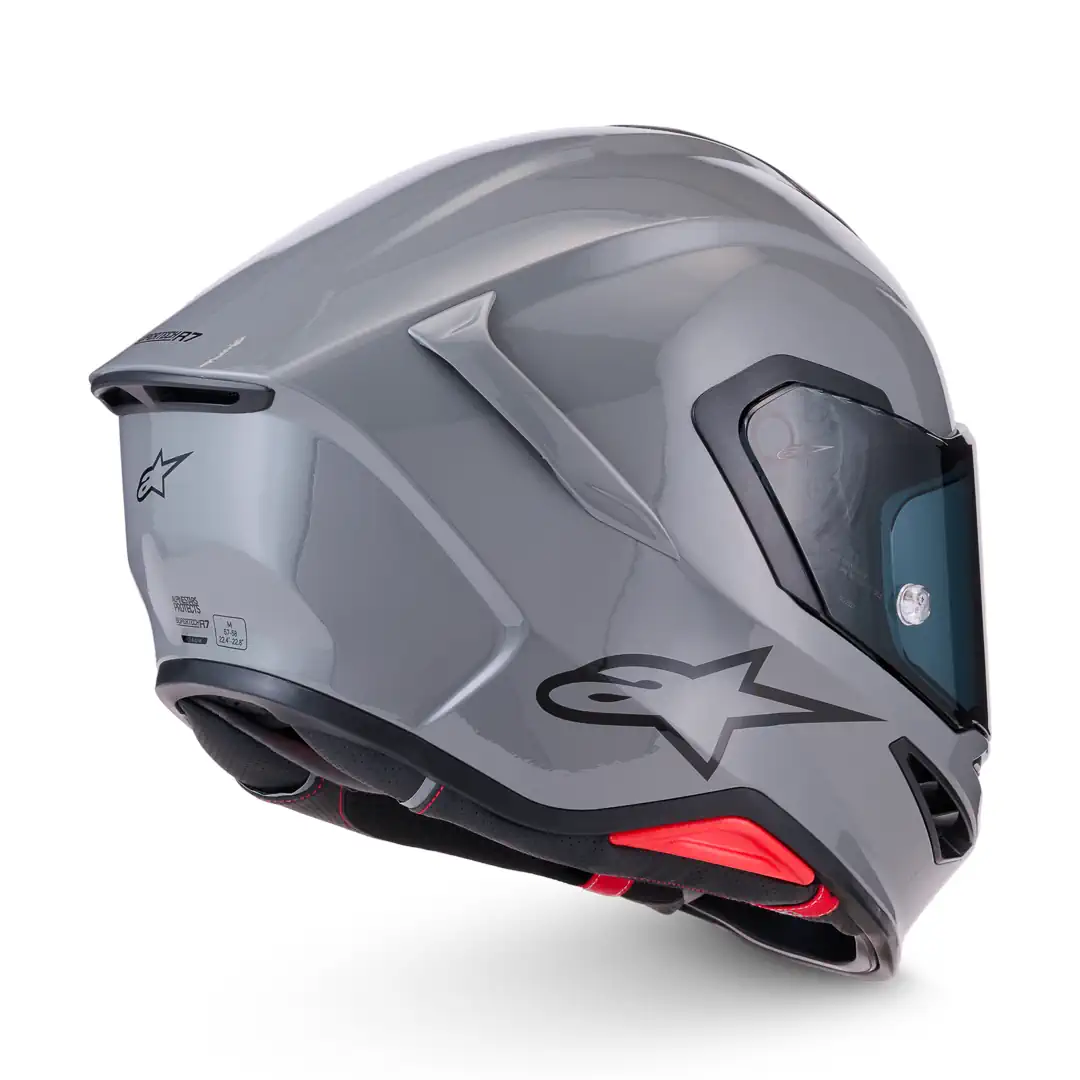
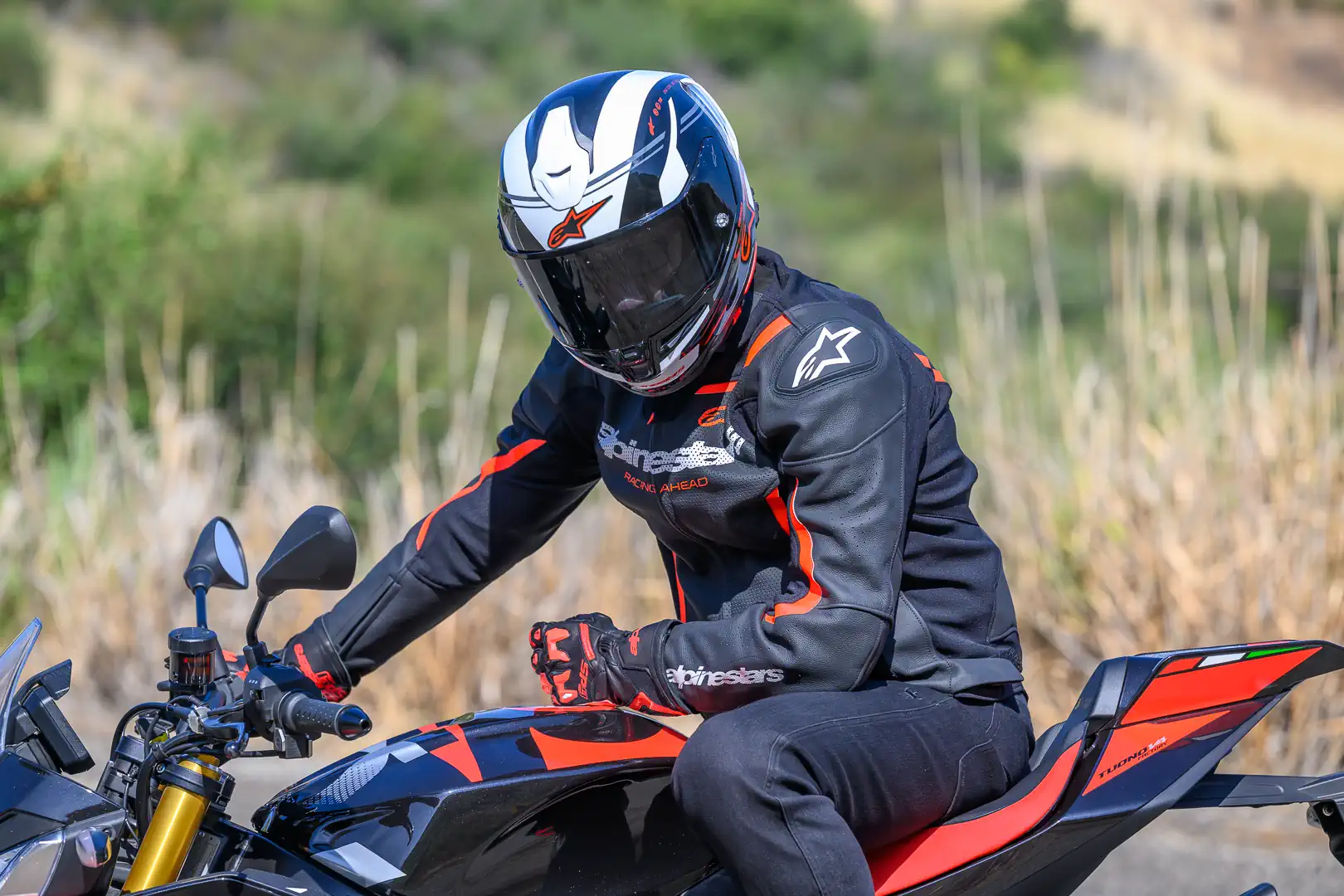
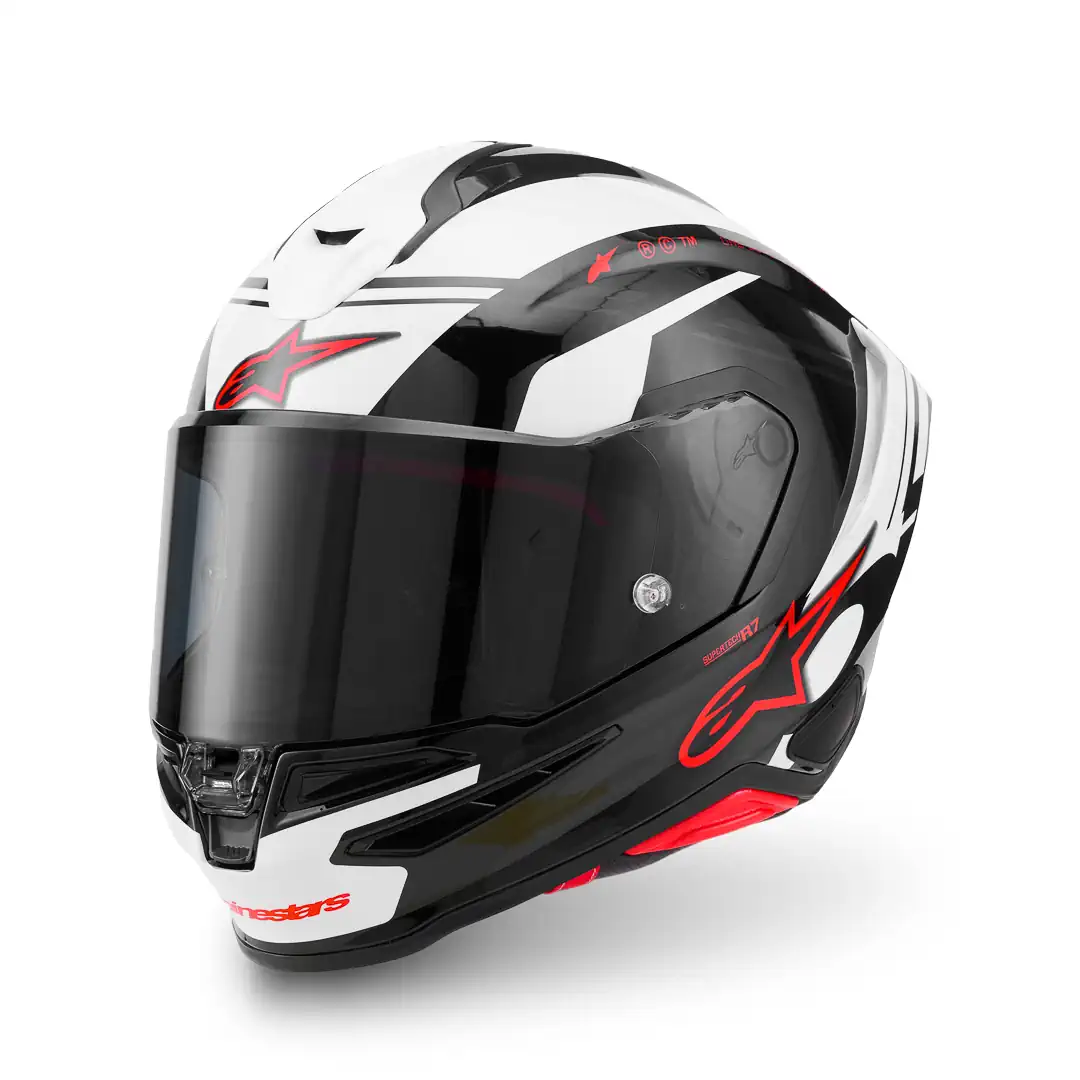
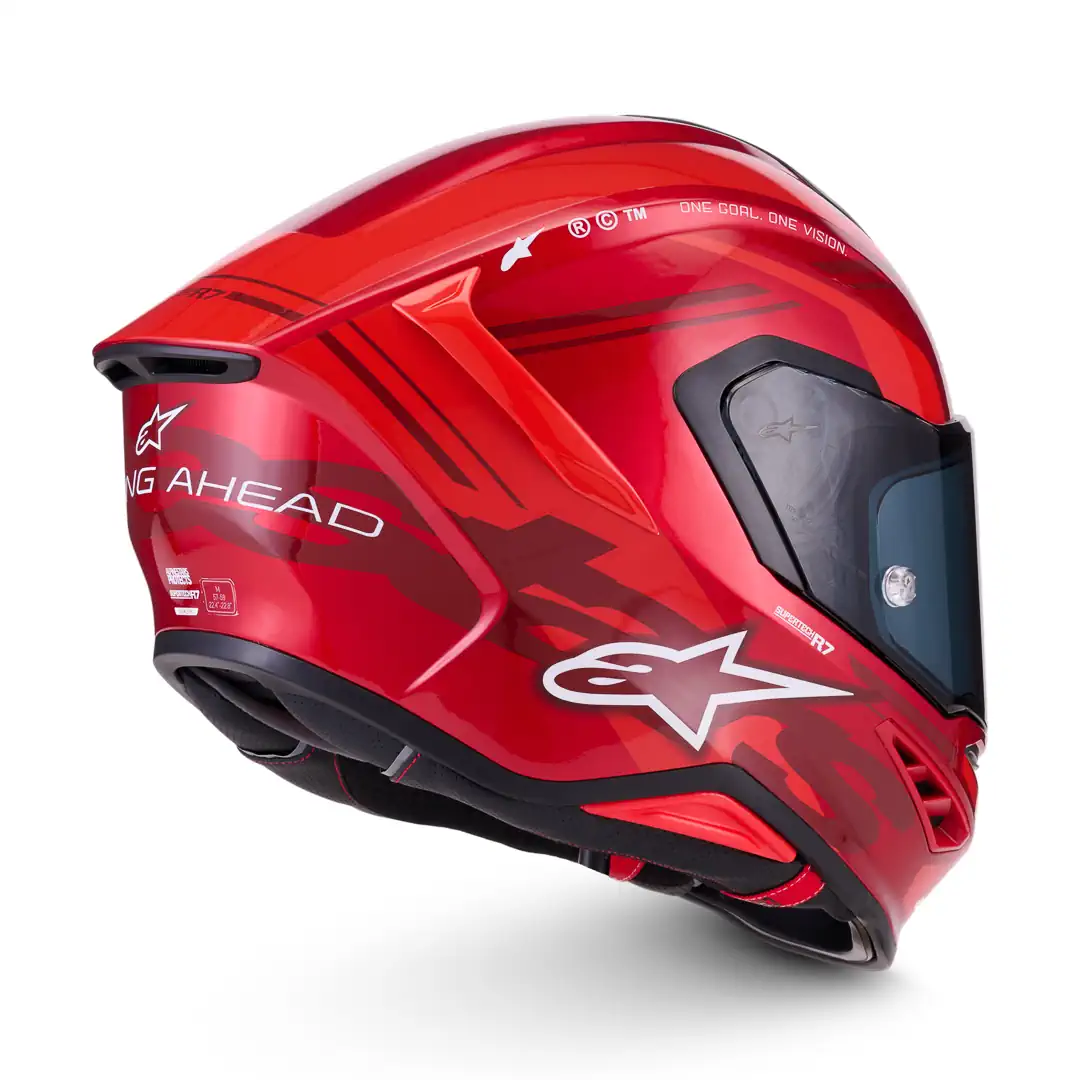
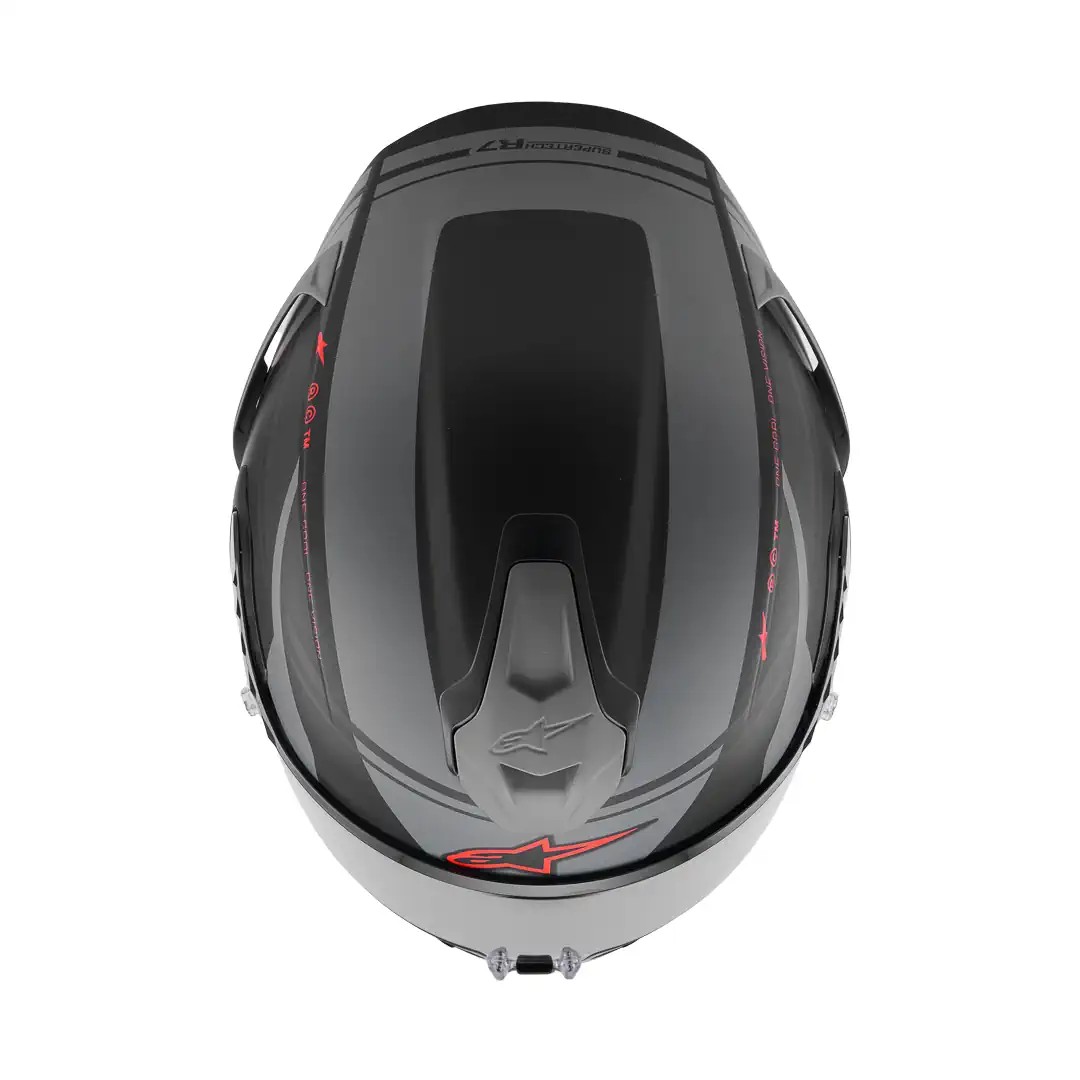
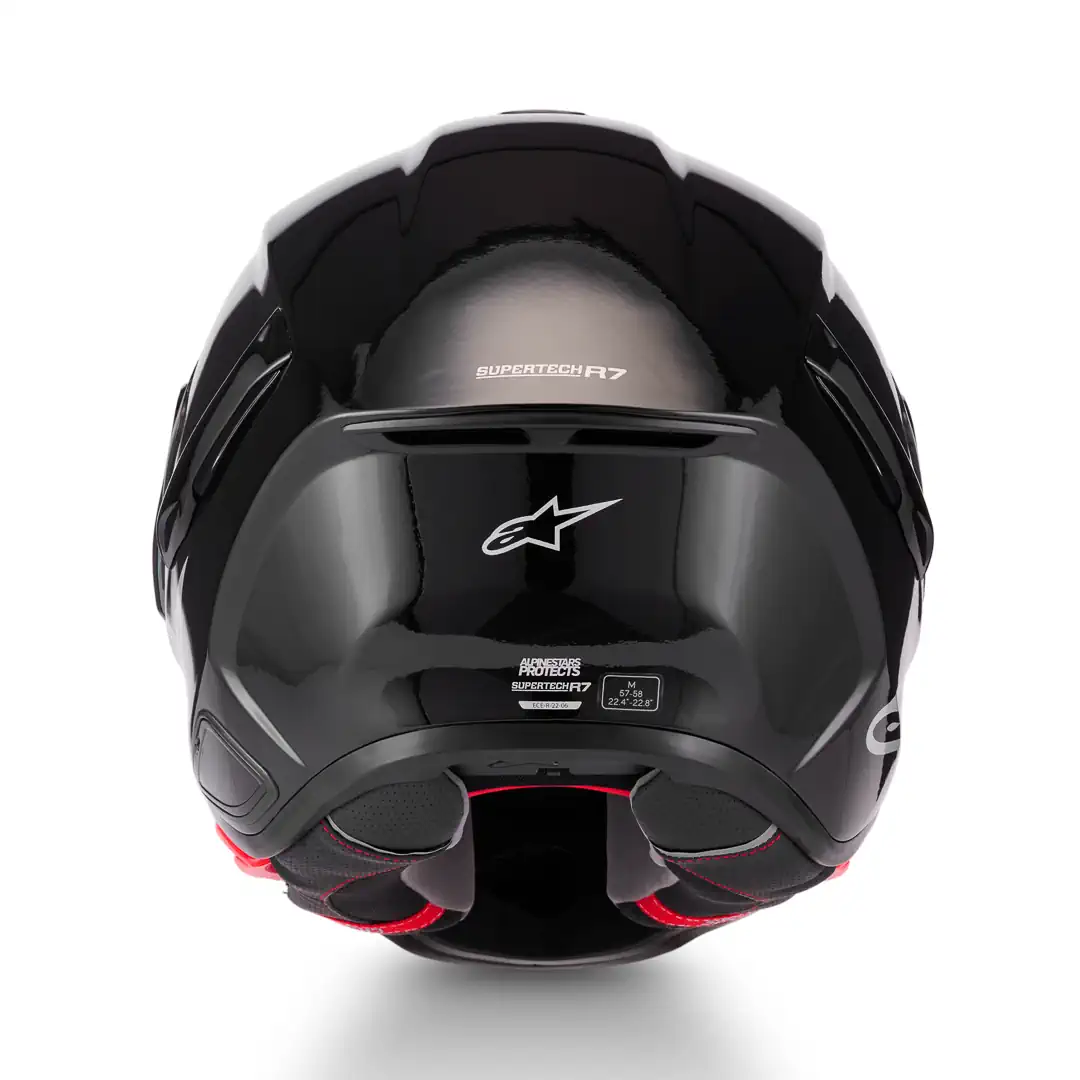
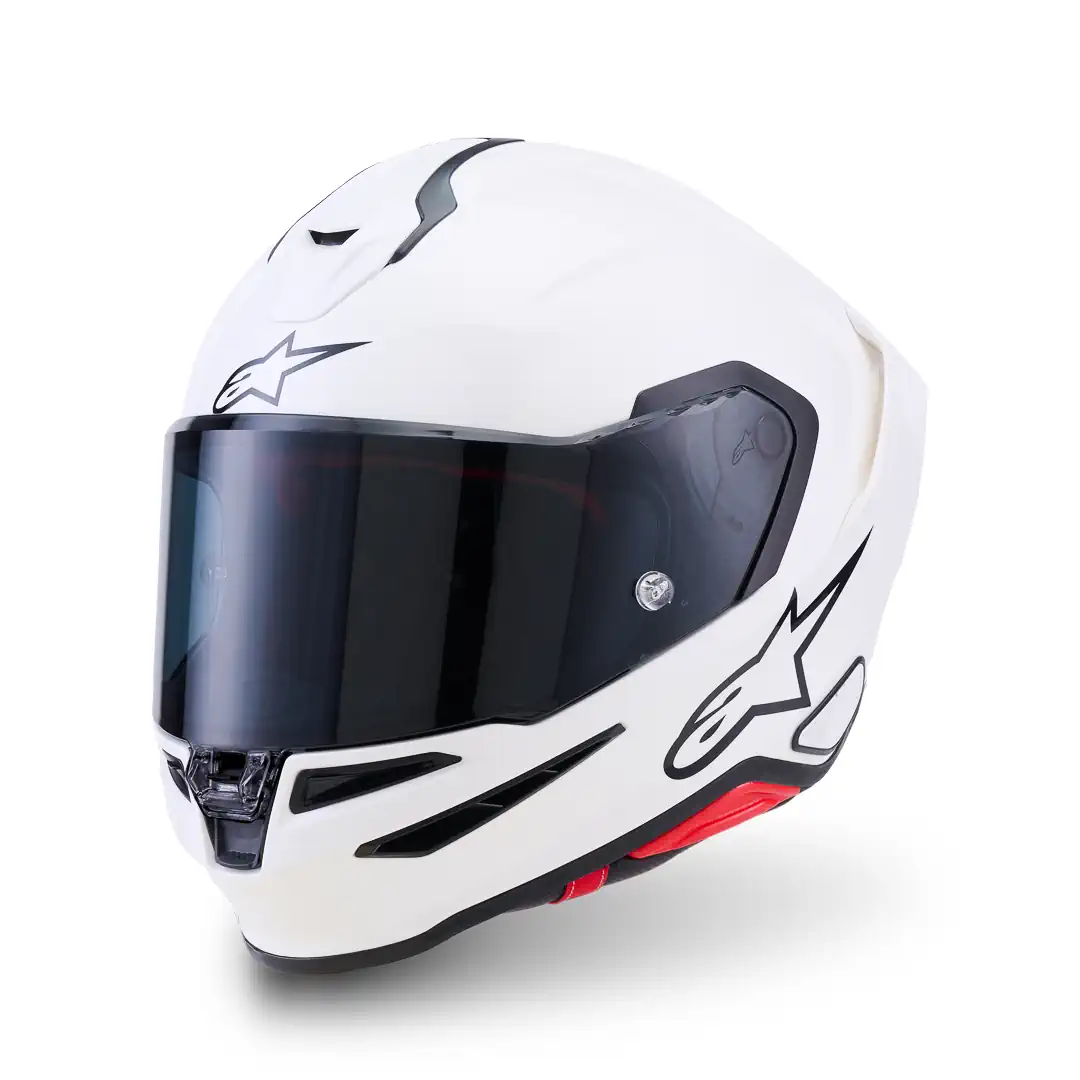
Alpinestars entered the road-helmet market with its Supertech R10 in 2023 after a decade of development. The Italian brand tapped MotoGP legends such as Andrea Dovizioso and current riders Jorge Martin and Jack Miller for their invaluable feedback from the highest form of two-wheeled racing, helping shape its topline offering. Getting things right takes time, but once you’ve done the hard work of creating a flagship product, development moves much faster. Three short years after the brand’s premium racing helmet was released, we’re set to receive its streetwise sibling: the Alpinestars Supertech R7.
The all-new Supertech R7 is aimed squarely at riders who want race-derived performance without raising a red flag in their wallet. At $680 for solid colors and $750 for graphics, the S-R7 offers a host of road-oriented features that make sense for motorcyclists who need an all-day comfortable road helmet that is still fit for service at the racetrack. Pulling double-duty is a lofty claim for any piece of safety equipment, and one that Alpinestars stands by, so it hosted a shindig at Streets of Willow in Rosamond, California, to spin some laps before we took it home to spend time with it on the street.
The Alpinestars S-R7 Shell In A Nutshell
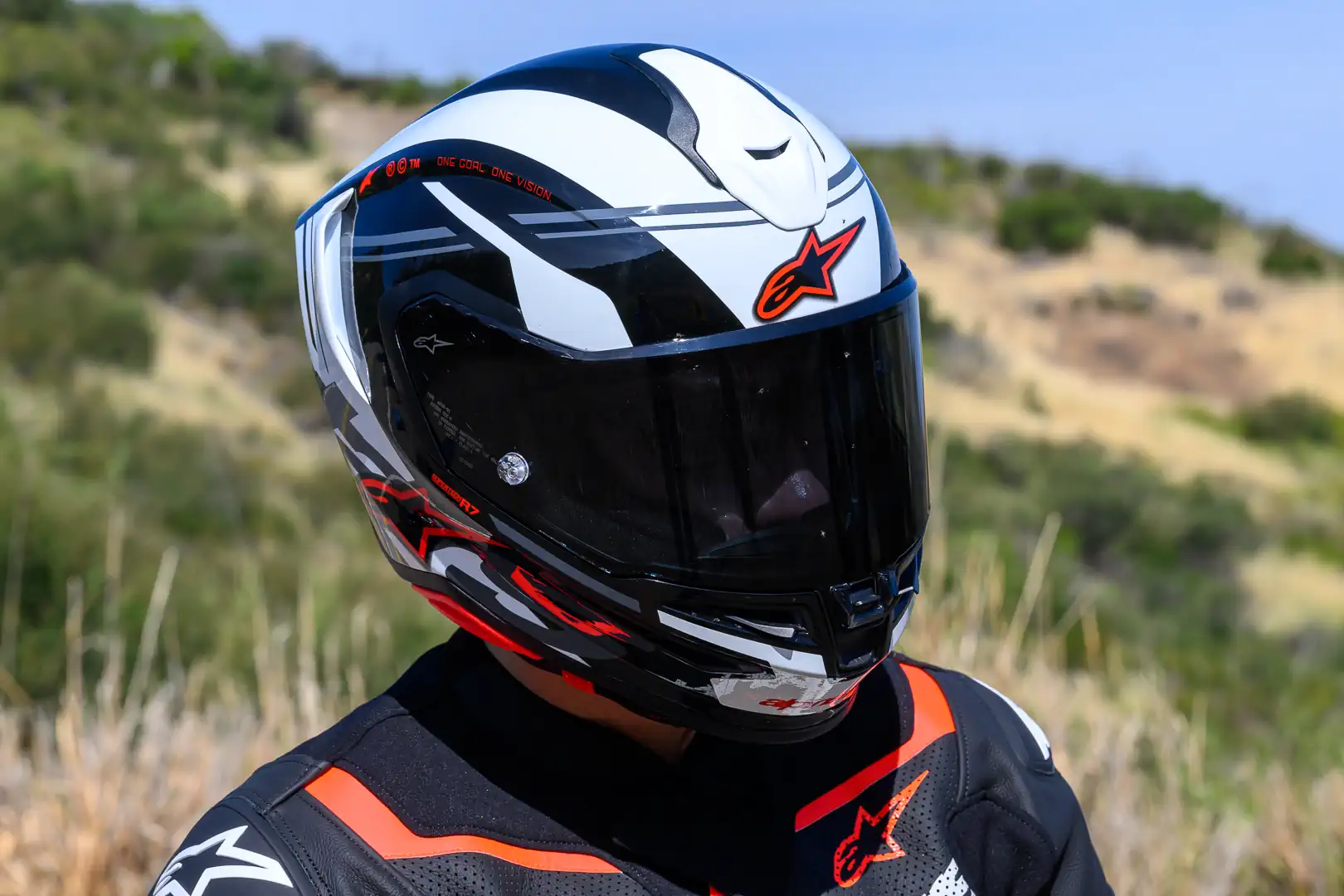
As with any helmet, let’s start outside and work our way in. The R7’s outer shell is built from four distinct layers of composite material: fiberglass, unidirectional carbon composite, carbon-aramid fiber reinforcement, and an inner fiberglass layer bonded with pre-preg epoxy resin. This is not the full carbon shell of the R10, which is the primary material distinction between the two models and helps keep the S-R7 MSRP more affordable.
Interestingly, our medium-sized DOT/ECE/FIM-certified R10 weighs 3 pounds, 5 ounces due to its more pronounced aerodynamic elements and elongated overall shape. Meanwhile, our medium DOT/ECE-approved Supertech R7 weighs 3 pounds, 1 ounce. With the $550 accessory Alpinestars A-Connect communication device installed, we’re looking at 3 pounds, 4 ounces.
For context, those weight figures keep the R7 competitive within the sport helmet segment. Stacking it against the competition, and we have the AGV K6 S coming in at an ultralight 2 pounds 8 ounces, weighing about the same as an Arai Contour-X at 3 pounds, 5 ounces, while the Shoei RF-1400 sits at the heavier end of the spectrum at 3 pounds, 9 ounces. All cited weights correlate to medium-sized lids.
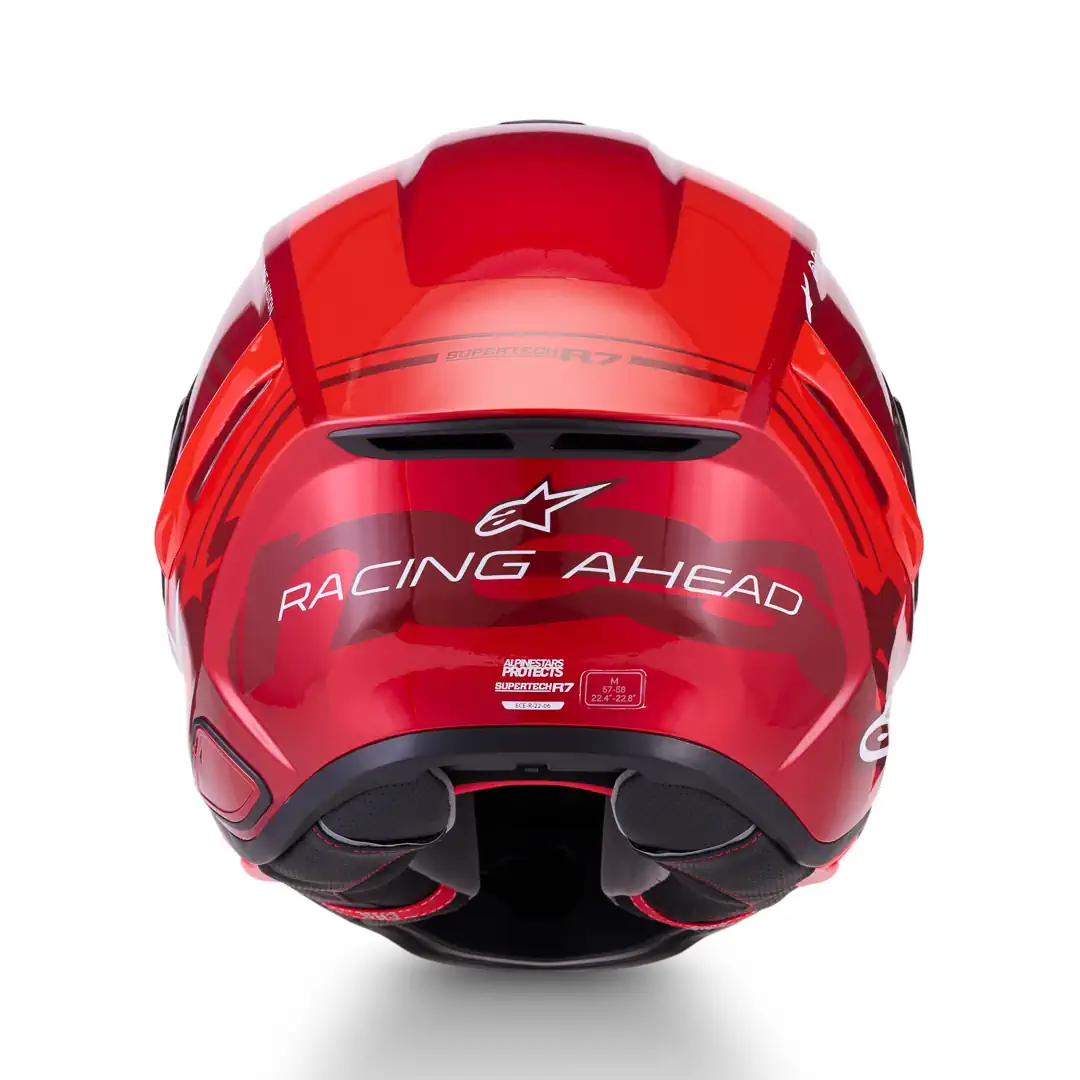
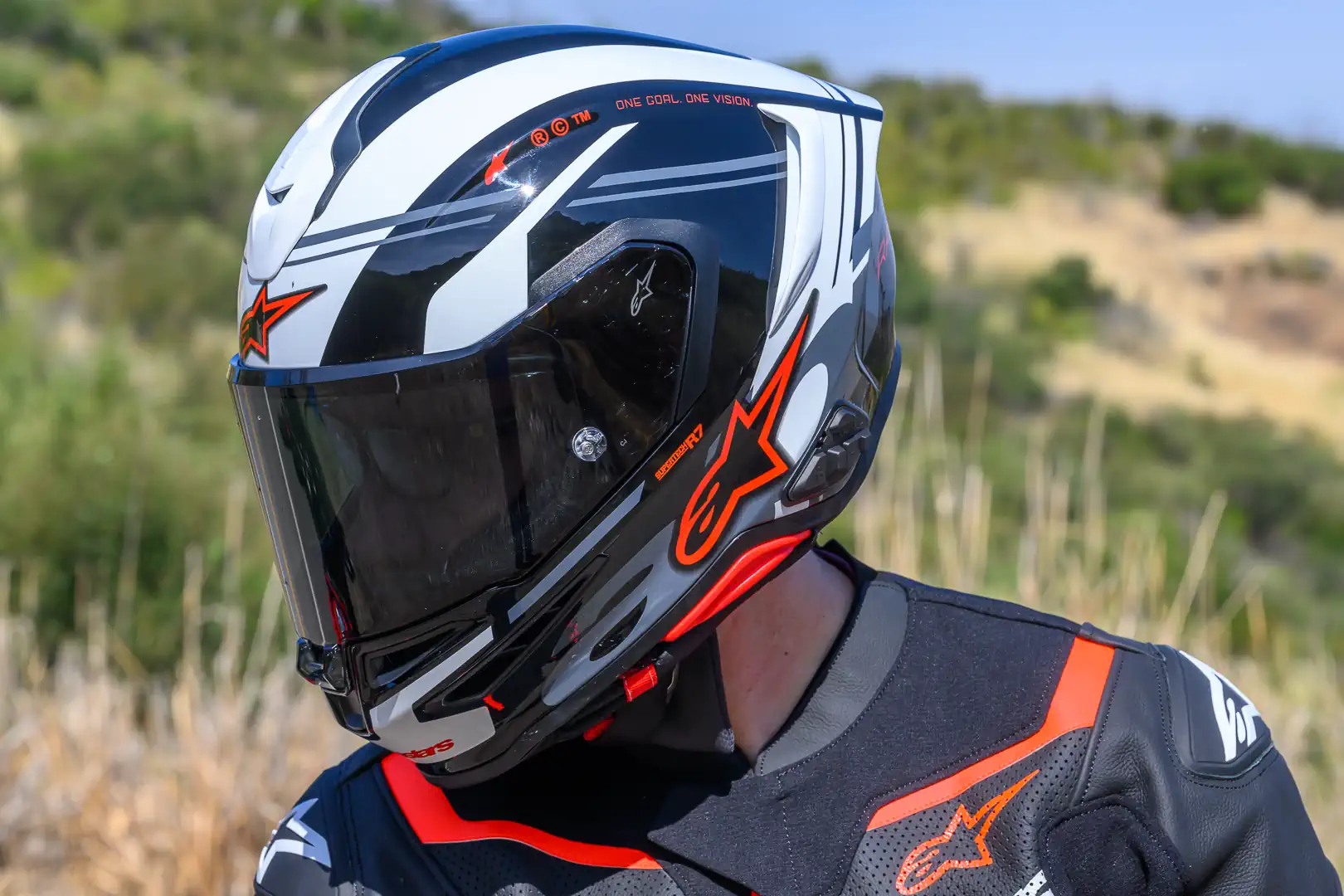
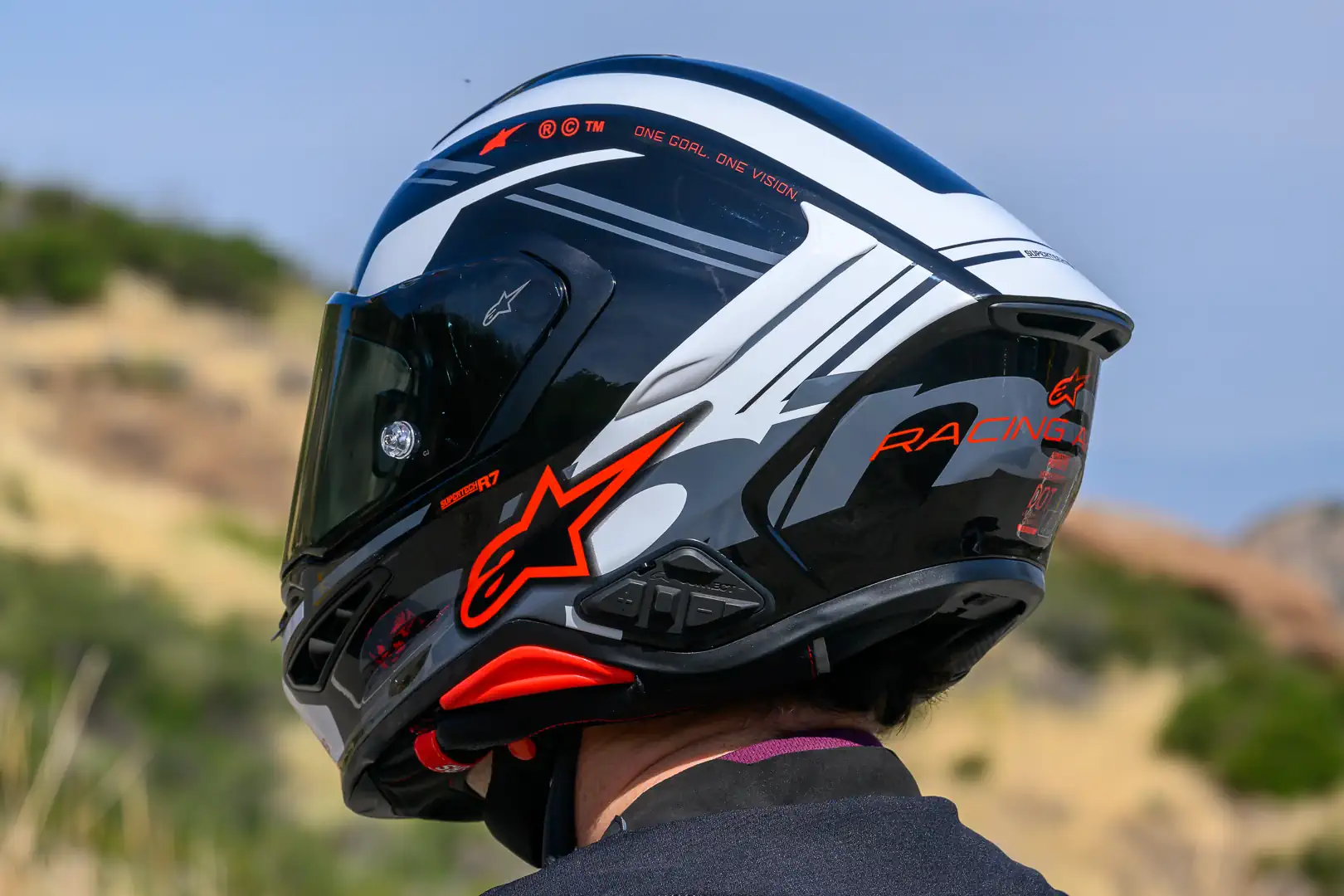
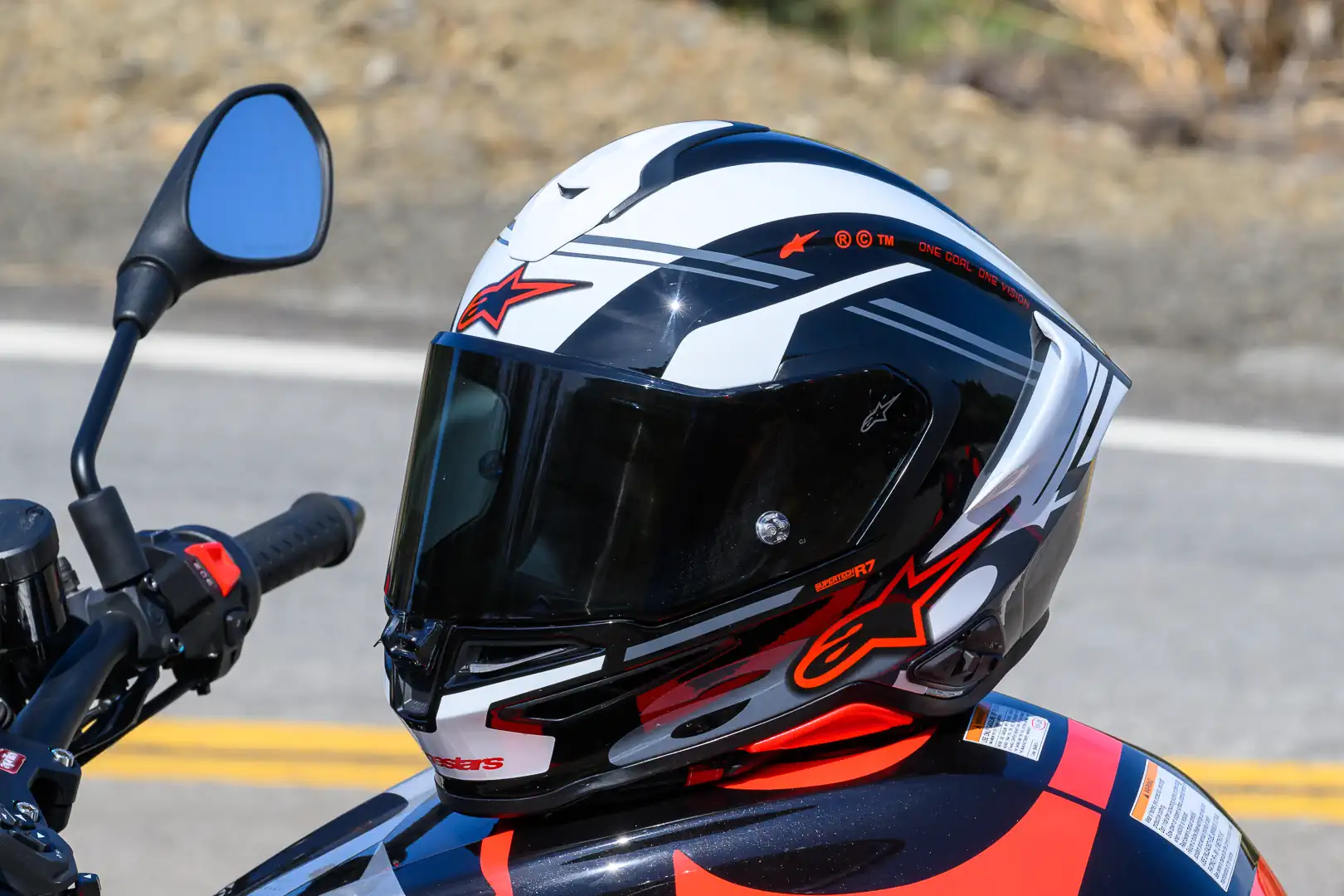
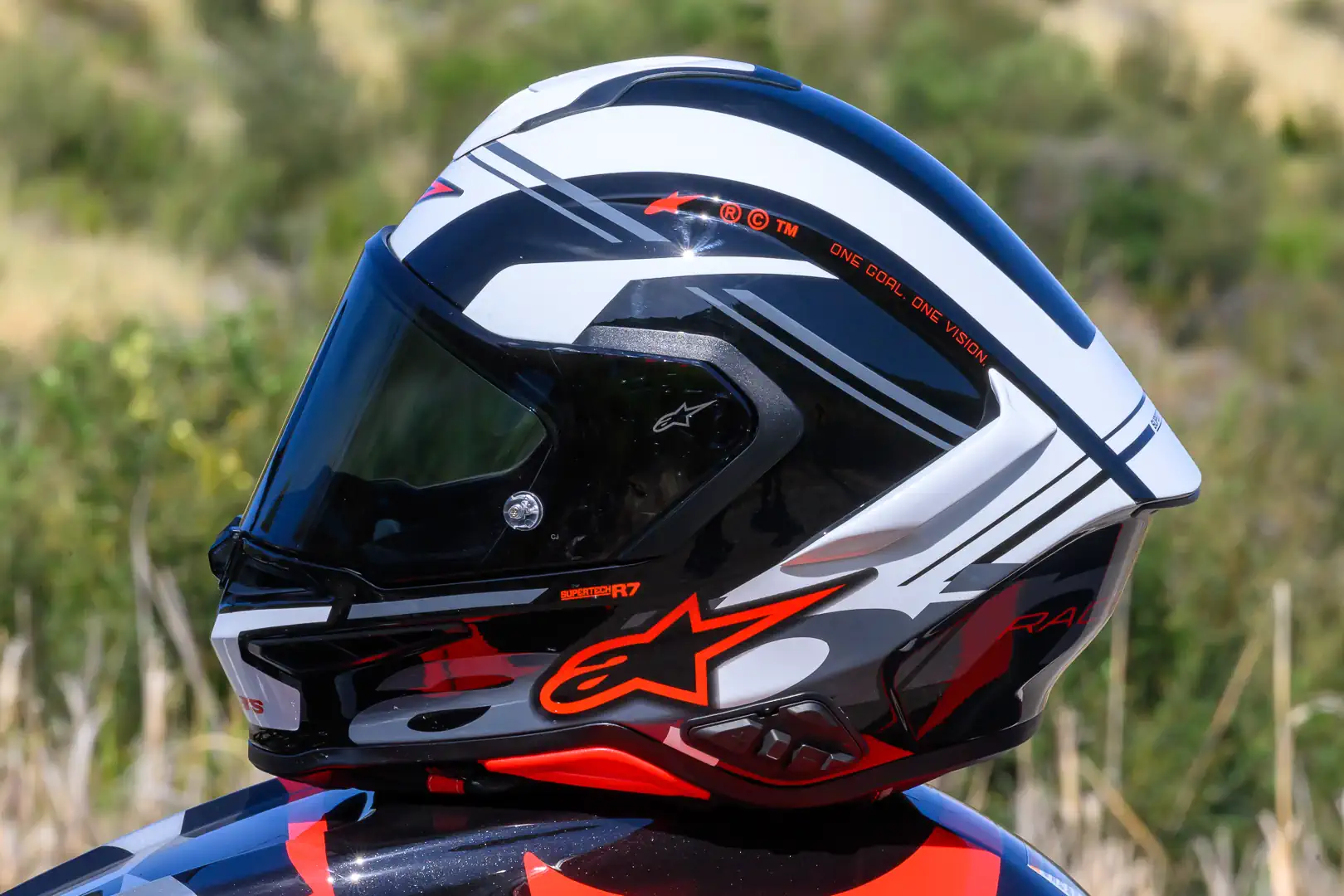
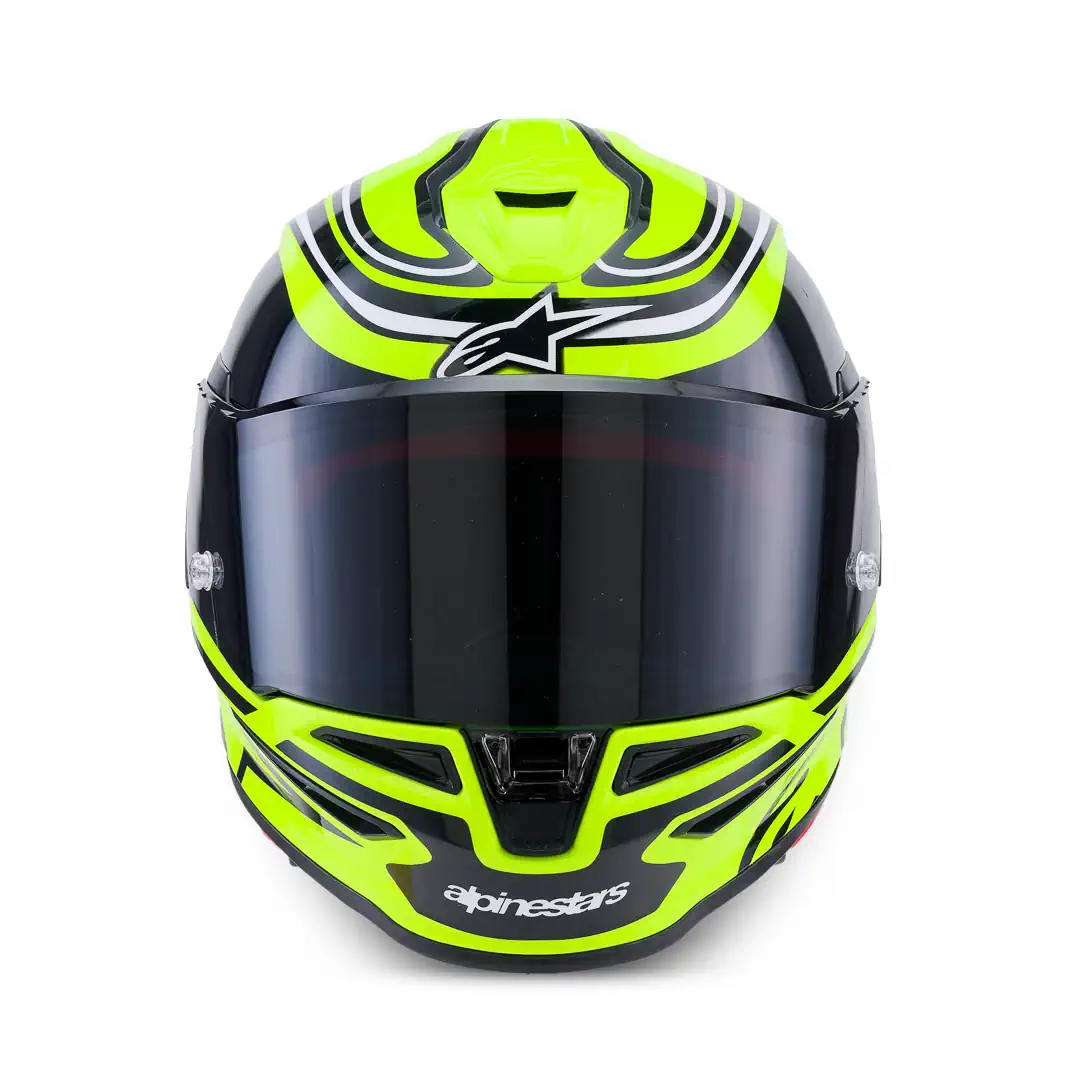
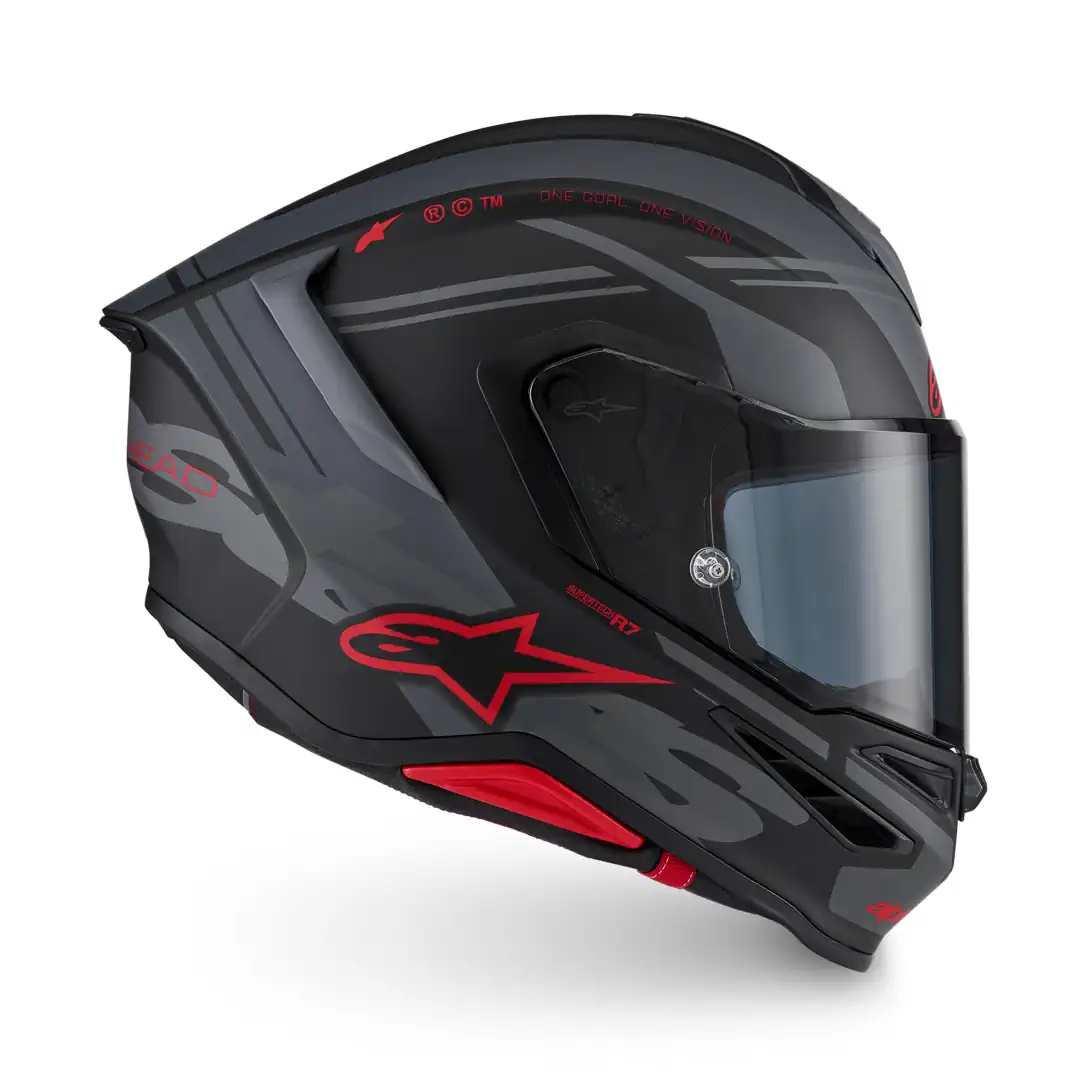
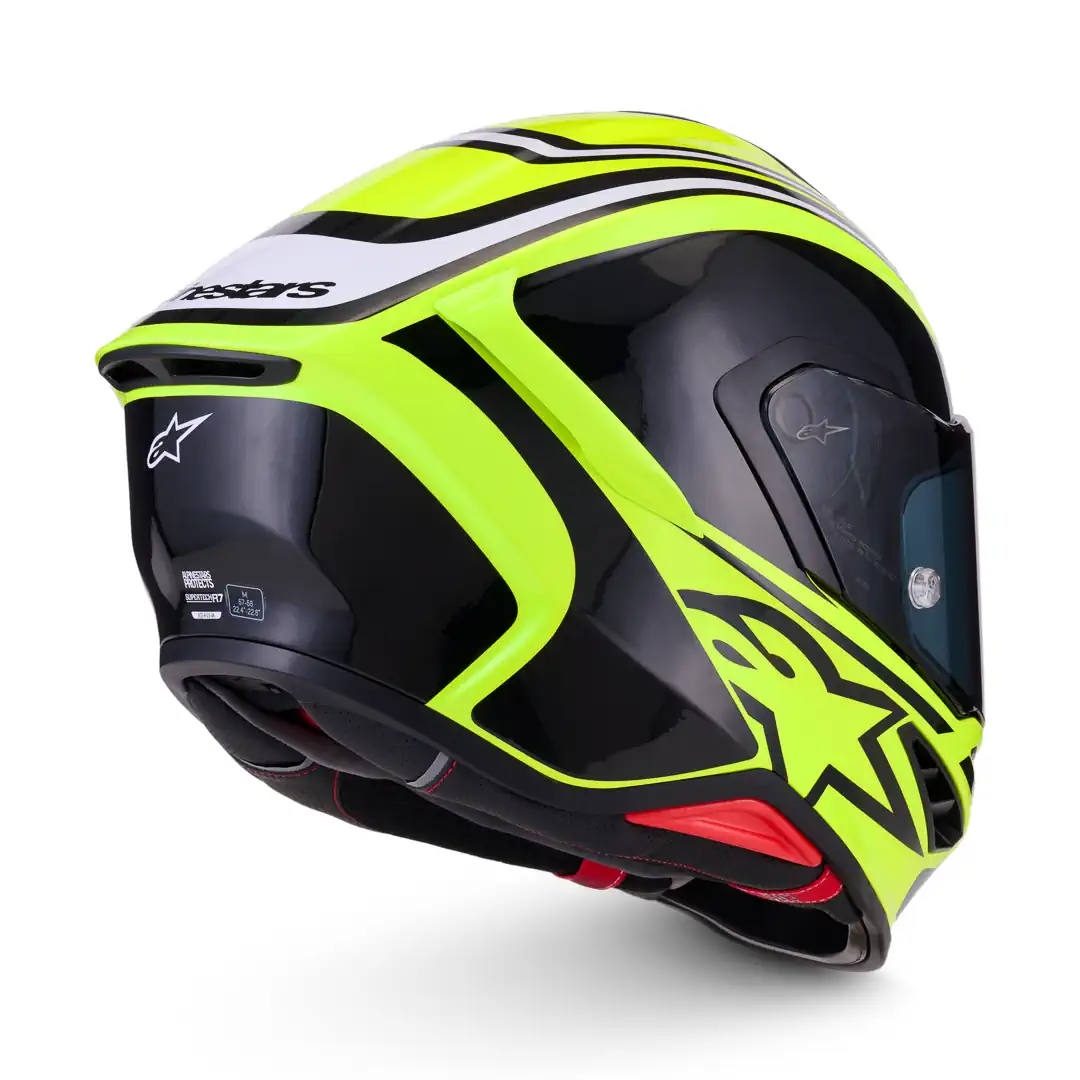
While the R7 draws heavily from the brand’s flagship R10, both stylistically and aerodynamically, we’ll notice that its rear spoiler and chin bar aren’t as elongated, further signaling the R7’s street-aimed positioning. Still, the R7 is composed and planted at speed thanks to its sleek R10-influenced winglet, spoiler, and face-shield vortex generator designs.
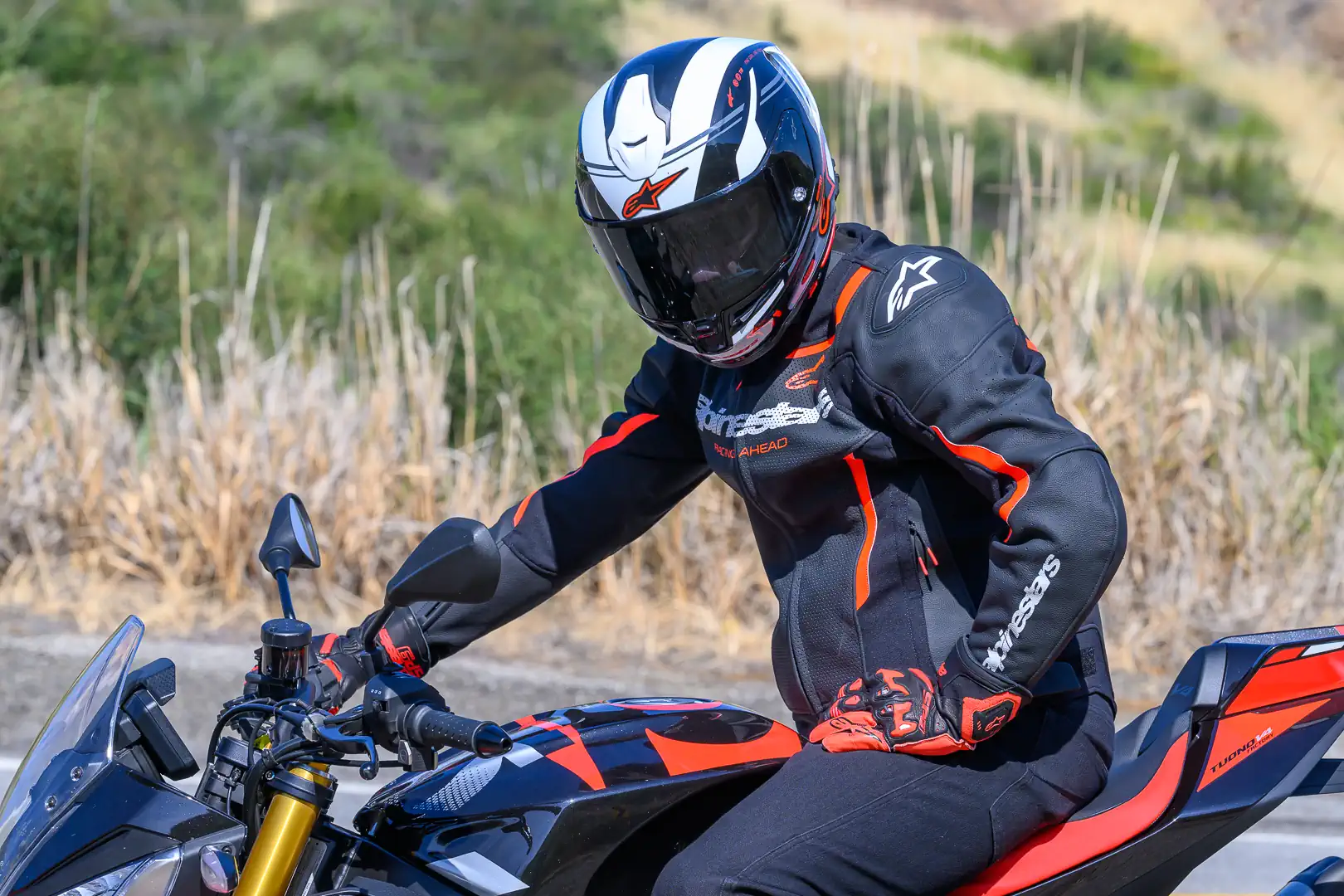
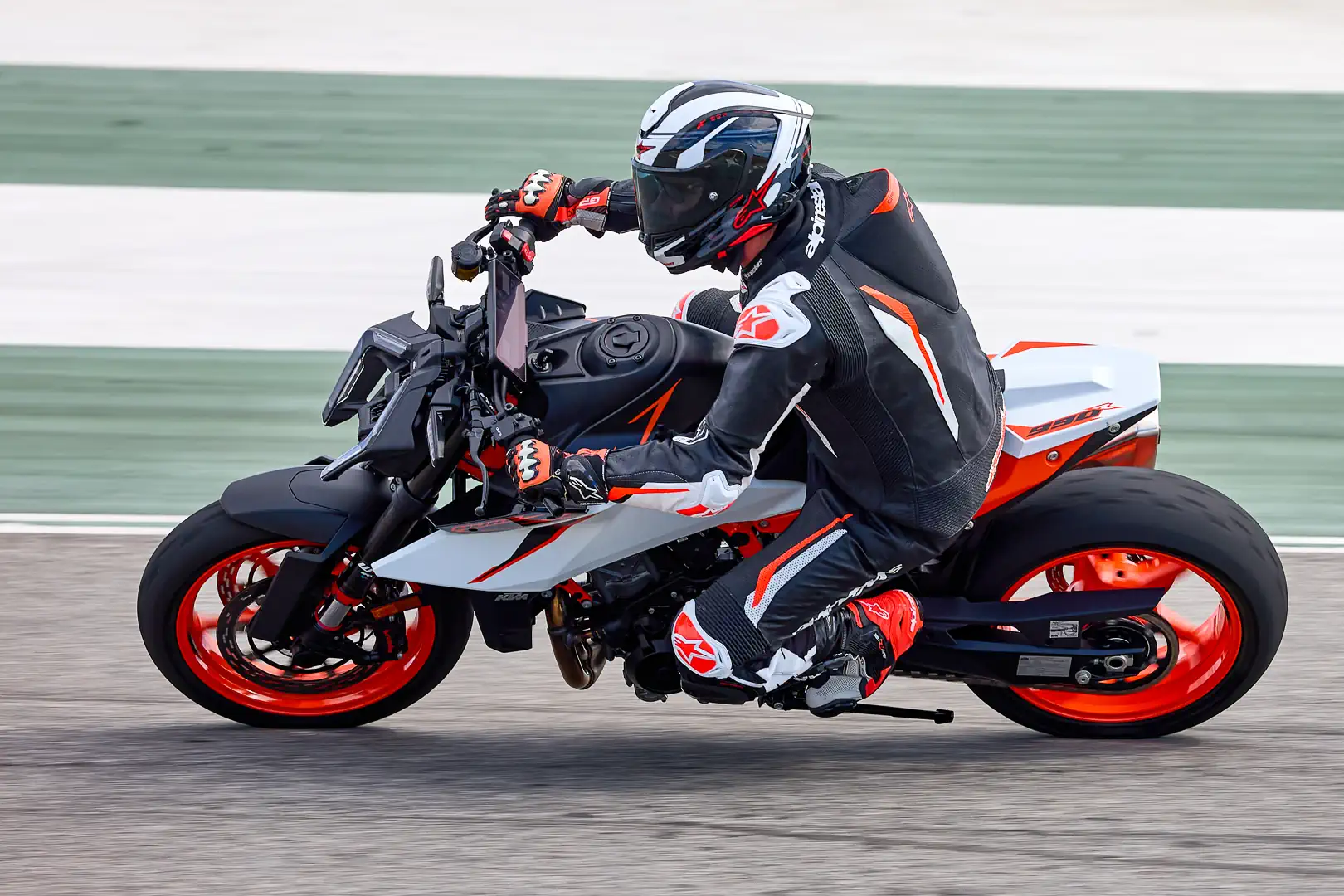
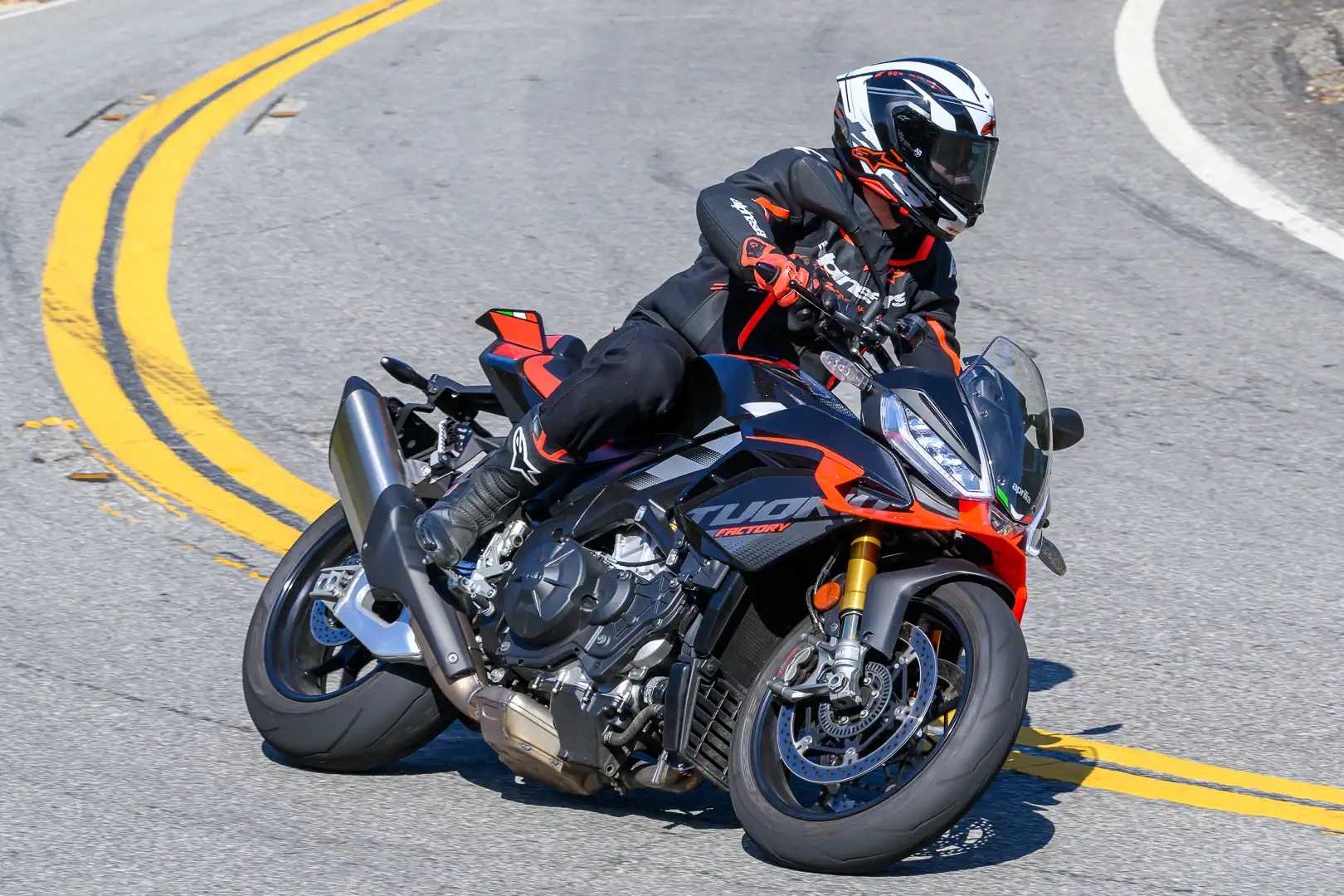
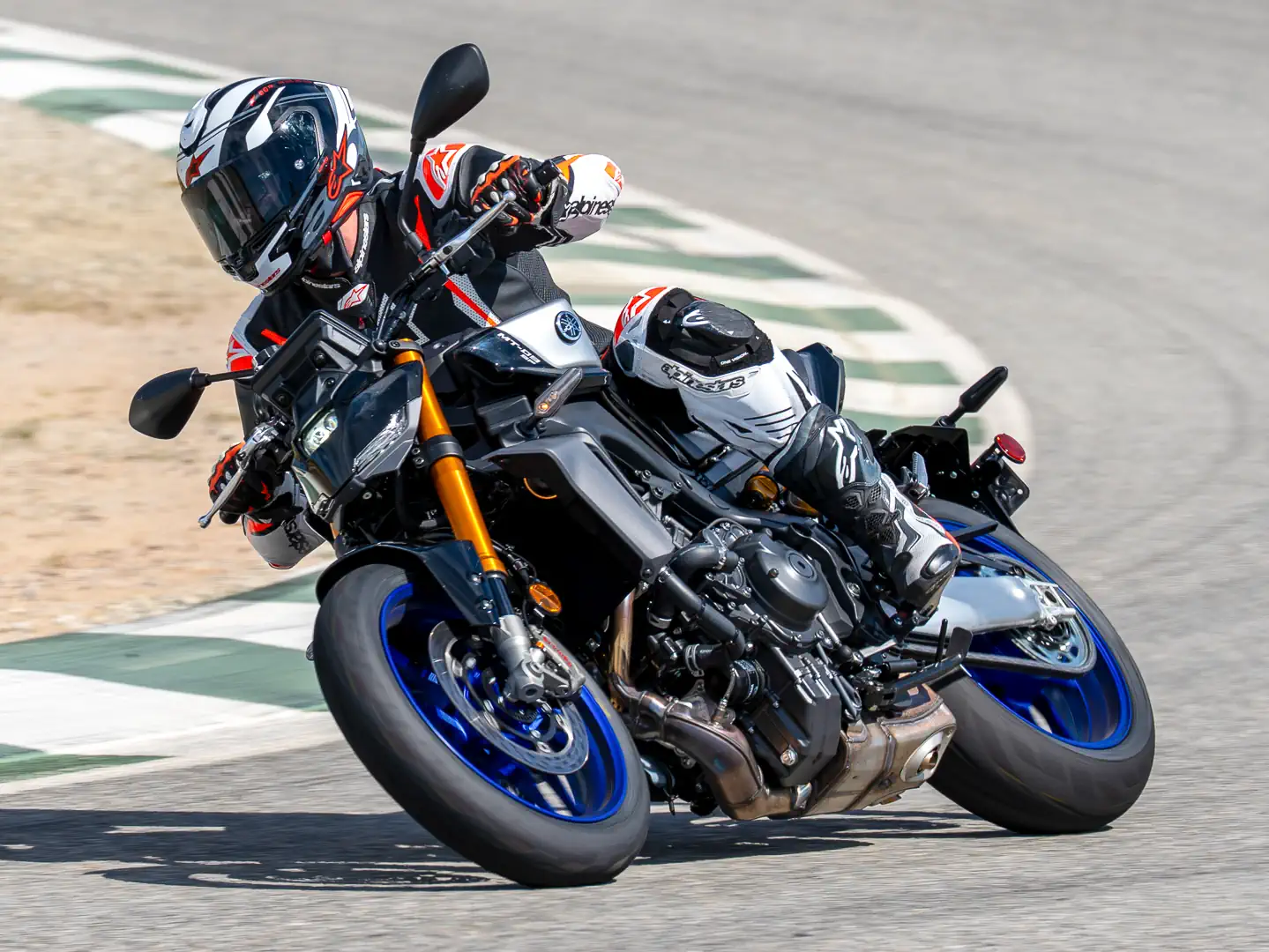
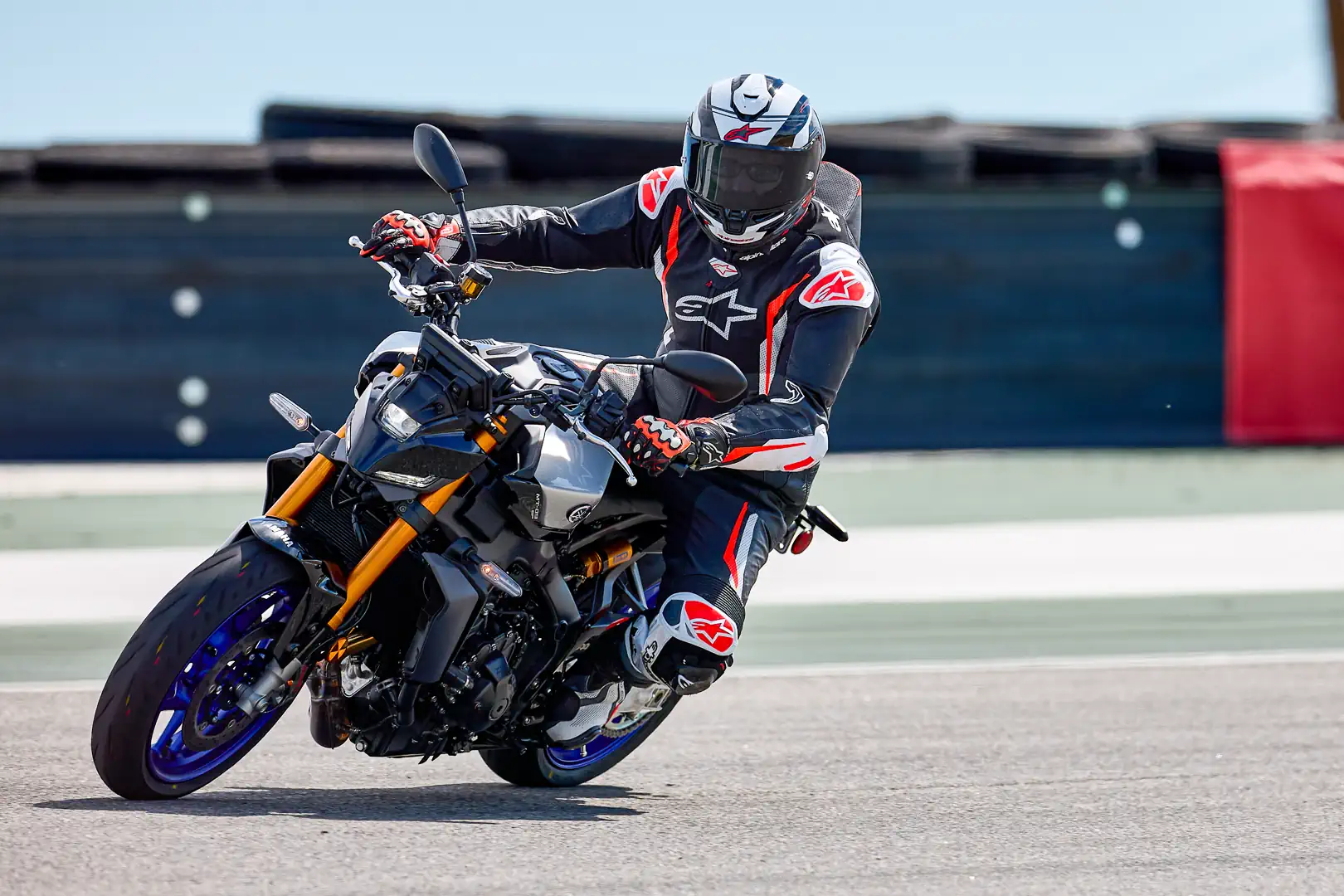
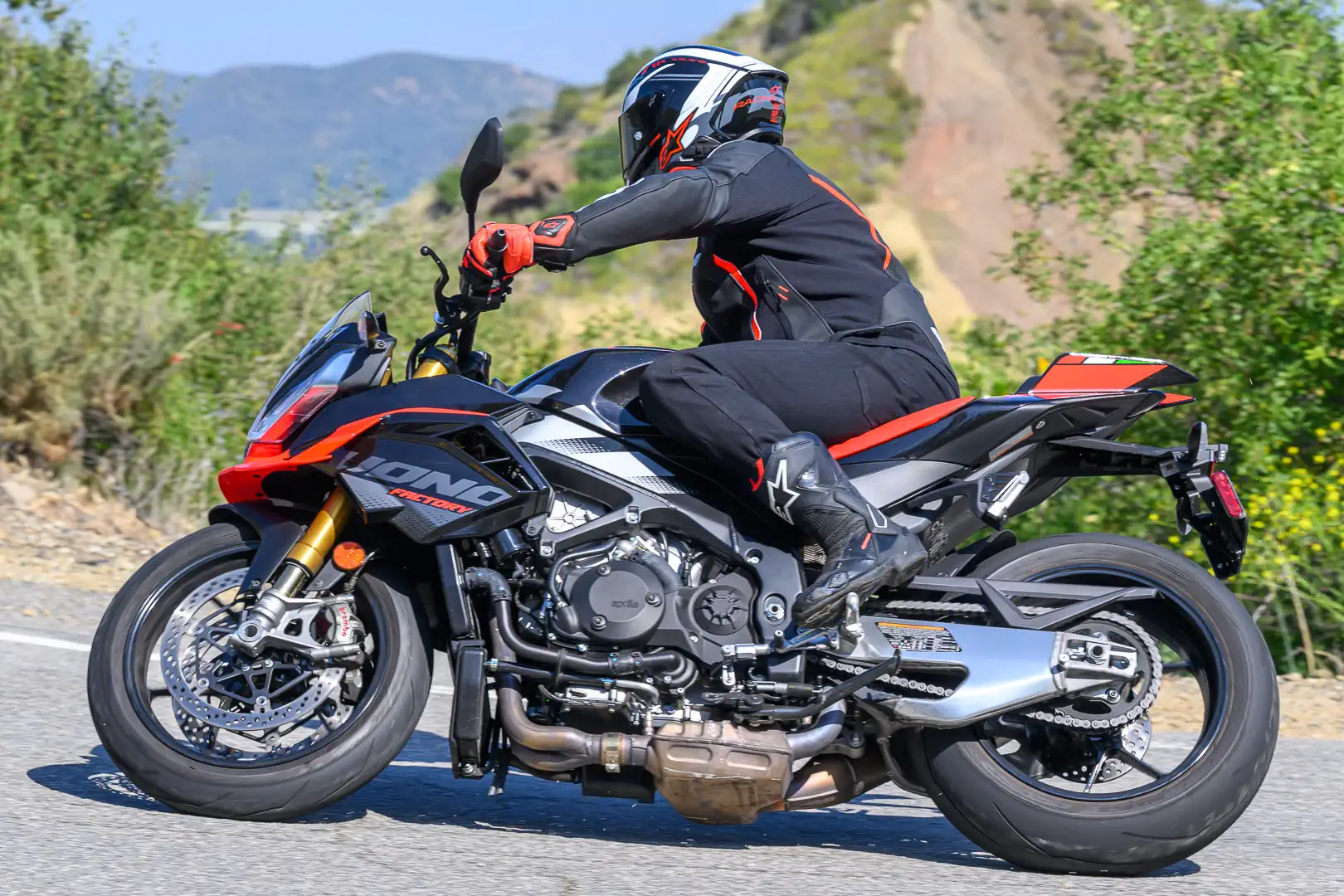
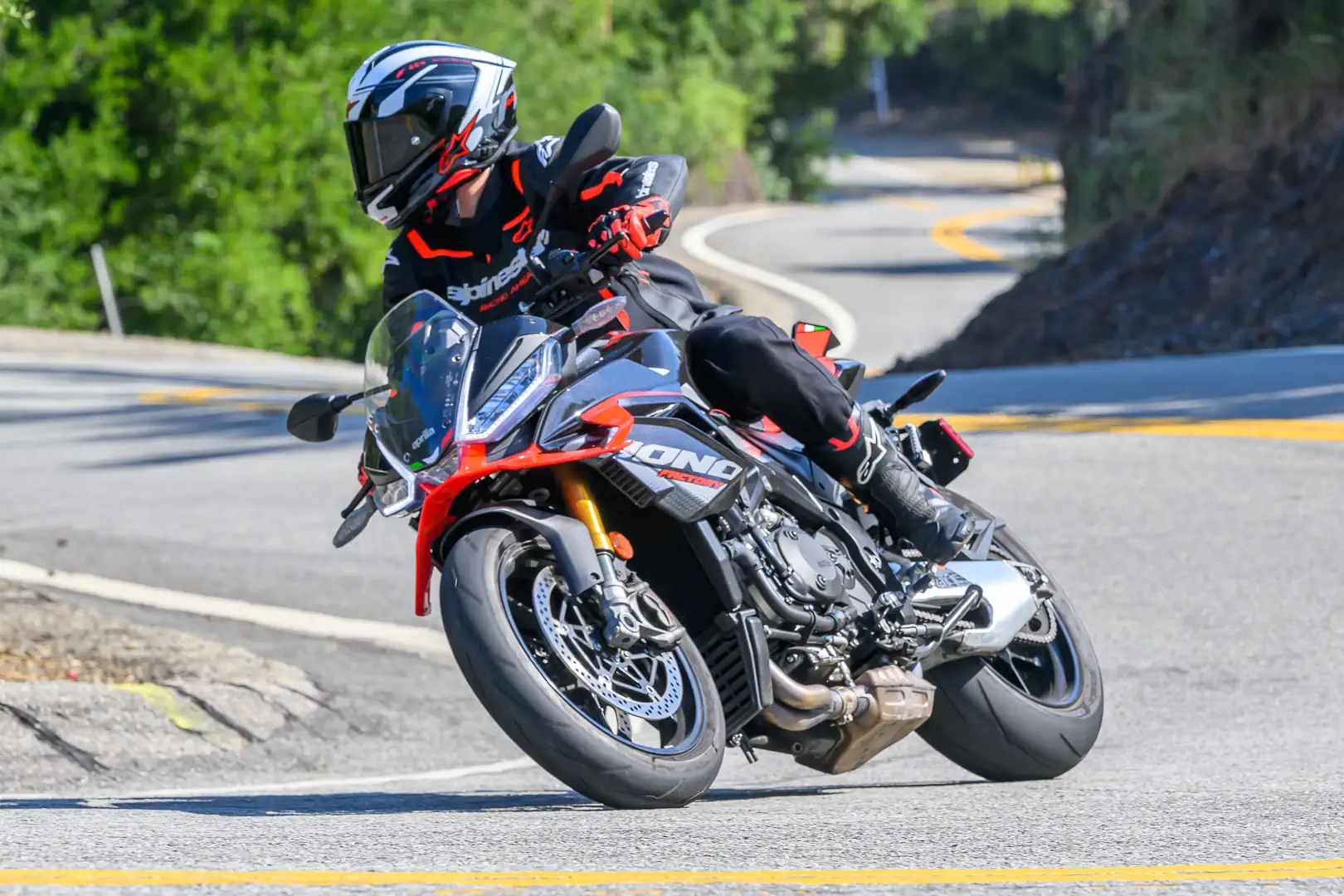
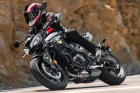
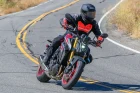
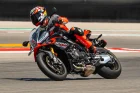
Sitting on the upright, mostly naked Aprilia Tuono V4 Factory at normal road speeds, there is no notable buffeting or instability. Shoulder checks aren’t met with excessive wind resistance. While the angular R10 sibling stands proud as one of the most aerodynamically sound helmets on the market, closely followed by the equally race-oriented Shoei X-Fifteen, the R7 is no slouch, either. It avoids the lifting sensations you might experience at speed with the egg-like Arai Contour-X when charging down the high-speed front straight at Streets of Willow on the fully nude KTM 990 Duke R.
Noise levels are also kept much lower than carbon helmets, which bodes well for those who use communications devices, as quiet helps with clarity. Still, as with any motorcycle helmet, we recommend using earplugs.
Three outer shell sizes are paired with four different seven-piece multi-density EPS liners, creating six different helmet sizes ranging from XS through 2XL. Head shape is intermediate oval, aligning with most of the North American helmet market.
The EPS surface carries Alpinestars’ proprietary low-friction coating, a slip plane designed to reduce rotational acceleration during oblique impacts. Essentially, it’s the Italian firm’s answer to what many readers might recognize as Mips (Multi-directional Impact Protection System). Alpinestars says the R7 beats the ECE 22.06 peak linear acceleration threshold by 50 percent and the rotational standard by 80 percent.
As sporting as this lid is, it considers creature comforts. The shell opening is also intentionally wider than the race-fit R10, making the R7 considerably easier to pull on and off. It’s still sportingly snug, but a notable consideration for daily riders.
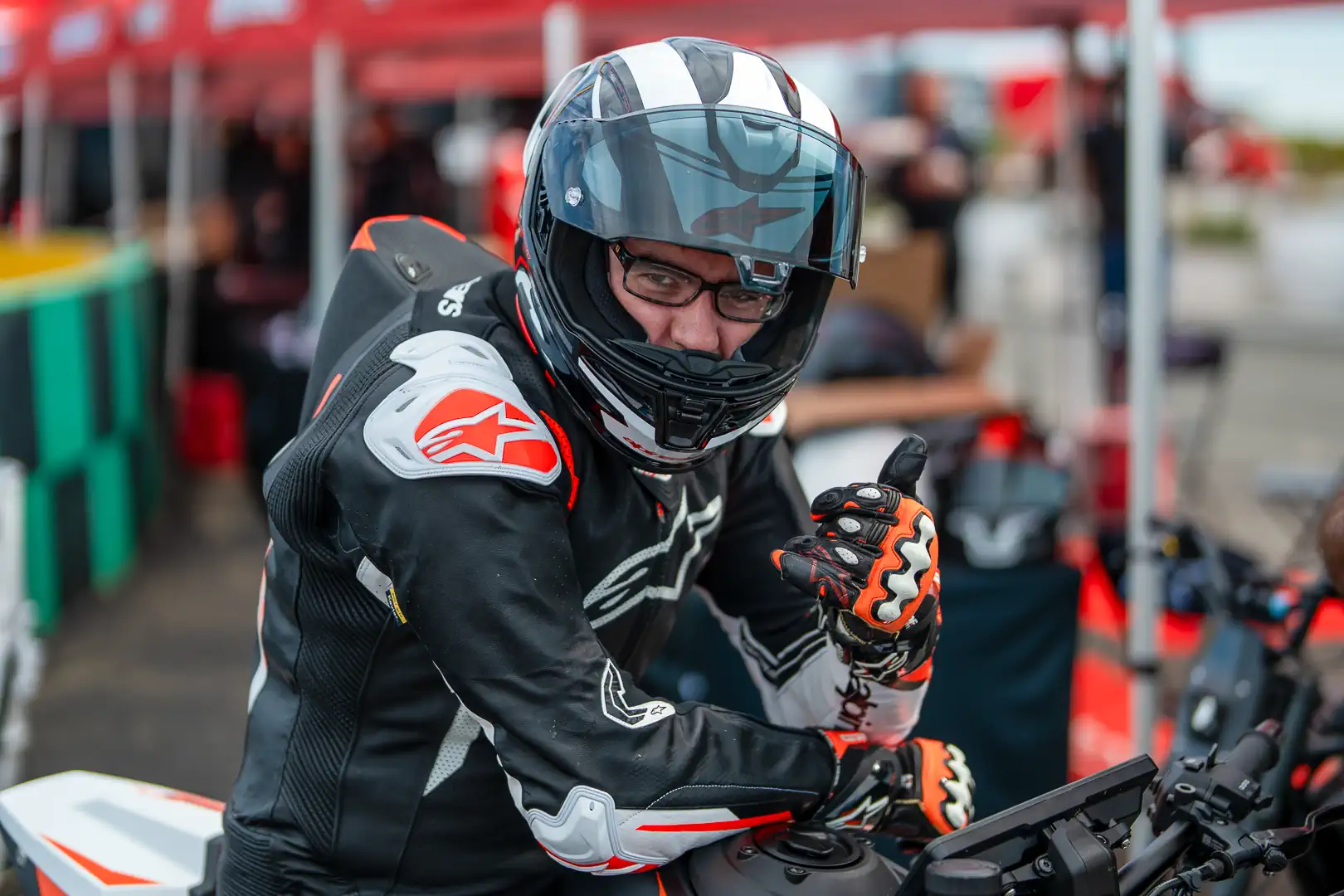
On that note, those who wear glasses or shades while riding will want to use frames with thinner arms, as there are no cutouts in the padding or EPS liner for eyewear. Glasses will fit, though it requires some experimentation to find the right spot.
A recessed collarbone relief area is built into the lid and features integrated Nucleon Plasma armor, designed to absorb shock and protect our collarbones in a crash. Following that up, there’s an Emergency Release System for the interior pads.
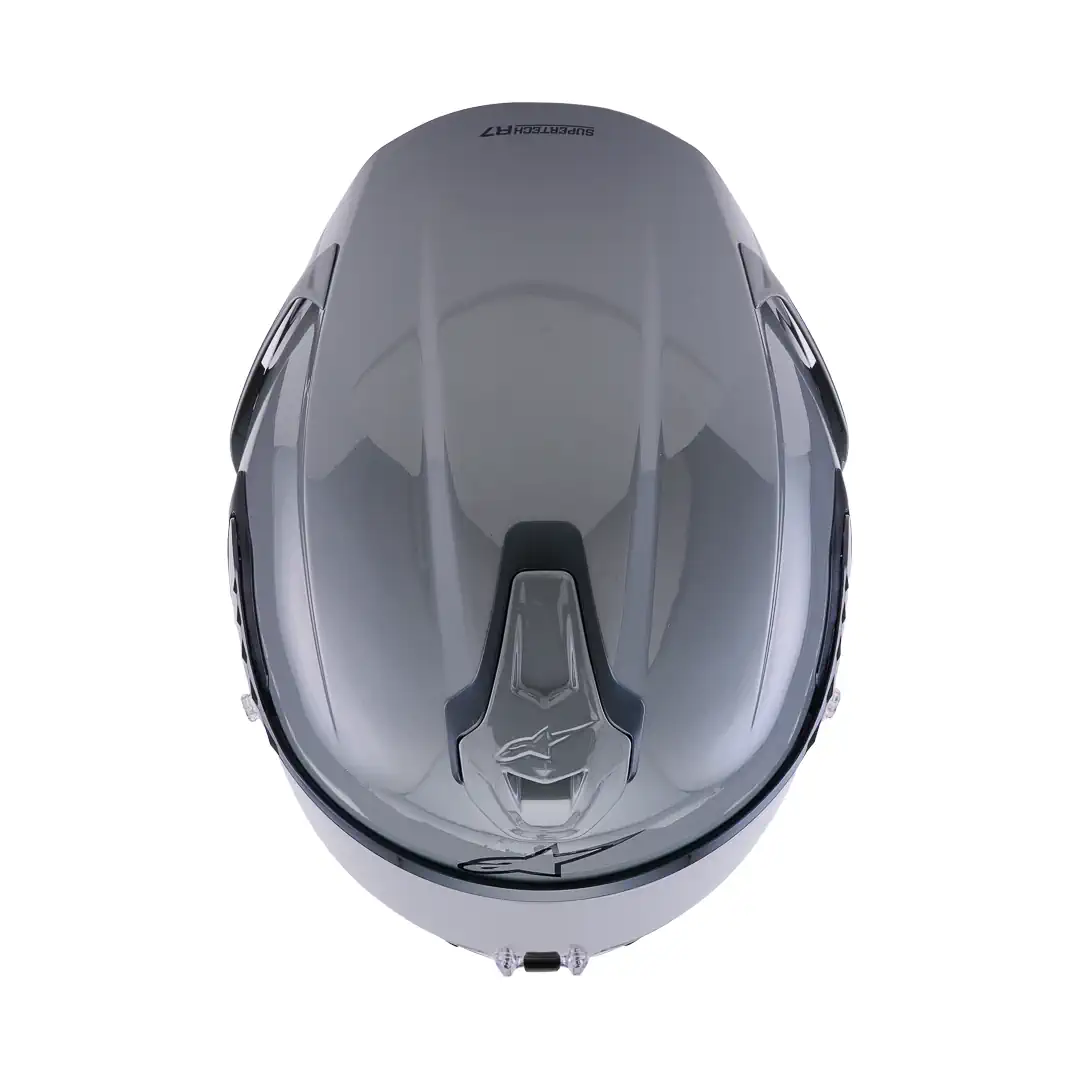
There is noticeable positive ventilation thanks to 10 ports: six adjustable intakes and four always-open exhausts. Three intake vents sit in the chin bar, and three more across the top of the helmet. The three top vents are controlled by a single sizable mechanism that is easy to operate with a gloved hand. The smaller chin vents are a little trickier to manipulate, though still usable. The final chin vent requires removing a rubber plug tucked below the faceshield locking mechanism. This is something you should decide on before riding, as it’s a fiddly little thing that can easily be misplaced.
Fit, Interior, and the A-Head System
The interior uses removable, washable, antimicrobial linings with 3D-foam cheek pads that feel plush against the skin. While it is not quite as luxurious as an Arai or Shoei, the R7 is far more adjustable in stock form. For that, we’ll dig into the highly customizable A-Head System.
A-Head is a patented Alpinestars system consisting of a micro-adjustable pad connected directly to the inner EPS liner. It adjusts on two axes: the height at which the helmet sits on your head and the angle (forward-backward tilt), allowing owners to take full advantage of the massive eyeport, which features cutouts in your peripheral vision for improved visibility. Setting the helmet to its steepest angle is handy at the racetrack when tucked in on conventional sportbikes. On the street, resetting it to a more neutral angle improves sightlines when sitting more upright. It takes less than a minute to adjust and can make a tangible difference by potentially relieving neck stress and improving vision.
Alpinestars matches its competitors in fitment, a major factor in overall comfort. A few minutes of experimentation with the A-Head system can yield a perfect fit, which is easier than ordering and physically changing the interior pads. Should you want to change out cheek pads, they are cross-compatible between helmet sizes. Alpinestars also offers different padding thicknesses, specific to your helmet size, if you need to make further adjustments.
The shield is an ECE 22.06 Optical Class 1 unit with integrated tear-off pins and compatibility with the Pinlock 120XLT Max Vision anti-fog lens, which ships in the box. More brands are opting for a centrally located chin bar locking mechanism, and the Supertech R7 adopts the same nifty hook-style latch launched with the R10. The tool-less quick-release mechanism works well for faceshield swaps in the paddock. Alpinestars offers faceshields in every color in the rainbow, and they’re also compatible with the R10.
Alpinestars A-Connect In Brief
The R7 is engineered from the outset to accept the $550 Alpinestars A-Connect communication system, developed by Sena Technologies and based on its flagship Sena 60S communicator. The internal speaker pockets and routing channels are pre-cut into the cheek pad foam, leaving us with a sleek, properly fitting helmet that doesn’t create pressure points from added hardware. The result is a clean, fully integrated setup rather than using a bulky exterior-mounted clamp-on communication device.
The A-Connect runs Sena’s Mesh Intercom 3.0 with a claimed range of 1.2 miles and support for an unlimited number of riders in Open Mesh mode, plus Wave Intercom, which uses cellular connectivity for communication over unlimited distances. The unit handles automatic transitions between the two protocols when signal quality fluctuates. Audio is delivered through 40mm Harman Kardon speakers, utilizing highly effective noise-canceling software. Sound quality is good, and conversations are clearly heard even when using earplugs.
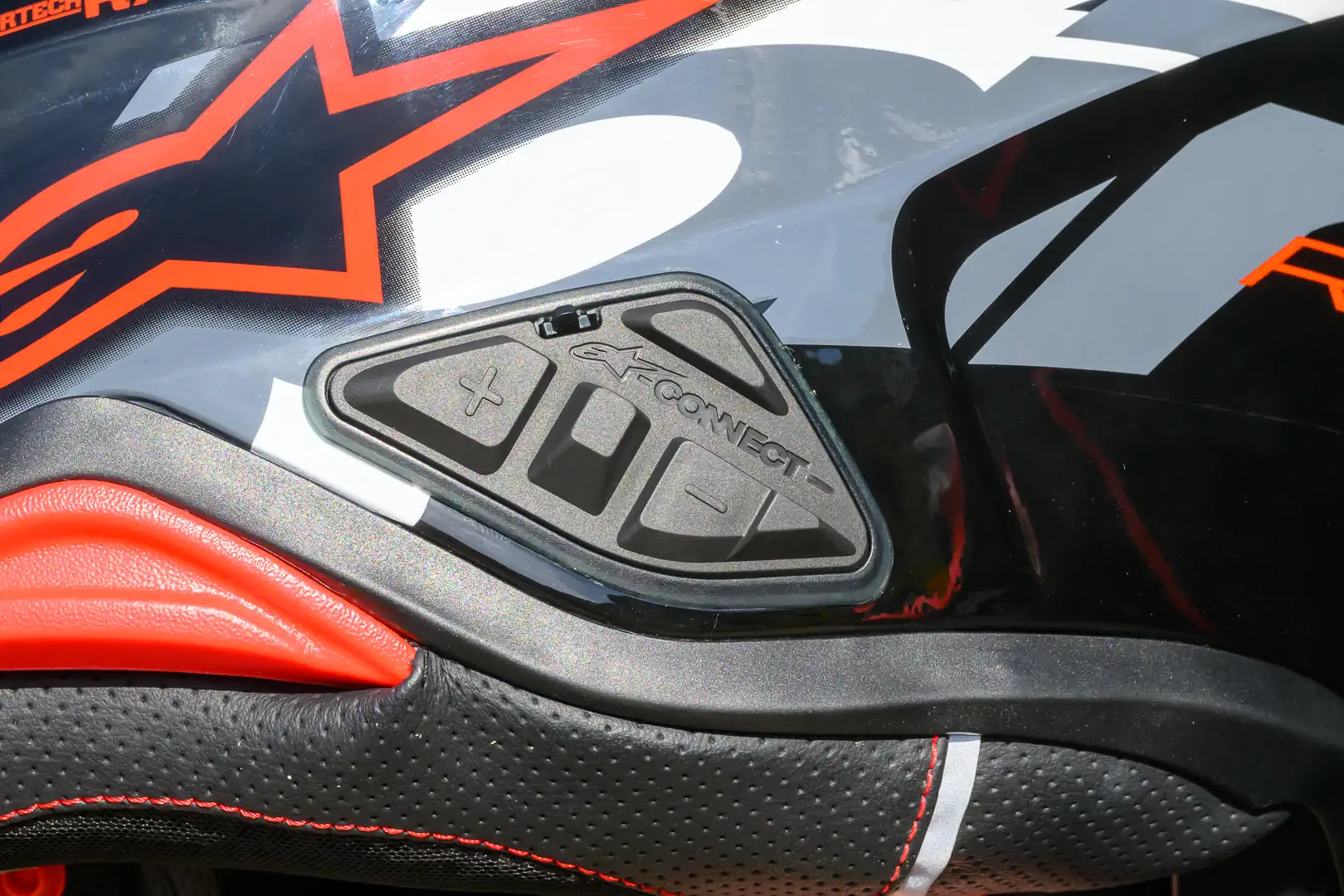
A-Connect’s functionality mirrors that of a Sena 60S. However, the Alpinestars system uses a proprietary four-button layout located toward the rear of the helmet, located behind the collarbone armor sections. Riders can also use voice commands for calls, music, and navigation. In practice, the rearward button location is a bit of a stretch and takes some getting used to, but owners will develop muscle memory.
Unlike the Sena 60S, the A-Connect system has a feature that yours truly appreciates: auto on/off. The unit automatically powers down after being stationary for two hours. As someone who unintentionally leaves his comm devices on for days at a time, I find this feature convenient. Battery life is rated at up to 17 hours of Mesh intercom talk time. A 1.5-hour quick charge returns the S-R7’s battery from flat to full and uses a standard USB-C cable.
Wrapping It Up
The race-proven Supertech R10 laid the foundation for the Supertech R7, repurposing its genuine MotoGP-earned development for a sport-minded street rider. Slippery aerodynamics contribute to the S-R7’s inherent stability, while it takes comfort up a notch over the race-focused R10. At Streets of Willow and on California backroads, it performed without complaint.
The aerodynamics are the real standout: low drag, great balance, and stability make it a wise choice when riding at a good clip. Combine those attributes with low noise, and it’s a helmet that welcomes long hours in the saddle. The A-Head system delivers on its promise of a customizable fit, and the A-Connect integration is a welcome addition for those who want a communicator without compromising the helmet’s clean exterior. At $680 for a solid colorway and $750 for graphics, the Alpinestars Supertech R7 offers considerable versatility at a price likely to attract a lot of riders.
Hello and welcome again to the Motos and Friends Podcast. This episode is brought to you by Leod Escapes.
* * * * *
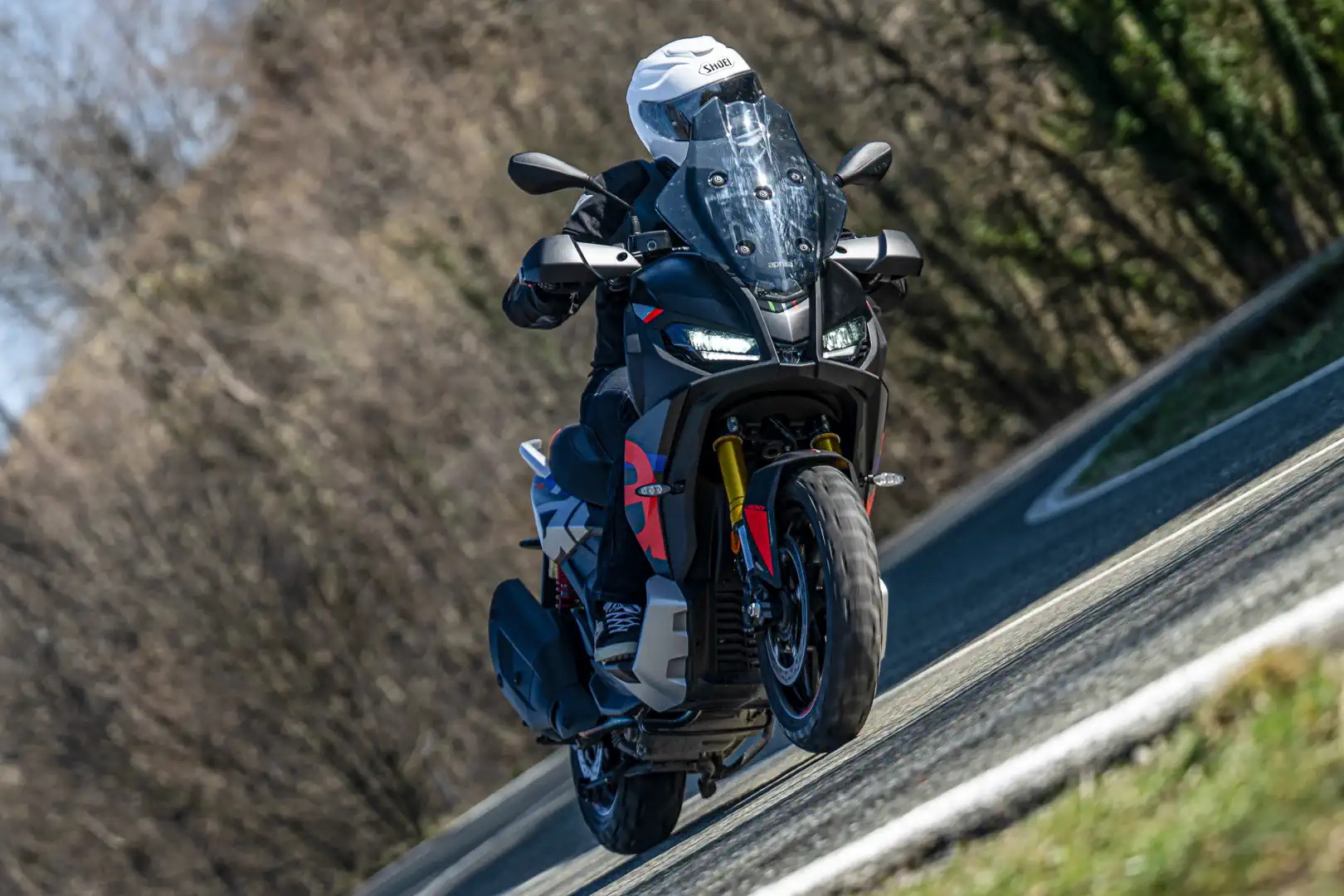
Aprilia is bringing a scooter to North America, and it’s one designed to appeal to adventure motorcyclists. The SR GT 400 is a mid-size scooter built around a steel motorcycle-style frame, a 399cc single, and off-road-ready hardware. It reaches US dealers as soon as this month. Don Williams and Kelly Callan spent some time riding the Aprilia and were surprised by what they discovered. Is this a real motorcycle or just a good-looking urban scooter?
* * * * *
Cat McLeod is founder and owner of Leod Escapes, the ultimate tour company for sport-minded motorcycle riders. Cat talks to us this segment about some of his amazing European experiences and tours that include of course, riding some amazing MotoGP tracks on new BMW S1000RRs. If you like what you hear, now is the time to book your trip of a lifetime, so visit LeodEscapes.com to find out more.
* * * * *
Our guest this episode is Terry Vance, the multiple Motorcycle and Motorsports Hall-of-Famer. Terry is of course the former professional motorcycle drag racer, team owner, and co-founder of the high-performance parts company Vance & Hines. Teejay Adams chats with Terry about his incredible career that includes being the first rider to hit 200 mph in the standing quarter-mile.
Having won this year’s MotoAmerica Mission King of the Baggers championship with Hayden Gillim riding the Vance & Hines factory Indian Challenger, and with Harley-Davidson’s recent withdrawal, Terry gives us his thoughts on where the series might go from here.
* * * * *
Here’s quick reminder to check out our monthly digital magazine. It’s filled with everything you want to read on motorcycling, including some things you’ve probably not seen elsewhere. It’s absolutely free and you will find it on the Apple App Store and of course on Google Play as well.
Don’t forget to leave us your comments on our social media—we’re on all the usual platforms at Ultimate Motorcycling. We love hearing your feedback… so good or bad, please let us know what you think. If there’s something you’d like us to cover, we’d love to hear those ideas too!
We use cookies and browser activity on this website
Functional
Always active
The technical storage or access is strictly necessary for the legitimate purpose of enabling the use of a specific service explicitly requested by the subscriber or user, or for the sole purpose of carrying out the transmission of a communication over an electronic communications network.
Preferences
The technical storage or access is necessary for the legitimate purpose of storing preferences that are not requested by the subscriber or user.
Statistics
The technical storage or access that is used exclusively for statistical purposes.The technical storage or access that is used exclusively for anonymous statistical purposes. Without a subpoena, voluntary compliance on the part of your Internet Service Provider, or additional records from a third party, information stored or retrieved for this purpose alone cannot usually be used to identify you.
Marketing
The technical storage or access is required to create user profiles to send advertising, or to track the user on a website or across several websites for similar marketing purposes.
Advertising helps us keep our content available for free, so adjusting your ad blocking settings will help us.
We appreciate your support!
i
How to Allow Ads on This Site
Depending on your setup, ads may be blocked by a browser extension, VPN, antivirus software, or other application. Here are some common ways to allow ads:
Browser Extensions (e.g., Adblock, uBlock, etc.)
Click the extension icon in your browser toolbar.
Look for an option like "Don't run on pages on this site" or "Pause on this site".
Save the change and refresh the page.
VPNs with Ad Blocking (e.g., NordVPN, Proton VPN, etc.)
Open your VPN app.
Go to settings or features.
Disable any ad blocking or tracking protection features.
Refresh the page.
Antivirus Software or Other Privacy Tools
Check for web protection, ad filtering, or browser privacy settings.
Click the power button to disable it for this site.
Refresh the page.
Not sure what's blocking ads? Look for tools with privacy or filtering features, or check your browser extensions. We only use respectful, non-intrusive advertising.