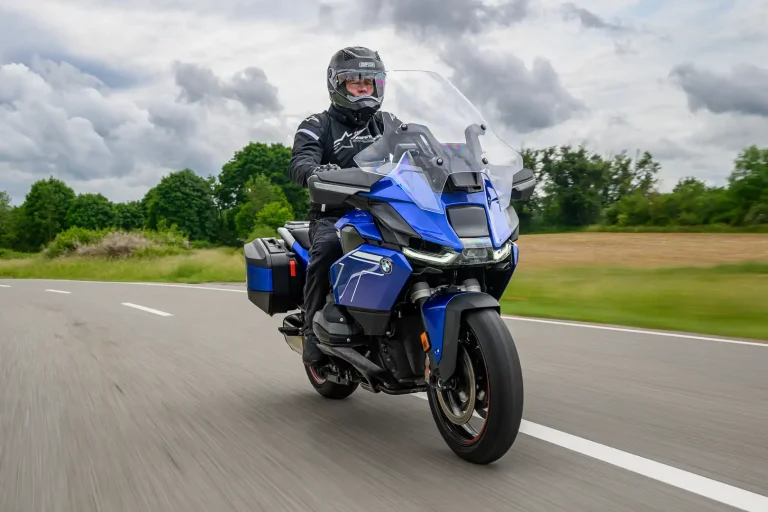
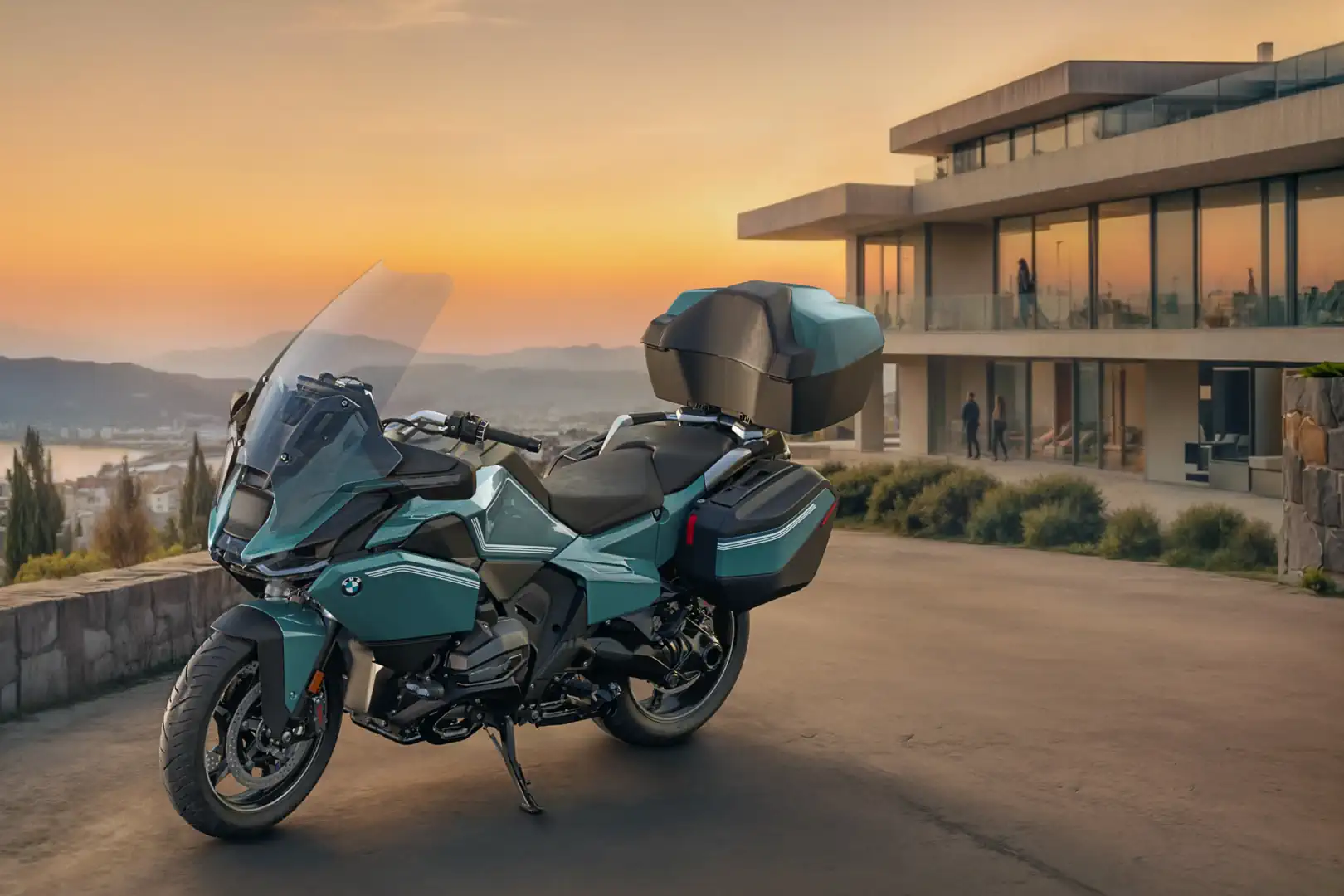
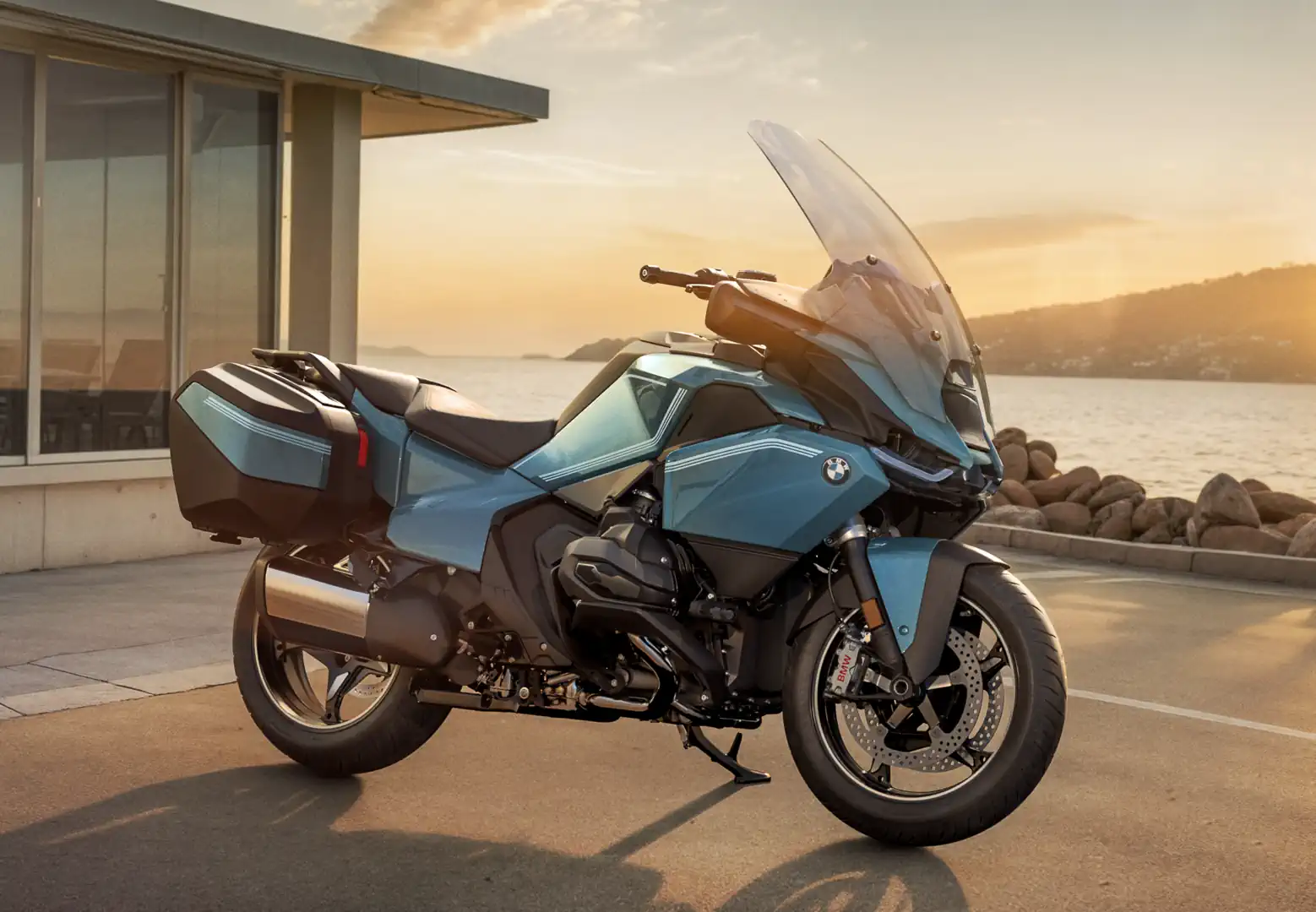
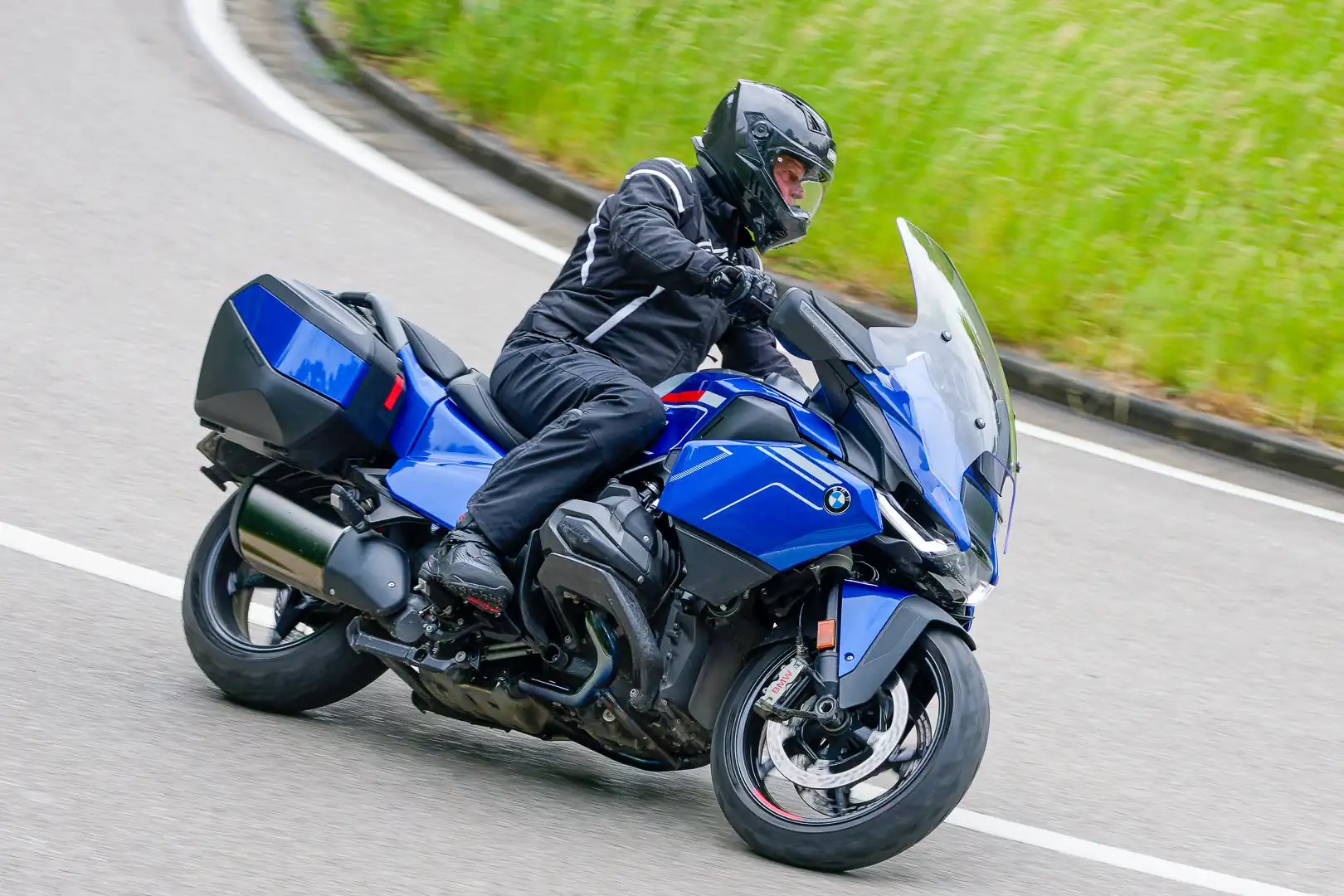
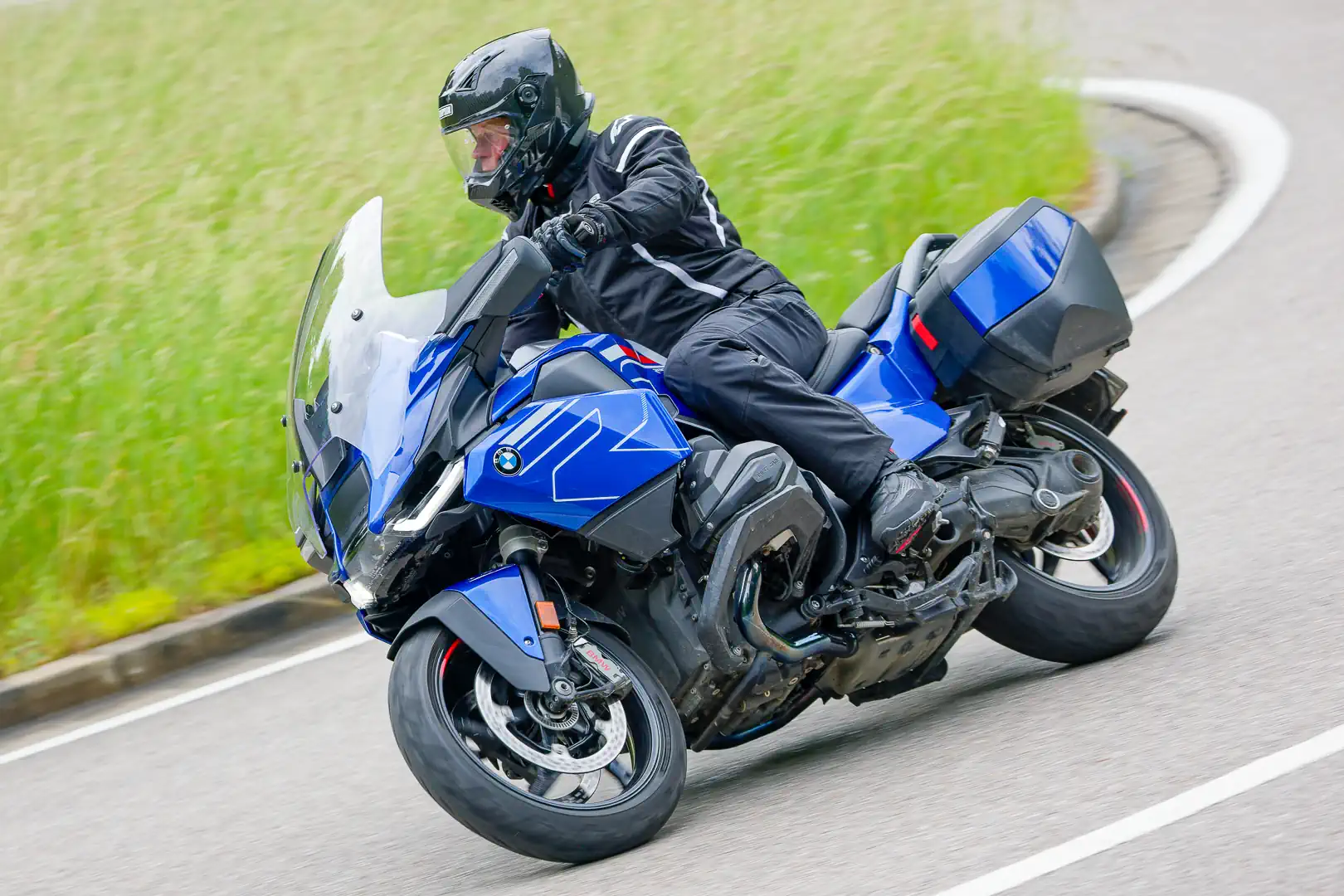
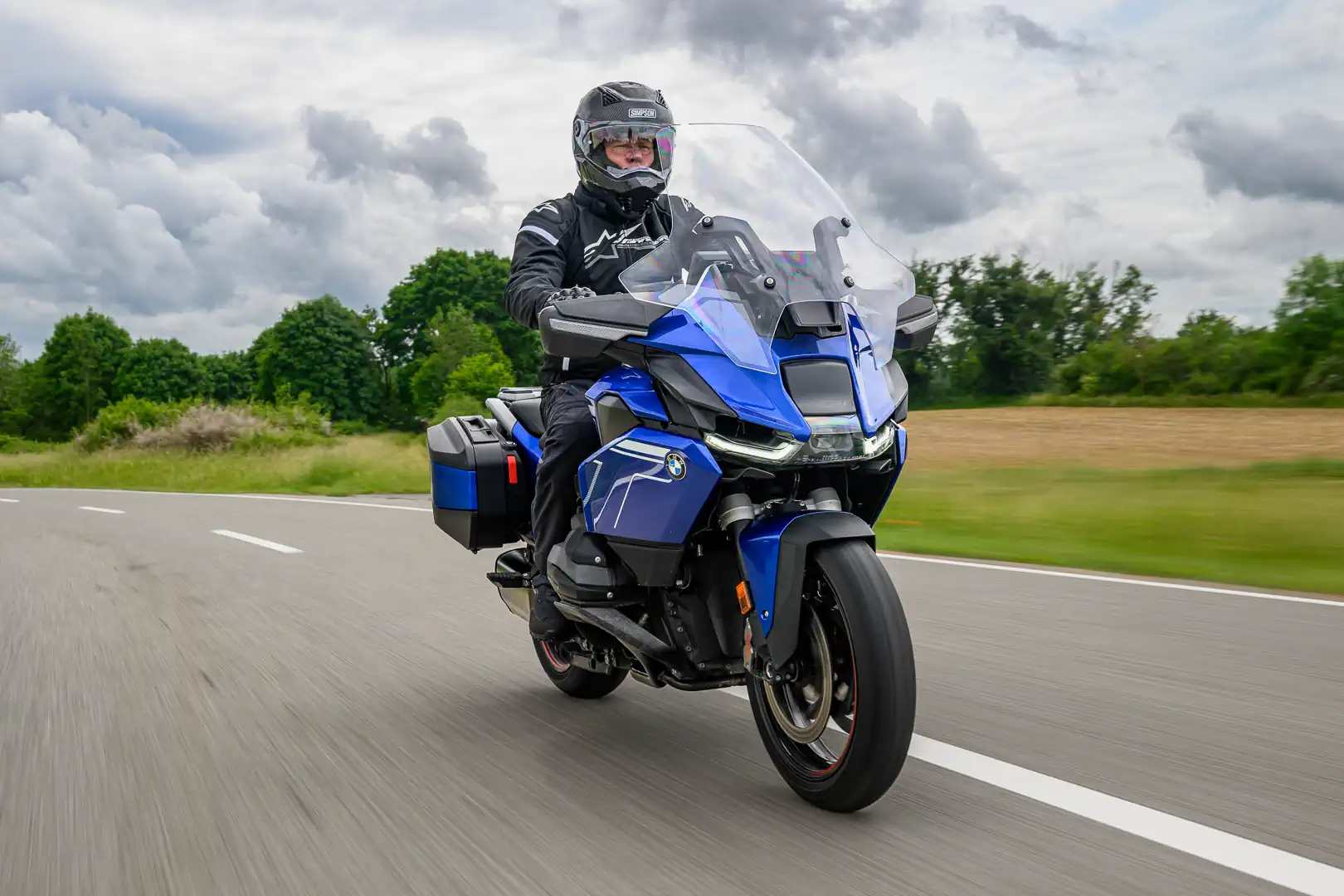
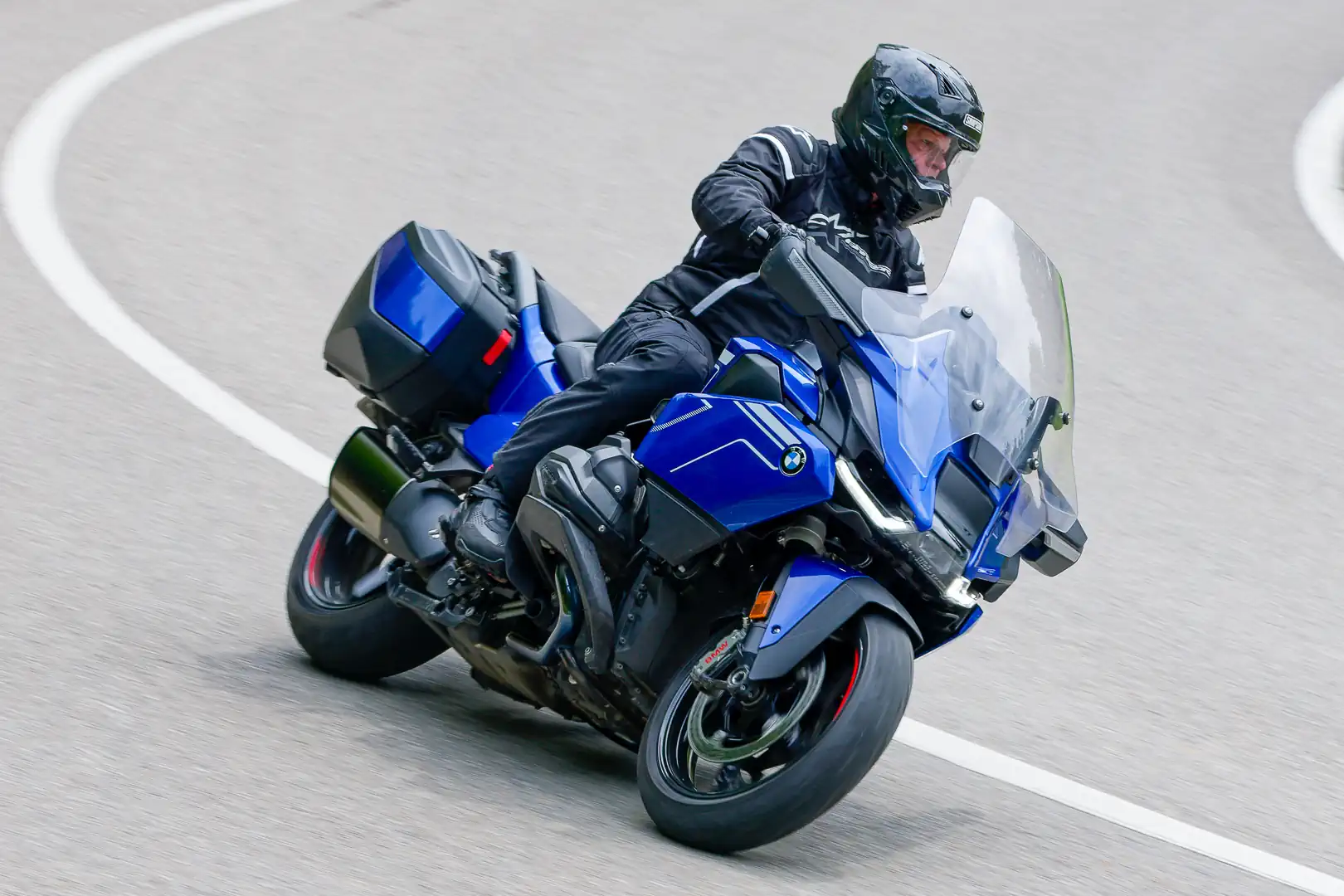
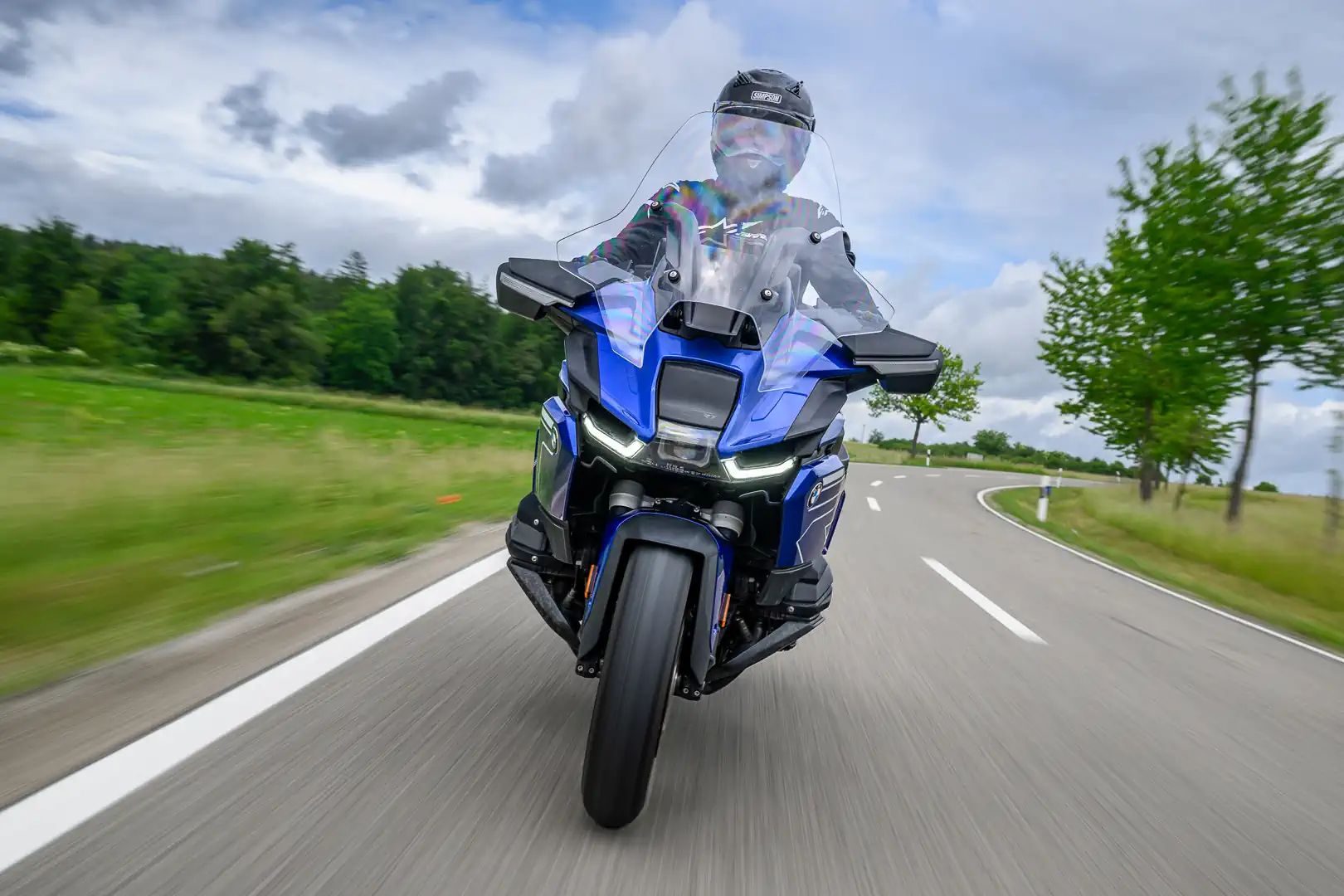
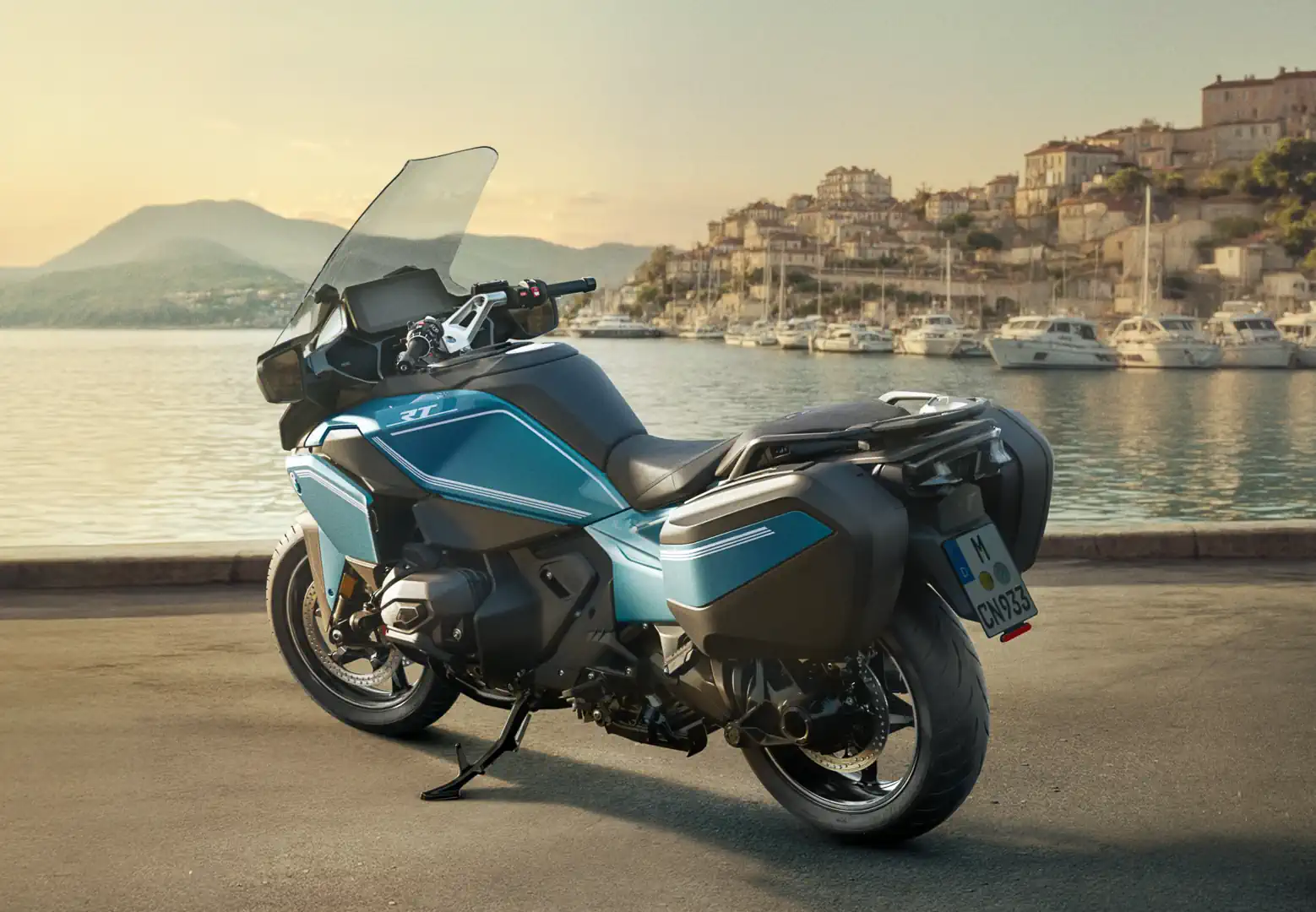
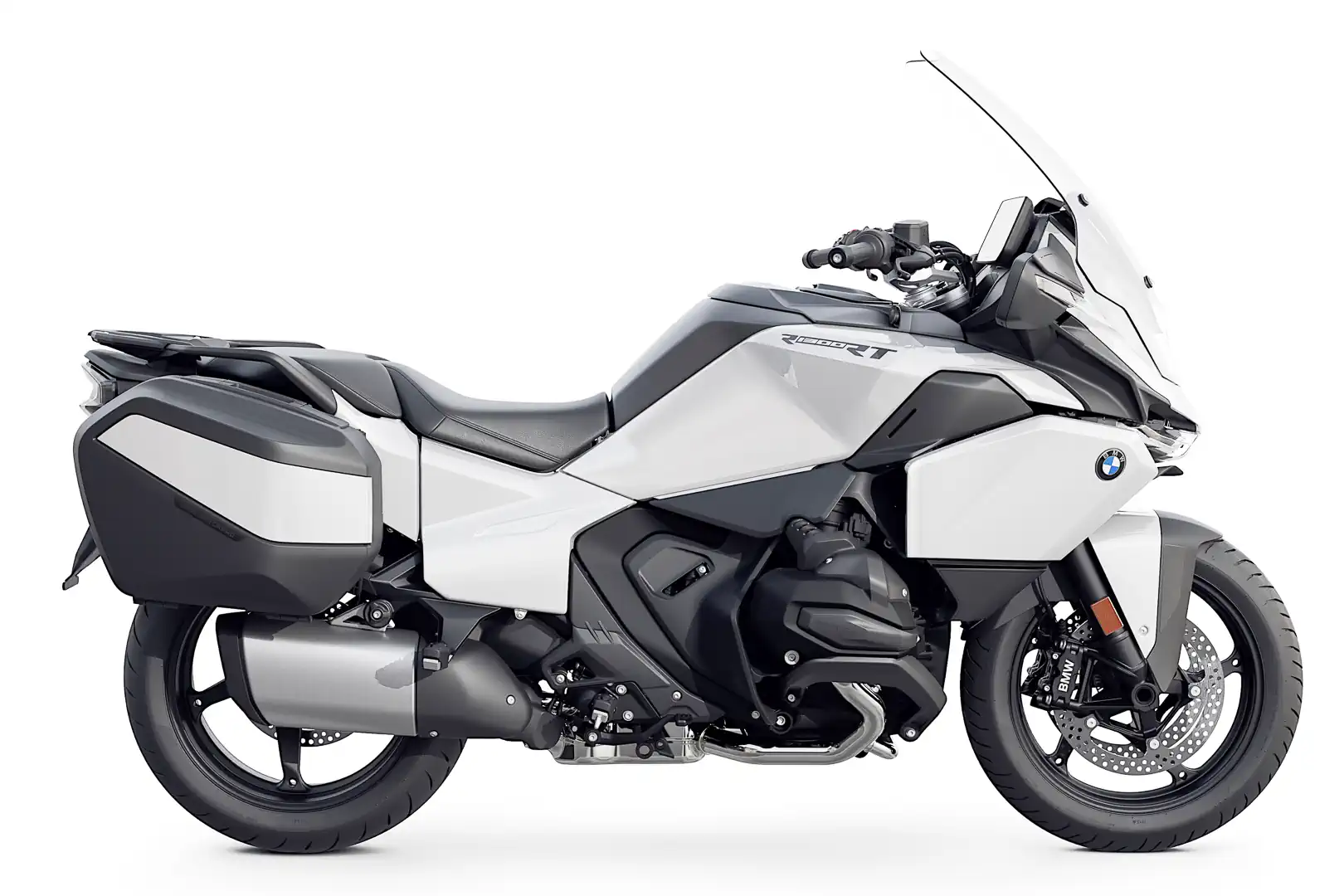
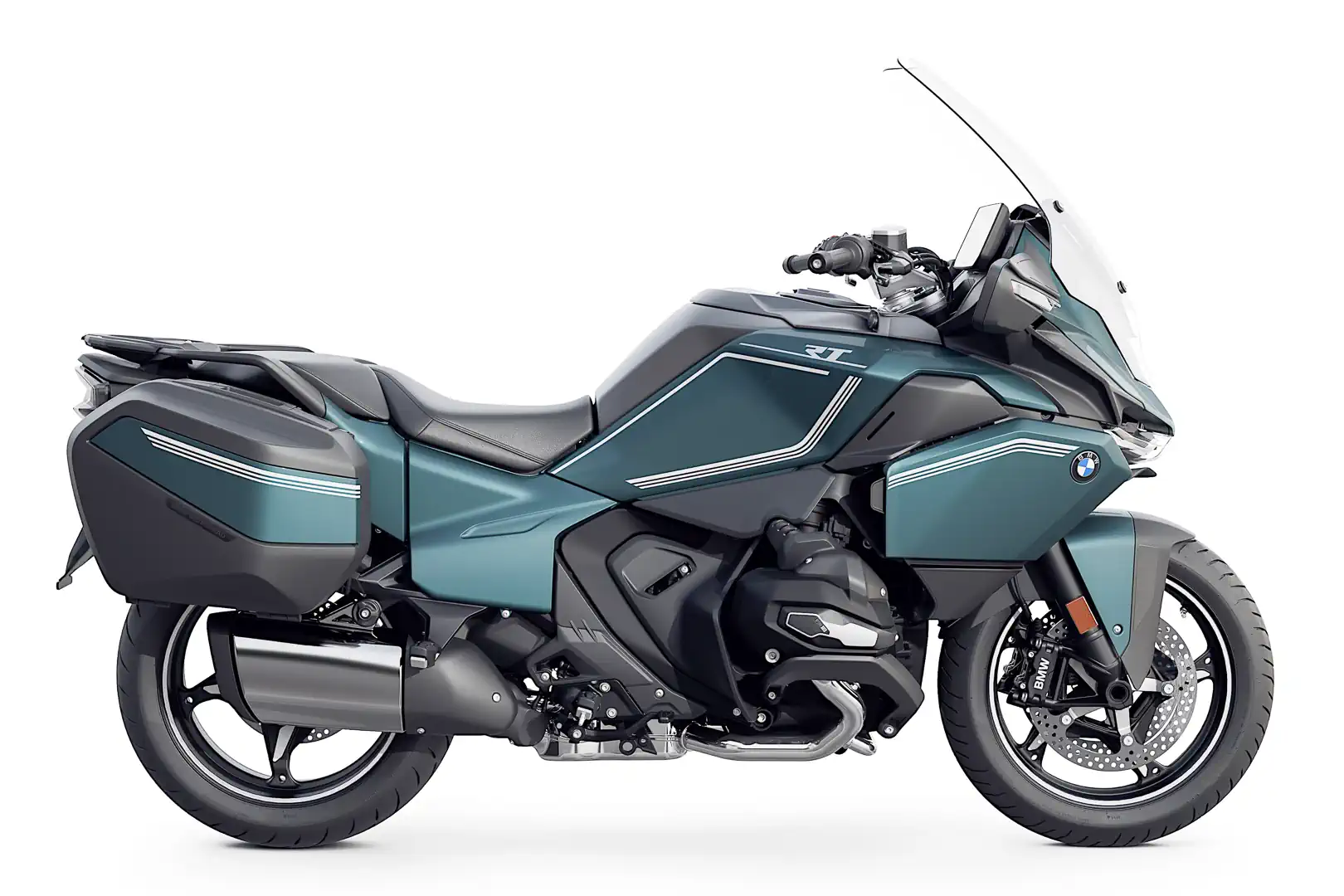
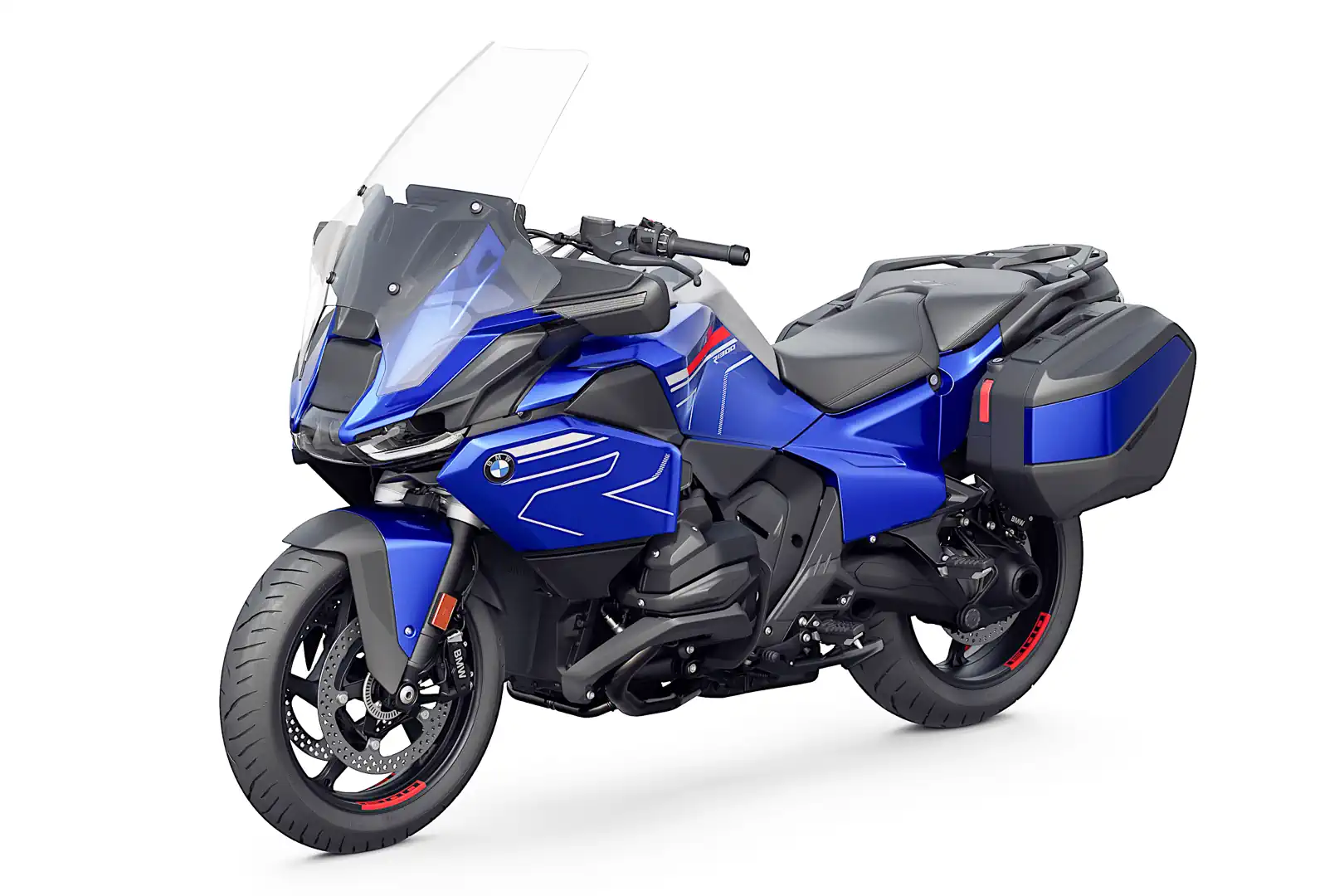
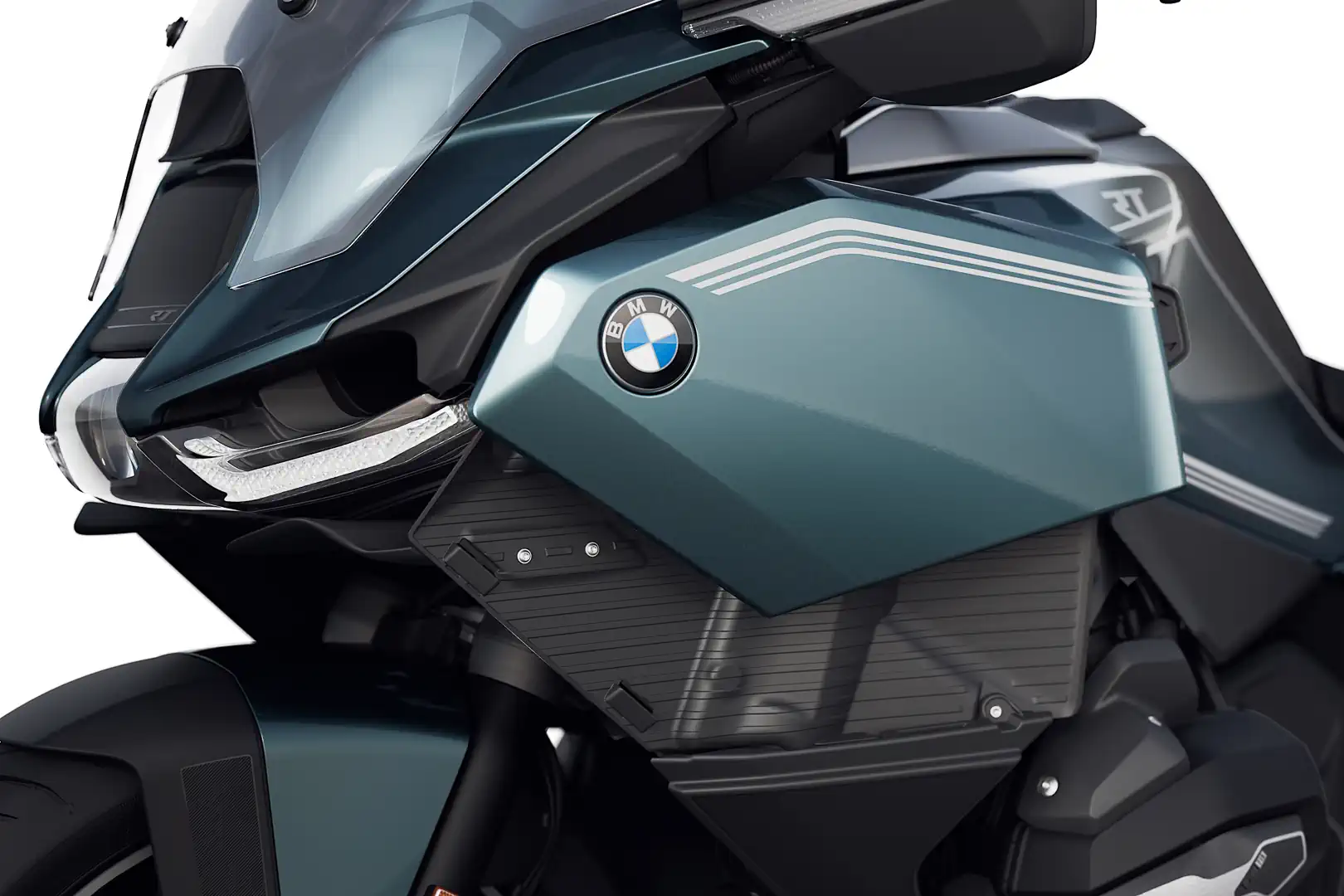
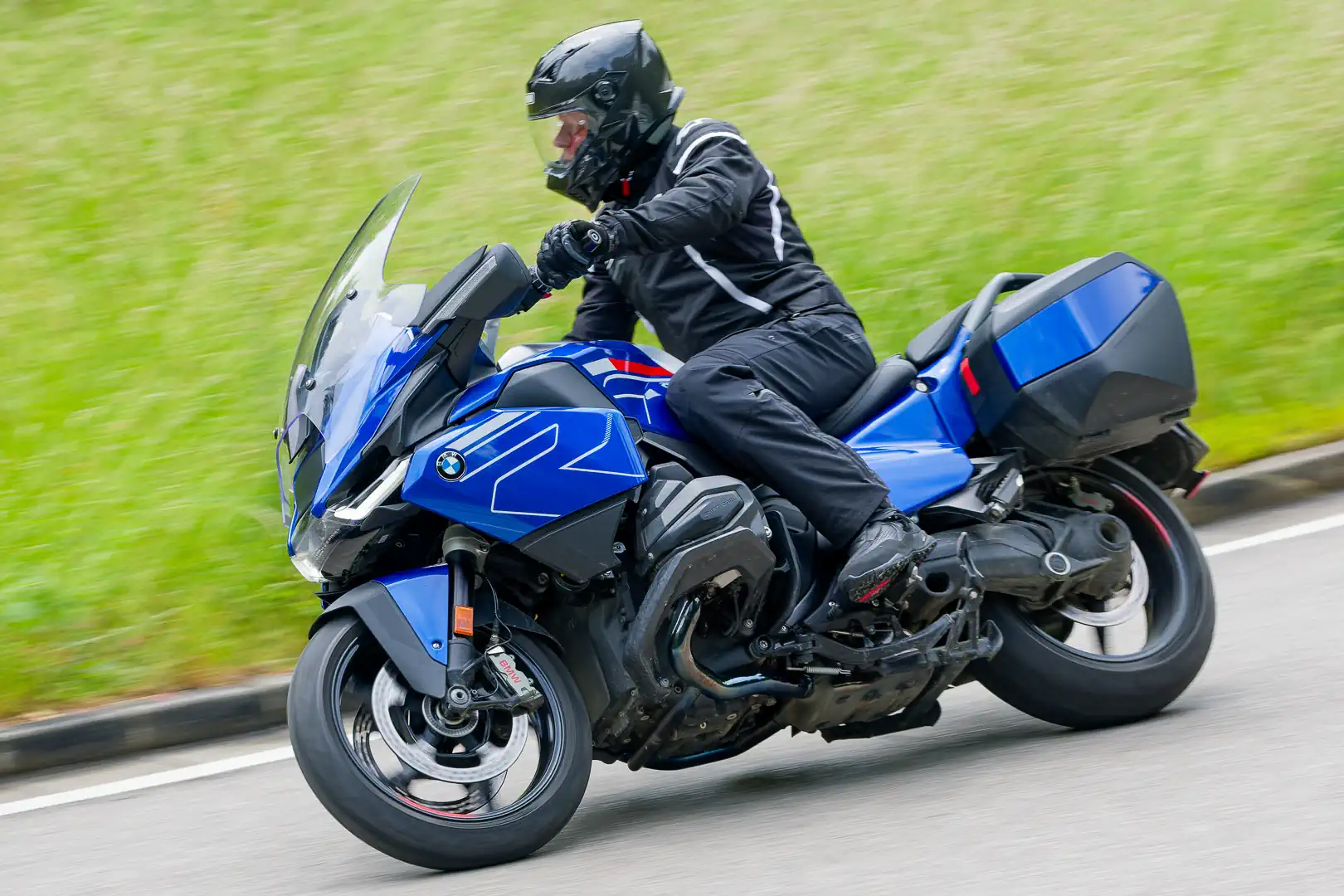
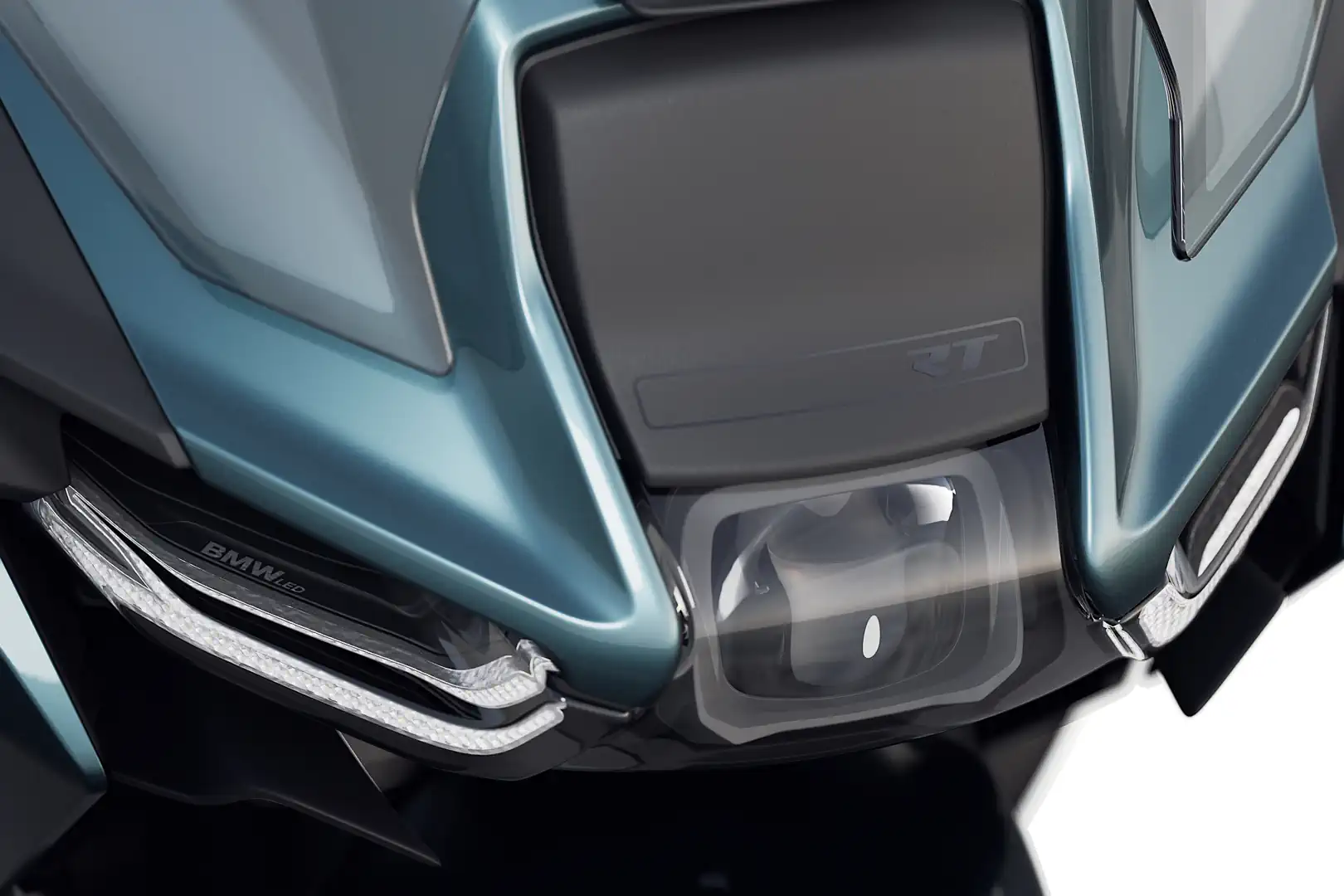
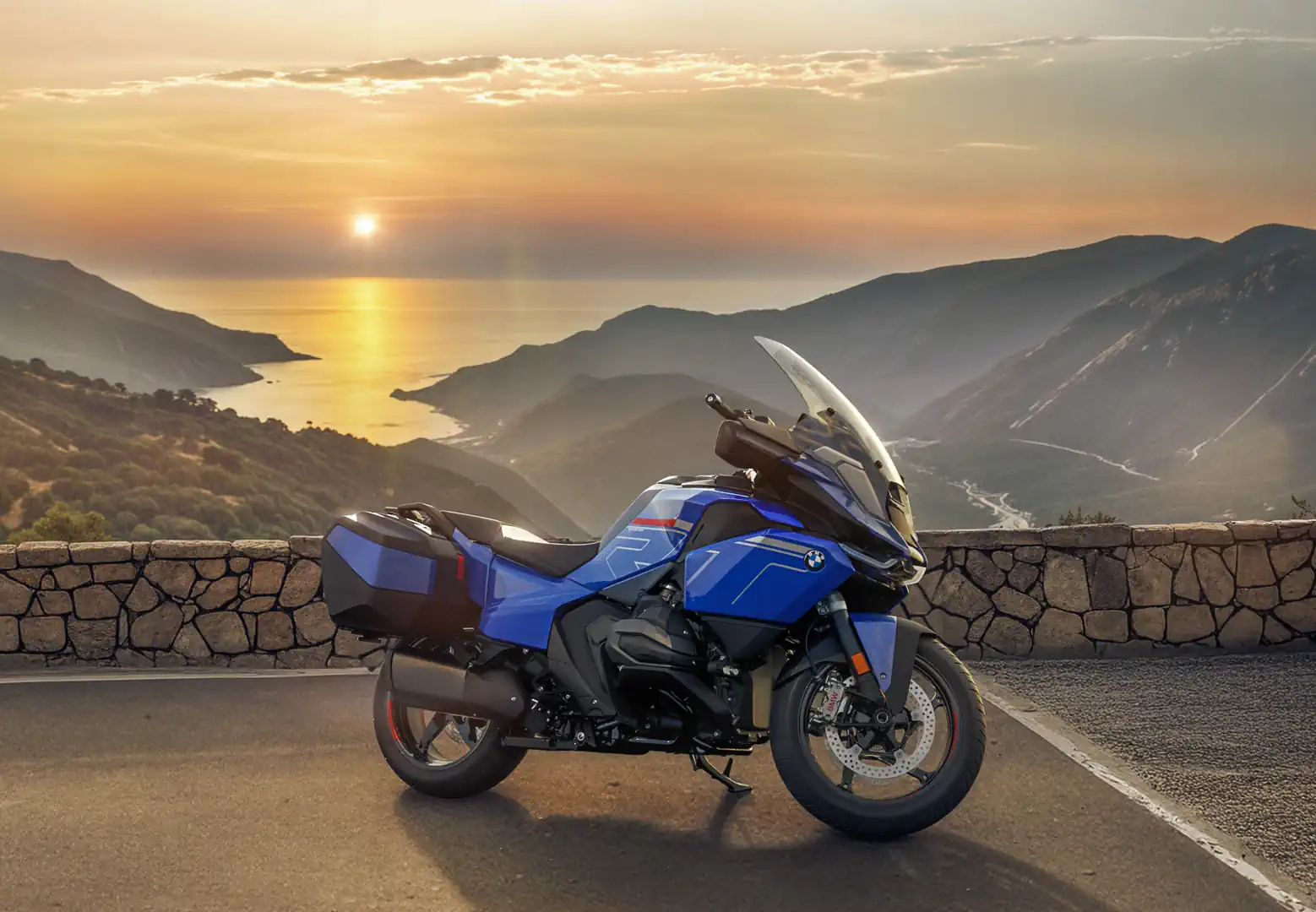
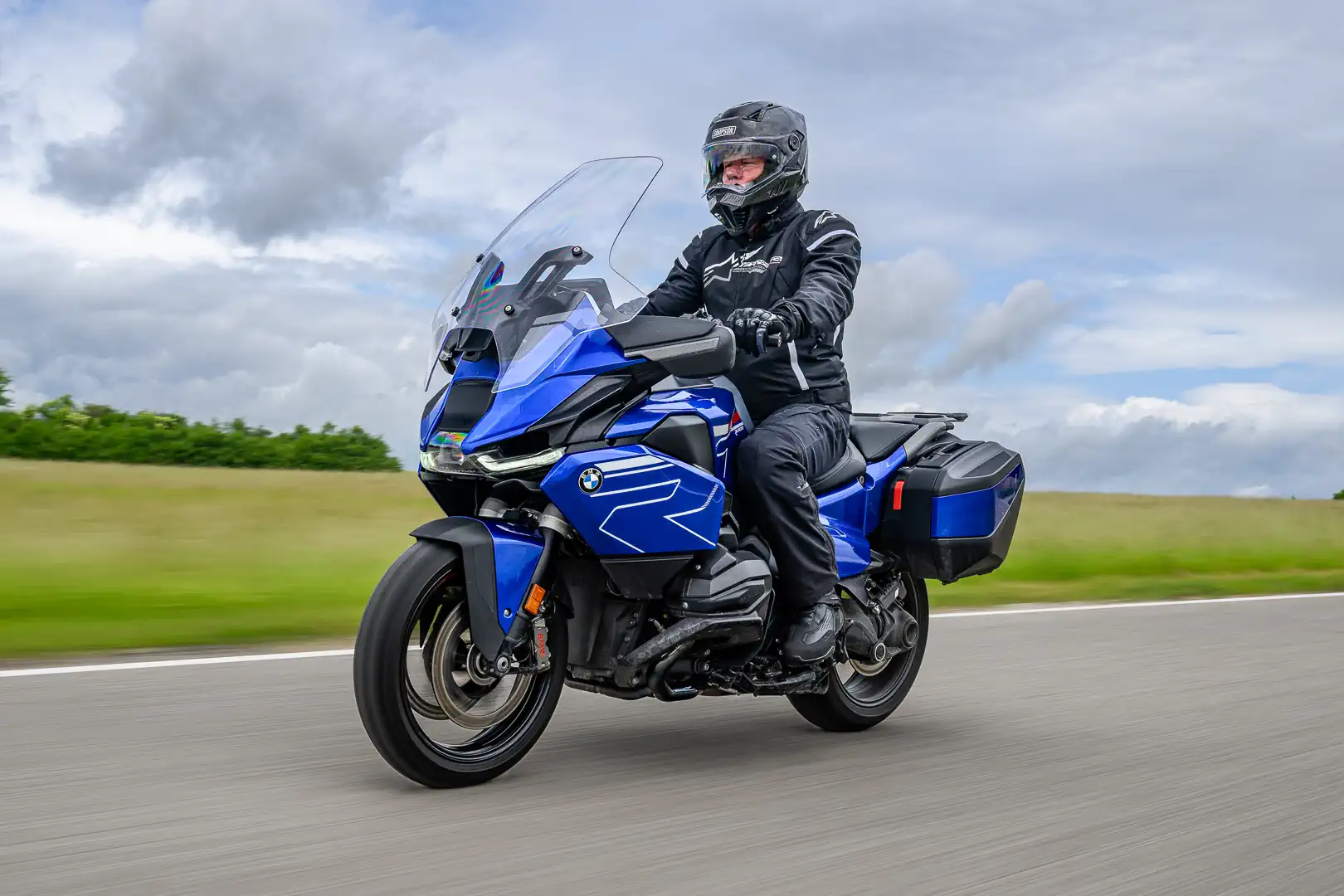
When Associate Editor Freeman Wood returned from Germany, where he rode the 2026 BMW R 1300 RT for a review, he had some bad news and good news for me. The bad news was that he didn’t get enough time on the classic touring platform; the good news was that I would be able to grab one here in the United States and write the test. It also gave me the chance to ride the boxer from Los Angeles to visit my dad in Williams, Arizona. The two-day round-trip ride was a perfect test, along with local miles in the mountains and deserts of Southern California.
Nearly every part of the 2026 BMW R 1300 RT is new. The engine, frame, suspension, bodywork, and electronics have all been redesigned. BMW moved the rider forward and sharpened the chassis to make the RT more of a sport-tourer, while keeping the comfort and range that built its reputation. Pricing starts at $22,645, though few RTs will leave a dealer without at least one package. Our test bike had the Option 719 Package ($8055), Comfort Passenger Package ($1345), and Automated Shift Assistant (ASA, $935), which nudged the price to nearly $33,000. Yes, this is a luxury motorcycle.
The Option 719 Package provides a wide range of technical and aesthetic upgrades:
Two extra ride modes. Dynamic mode is a sporty preset, and Dynamic Pro lets you tune traction control and ABS to your liking.
Smarter suspension. In the sporty modes, the springs firm up and the bike rises about 1.2 inches at the rear for quicker steering. Below 6 mph, it drops back to its normal height. It also lifts the rear to make the centerstand easier to use.
Upgraded front brakes. Titanium-colored calipers bring a slight gain in stopping power.
Cornering headlight. Extra LEDs light the inside of a turn as you lean, and the beam stays level under braking and acceleration.
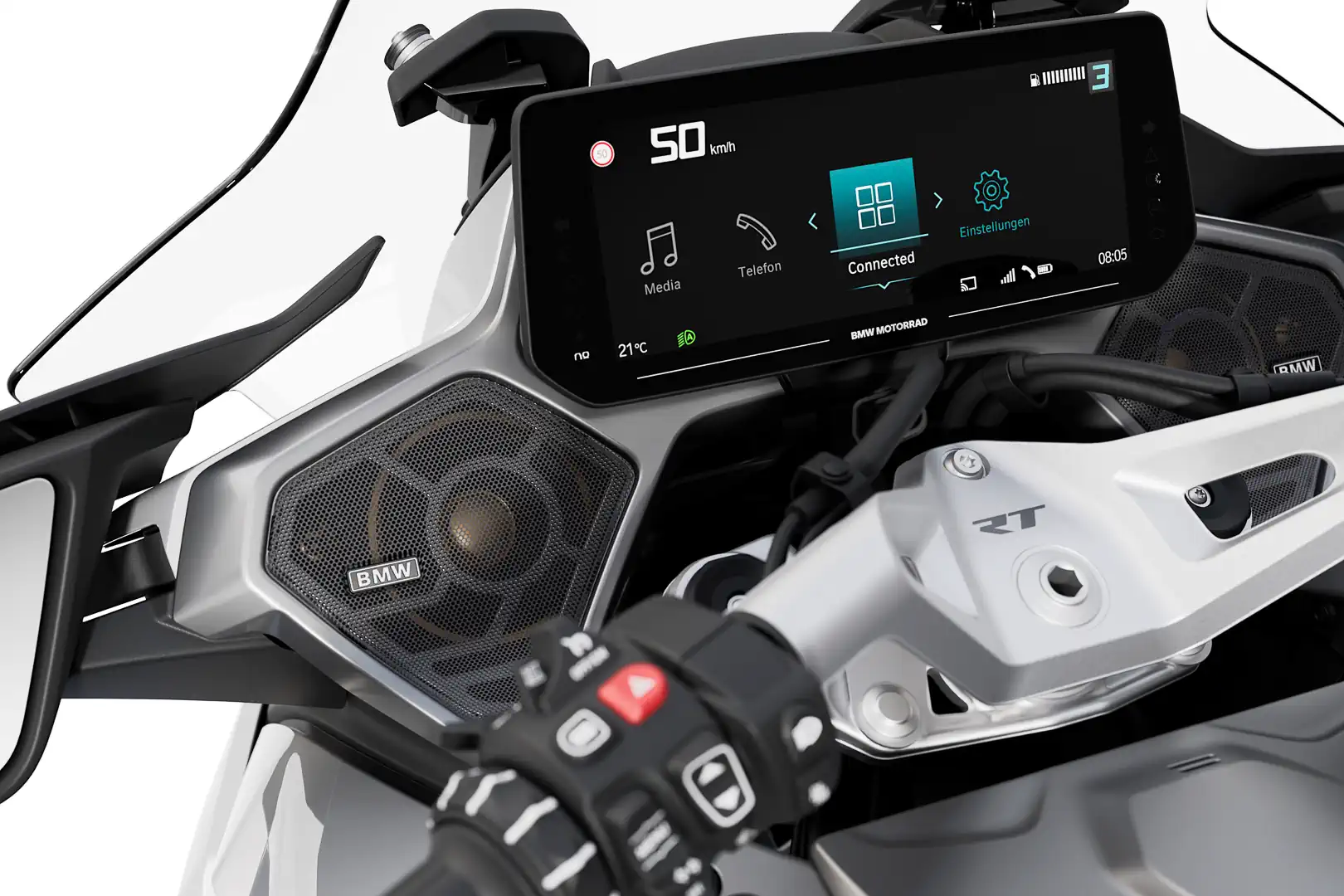
Sound system. Fairing speakers play AM/FM, HD, and Sirius satellite radio, or music from your phone.
Radar cruise control. It keeps a set distance from the vehicle ahead, slowing down and speeding back up on its own.
Collision warning. If you close in too fast, it flashes a warning, pulses the brake lever, and applies braking force.
Blind-spot warning. A light in the mirror tells you when a vehicle is beside you.
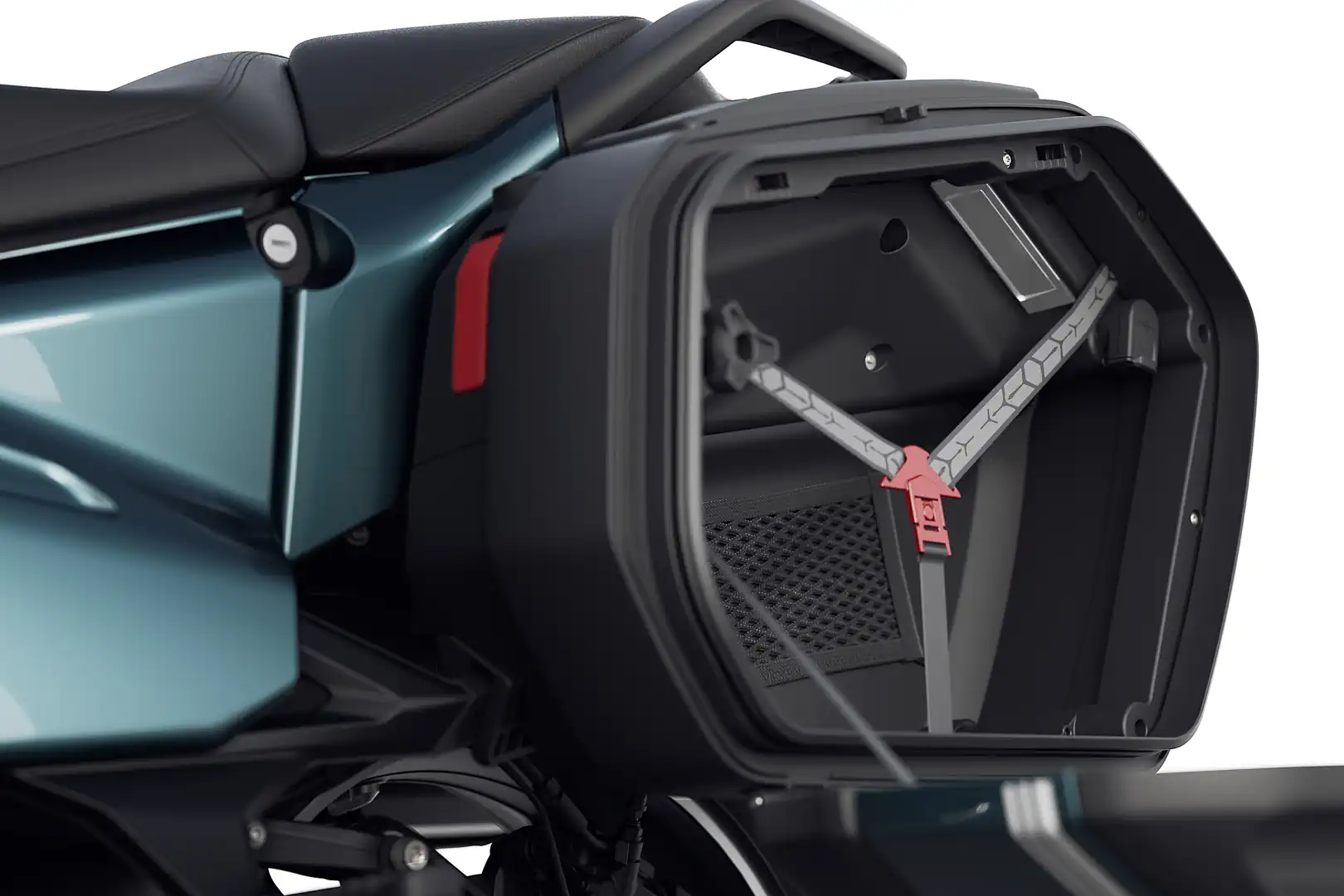
Expanding side cases. Each case grows from 27 to 33 liters when you need more room.
Central locking. The side cases lock and unlock together with the bike.
Auxiliary lights. A pair of LED lamps makes you more visible to oncoming traffic.
Centerstand. It makes maintenance easier and holds the bike steady on uneven ground.
Alarm. It sounds if someone tampers with the bike.
Blue Ridge Mountain Metallic paint. It’s a deep blue-green metallic, and only the Option 719 bike gets it.
Two-tone Option 719 Sport wheels. The cast wheels have machined contrast highlights and a protective coating. The sizes stay the same: 17 x 3.5 front and 17 x 6.0 rear.
Forged handlebar. It replaces the standard tubular bar. BMW says the ergonomics don’t change, so the difference is looks and finish.
Chrome header pipes. The exhaust headers are chrome-plated stainless steel.
Chrome muffler. The rear muffler gets a high-gloss chrome finish to match the headers.
Option 719 Billet Pack Shadow. This is a set of black-and-silver dress-up parts: a milled aluminum brake lever and ignition coil covers, painted cylinder head covers, and what BMW calls an “expansion tank cap”.
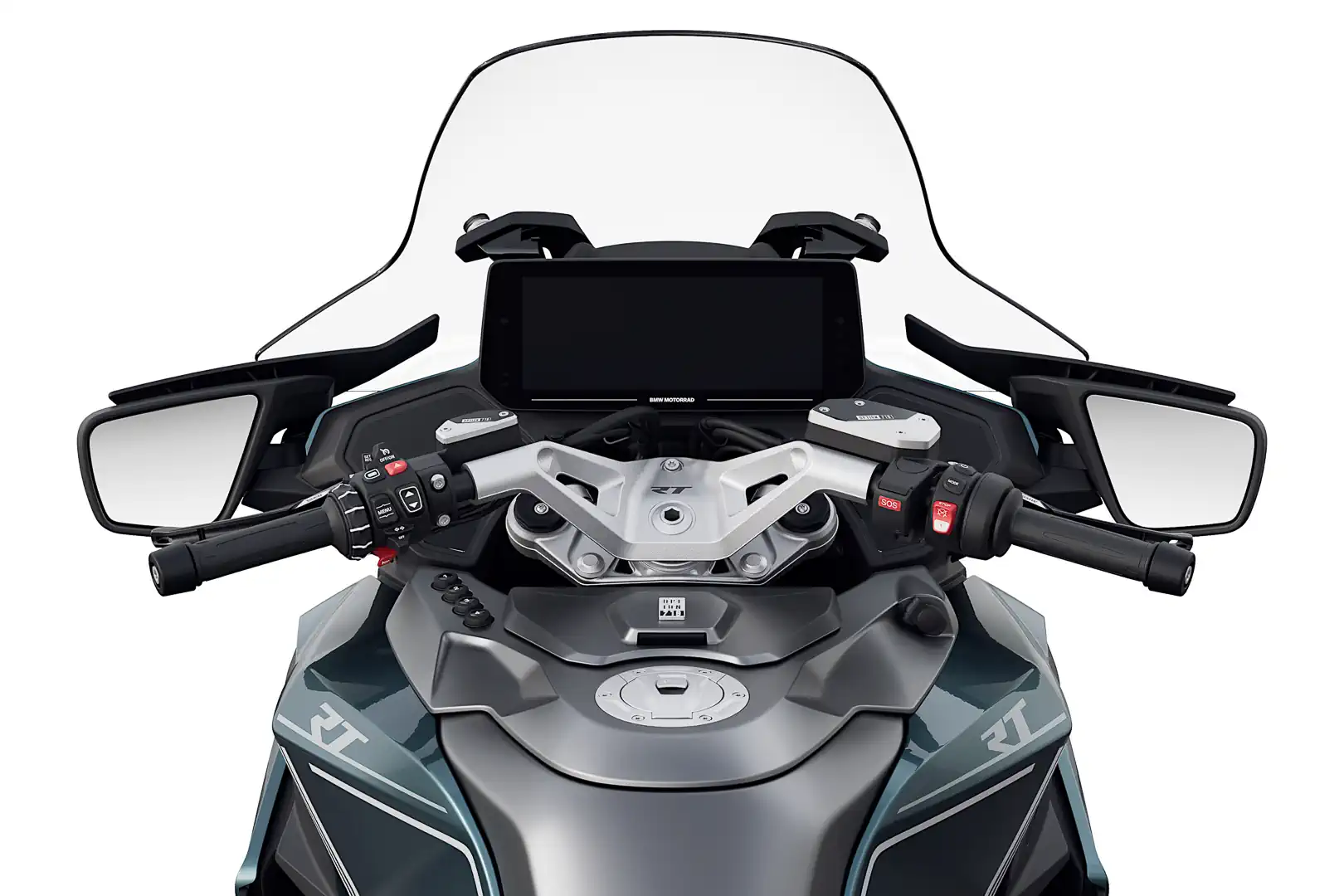
Variable slipstream deflectors. These flaps on the fairing move with one hand motion. They send cooling air to the rider and passenger in hot weather or block wind and rain in the cold.
Touring riders packing on the miles will want the features of the Comfort Passenger Package:
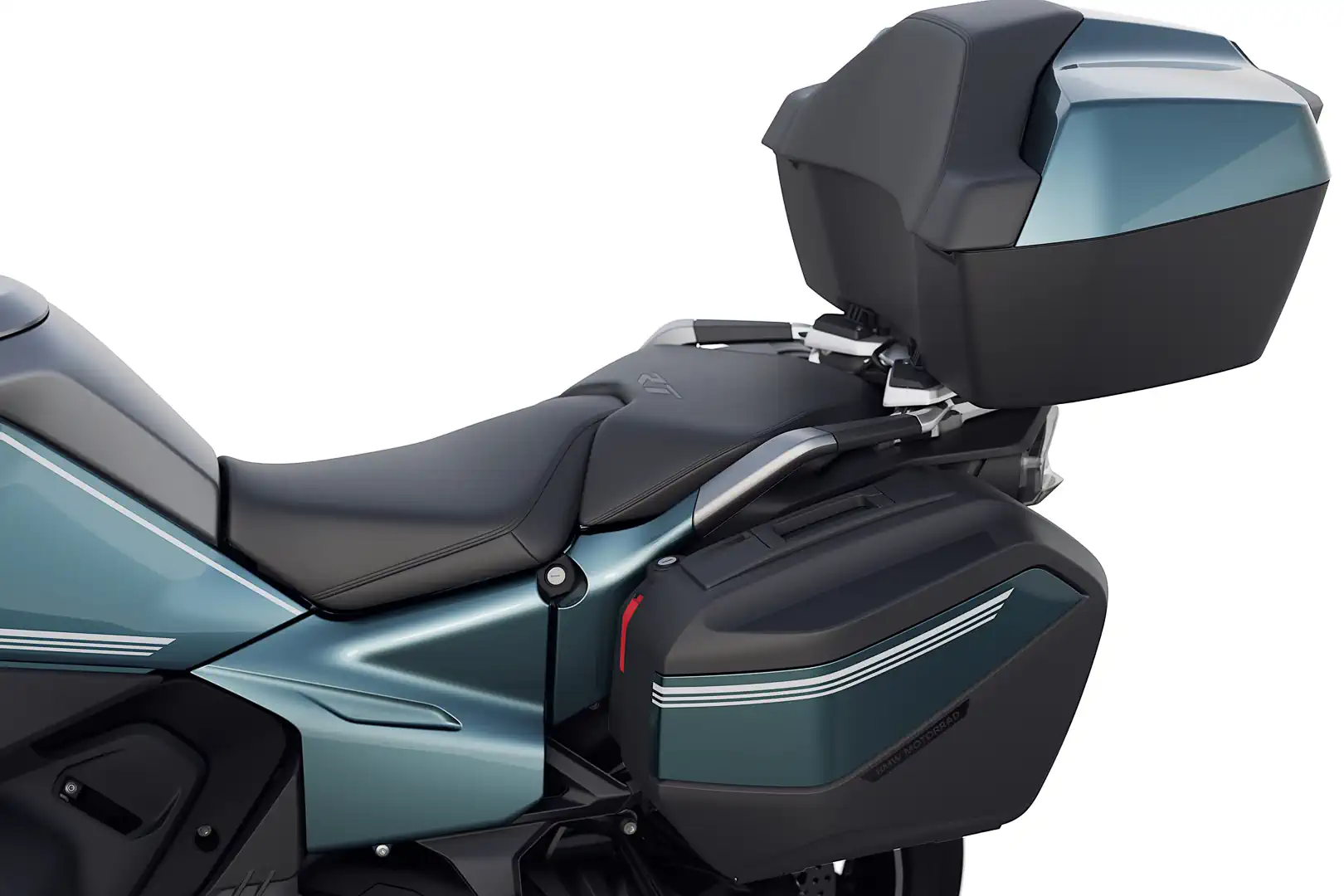
Top case and carrier. This adds considerable storage space for long trips.
Comfort seats. The seating is upgraded for the rider and passenger.
Note: The action photos are from Freeman’s test ride in Germany, which was on an RT outfitted differently than our test bike.
The 1301cc boxer twin is BMW’s most powerful production boxer. It makes 145 horsepower at 7750 rpm and 110 lb-ft of torque at 6500 rpm, up from 136 horsepower and 105 lb-ft on the R 1250 RT. Redline is 9000 rpm. The wider 106.5mm bore and shorter 73mm stroke account for the displacement boost. The BMW ShiftCam system returns, with two cam profiles for the intake valves. Cooling is still air and liquid, with coolant flowing through the hottest parts of the cylinder heads. The basic engine is 8.6 pounds lighter than the 1250, and the complete powertrain is 14.3 pounds lighter, helped by a new stainless-steel 2-into-1 exhaust.
The boxer pulls hard and smoothly throughout the rev range. Torque is abundant from low rpm, and the RT accelerates authoritatively from any rev count. Throttle response is clean and direct. On the freeway, the engine feels relaxed in 6th gear. Triple figures are easily accessible, and you can tour at a sustained 120 mph if the law allows it; don’t ask me how I know. This is a motorcycle born of the German autobahn, and cruising at the speed limit feels wasteful. The radar cruise control works flawlessly and is a valuable component in the Option 719 Package.
BMW moved the 6-speed gearbox from behind the engine to underneath it. That shortens the engine, concentrates mass near the center of gravity, and makes room for a longer swingarm. The hydraulically actuated wet clutch has an anti-hopping function. Our test bike had the automatic transmission installed, so we had two shift modes: fully automatic and manual. I quickly found out which version I prefer.
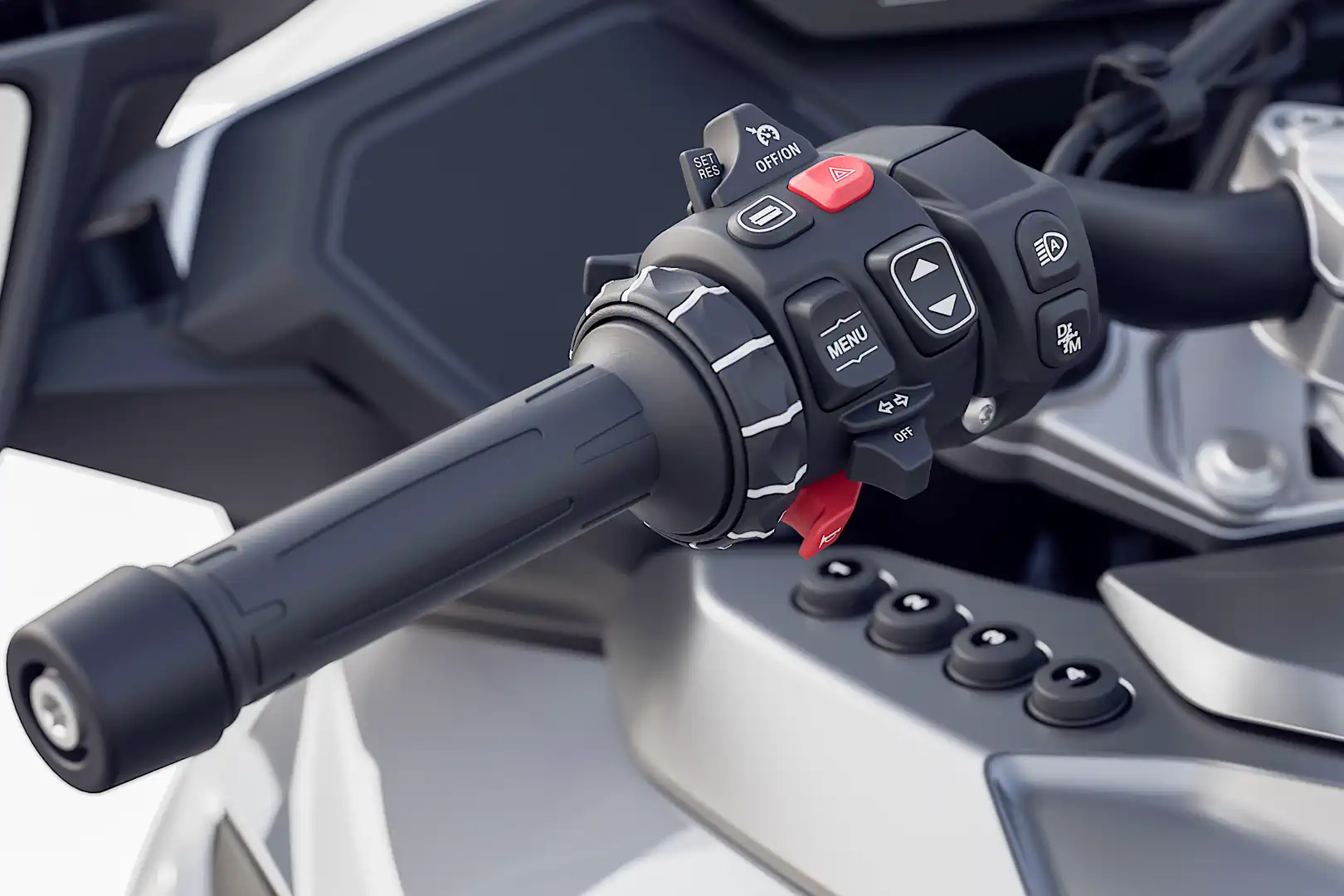
Although ASA removes the clutch lever, it is not a conventional automatic transmission. Inside is the same 6-speed gearbox and wet clutch used on the standard RT. Two electromechanical actuators do the work. One operates the clutch and the other shifts gears. A D/M button on the left switchgear moves the transmission between two modes, and you can switch on the fly. In M, you shift with your foot, and ASA handles the clutch. In D, the bike selects the gears, though the lever still lets you override it. Either way, the engine can’t stall. As you roll to a stop, ASA downshifts, even in M, to prevent stalling, much like Honda’s DCT, though this isn’t a dual-clutch transmission.
M mode is where ASA is magic. Upshifts and downshifts are quicker and smoother than you can manage with a clutch lever, at any rpm and in any gear. Hold the throttle steady and click the shift lever with your left foot; there’s no need to blip or roll off. The RT’s transmission feels like an exceptionally good two-way quickshifter, with the clutch work for stops and starts handled automatically. To stop, you simply downshift as you decelerate. When the light turns green, add throttle to get going again. Crawling through traffic takes no effort from your left hand, and the clutch’s automatic actuation is flawless.
Avoid D mode. The automatic mode is just plain clunky. When you pull away from a stop, the upshift to 2nd gear is jolting, no matter what the throttle position or ride mode. Each shift is progressively better, but there’s no reason to subject yourself to the brutal upshift from 1st gear. While downshifts are less punishing, you’re still better off in M mode and clicking down yourself so you know when the shift is going to happen. The only time D mode is tolerable is on the open highway. If you’re in 6th gear and get on the gas, the downshift to 5th gear isn’t bad. Otherwise, pretend D mode does not exist.
Road, Rain, and Eco ride modes are standard, and the Riding Modes Pro on our test bike adds Dynamic and Dynamic Pro. Each mode sets throttle response, traction control, and engine-braking control, and it also adjusts the front and rear shocks. To start, you pick at least two and up to four modes that you’ll be using and scroll through; no, you cannot have them all on tap, or just one. To change the mode, select it on the screen and leave the throttle off for a second or two. Dynamic traction control, engine-braking control, and Dynamic Brake Control (DBC) are standard. DBC cuts power if you accidentally open the throttle while braking hard. Hill Start Assist holds the bike on a grade.
Dynamic Pro is fantastic and easy to manage, so you’ll use it frequently if you’ve sprung for the Option 719 Package. Road is acceptable if you demand a soft throttle response. Rain mode is always welcome when the road is wet. Did you spend over $30k on a motorcycle to run it in Eco mode? I didn’t think so. That’s the one to drop when picking the four for scrolling. It’s still there if you find yourself out in the middle of nowhere and low on gas.
Everything about the chassis is new. A steel sheet-metal main frame replaces the old tubular-steel frame, and an aluminum lattice rear frame bolts to it; the engine is a stressed member. BMW says the new frame is stiffer and more compact, with the mass closer to the center of gravity. New cast aluminum wheels are 3 pounds lighter as a pair, cutting unsprung and rotating weight. Apropos of touring, the wheelbase is a roomy 59.0 inches, with a relaxed 25.8-degree rake and 4.8 inches of trail. A steering stabilizer is standard to further enhance the RT’s stability.
BMW moved the rider forward to make the RT more engaging. The seat-to-peg relationship is unchanged, but the handlebar is farther forward, wider, and less swept back, putting more of the rider’s weight on the front wheel and opening up room for the passenger. At 5-foot-10, I found the RT extremely comfortable as a tourer, and I felt good in the canyons. The Comfort seat gave me no problems on consecutive 500-mile days, which is a huge plus for touring.
BMW’s Telelever front suspension continues in Evo form. A shock handles springing and damping, while the fork tubes steer the wheel, and the design resists dive under braking. New for the RT is a stainless-steel plate between the handlebar and the upper fork bridge, which BMW calls the flex element. It passes steering forces to the handlebar while absorbing the tilting motion built into the Telelever design, which some riders felt as unnatural feedback. At the rear, the Evo Paralever single-sided swingarm has a stiffer mounting. Travel is 5.9 inches up front and 6.2 inches in back. Despite the unorthodox suspension, the action feels normal. The anti-dive works well, and doesn’t draw attention to itself.
Dynamic ESA semi-active suspension is standard, adjusting damping on the fly and setting rear preload automatically. The optional Dynamic Chassis Adaption (DCA) on our test bike goes further. DCA adds a variable spring rate that stiffens in the Dynamic modes and changes the RT’s geometry. In Dynamic and Dynamic Pro, DCA raises the rear about 1.2 inches and the front about 0.3 inches. That steepens the steering head by 0.86 degrees, to about 24.9 degrees of rake, and adds cornering clearance. It doesn’t turn the RT into a sport bike, though it has impressive credentials and handles twisties with a quiet authority. The bike lifts only above 12 mph and settles back below 6 mph, so seat height at a stop never changes. Damping can be fine-tuned in each mode, though only outliers will feel the need to push buttons.
Road mode is plush and stable. If you know you’ll be relaxing on the open highway, Road mode’s throttle and suspension settings are a good choice. It softens everything up, and gently absorbs jolts on less-than-perfect highways. Just be sure to return to a Dynamic mode for the twisties, because those modes offer more exacting feedback.
The brakes are strong, linear, and linked. The 310mm front discs are gripped by radial-mount four-piston calipers, and a two-piston caliper works the 285mm rear disc. Full Integral ABS Pro means the hand lever and the foot pedal each apply both brakes, and ABS is optimized for lean angle. My natural inclination is to use the front brake, and it works perfectly and seamlessly. What will surprise you is how well the foot-pedal braking system works. The linked-braking settings are impressively effective. The Option 719 Package upgrades the braking power, though I didn’t have a standard version to compare. Regardless, braking is outstanding, predictable, and forgiving.
The integrated side cases are standard, and we tested the Variable Luggage System that is part of the Option 719 Package. The standard side cases hold 27 liters each, and their new shape gives the passenger more room for the lower legs. I rode to Williams with the cases expanded. A hand wheel takes each case from 27 to 33 liters, or anywhere in between. The cases support central locking and include interior lighting, and the left case has a USB-C port.
Range is excellent. The tank holds 6.3 gallons, including about a gallon of reserve. Fuel consumption is in the mid-to-high 40s, depending on how you ride. Pretty much anyone will get at least 250 miles out of a tank. When you slip into Eco mode, output is reduced, and the dash lets you know when you’re consuming the least amount of fuel.
Wind and weather protection are outstanding. The electrically adjustable windscreen creates a pocket of nearly still air at full height, and wind noise is low even in its lowest position. Side panels on the fairing slide up or down by hand, letting more air reach the rider on hot days or blocking it in cold and rain, and they can be moved while riding. Being able to adjust the screen at the push of a button is great because it encourages you to put it in just the right spot for conditions. I was happy with it all the way up on the open road, and dropped it for airflow at sub-freeway speeds. Completely out of character, the windscreen motor failed on our test bike. Fortunately, it was stuck at nearly the highest position for the ride home to LA from Williams.
Radar-based rider aids come with the optional Riding Assistant. Standard equipment includes Dynamic Cruise Control with a braking function. The Riding Assistant adds Active Cruise Control, Frontal Collision Warning, and Lane Change Warning, which shows a warning in the mirror when a vehicle is beside you. ACC works smoothly on the highway, slowing for traffic ahead and resuming speed when the lane clears. FCW flashes a warning, pulses the brake lever, and adds braking force when it thinks you are closing too fast. It is most useful in uncrowded conditions. I turned it off for riding in traffic because it is more distracting than helpful.
The 10.25-inch TFT display is large, sharp, and easy to read in any light. Resolution is 1920 x 720, and the glass is hardened and anti-reflective. Navigation runs through the BMW Motorrad Connected app, which mirrors a full-screen moving map from your phone over Wi-Fi. The controls are BMW’s familiar Multi-Controller wheel and switchgear, plus four programmable Favorites buttons on the fairing for one-touch access to features such as heated grips or audio.
At 620 pounds road-ready, the RT makes you think about where you park it. That figure includes 90% of a tank of fuel, but not the top case or other options. Pushing the RT around a garage, or backing it up a slope, takes care. The optional centerstand is easier to use with Prop-Up Aid, though it still takes a firm push. Most of the weight disappears, even at a walking pace.
The 2026 BMW R 1300 RT is faster, sharper, and better equipped than the 1250 it replaces, and it keeps the RT’s long-distance strengths. The engine is strong and smooth, wind protection is excellent, and semi-active suspension lets one motorcycle be a plush tourer in Road mode and a sharp-handling sport-tourer in Dynamic Pro. ASA in M mode keeps you in charge of every shift without the work of the clutch. For riders who want every comfort and electronic aid along with an engaging ride on a good road, the new RT delivers.
Honda CB1000F + Sabatino Moto at Mecum + Peter Egan
byMotos and Friends by Ultimate Motorcycle
Hello and welcome again to the Motos and Friends Podcast, my name is Arthur Coldwells. Our subjects this episode can best be described as ‘iconic’.
Honda motorcycles recently launched the all-new CB1000F, a retro-styled inline-4 roadster that created an absolute social media sensation when it was announced. The er… iconic(!) styling is of course an homage to Freddie Spencer’s 1980/81 AMA CB750 Superbike with its swooping lines and silver paint with blue accents. Freddie rode the superbike so ferociously that sometimes he’d bend the handlebars at high speed. Jonathan Handler rode the new bike recently, and although he didn’t quite do that, he did however have an apparently very spirited ride that left him impressed. The new CB1000F is clearly an outstanding motorcycle, and Jonathan gives us the lowdown on exactly why you’re going to have make space in your garage for one of them.
* * * * *
The annual Mecum Motorcycle auction in Las Vegas is now an ahem… iconic event, yet many people believe it’s aimed at only very serious buyers with very deep pockets. Of course the really expensive vintage motorcycles are the ones that grab the headlines, but interestingly, there is way more to the Mecum Vegas auction than you’ve probably heard. There are also hundreds much more modestly-priced bikes as well, with a strong chance you could pick up a dream bargain if you play your cards right. For this episode, I found Eric Sabatino, who started Sabatino Moto in Portland Oregon a few years ago. It rapidly became one of the top Royal Enfield dealers in the country. Eric went to mecum Las Vegas for the first time earlier this year and was blown away by what he found. The auction ended with him winning a classic BSA, and admits it was such a good deal he feels like he practically stole it. Clearly going to Mecum was an eye-opening experience for him and quite different from what he’d been led to expect. Eric tells us all about his experience and how you too might be able to have the bike of your dreams follow you home this coming February.
* * * * *
This episode’s guest is Peter Egan, the (dare-I-say) iconic American writer whose 40-year career specialized in motorcycle and automotive journalism with magazines Cycle World and Road & Track. I’m sure you’re familiar with Peter’s writing as he’s published many, many books. Peter is of course a natural story-teller, and he chats with Teejay Adams on how he got started, a look back at his amazing career, and some of his adventures along the way. Peter is also a pilot, and recently published another book, Landings in America: Two People, One Summer, and a Piper Cub, and his anecdotes from that are just as entertaining too.
* * * * *
Here’s quick reminder to check out our monthly digital magazine. It’s filled with everything you want to read on motorcycling, including some things you’ve probably not seen elsewhere. It’s absolutely free and you will find it on the Apple App Store and of course on Google Play as well.
Don’t forget to leave us your comments on our social media—we’re on all the usual platforms at Ultimate Motorcycling. We love hearing your feedback… so good or bad, please let us know what you think. If there’s something you’d like us to cover, we’d love to hear those ideas too!
We use cookies and browser activity on this website
Functional
Always active
The technical storage or access is strictly necessary for the legitimate purpose of enabling the use of a specific service explicitly requested by the subscriber or user, or for the sole purpose of carrying out the transmission of a communication over an electronic communications network.
Preferences
The technical storage or access is necessary for the legitimate purpose of storing preferences that are not requested by the subscriber or user.
Statistics
The technical storage or access that is used exclusively for statistical purposes.The technical storage or access that is used exclusively for anonymous statistical purposes. Without a subpoena, voluntary compliance on the part of your Internet Service Provider, or additional records from a third party, information stored or retrieved for this purpose alone cannot usually be used to identify you.
Marketing
The technical storage or access is required to create user profiles to send advertising, or to track the user on a website or across several websites for similar marketing purposes.
Advertising helps us keep our content available for free, so adjusting your ad blocking settings will help us.
We appreciate your support!
i
How to Allow Ads on This Site
Depending on your setup, ads may be blocked by a browser extension, VPN, antivirus software, or other application. Here are some common ways to allow ads:
Browser Extensions (e.g., Adblock, uBlock, etc.)
Click the extension icon in your browser toolbar.
Look for an option like "Don't run on pages on this site" or "Pause on this site".
Save the change and refresh the page.
VPNs with Ad Blocking (e.g., NordVPN, Proton VPN, etc.)
Open your VPN app.
Go to settings or features.
Disable any ad blocking or tracking protection features.
Refresh the page.
Antivirus Software or Other Privacy Tools
Check for web protection, ad filtering, or browser privacy settings.
Click the power button to disable it for this site.
Refresh the page.
Not sure what's blocking ads? Look for tools with privacy or filtering features, or check your browser extensions. We only use respectful, non-intrusive advertising.