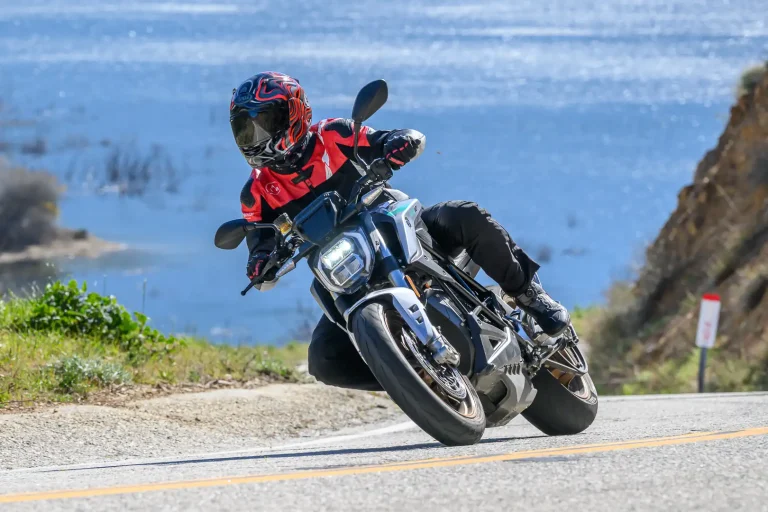
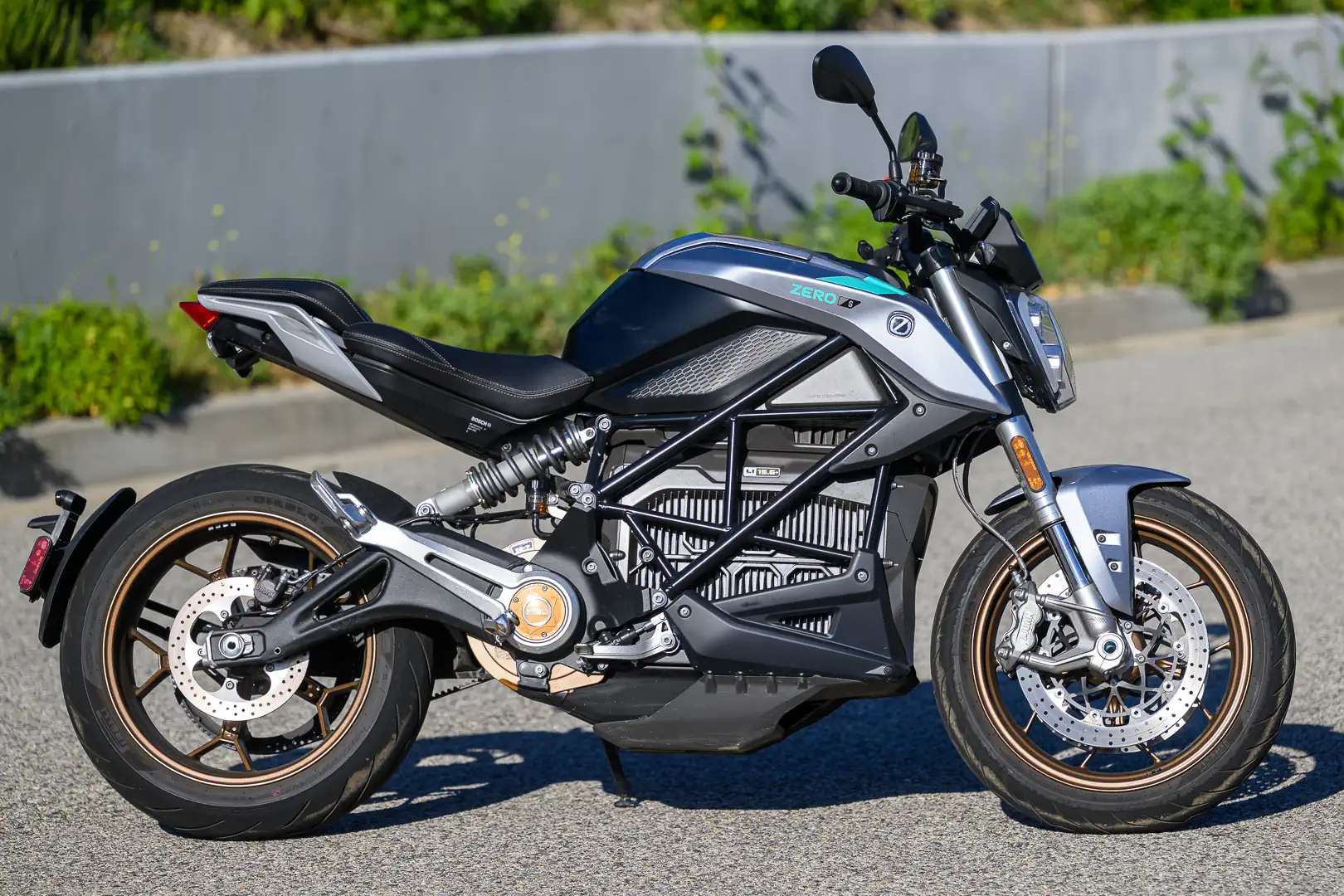
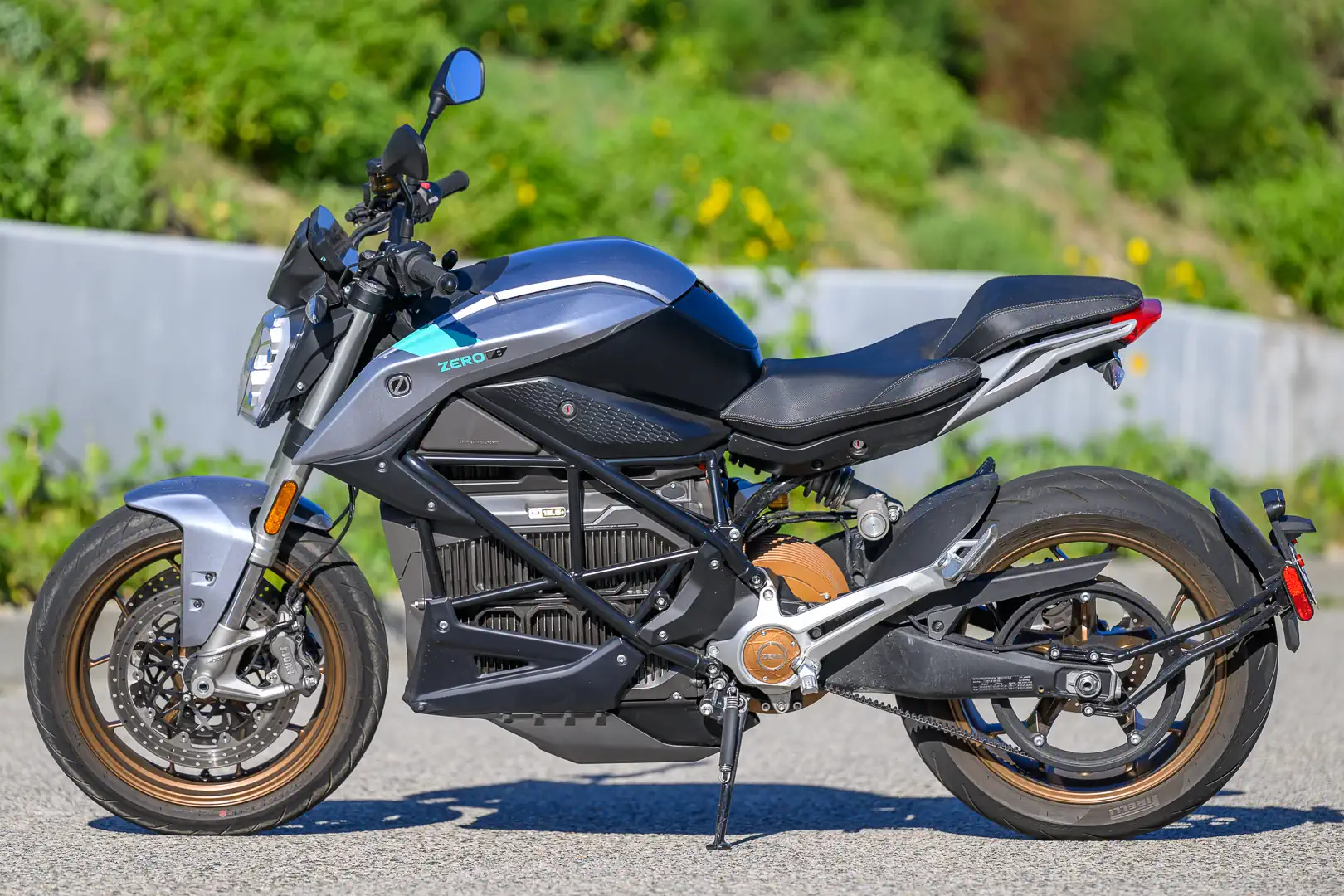
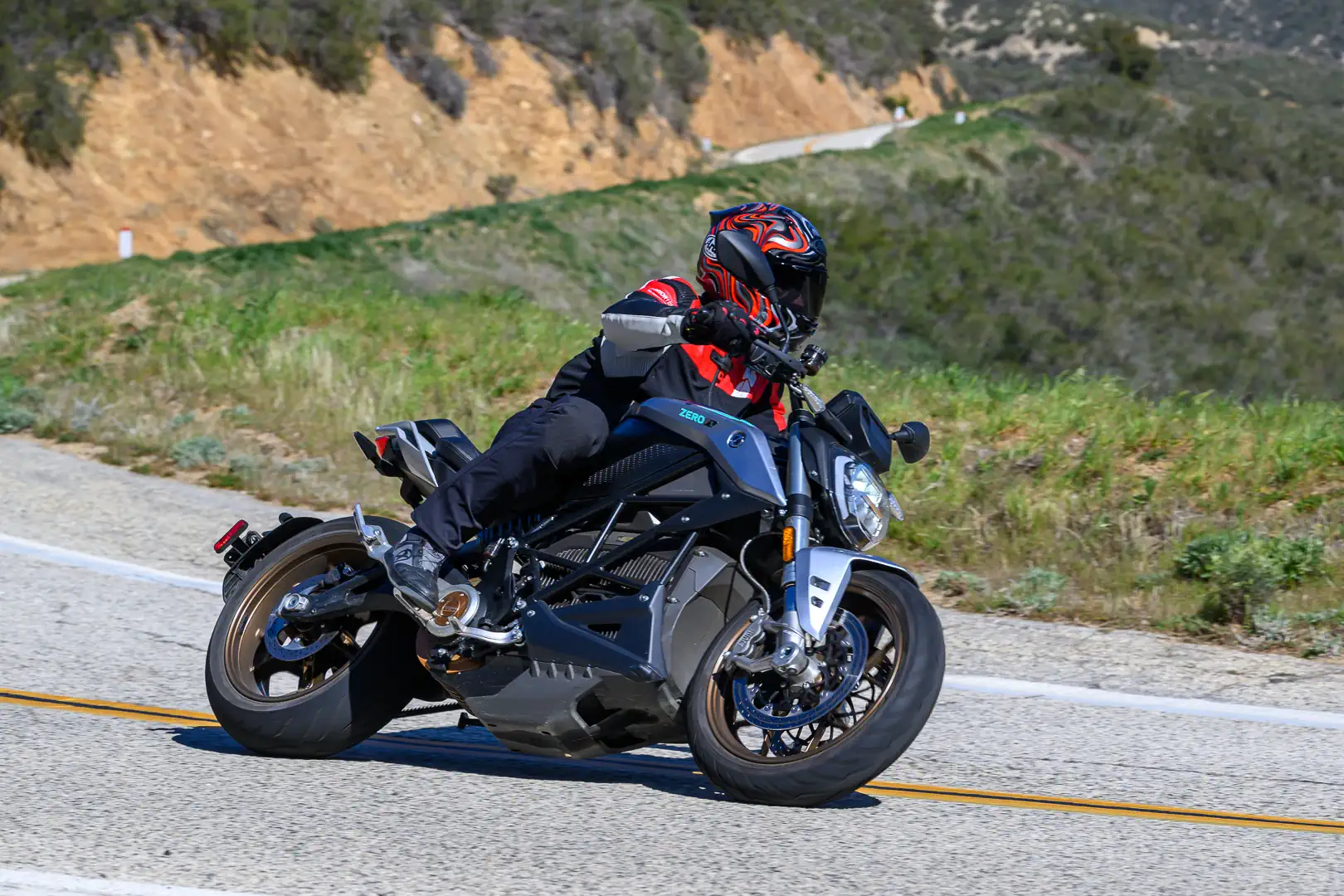
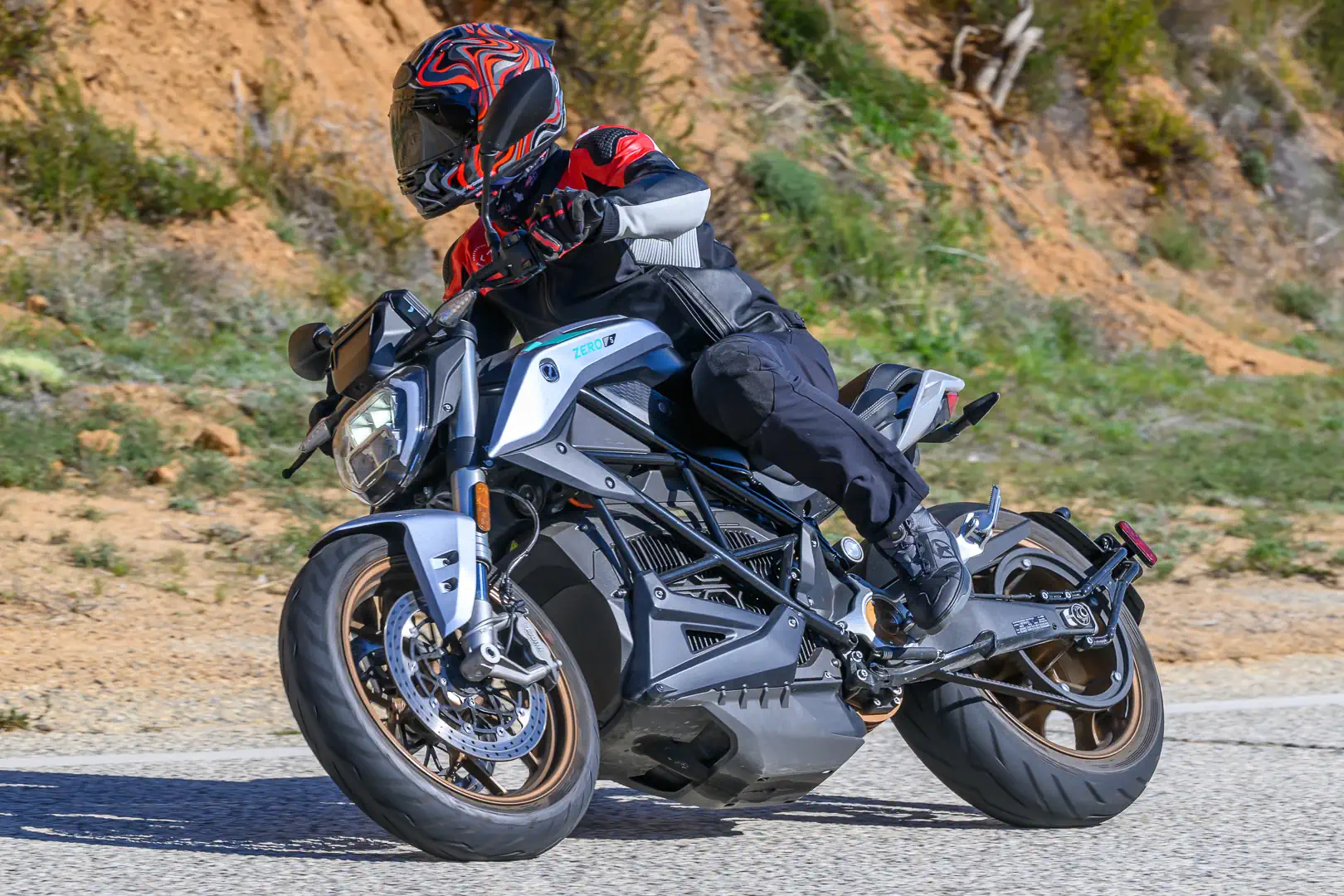
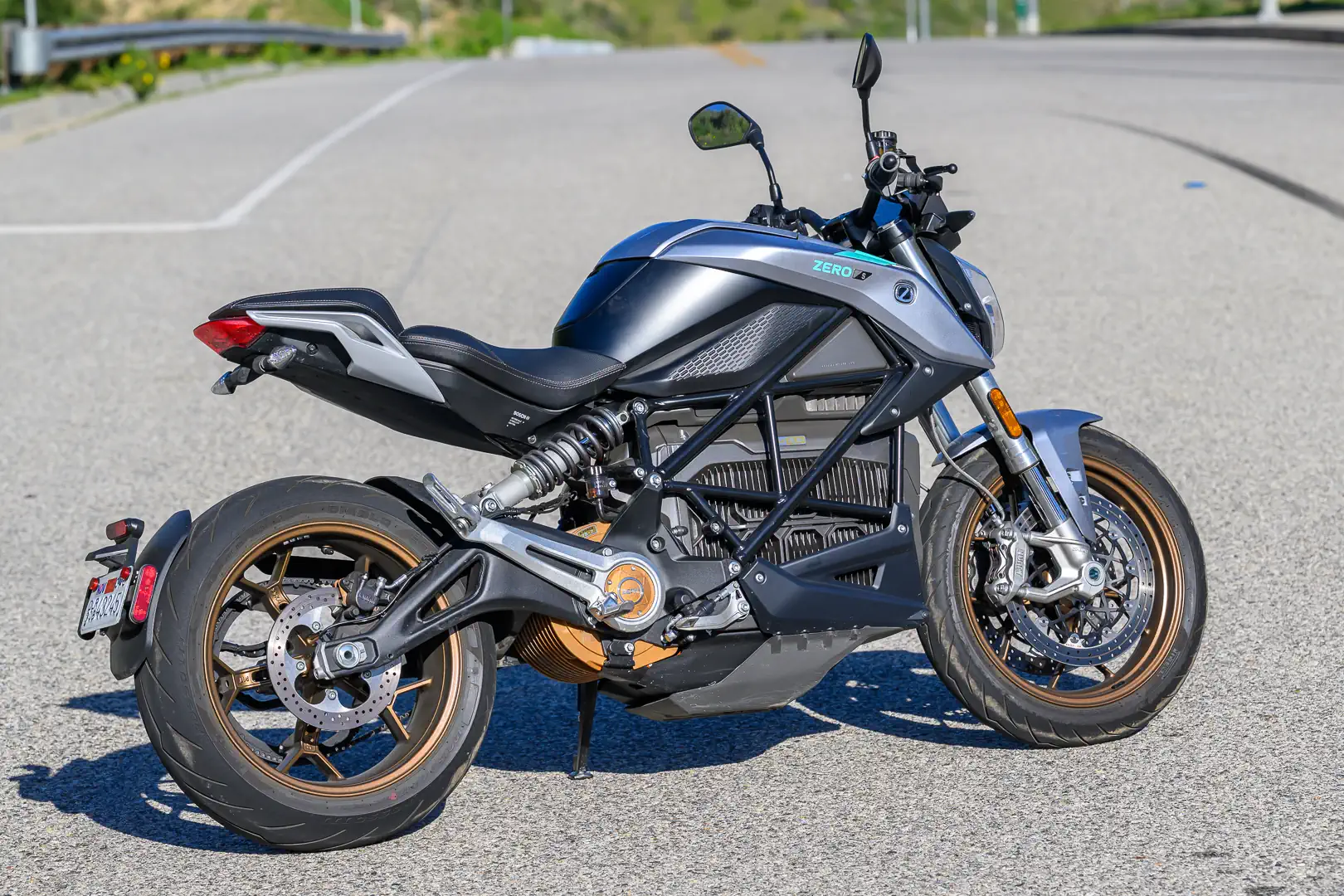
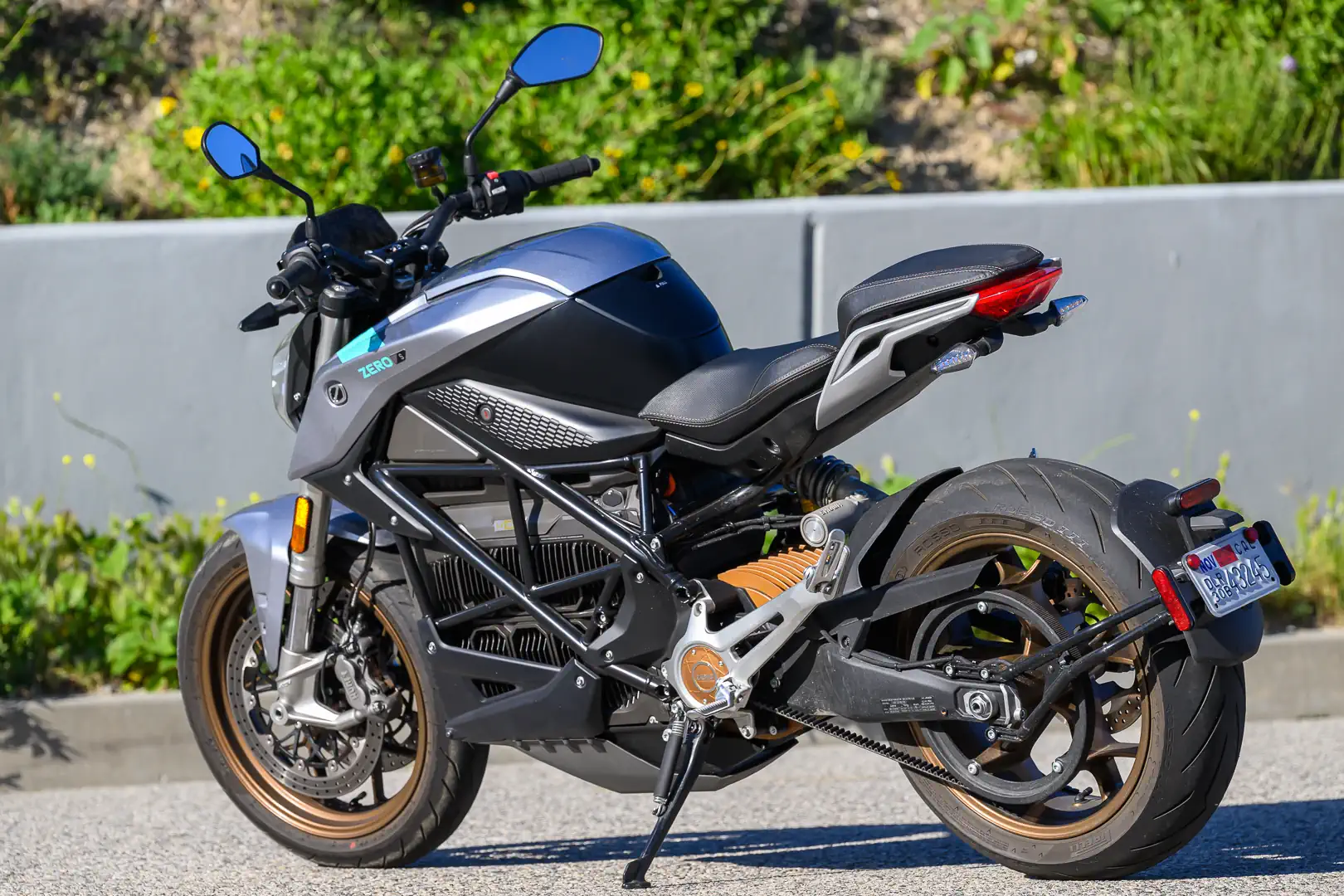
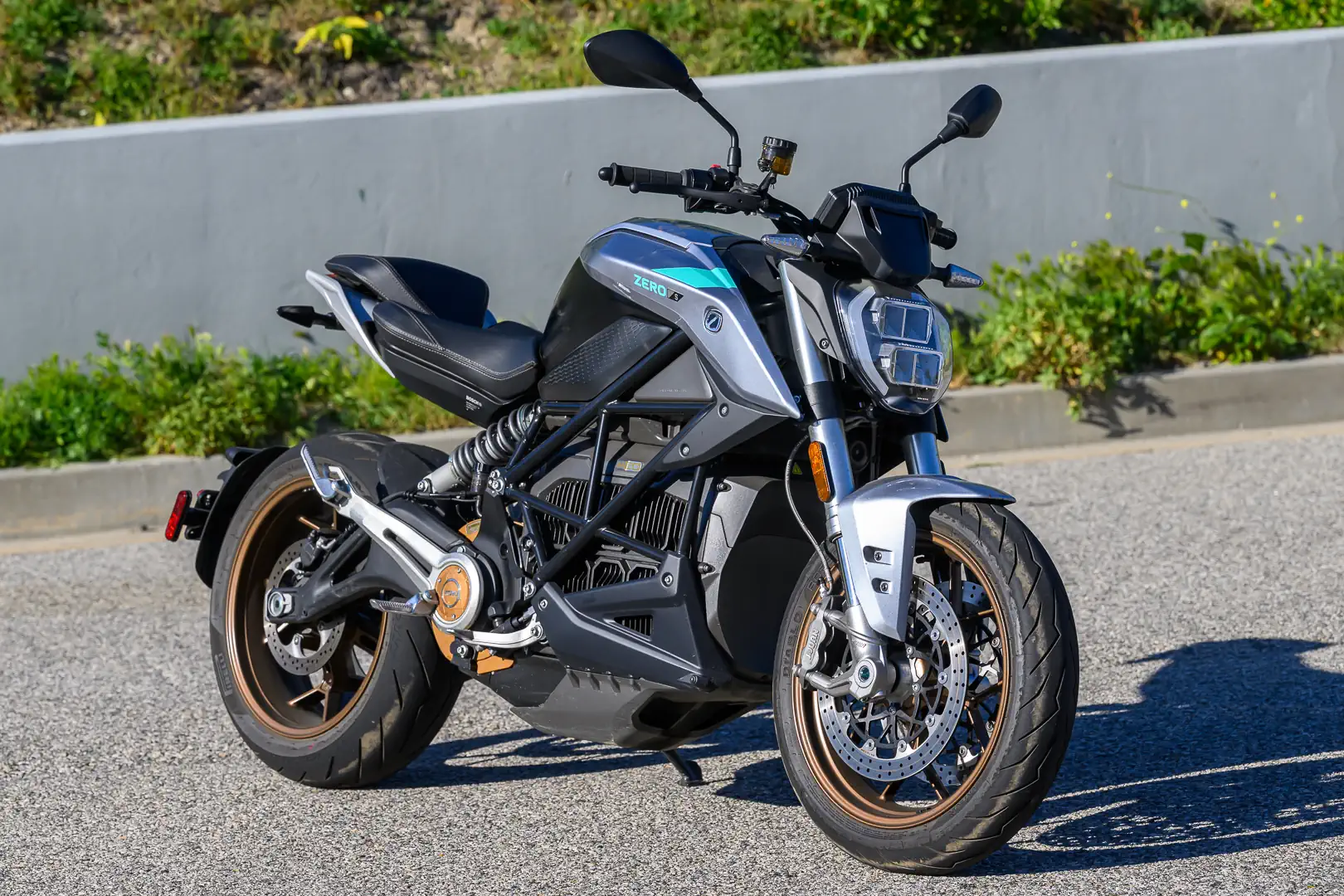
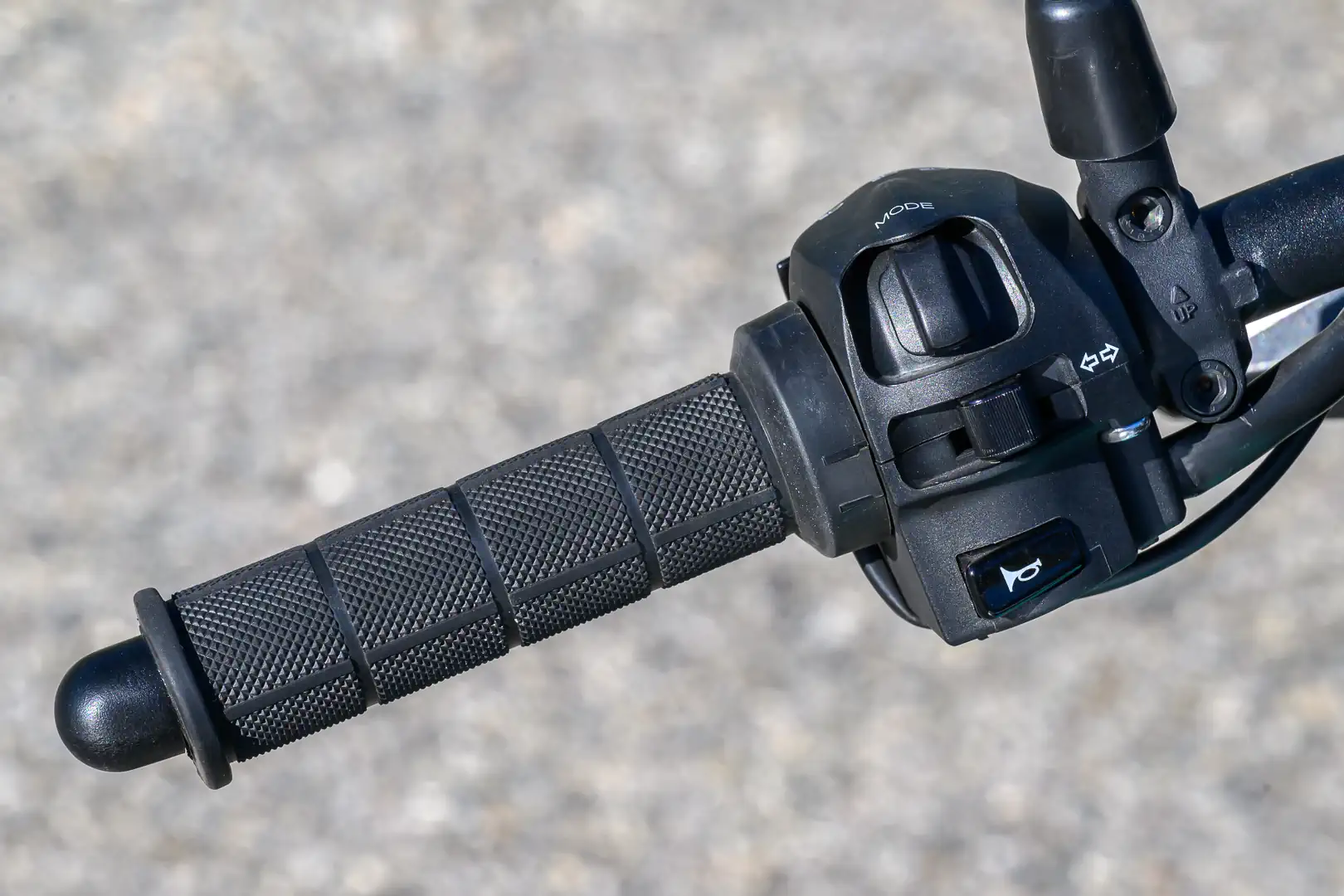
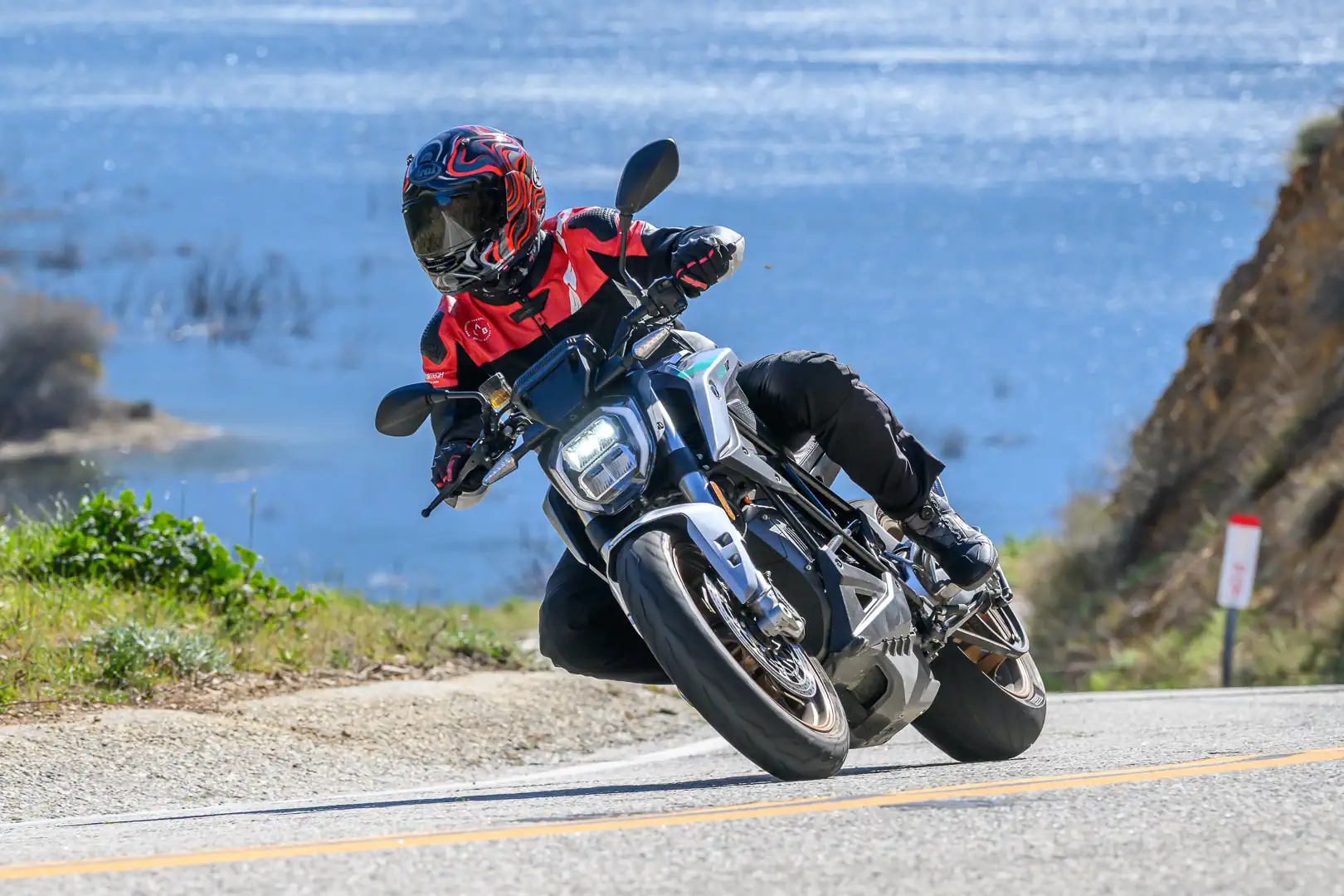
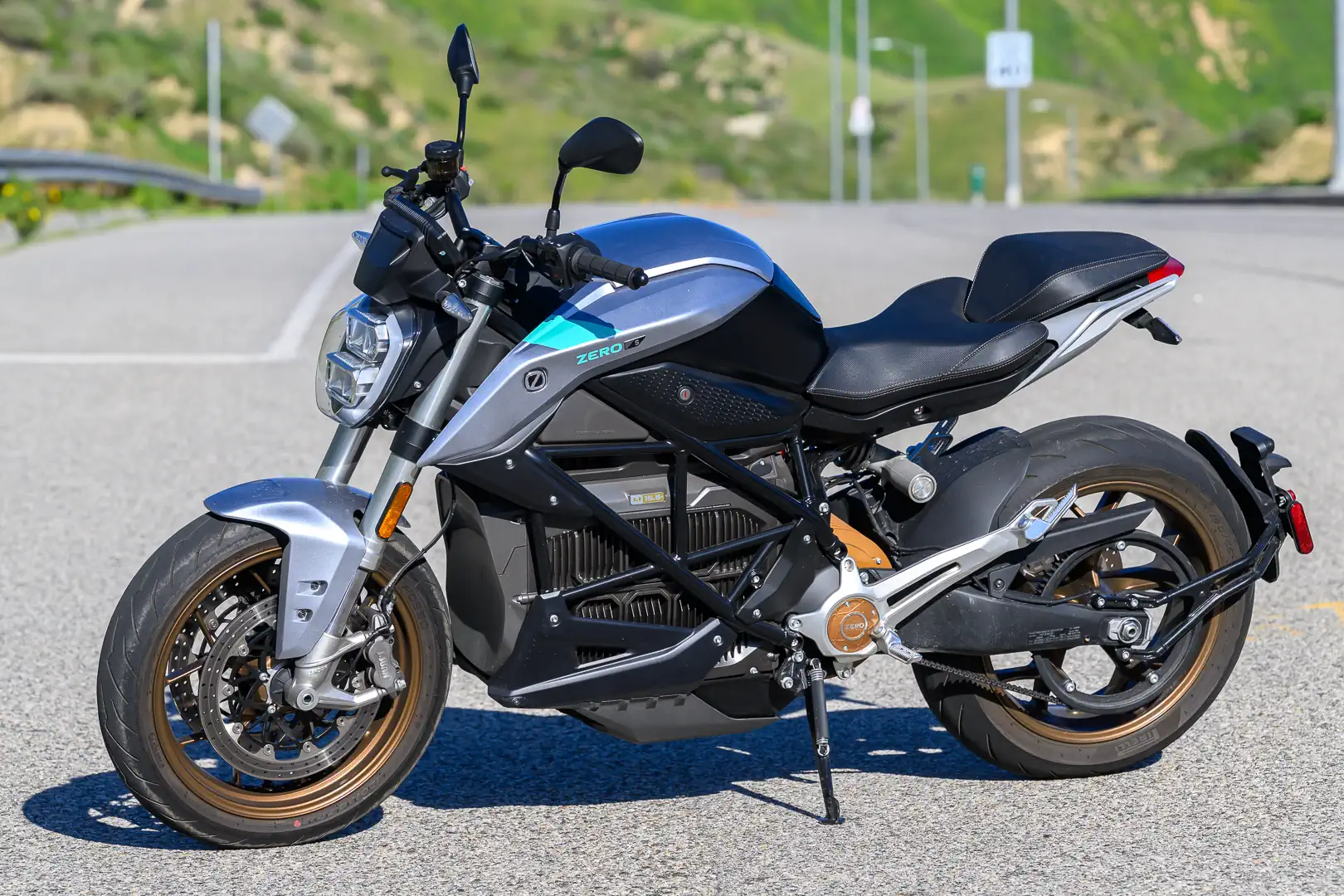
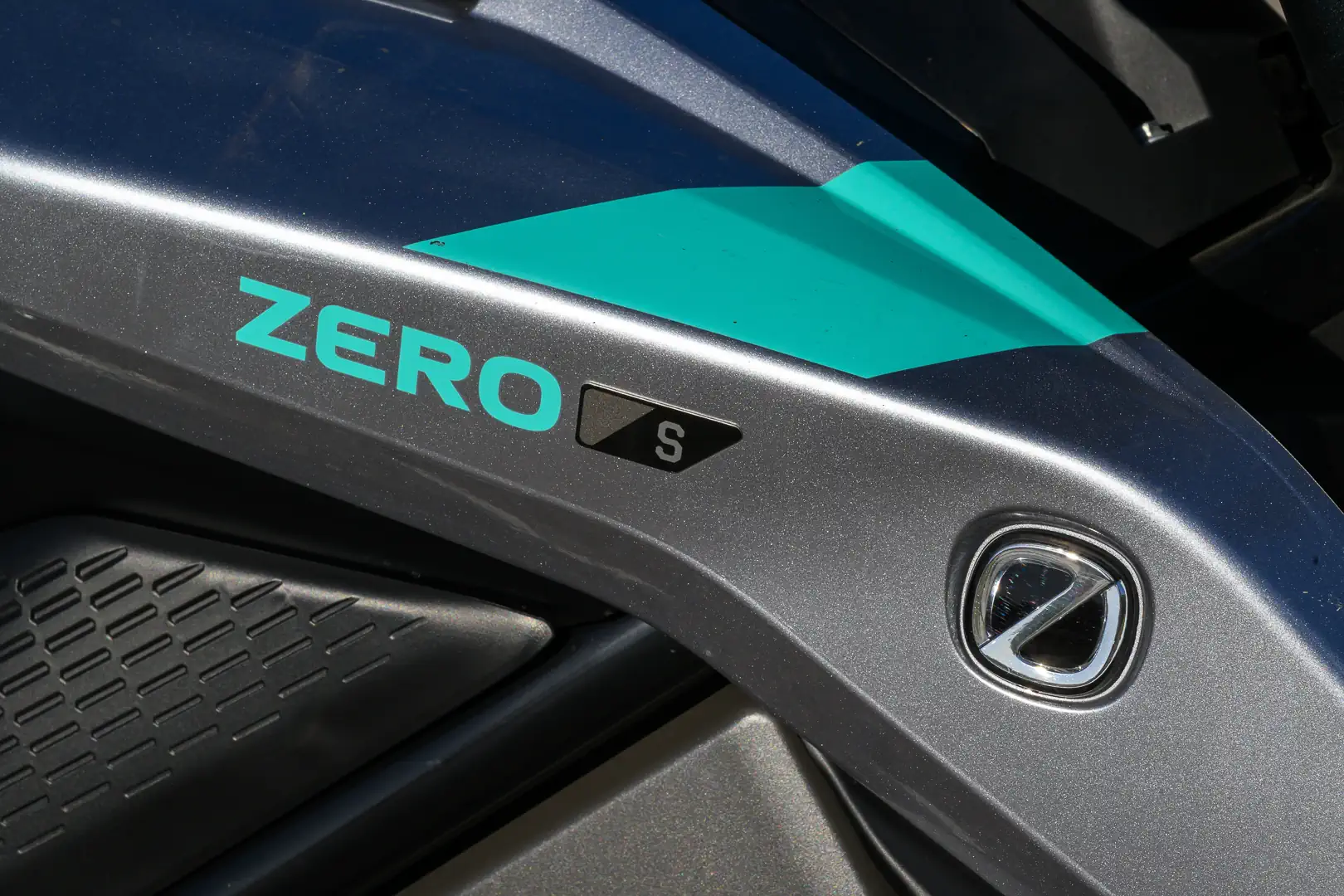
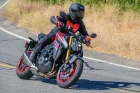
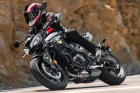
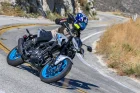
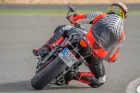
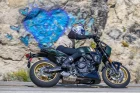
The 2025 Zero S reminds me of the ancient Indian Blind Men and the Elephant parable: “To learn the truth, we must put all the parts together. Let’s discuss this on the journey home.” Fortunately, we had the S for a long-term test, so we got to discover the different ways the electric sportbike can be ridden, which jobs it does best, and where it’s found wanting.
Before we get riding, let’s position the Zero S in your head, starting with performance.
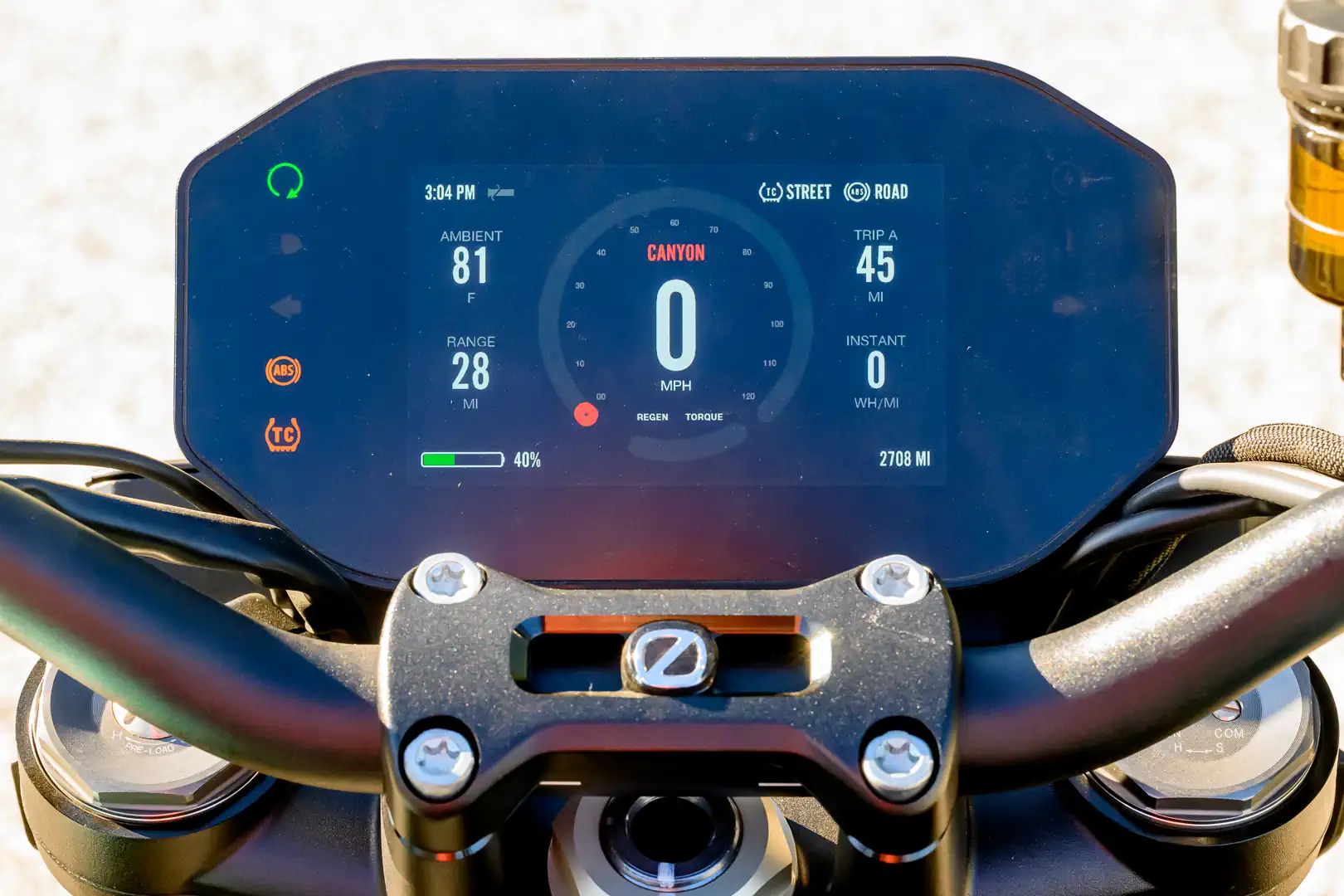
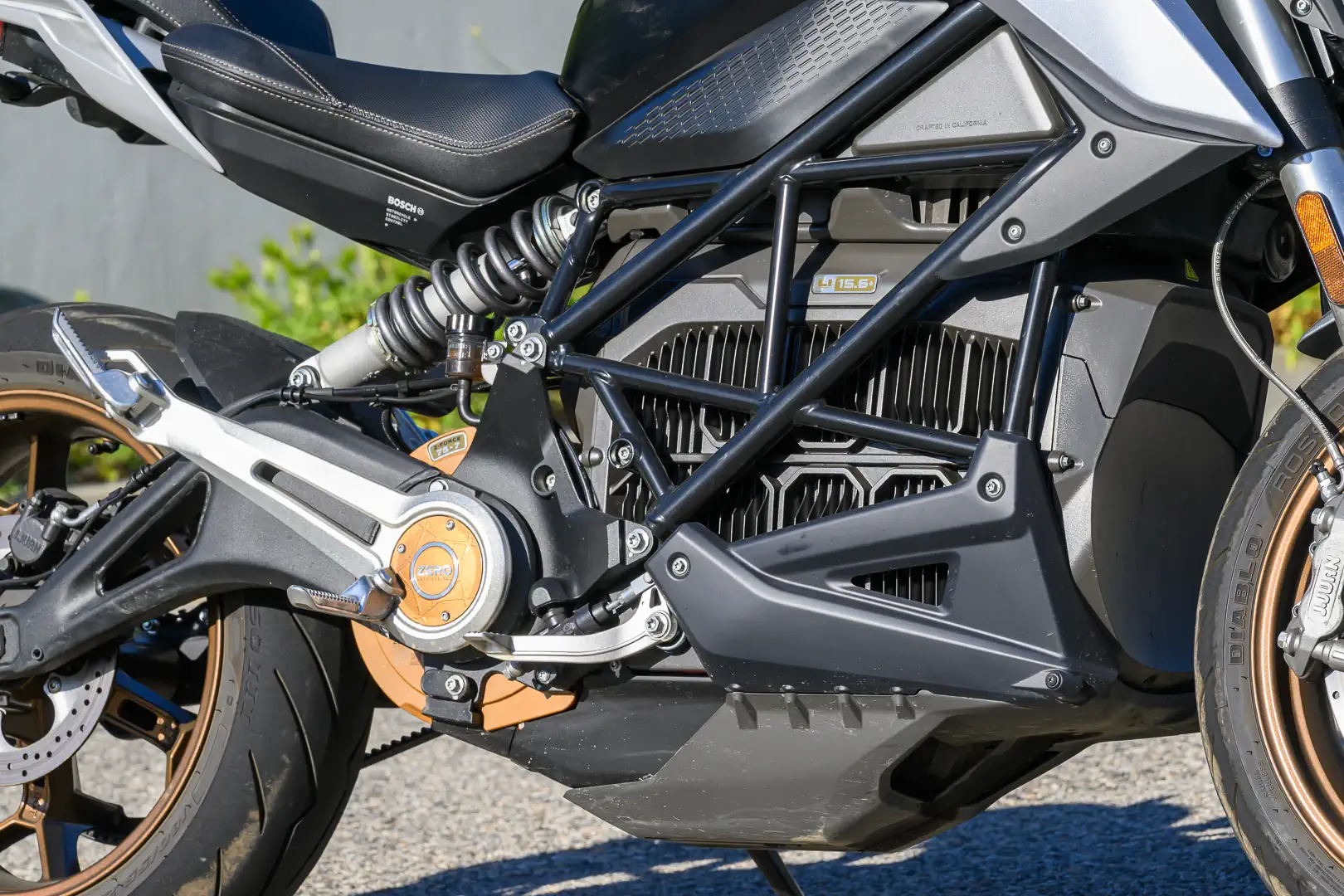
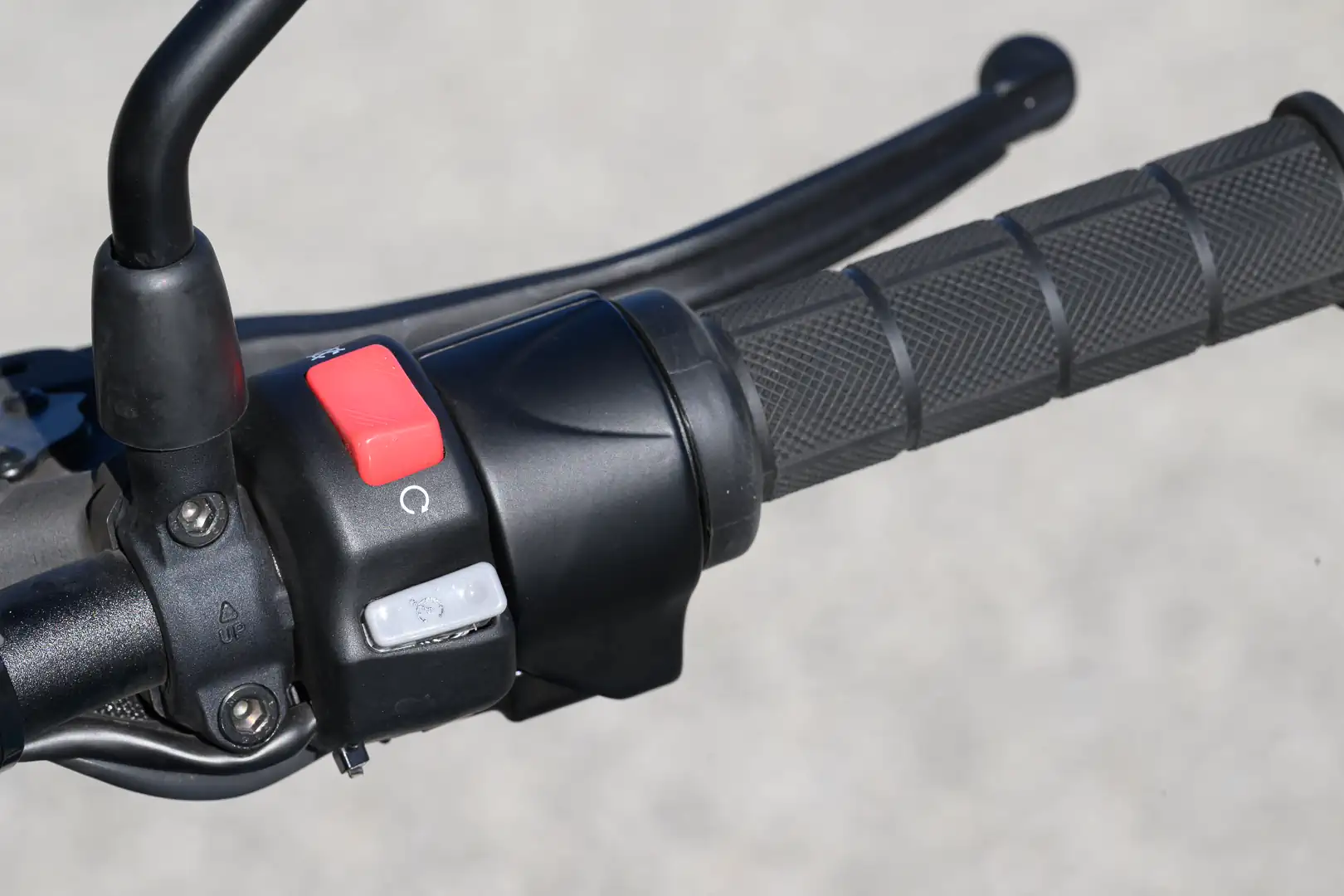
This $14,995 motorcycle features an electric motor with tremendous torque, hitting 97 lb-ft at its peak. The 68 peak horsepower output from the Z-Force 75-7 interior permanent magnet AC motor is modest, with a top speed of 104 mph and a maximum sustained speed of 81 mph. Riding the Zero S confirms those numbers at the seat of the pants. There are five power modes: Sport, Canyon, Standard, Eco, and Rain.
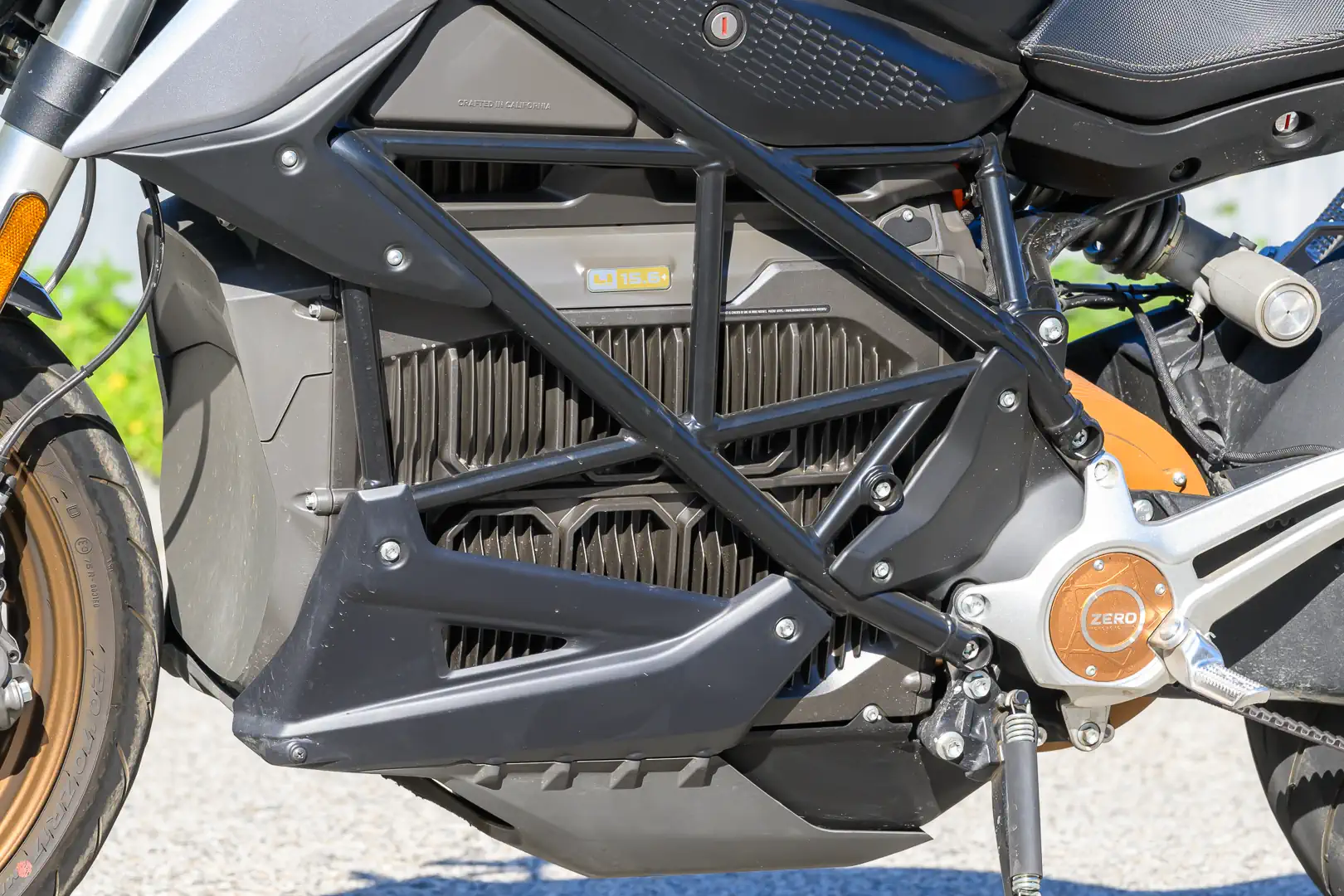
Now, we’ll go over the range and charging performance that you get from the Z-Force 14.4 kWh lithium-ion battery, the same battery used on the DS. The range, as is the case with conventional motorcycles, depends on how you ride it. For instance, freeway commuters can coax about 100 miles out of a charge. City riders could get up to 154 miles while working through red lights and stop signs. Charging the battery from a 120-volt outlet at home will take 9.2 hours if the battery is flat, with that dropping to 5.8 hours for the charging sweet spot of 20 to 80 percent. The optional $3000 Rapid Charger cuts the 20 to 80 percent charge time to 49 minutes, though you’ll need the infrastructure to support it. Our experience is that 120-volt charge numbers are pretty accurate, as we didn’t have the Rapid Charger.
We can start on a positive note by telling you that the Zero S is a fantastic commuter bike that’s virtually maintenance-free. If you’re looking at no more than a 40-mile commute each way with plenty of fast time on the freeway, you’re set. That covers about 85 percent of commuters. You can take care of all the charging at home overnight, and you’ll be free of range anxiety. If not, you’ll have to arrange a way to charge the bike at work so you can get home. A slower commute might stretch that to 50 miles each way. As is especially true with EVs, your mileage may vary.
Associate Editor Kelly Callan and contributor Darren Bart put plenty of miles on the Zero S as commuters, and both were impressed.
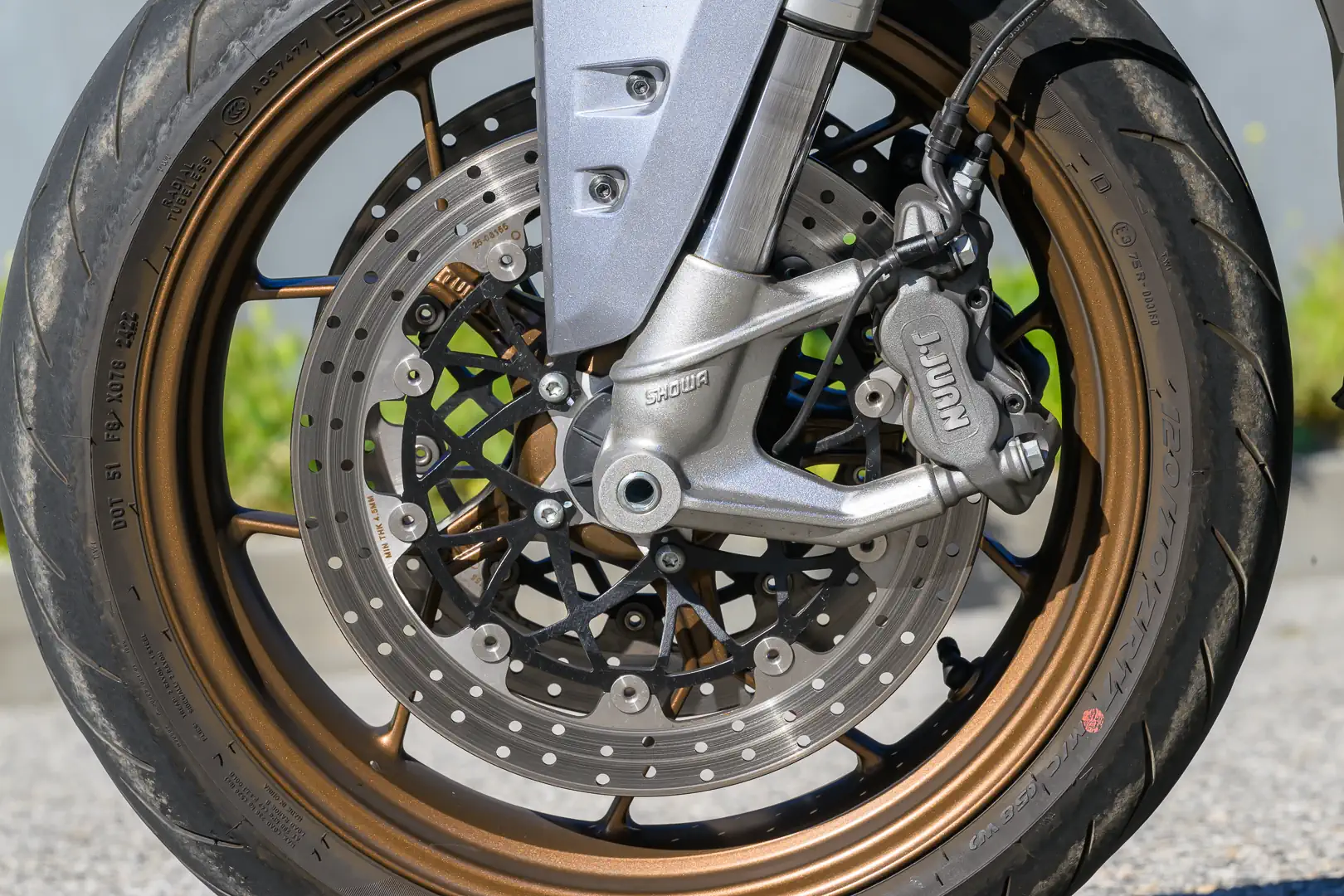
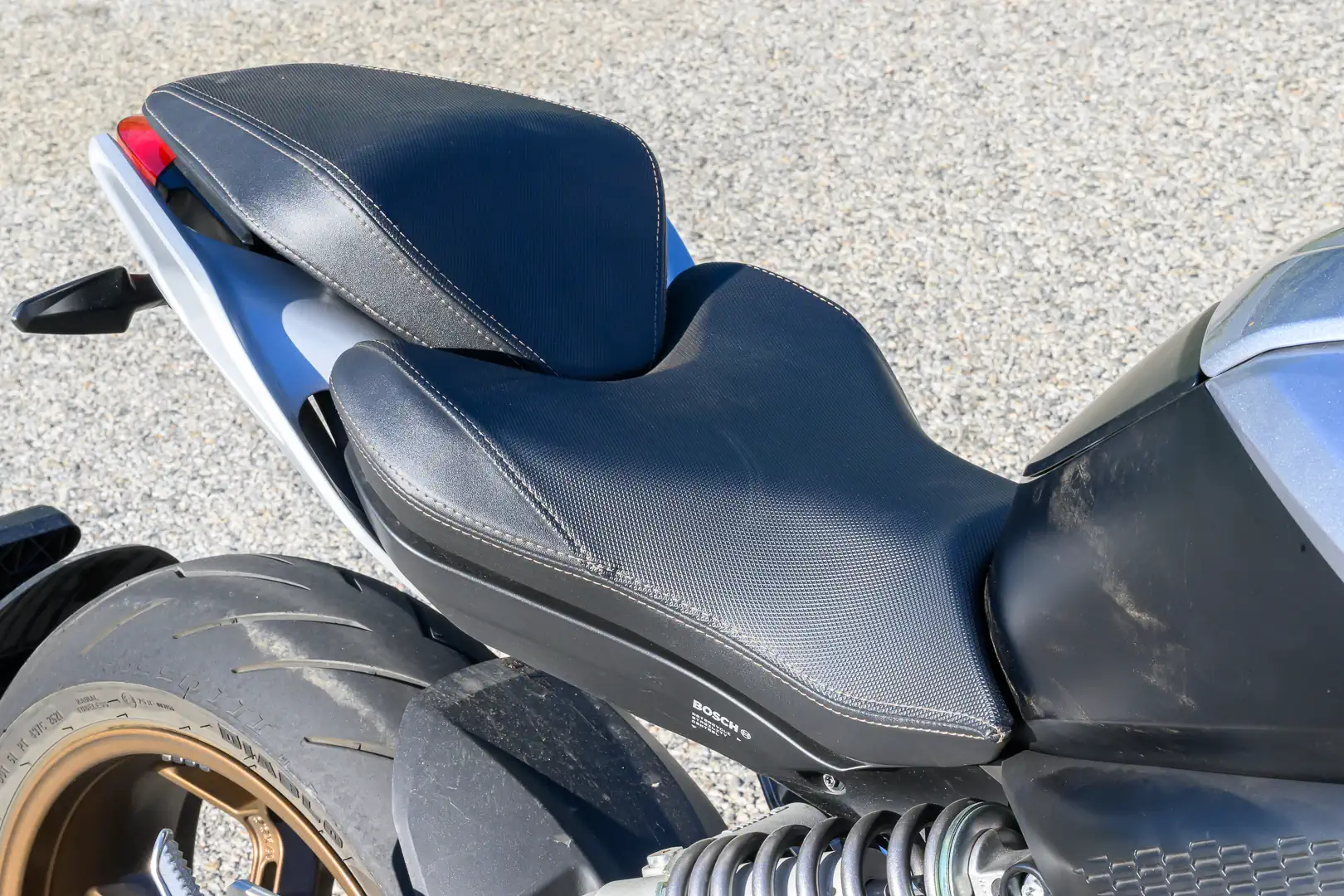
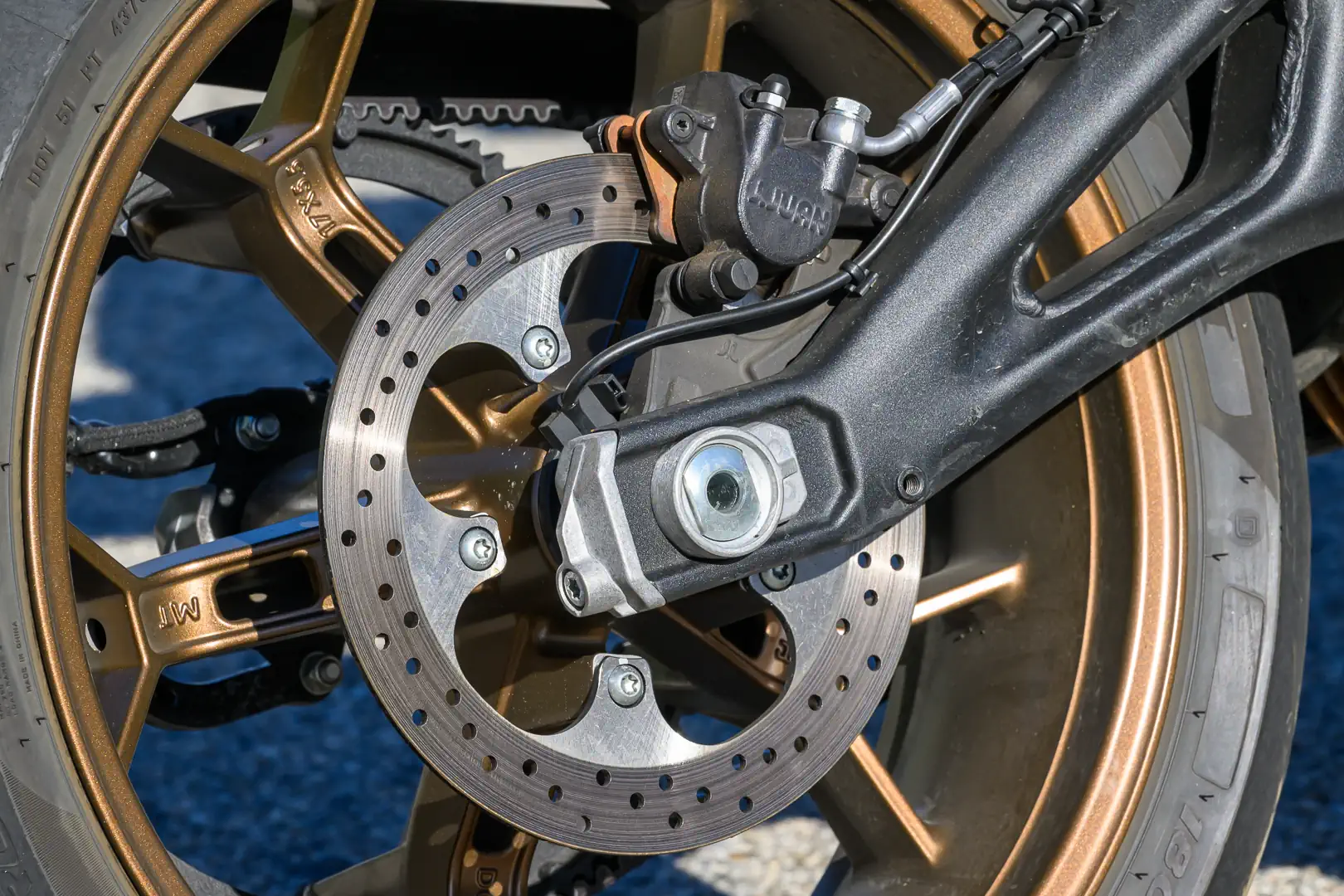
Kelly owns a Nissan Leaf, so she’s familiar with EVs and had no problem adapting to the Zero. She liked the solid feel the 492-pound S gives her, and the Showa suspension doesn’t beat her up, even though she weighs just 115 pounds. She preferred the Canyon riding mode, with its snappy throttle and extra regenerative braking; when the throttle is off, the S slows down significantly in Canyon mode. Her riding style pushes the 81 mph sustained top speed, though she never found it a hindrance. She could hit the brief top speed when needed to clear traffic and then settle back into a pace less likely to result in a ticket. On-ramp acceleration is impressive, and the J.Juan brakes are strong on off-ramps without being touchy.
A confirmed ICE guy, Darren was not initially enamored with the Zero S. He said he felt vulnerable without the sound of a motor alerting other drivers to his presence. He wanted to swap the S out for a traditional motorcycle, but I insisted that he get more seat time. Even though his commute is 25 miles each way, he always carried the charger with him and topped off the battery at work. I was unsuccessful in my efforts to get him to leave the charger at home, as range anxiety is a real thing for EV novices.
Eventually, Darren got used to never having to go to the gas station, and got past his fear of audible invisibility. His disappointment at the lack of a clutch and gearbox gave way to an appreciation for the ease of use of the single-speed, clutch-free transmission and on-demand torque. Darren preferred the Sport mode, which reduces regenerative braking. At the end, Darren came around to enjoy the Zero S and was reluctant to return it when I needed it back.
As long as you live close enough to work to use the Zero S, and about the vast majority of Americans do, it is the ideal commuter motorcycle. Incredibly smooth and effortlessly powerful, you arrive at work more relaxed than on a vibrating ICE motorcycle. Fatigue is reduced thanks to no shifting and no clutching, both of which take a toll on a rider when negotiating miles of traffic.
Also, the inability to stall the bike reduces tension and allows the rider to focus even more on the task at hand, which includes plenty of lane-splitting in California. A charge costs less than $2, though you are paying $14,995 for the ability to refuel inexpensively. Other maintenance requirements are low and infrequent, making the Zero S a master commuter.
If you’re looking at the 2025 Zero S as a sport bike, things get a bit murkier due to a few contradictions. There are two negatives at work here, including a peak of just 68 horsepower and a curb weight of 492 pounds. Each limitation hurts the S for sporting use in different ways.
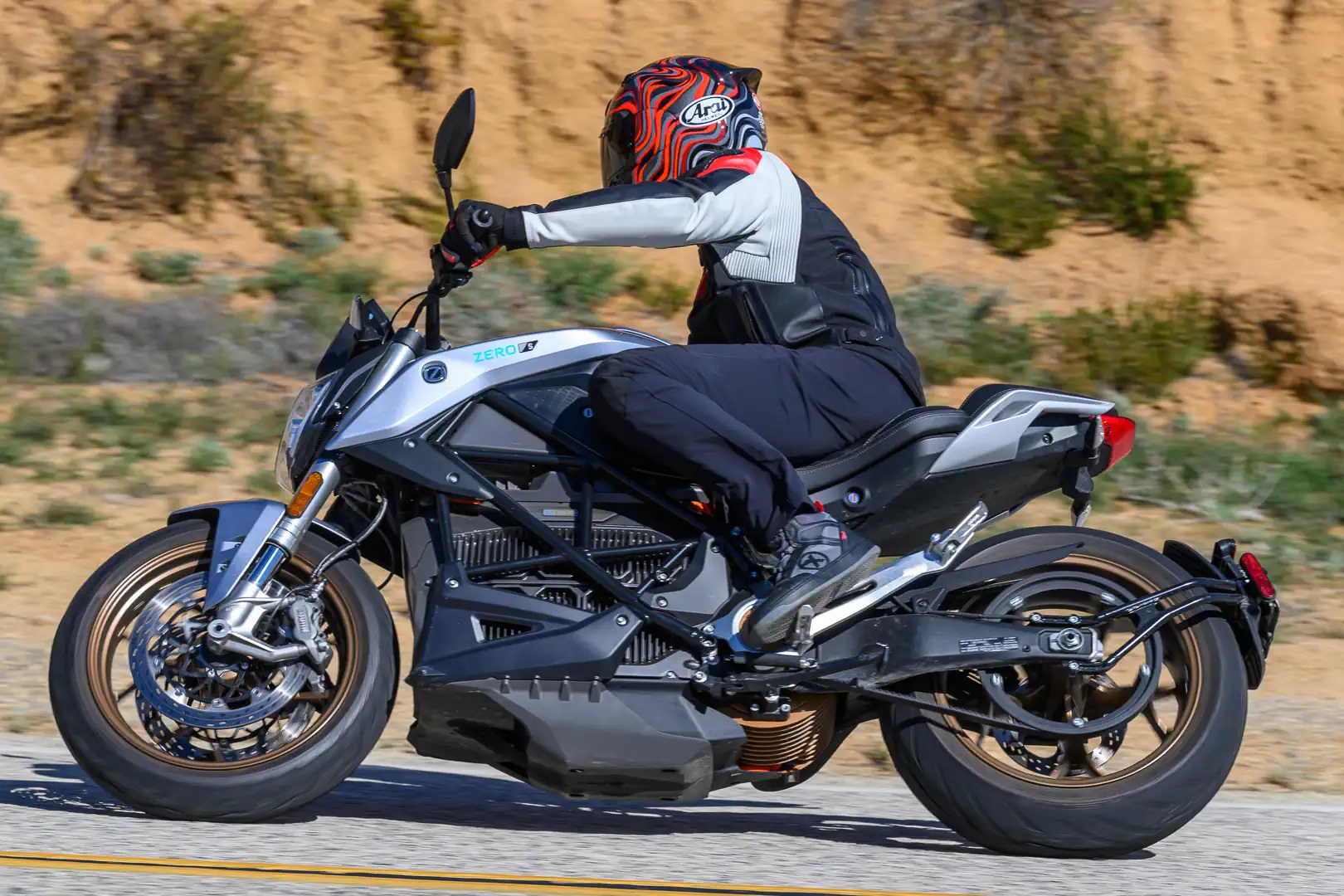
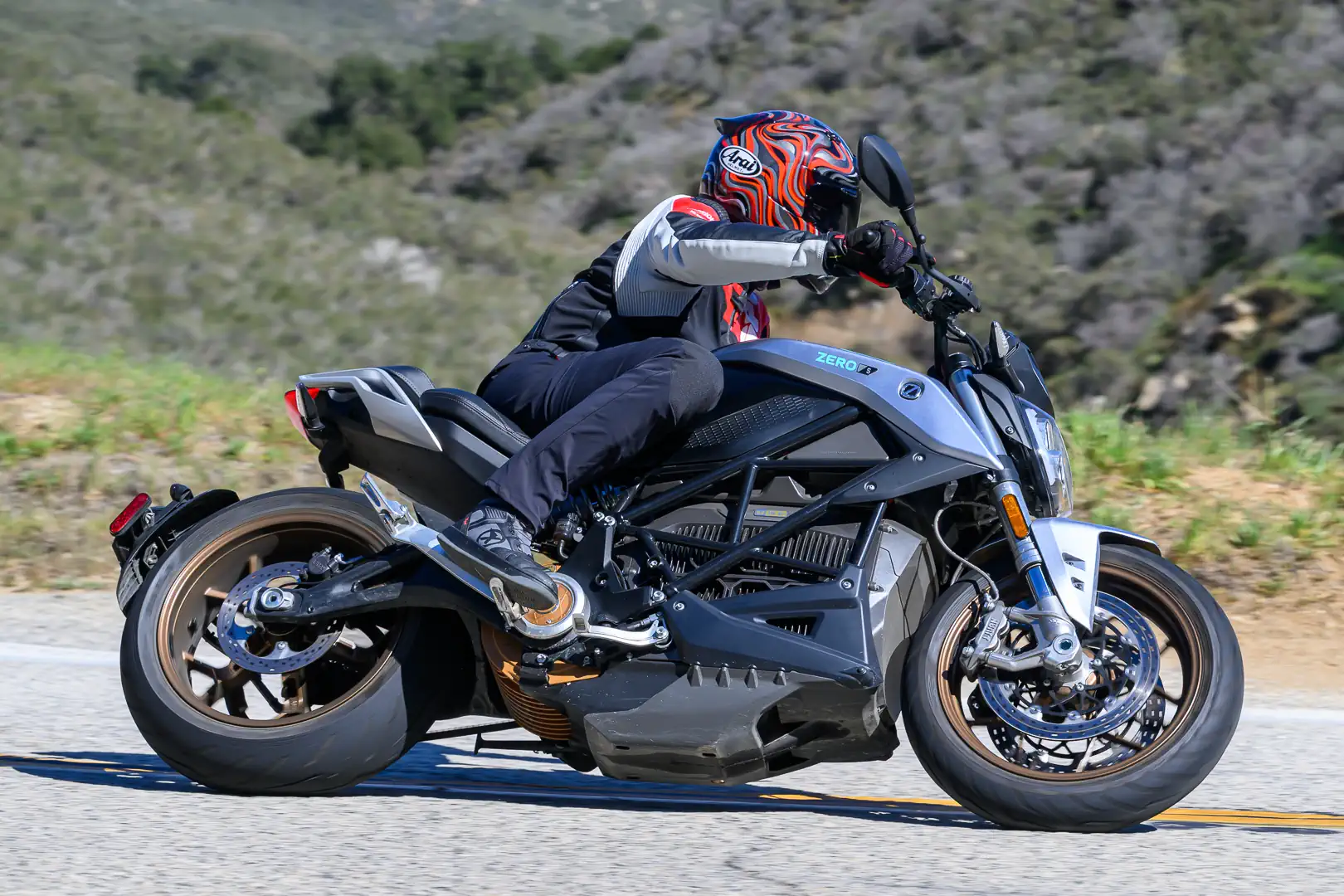
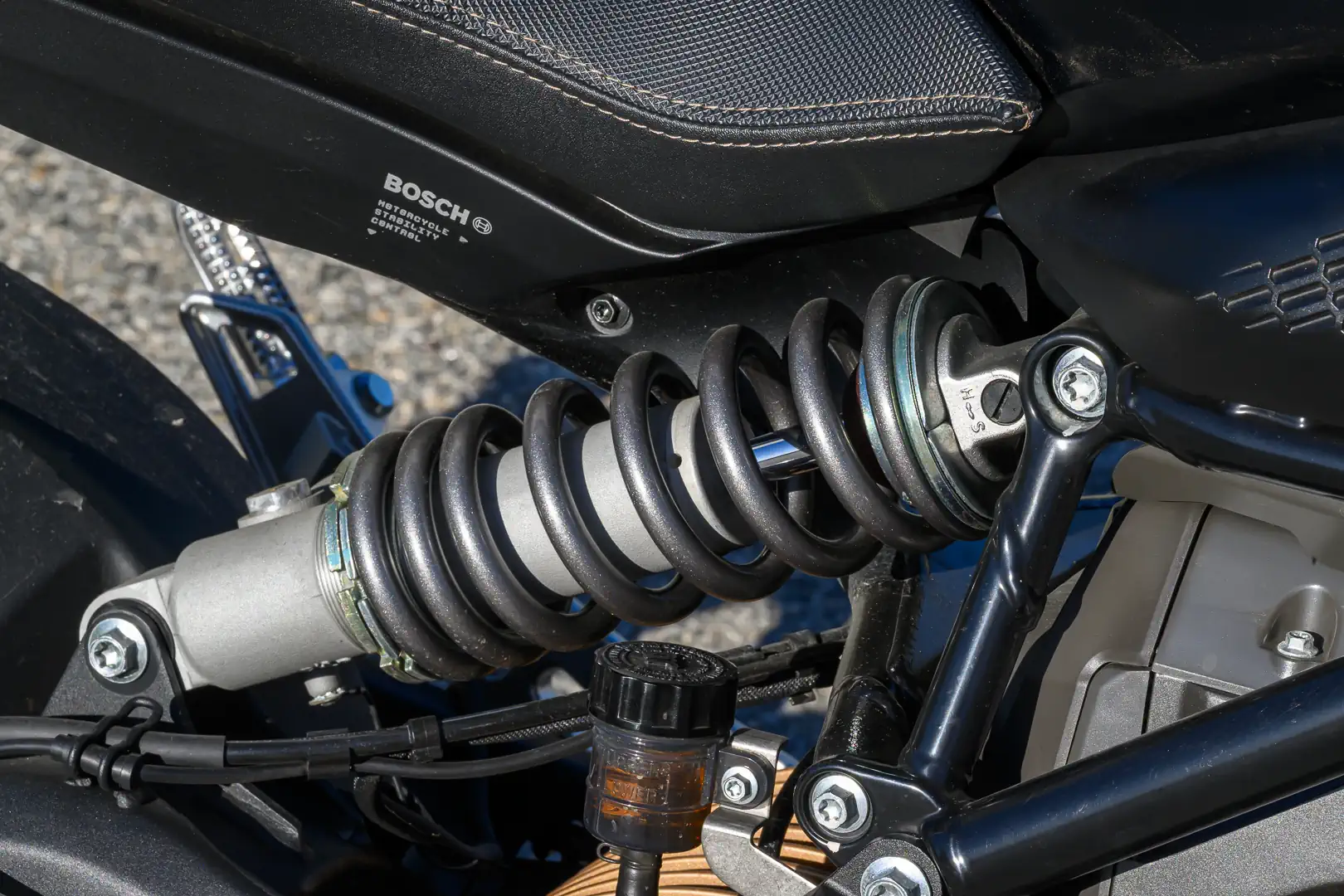
For high-speed sport riding, such as on the fast sweeping portions of Angeles Crest Highway or the lesser-known San Francisquito Canyon Road, the Zero S runs out of steam at high speeds. Remember, its claimed maximum sustained speed is just 81 mph. That’s unfortunate, as the S’s 62-inch wheelbase lends itself to high-speed sport riding. If you can live with the speed limitations, the S has nice manners in the big sweepers, with the Showa suspension preventing any wallowing. It’s a stately ride, and one that inspires confidence, while leaving you wanting when you’re ready to really hang it out.
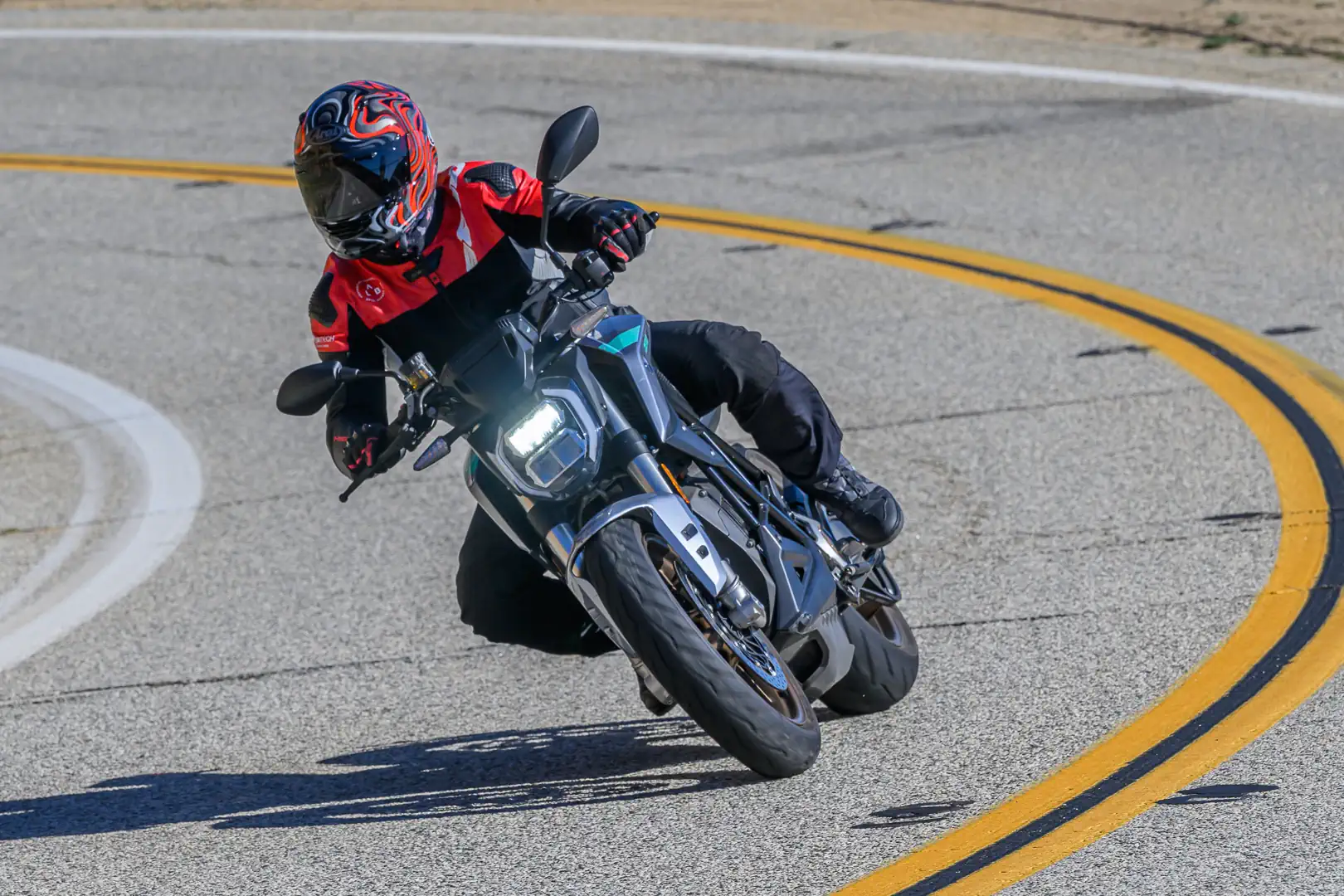
Kelly got the first taste of the Zero S in the tight twisties, as she navigated Mulholland Drive between Beverly Hills and Burbank after a dentist appointment. She immediately realized that pushing the torquey beast hard on the tight route was a challenge.
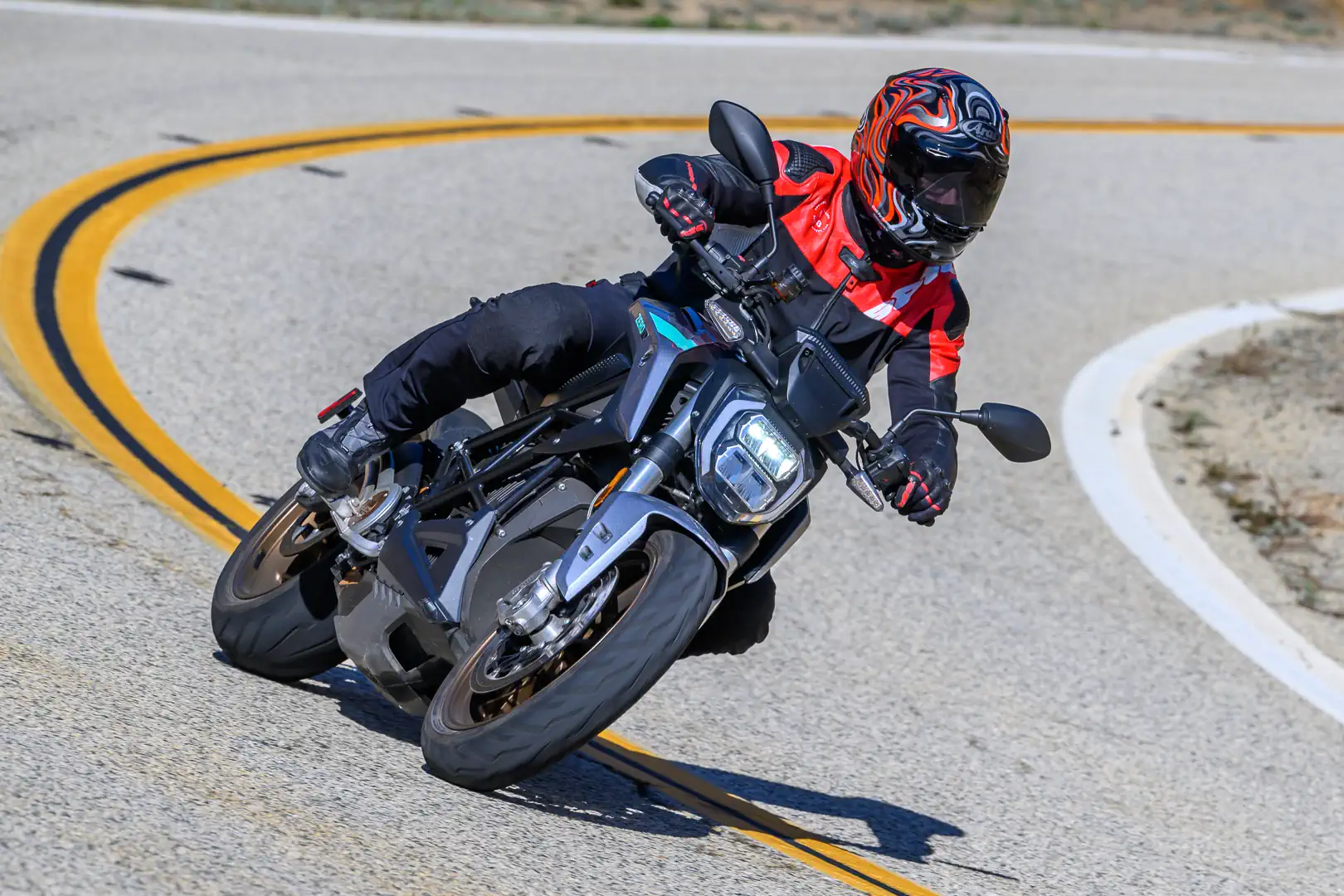
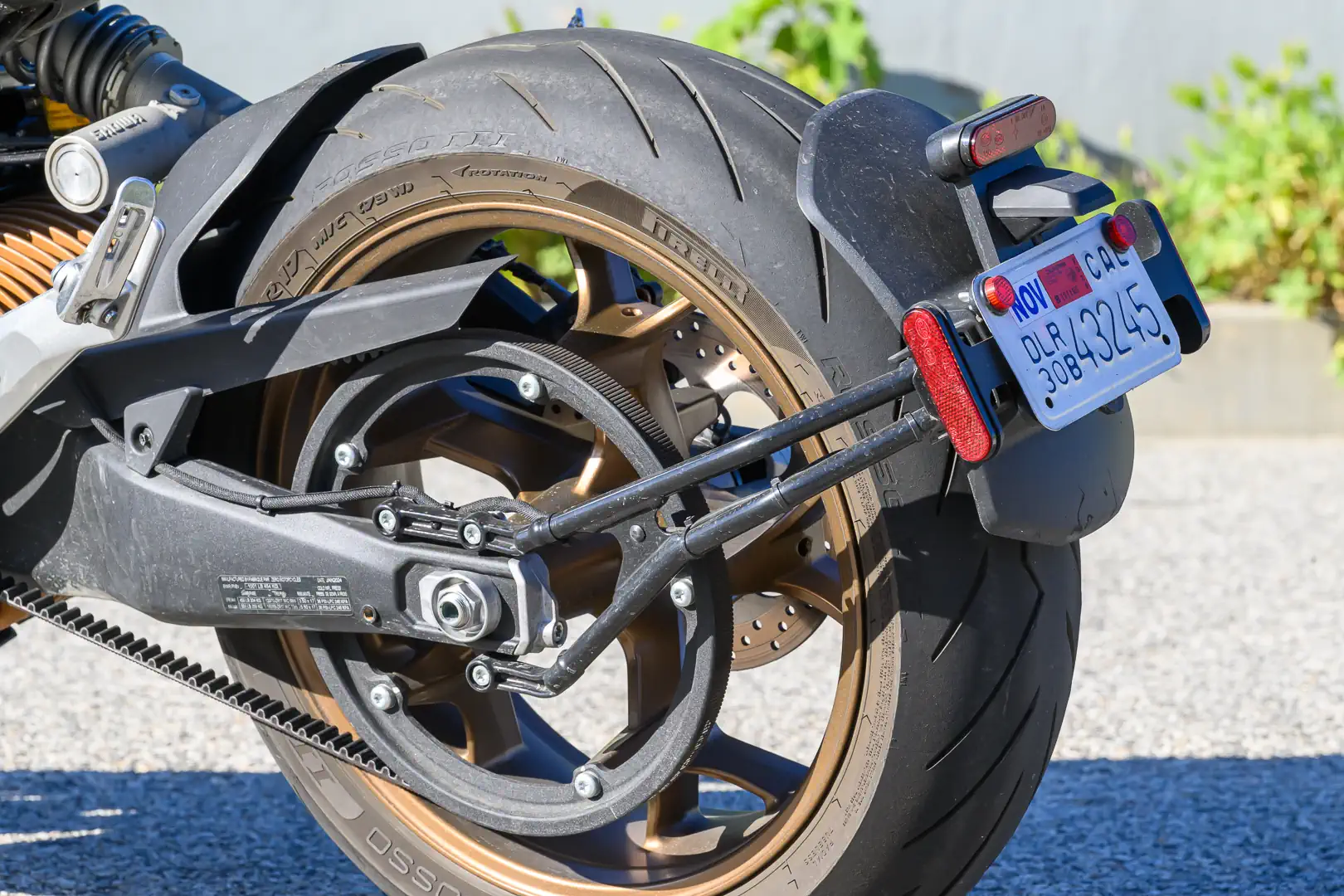
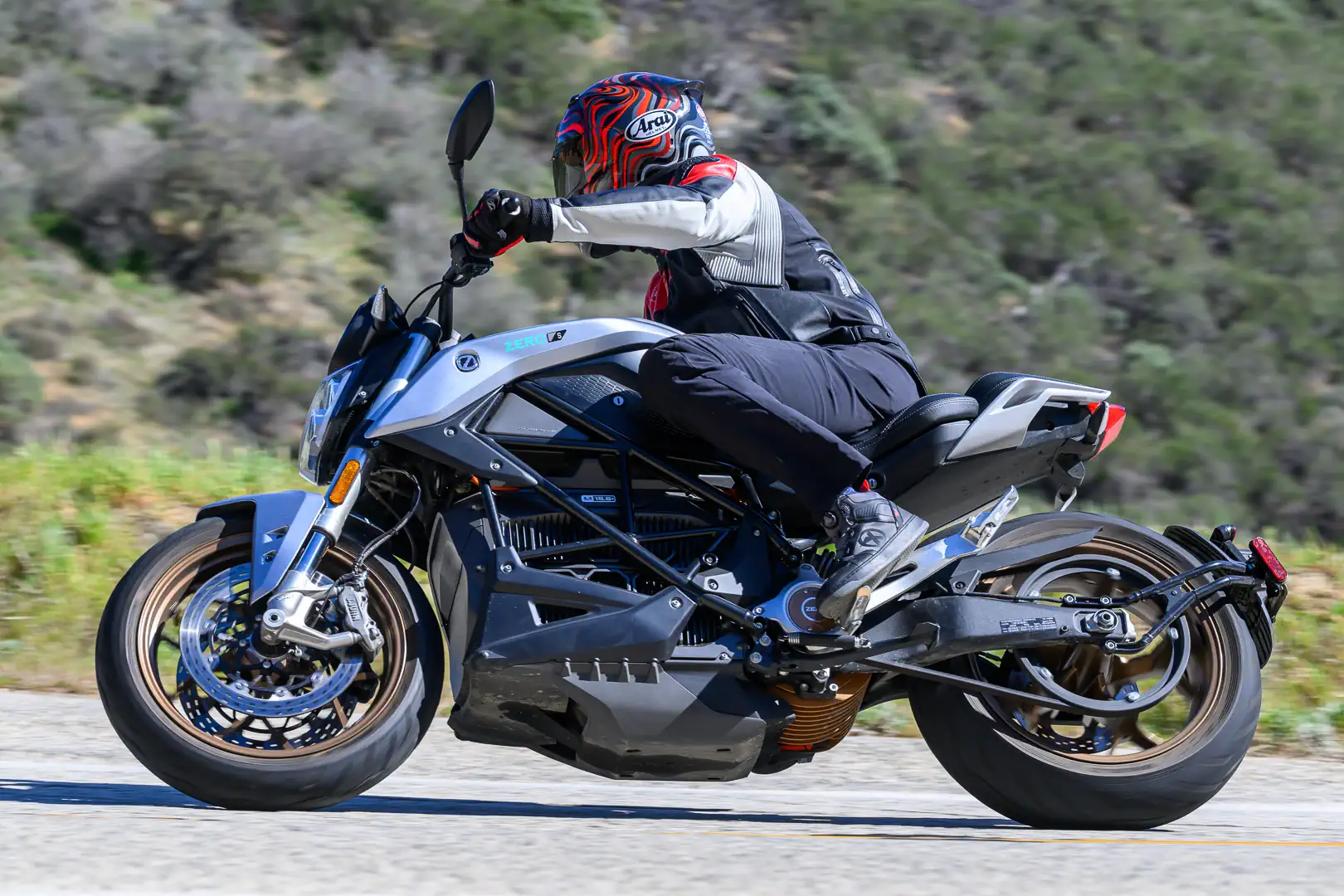
The S’s weight becomes quite apparent in multiple ways. Initiating a turn requires some muscle, despite the steep 24.5-degree rake and the sport-inspired Pirelli Diablo Rosso III rubber. Once the effort is put in, the S’s momentum is difficult to manage. Just as it’s hard to initiate the lean, it also requires work to stop it. The bigger and stronger you are, the less this will bother you, though it still is a challenge to stop the leaning once it starts. Exiting the corners is less of a problem, as the 97 lb-ft of torque is happy to stand the Zero S up.
Senior Editor Nic de Sena and I experienced the same challenges that Kelly did. Nic is a strong guy, yet he still struggled to properly set the S up for a tight corner when riding hard. I rely on smoothness, and the S’s hesitant-then-abrupt turn-in makes that difficult if I’m riding at anything harder than a casual pace. This issue persists, even though Nic prefers the low-regen Sport mode for its lighter and more consistent engine braking during deceleration. Meanwhile, Kelly and I rely on the high-regen Canyon mode. Braking is a strong point, between the radially mounted J.Juan calipers and the sticky Pirellis. The issue is changing direction smoothly and predictably.
The 2025 Zero S is a frustrating sport bike. It has a great motor for the tight stuff, yet the chassis undermines its performance. When the road opens up and the chassis works well, the motor doesn’t have the exhilarating response you want when you twist the throttle at high speed. Doubtlessly, Zero could provide that, though it would likely draw too much power or generate excessive heat.
Sport riding in the San Gabriel Mountains also reminds the rider that steep climbs ravenously eat up battery power. Here’s an example: Riding up Big Tujunga Canyon Road to Angeles Crest Highway via Angeles Forest Highway is 16 miles, yet it consumed 27 percent of the battery power. In normal use, you get about a mile for each percentage point. Riding aggressively 10 miles down Angeles Crest Highway to the Foothill Freeway used 6 percent of the charge, so you can see the impact elevation changes have. You go from consuming 1.7 percent per mile uphill, to 0.6 percent per mile on the way down. In the mountains, 26 miles used 33 percent of the battery’s charge. The 100-mile range quickly dips below 70 miles when on the throttle through the mountains.
Putting it all together, you’re left with a situation that leads back to urban and suburban riding as the bike’s natural habitat. The Zero S likes high speeds, yet the battery severely limits how far you can ride. Between the lack of charging infrastructure and the time it takes to charge, your time in the canyons is going to be less than an hour. If you’re riding in the tight, urban twisties, you’ll be battling the bike’s weight. We shake our fists in the direction of the EV gods!
At the opposite end of the spectrum, the 2025 Zero S acquitted itself nicely as a city bike. There, you can put the bike in Eco mode and enjoy the ride. While Eco mode is usually anathema to me, it’s great in the city. You can still easily hit 40 mph from a standing start by the time you hit the opposing crosswalk. That’s more than fast enough to leave four-wheelers in your wake. Sport mode will add about 10 mph to that intersection crossing speed, but do you really need that? Even riding aggressively on city streets, you’re going to be good for an all-day ride before you need to throw in some electrons.
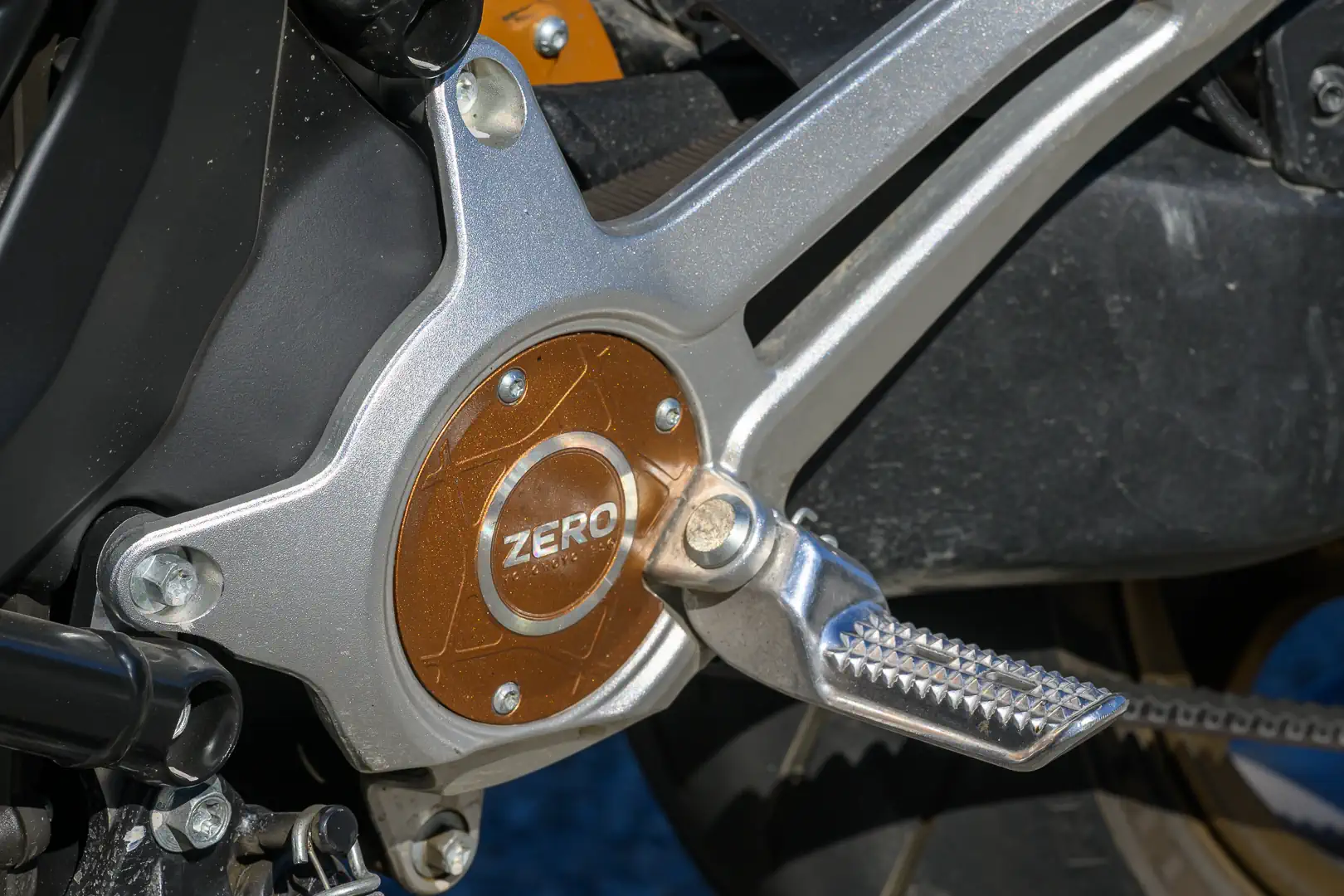
One repeated annoyance is the lack of a parking brake, which means you have to be sure you park on level ground. If you don’t, the S can roll off its kickstand. Zero offers a cable-operated Parking Brake Accessory Kit for $270, a feature we think should be standard. On the bright side, there’s a reverse mode that is easily accessible via the TFT dash. If you find yourself trying to back up a steep incline using your feet, you’ll remember that the bike weighs 492 pounds, and that’s not practical. Fortunately, it’s reverse to the rescue.
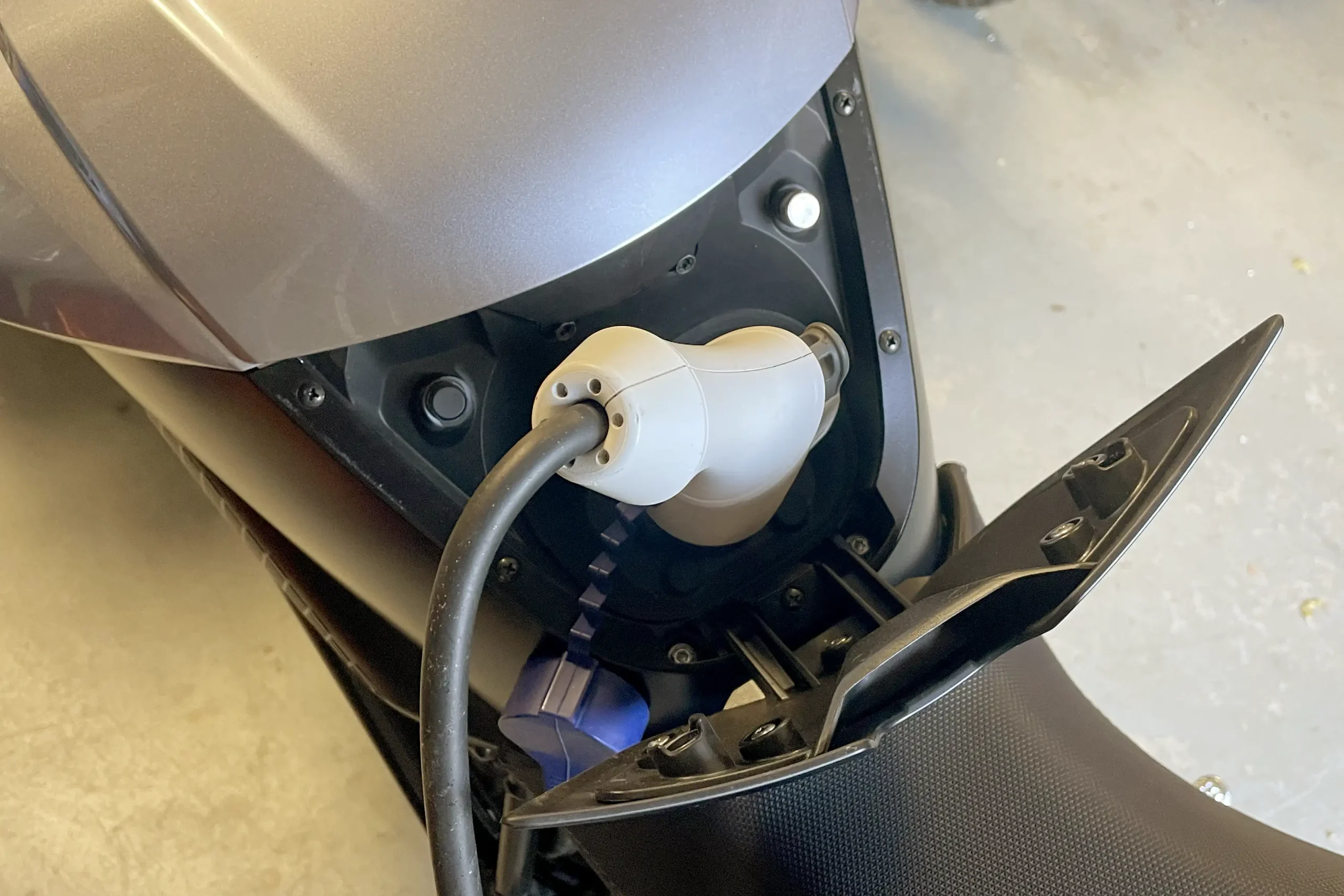
Charging at home is simple. Plug in the included EVSE cord — the familiar jug-style IEC cord that comes with the bike — to any standard 120-volt wall outlet, and you’re set. Kelly liked how straightforward it is, as it’s compatible with her Leaf’s setup. For public Level 2 stations, which make up most of the network, you’ll need to grab Zero’s official SAE J1772 adapter for about $170. It plugs right into the bike’s standard charging port, no mods required, though some stations have authentication quirks that can be finicky. Zero also sells a Tesla Tap Mini adapter ($260) for Level 2 Destination chargers, though it doesn’t include Supercharging access. So, while home charging is a breeze, public charging is still kind of a jungle out there for EV two-wheelers. At times, you’ll wonder why you didn’t just spend $4 more and buy a Yamaha MT-10.
After a full year of zipping around on the 2025 Zero S, we grew to love it on its terms. You have to get past what you want the Zero S to do, and appreciate what it can do, and what it does fantastically. For commuting and city riding, it’s a comfortable, stylish, and rewarding ride. Once you get past the city limits, you’ll have to curb your enthusiasm. That’s tough for motorcycle riders, as riding for many of us is all about freedom, and electric motorcycles still have significant restraints.
Hello and welcome again to the Motos and Friends Podcast. This episode is brought to you by Leod Escapes.
* * * * *
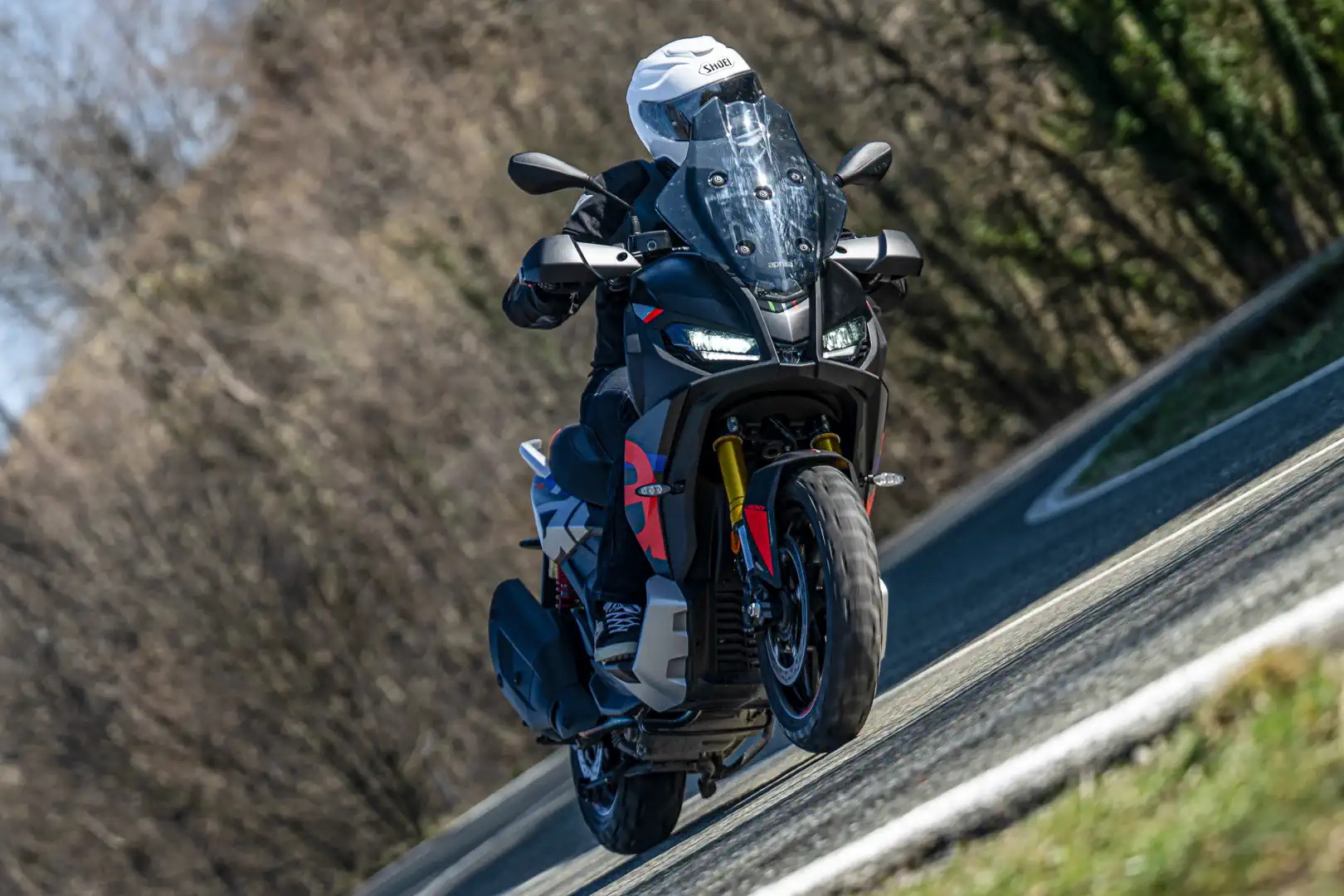
Aprilia is bringing a scooter to North America, and it’s one designed to appeal to adventure motorcyclists. The SR GT 400 is a mid-size scooter built around a steel motorcycle-style frame, a 399cc single, and off-road-ready hardware. It reaches US dealers as soon as this month. Don Williams and Kelly Callan spent some time riding the Aprilia and were surprised by what they discovered. Is this a real motorcycle or just a good-looking urban scooter?
* * * * *
Cat McLeod is founder and owner of Leod Escapes, the ultimate tour company for sport-minded motorcycle riders. Cat talks to us this segment about some of his amazing European experiences and tours that include of course, riding some amazing MotoGP tracks on new BMW S1000RRs. If you like what you hear, now is the time to book your trip of a lifetime, so visit LeodEscapes.com to find out more.
* * * * *
Our guest this episode is Terry Vance, the multiple Motorcycle and Motorsports Hall-of-Famer. Terry is of course the former professional motorcycle drag racer, team owner, and co-founder of the high-performance parts company Vance & Hines. Teejay Adams chats with Terry about his incredible career that includes being the first rider to hit 200 mph in the standing quarter-mile.
Having won this year’s MotoAmerica Mission King of the Baggers championship with Hayden Gillim riding the Vance & Hines factory Indian Challenger, and with Harley-Davidson’s recent withdrawal, Terry gives us his thoughts on where the series might go from here.
* * * * *
Here’s quick reminder to check out our monthly digital magazine. It’s filled with everything you want to read on motorcycling, including some things you’ve probably not seen elsewhere. It’s absolutely free and you will find it on the Apple App Store and of course on Google Play as well.
Don’t forget to leave us your comments on our social media—we’re on all the usual platforms at Ultimate Motorcycling. We love hearing your feedback… so good or bad, please let us know what you think. If there’s something you’d like us to cover, we’d love to hear those ideas too!
We use cookies and browser activity on this website
Functional
Always active
The technical storage or access is strictly necessary for the legitimate purpose of enabling the use of a specific service explicitly requested by the subscriber or user, or for the sole purpose of carrying out the transmission of a communication over an electronic communications network.
Preferences
The technical storage or access is necessary for the legitimate purpose of storing preferences that are not requested by the subscriber or user.
Statistics
The technical storage or access that is used exclusively for statistical purposes.The technical storage or access that is used exclusively for anonymous statistical purposes. Without a subpoena, voluntary compliance on the part of your Internet Service Provider, or additional records from a third party, information stored or retrieved for this purpose alone cannot usually be used to identify you.
Marketing
The technical storage or access is required to create user profiles to send advertising, or to track the user on a website or across several websites for similar marketing purposes.