Riders of all ages can need medications of one type or another from time to time. Some conditions, such as high blood pressure, cardiovascular disease, diabetes, and many more, can require a person to use one or more medications on an ongoing basis. Sometimes, a non-prescription, over-the-counter (OTC) medication such as a cough syrup may be a part of the mix.
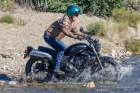
Photograph courtesy of Indian Motorcycle.
Note: This article is for general informational purposes only and is not intended as medical advice, diagnosis, or treatment. Always consult your physician or healthcare provider before making any changes to medications or riding plans. Ultimate Motorcycling and author Gary Ilminen, RN, assume no liability for any actions taken based on this information.
Most of the time, there won’t be serious problems with a person’s prescription medications for existing medically managed conditions. If you have ongoing medical management for chronic conditions, such as heart disease, high blood pressure (hypertension), diabetes, respiratory conditions such as asthma or chronic obstructive pulmonary disease (COPD), you are probably aware of your body’s response to the medications you take.
You don’t have to have a serious medical condition to need a medication from time to time. When you do, take its actions and side effects seriously. Whether using one or more than one, talk to your doctor about any precautions that may apply.
That said, even in that situation, there are things to keep in mind and talk to your doctor about as you get ready to ride, for example:
If the dosage or timing of a current medication is changed, there may be an increased risk for side effects. For example, increasing the dosage of a medication for high blood pressure could cause episodes of dizziness. This reaction is usually temporary, lasting until your body gets acclimated to the new dose. Ask your doctor about whether or not you should ride for a period of time until your body’s response to the dosage change is known.
Photograph by Gundula Vogel.
If a new medication is added to a current medication or to replace a current medication, get to know the potential side effects. New medications can affect your ability to ride safely (e.g., causing dizziness, drowsiness, weakness, or visual changes). Check with your doctor about any potential interactions between a new medication and existing medications you take, including any non-prescription or OTC preparations or supplements that may not be on the medication list your doctor is aware of. Supplements or non-prescription medicines can also interact with prescription medications.
Remember to take prescription medications as ordered by your doctor. Don’t change the dosage or timing of prescription medications without talking to your doctor. If your ride spans dosage times, be sure to take enough of your medications and related supplies along to prevent missed doses. This can be critically important for individuals with conditions such as insulin-dependent diabetes.
Photograph by Joshua S Kurpius, courtesy of Harley-Davidson.
If you have special medications that are taken only in certain circumstances, such as a bee-sting allergy kit (EpiPen), or a rescue inhaler for asthma, be sure to bring them along on every ride.
Some conditions make proper fit of your riding gear very important. For example, some individuals with diabetes or other conditions may have peripheral vascular disease and/or neuropathy affecting the lower extremities, resulting in reduced sensation in the feet. This makes the proper fit of riding footwear critically important. Foot injuries, such as blisters caused by incorrectly fitted footwear, may not be noticed due to reduced sensation in the feet, so prevention and early detection are very important. Once such injuries occur, healing may be difficult, and the potential for infection increases.
Whenever you ride, it’s a great idea to gear up with the highest protection options available. It’s easier than ever to get gear that’s right for whatever, wherever, and whenever you ride. Here’s our look at some of the options and information to consider when making a purchase:
Hello and welcome again to the Motos and Friends Podcast. This episode is brought to you by Leod Escapes.
* * * * *
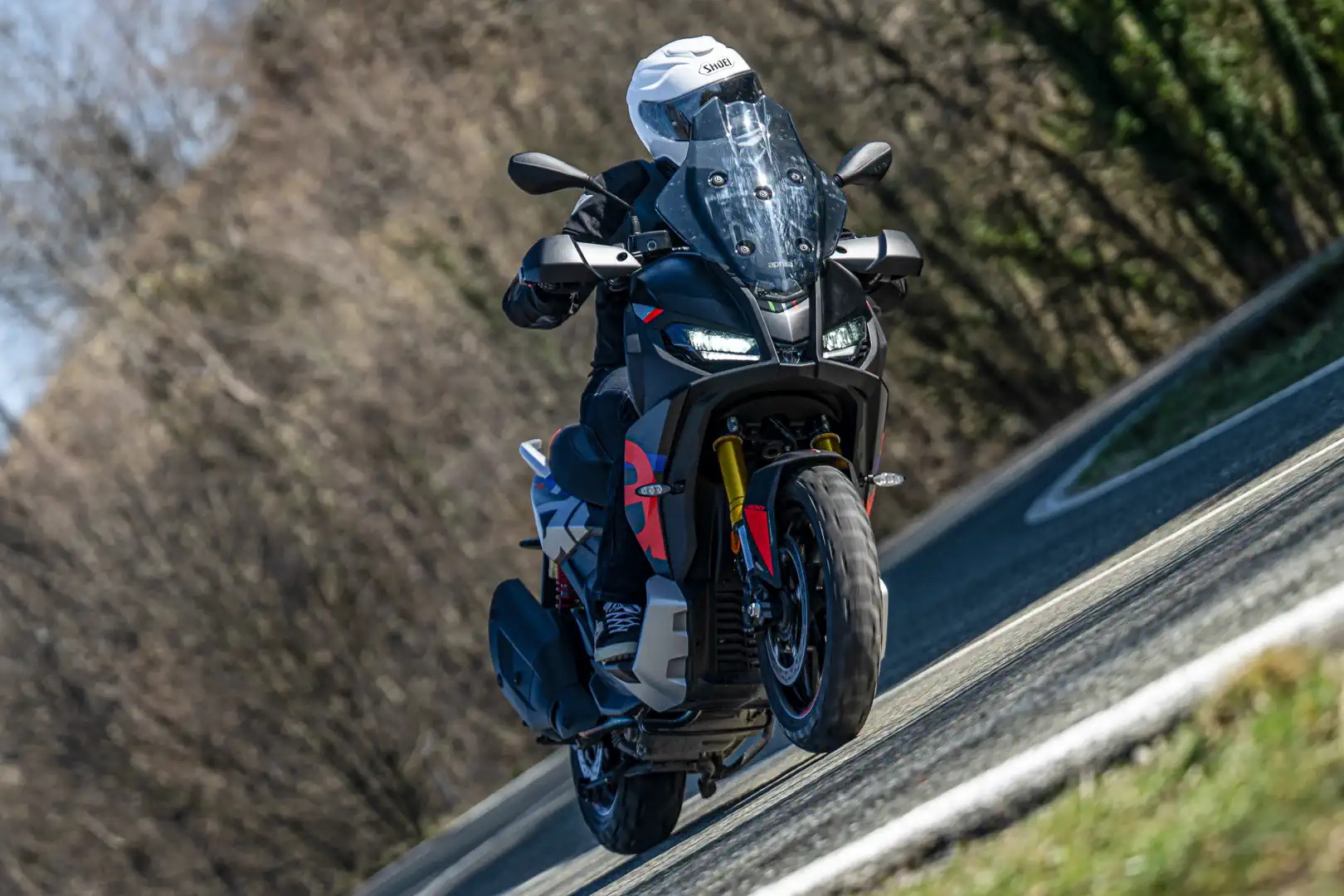
Aprilia is bringing a scooter to North America, and it’s one designed to appeal to adventure motorcyclists. The SR GT 400 is a mid-size scooter built around a steel motorcycle-style frame, a 399cc single, and off-road-ready hardware. It reaches US dealers as soon as this month. Don Williams and Kelly Callan spent some time riding the Aprilia and were surprised by what they discovered. Is this a real motorcycle or just a good-looking urban scooter?
* * * * *
Cat McLeod is founder and owner of Leod Escapes, the ultimate tour company for sport-minded motorcycle riders. Cat talks to us this segment about some of his amazing European experiences and tours that include of course, riding some amazing MotoGP tracks on new BMW S1000RRs. If you like what you hear, now is the time to book your trip of a lifetime, so visit LeodEscapes.com to find out more.
* * * * *
Our guest this episode is Terry Vance, the multiple Motorcycle and Motorsports Hall-of-Famer. Terry is of course the former professional motorcycle drag racer, team owner, and co-founder of the high-performance parts company Vance & Hines. Teejay Adams chats with Terry about his incredible career that includes being the first rider to hit 200 mph in the standing quarter-mile.
Having won this year’s MotoAmerica Mission King of the Baggers championship with Hayden Gillim riding the Vance & Hines factory Indian Challenger, and with Harley-Davidson’s recent withdrawal, Terry gives us his thoughts on where the series might go from here.
* * * * *
Here’s quick reminder to check out our monthly digital magazine. It’s filled with everything you want to read on motorcycling, including some things you’ve probably not seen elsewhere. It’s absolutely free and you will find it on the Apple App Store and of course on Google Play as well.
Don’t forget to leave us your comments on our social media—we’re on all the usual platforms at Ultimate Motorcycling. We love hearing your feedback… so good or bad, please let us know what you think. If there’s something you’d like us to cover, we’d love to hear those ideas too!
We use cookies and browser activity on this website
Functional
Always active
The technical storage or access is strictly necessary for the legitimate purpose of enabling the use of a specific service explicitly requested by the subscriber or user, or for the sole purpose of carrying out the transmission of a communication over an electronic communications network.
Preferences
The technical storage or access is necessary for the legitimate purpose of storing preferences that are not requested by the subscriber or user.
Statistics
The technical storage or access that is used exclusively for statistical purposes.The technical storage or access that is used exclusively for anonymous statistical purposes. Without a subpoena, voluntary compliance on the part of your Internet Service Provider, or additional records from a third party, information stored or retrieved for this purpose alone cannot usually be used to identify you.
Marketing
The technical storage or access is required to create user profiles to send advertising, or to track the user on a website or across several websites for similar marketing purposes.