

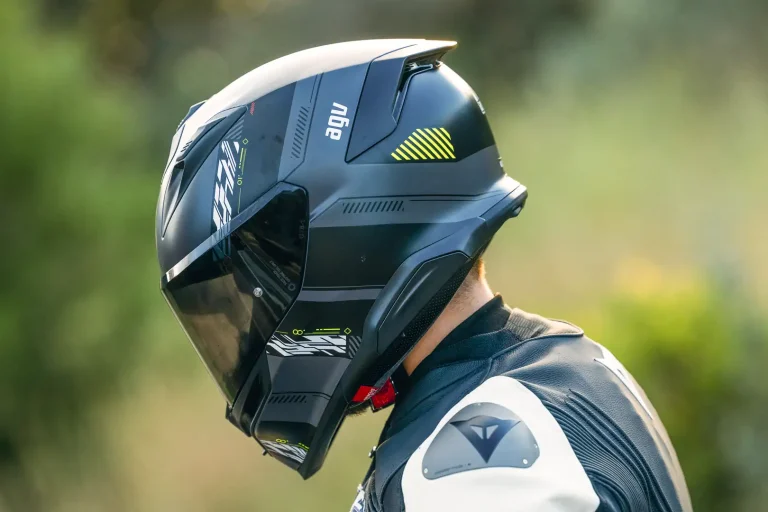
AGV has launched the K7, a full-face composite helmet aimed at riders who split time between sport riding and touring, or who combine both on a single ride. The Italian company describes it as the next step in its K-series lineup, which includes the K1 S, K3, and K6 S. The K7 is designed to be a versatile helmet suitable for touring, commuting, and canyon shredding. Let’s dive in deeper.
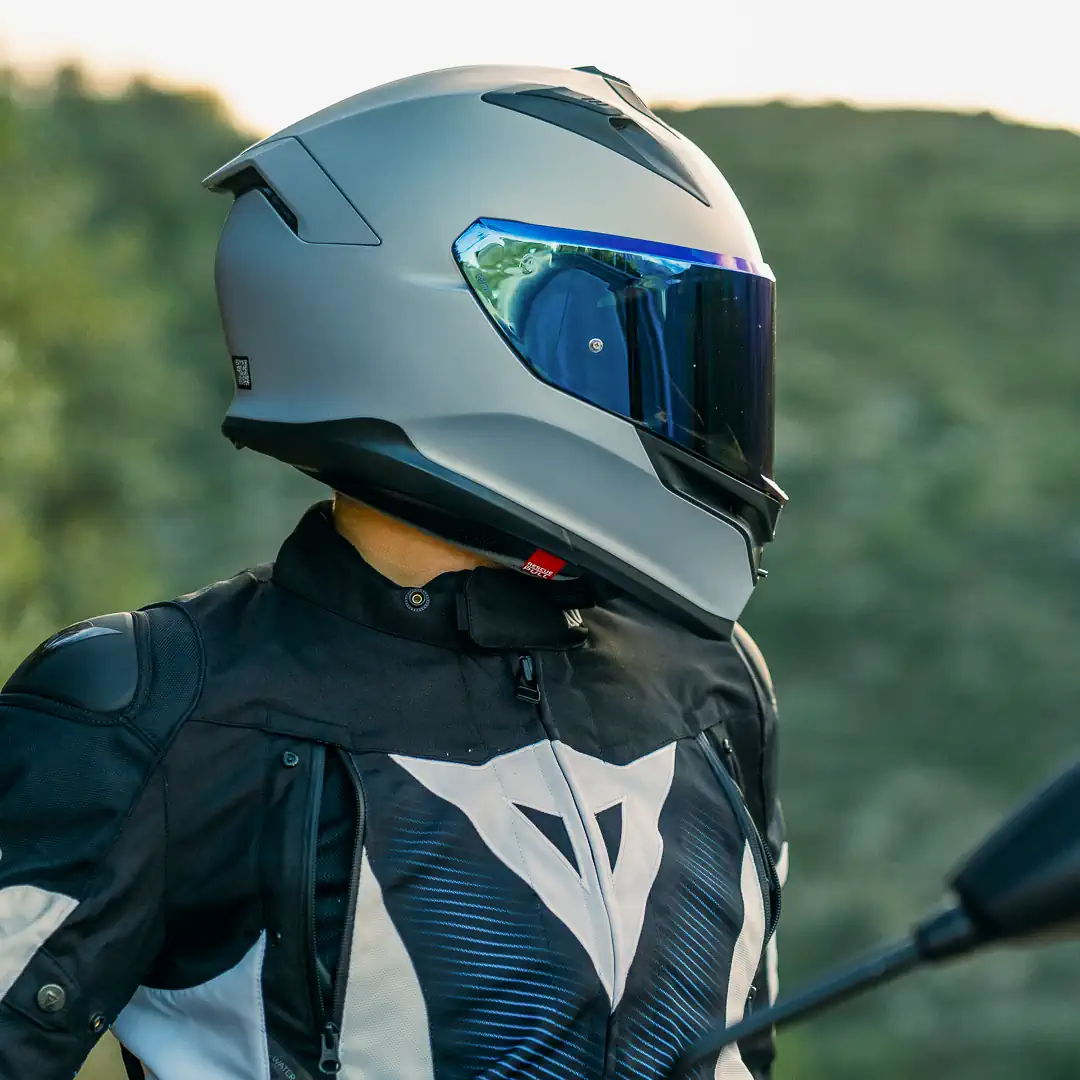
- The K7 uses a composite fiber shell. AGV claims this enables it to offer the most compact full-face road helmet in its category.
- The shell comes in three outer sizes, paired with four expanded polystyrene (EPS) liner sizes. This multi-size approach means the helmet fits a wider range of head shapes without forcing riders into a shell that is too large or too small for their head volumes. Not only does the proper outer shell size impact comfort, but it also changes how the helmet manages impact energy.
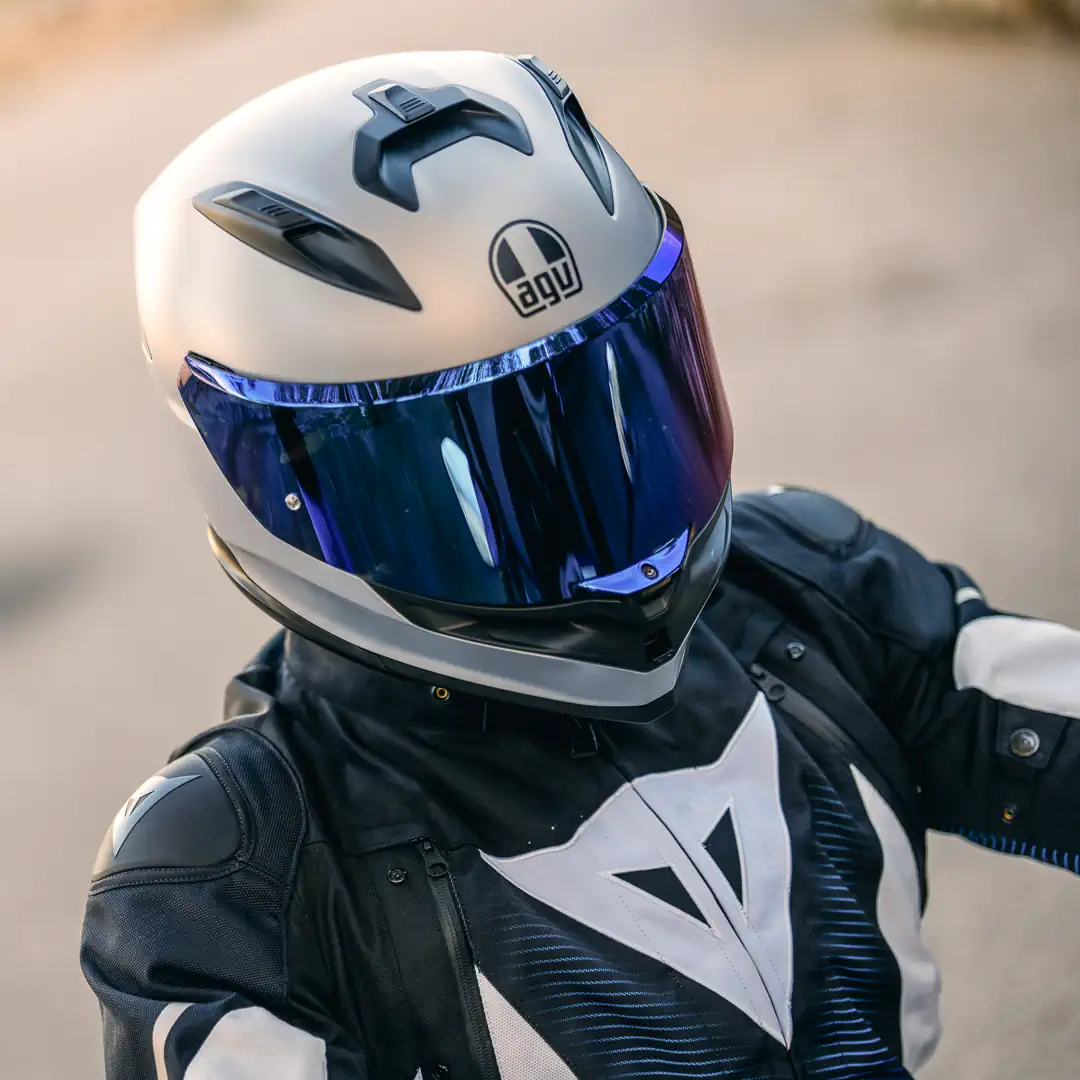
- Weight claims range from 3 lbs, 3.1 oz for the XS size to 3 lbs, 4.2 oz for the XXL shell. For a composite full-face helmet with a starting price of $630, those figures are competitive. The K7’s weight target reflects AGV’s stated goal of balancing protection and all-day wearability.
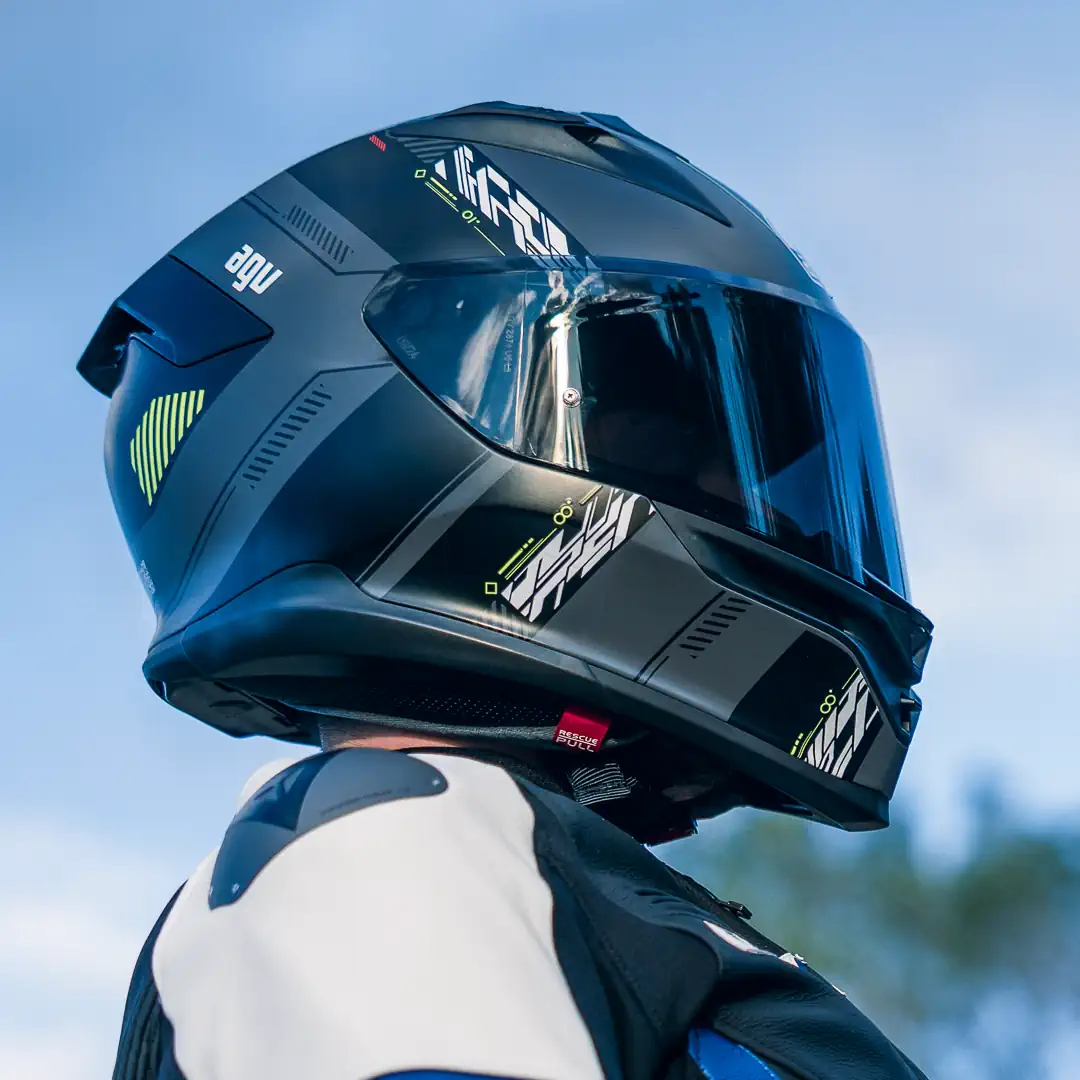
- The AGV K7 is certified to ECE 22.06, the current European safety standard. That is the most demanding, widely recognized international benchmark for motorcycle helmets. AGV states the K7 passes all ECE 22.06 tests by a significant margin under its internal Extreme Safety design protocol. As it is sold in the United States, it also meets DOT requirements.
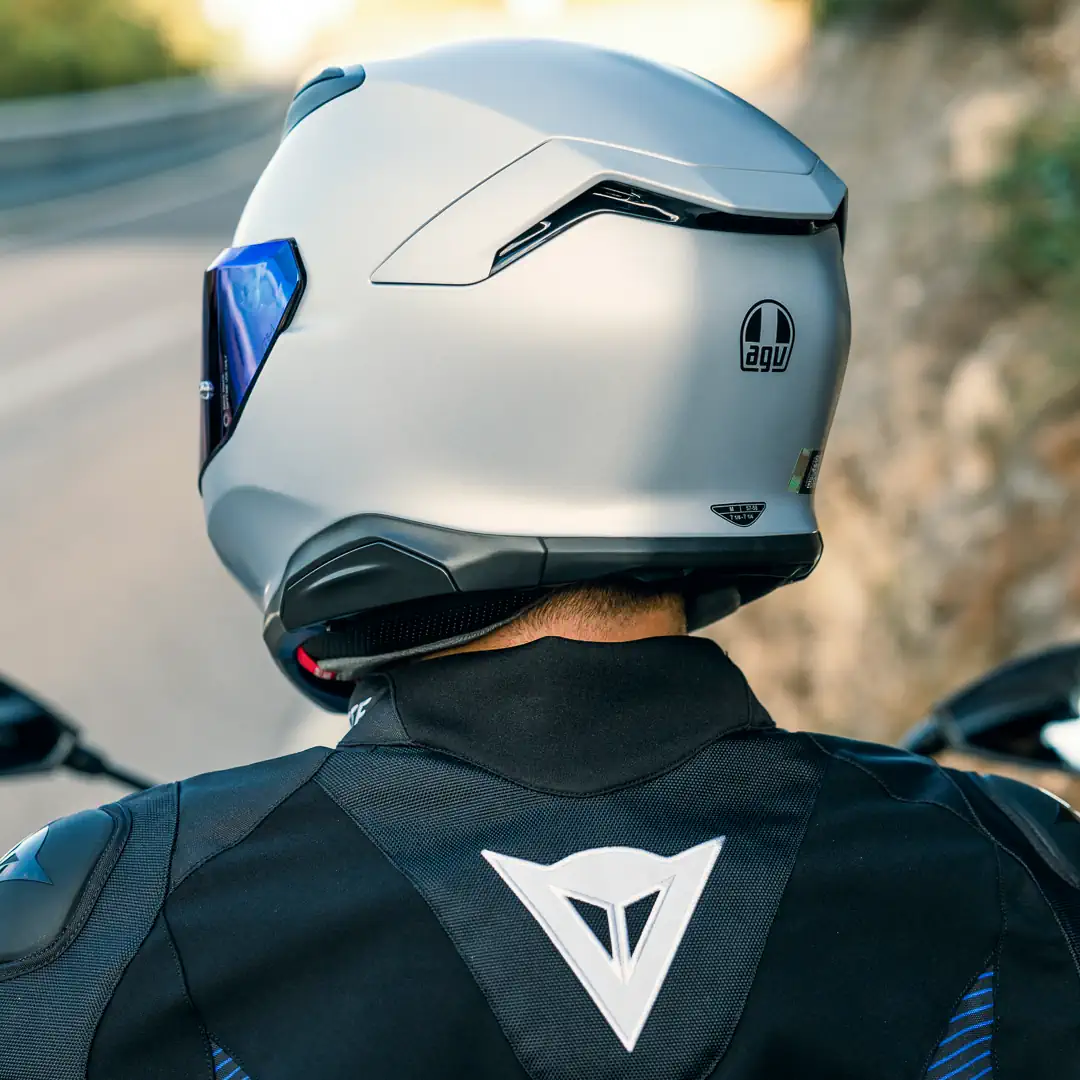
- The K7 includes a collarbone-protection profile. AGV developed this design feature for track use and carries it over to the K7 for street riders. The geometry of the chin and lower shell area is shaped to reduce the risk of collarbone impact in a crash. Collarbone breaks are among the more common injuries in motorcycle accidents, so engineering a helmet’s shape to reduce that risk is a meaningful safety feature.
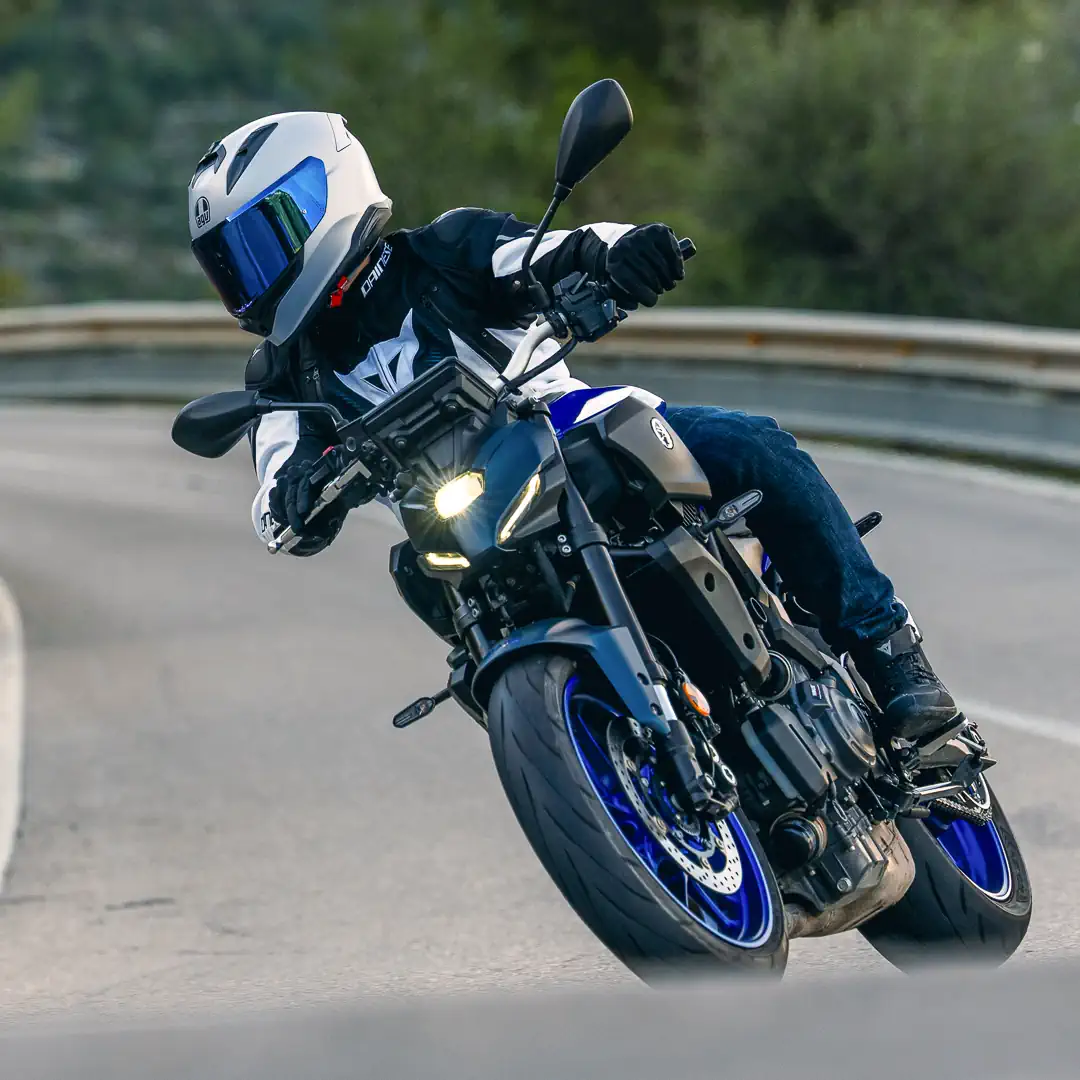
- AGV’s goal for the K7 is high-speed stability. The helmet is designed to remain planted on the rider’s head without creating lift or buffeting at speed. An integrated spoiler and optimized outer profile work together to reduce turbulence and vibration at highway speeds, reducing wind noise and rider fatigue.
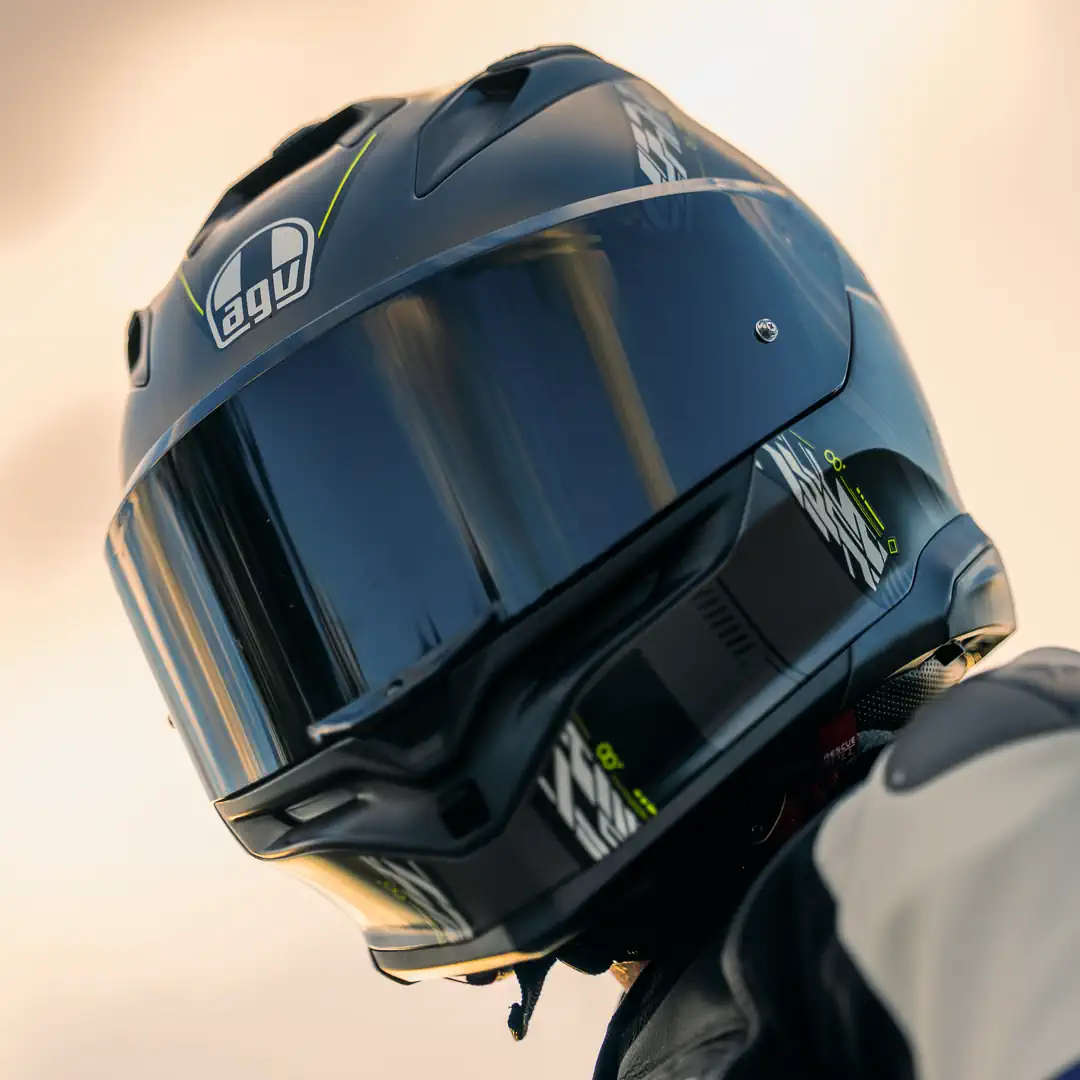
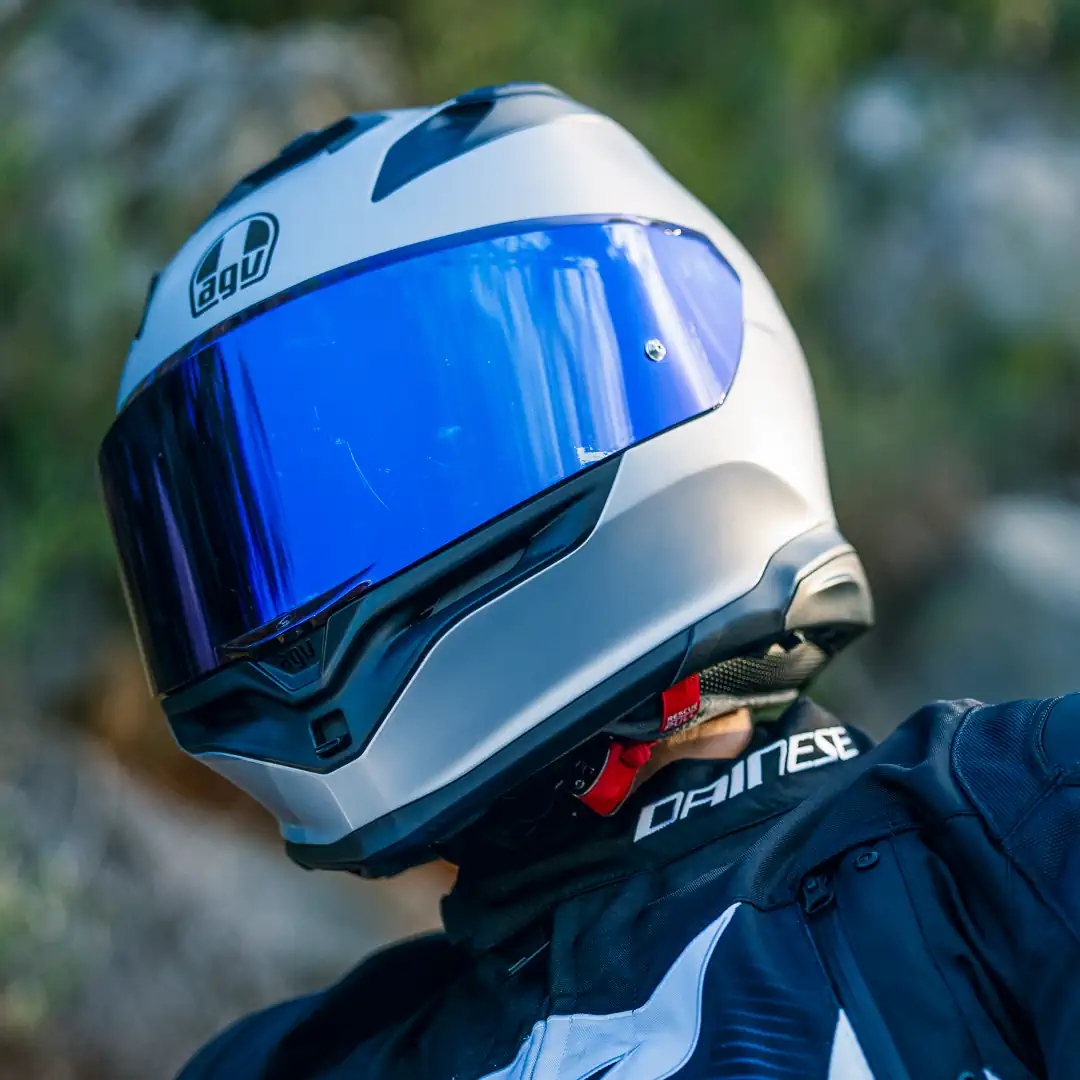
- The K7 ships with AGV’s Ultravision faceshield. AGV claims a 190-degree horizontal field of view, which is notably wide. A wider faceshield means more peripheral awareness — important in urban traffic and at track days, where threats can come from the side as quickly as from directly ahead. The faceshield is scratch-resistant and provides distortion-free vision across its full width.
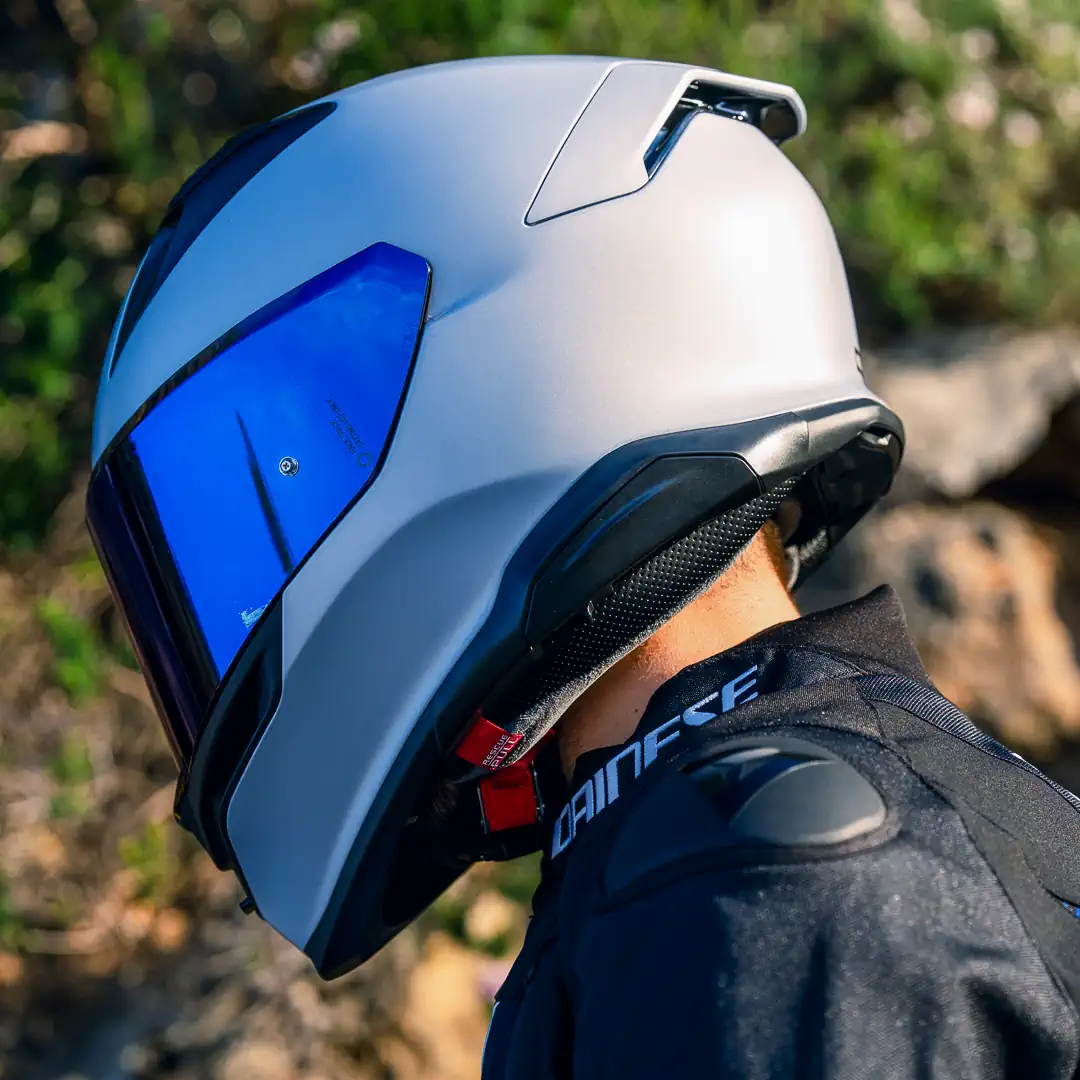
- The faceshield mechanism on the K7 is new. AGV redesigned it for smoother, more consistent operation. The mechanism sits in a compact profile, and the EPS liner’s temple area has been thickened to provide protection where helmets are traditionally thinner.
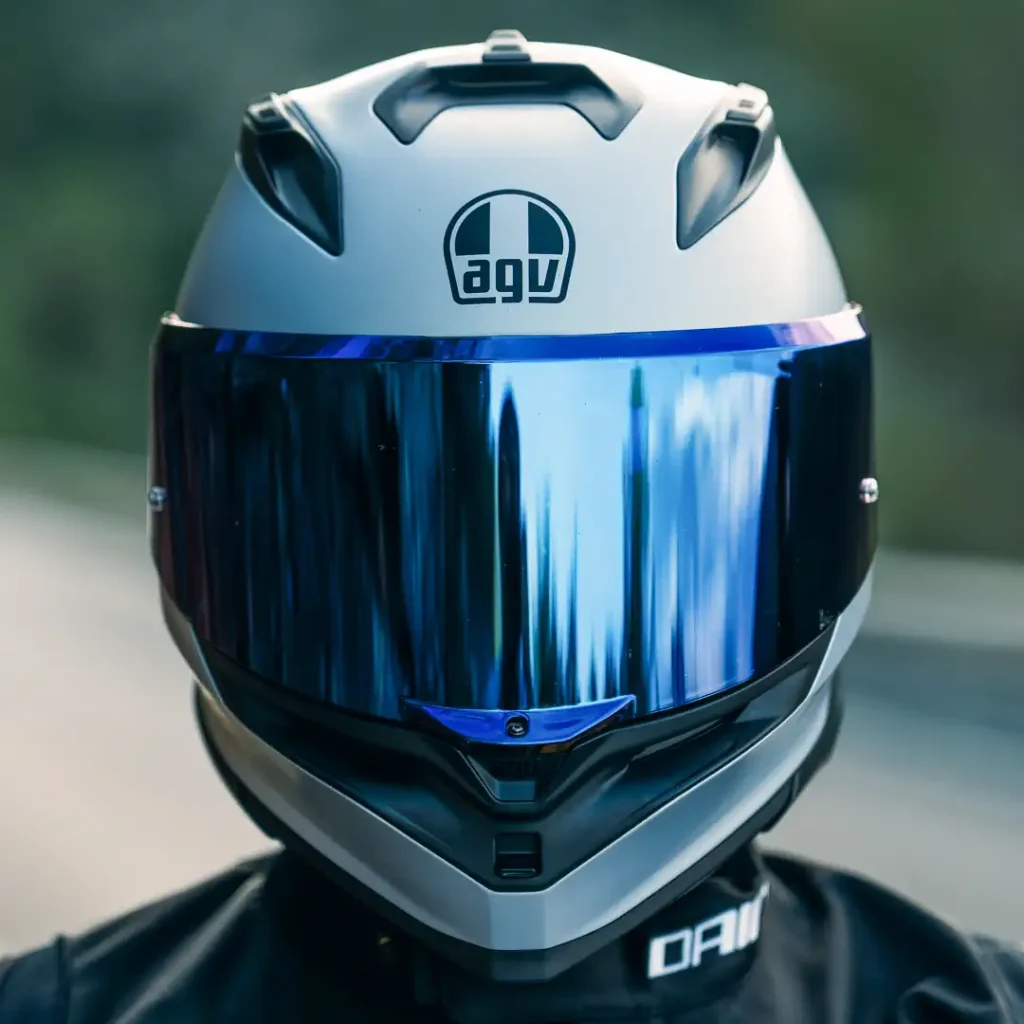
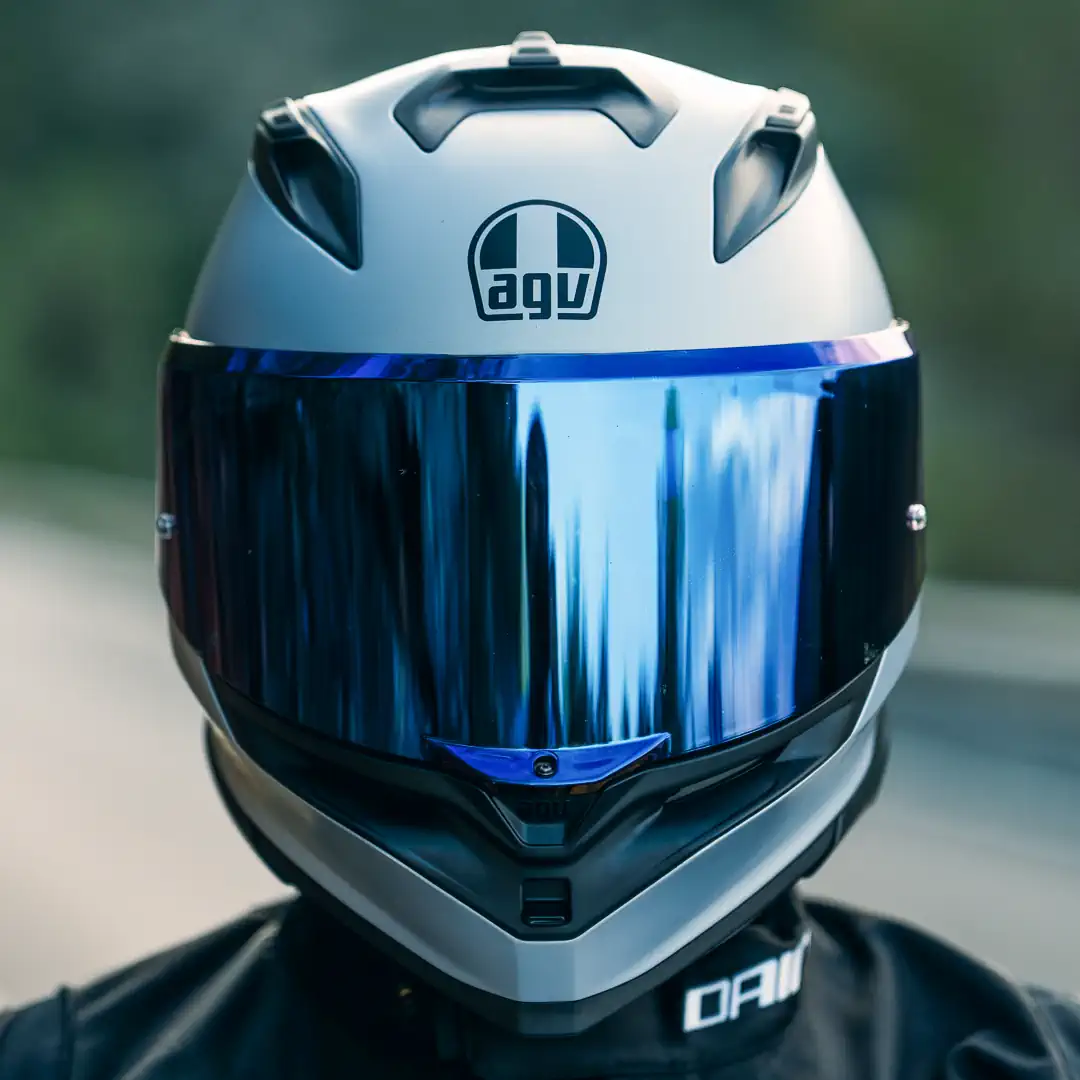
- The K7 includes a Pinlock 120 MaxVision insert. That’s Pinlock’s high-specification anti-fog device. It is designed to prevent fogging in cold, wet, and humid conditions while covering the full useful viewing area of the faceshield.
- The integrated drop-down sun visor is a nod to the K7’s sport-touring mission.
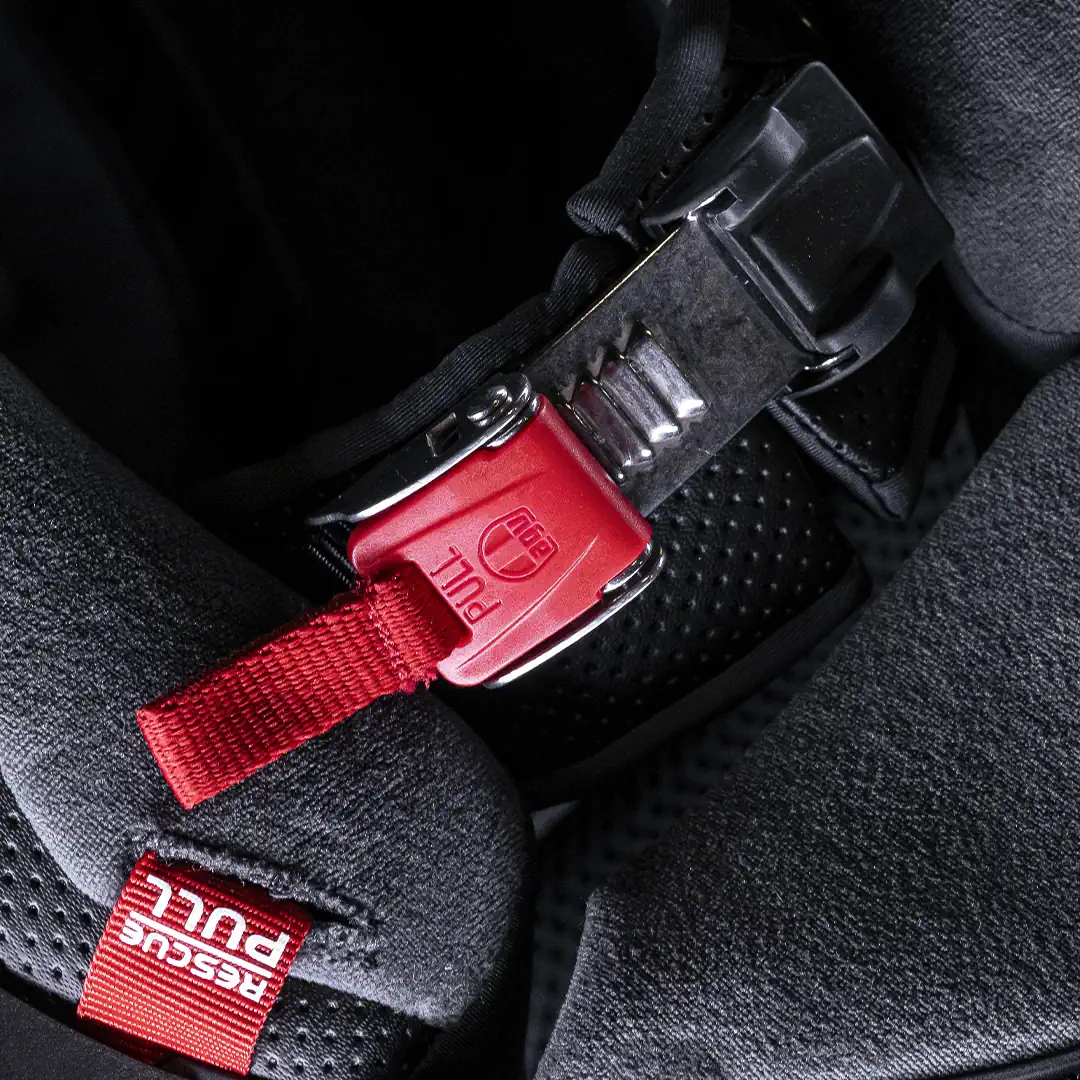
- The cheek pads are interchangeable, allowing riders to fine-tune the fit. Getting the cheek pad fit right is important for comfort, and to help the helmet stay in place under impact loads.
- AGV says the K7 has more effective venting than any previous AGV helmet. The K7’s EPS liner and crown pad work together to create initial airflow channels. Air enters through multiple intakes at the front of the helmet and passes through a series of progressively larger holes in the crown pad, distributing the airflow across the top of the rider’s head. A helmet that traps heat becomes a distraction on a long summer day, so helmet airflow is essential.
- The K7 is compatible with Insyde, AGV’s fully integrated intercom system. The helmet comes pre-configured for installation, meaning riders do not need aftermarket modifications to fit a communication device. The AGV Insyde intercom system is a $362 option developed by Cardo, and uses Cardo’s Dynamic Mesh Communication technology. Mesh enables easy pairing and supports groups of up to 15 riders. Previously, Insyde was exclusive to the Tourmodular helmet.
- The AGV K7 is a composite full-face helmet built for riders who do not want to choose between a sport helmet and a touring helmet. Its headline claims are compact dimensions for a full-face composite helmet, ECE 22.06 certification with margin to spare, a 190-degree visor, an integrated sun visor, a Pinlock 120 MaxVision anti-fog insert, AGV’s new ventilation system, collarbone protection, and compatibility with the AGV Insyde intercom system. With prices ranging from $639 for five solid colors, $739 for nine graphic choices, and $759 for two premium graphics, the AGV K7 sits in the upper-mid tier of the sport-touring helmet market.
